


Is Tijuana, Mexico Safe? A 2026 Travel Safety Guide
The Baja California cartel context, Avenida Revolución vs the rest, the San Ysidro border crossing, the medical-tourism reality, and the realistic risks of America's busiest border city.

Tijuana has high crime statistics by Mexican standards. Tourist visitors stay in a narrow corridor (Avenida Revolución, Zona Río — the upscale modern district) where crime against visitors is moderate. Most foreign visitors come for: (a) cheap dental + medical tourism, (b) day trips from San Diego, (c) cheap pharmacies, (d) cultural tourism (Tijuana has a real arts + craft-beer scene).
Mexico's Baja California state is at Level 3 on the US State Department's advisory list. UK FCDO is similar. The cartel context is real (Sinaloa Cartel + CJNG operate); most violence is between groups; tourists in tourist zones are not typical targets but spillover happens.
The honest framing: Tijuana is large (~1.9 million city, 2.2 million metro). Avenida Revolución (the famous bar + curio strip), Zona Río (modern + restaurants), Cervecería Tijuana (craft beer scene), and the Mercado Hidalgo are the visitor anchors. Most tourists day-trip from San Diego, walking across at the San Ysidro pedestrian crossing.
| Night safety | 40/100 |
|---|---|
| Scam / petty-crime risk | High |
| Violent crime (tourists) | Medium |
| Most common scams | bar-tab scams on late Avenida Revolución; agree-fare scams with street taxis; pirate taxis in Tijuana |
| Safer neighbourhoods | Zona Río |
| Data sources cited | 4 |
| Last verified |
What the score means — 57/100
- Personal safety (52) — pulled down significantly by city-wide statistics.
- Healthcare (78) — major dental + medical-tourism destination; modern clinics tourist-grade.
- Transport (64) — buses + Uber; pre-arranged for safety.
- Air quality (76) — moderate. Some industrial pollution.
The San Ysidro border crossing
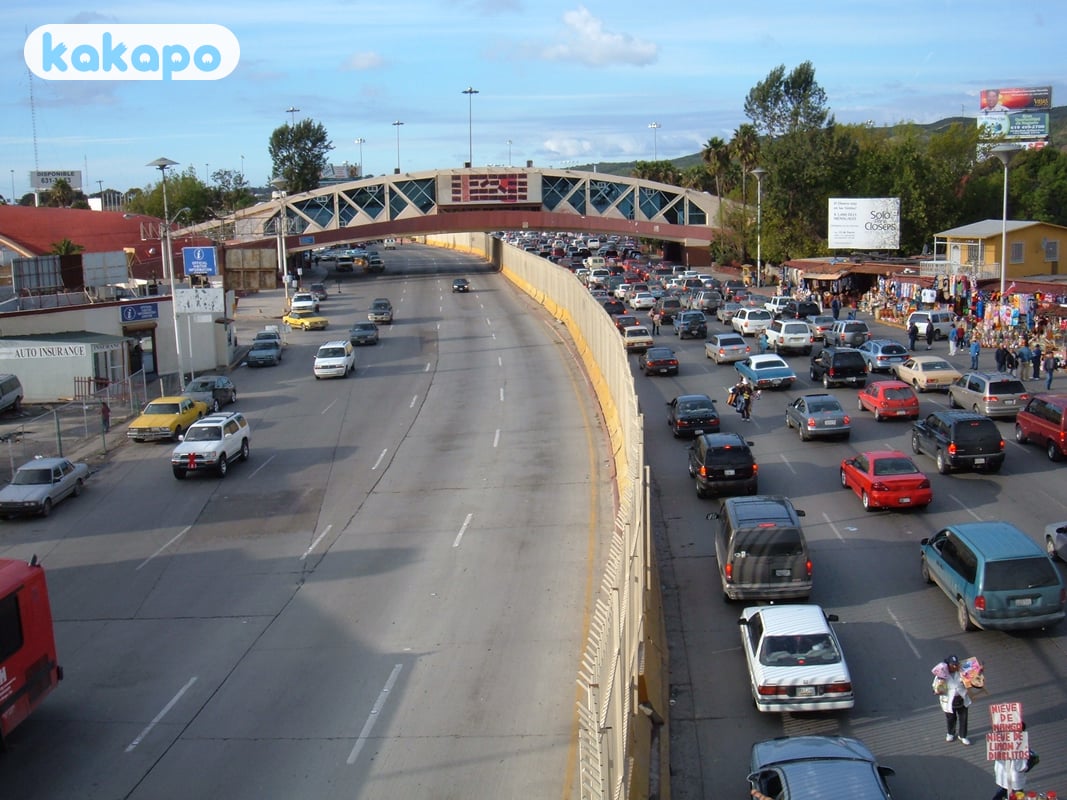
- San Ysidro: world's busiest land border. Pedestrian + vehicle crossings.
- Pedestrian crossing south (US to Mexico): 5-15 min usually.
- Pedestrian crossing north (Mexico to US): 1-3 hours typical, 4+ hours peak.
- SENTRI / Global Entry: dramatically cuts wait times.
- Documents: passport required for non-US/Mexican citizens. Visa or ESTA for the US side.
- Don't carry cannabis across — federally illegal in US even if legal in Mexico/California.
- Don't drive your US rental car into Mexico: most rental policies exclude. Mexican auto-insurance must be purchased.
Areas — Avenida Revolución, Zona Río, Playas
Recommended for visitors: Avenida Revolución (the historic tourist strip — bars, mariachi, curio shops; daytime + early evening fine), Zona Río (modern upscale — restaurants, the cultural centre CECUT), Playas de Tijuana (beach with the Border Wall mural).
Stay aware: most other Tijuana neighbourhoods after dark — Centro outside Revolución, Otay, La Mesa, El Florido. Many "stay aware" zones; tourist core much safer.
Don't go casually: outer colonias.
Tijuana basic rules
- Don't venture outside the tourist corridor (Revolución, Zona Río) without a known guide.
- Don't display: phones, jewellery, watches.
- Use Uber/DiDi: not street taxis. Many "pirate" taxis in Tijuana.
- Don't engage: with any drug-purchase situation. Police sting operations exist.
- Don't visit at night: do day-trips back across the border before sunset.
- If approached by "police": ask for badge ID; don't get into a vehicle; don't pay "fines" on the street.
Medical + dental tourism
- Tijuana dental + medical tourism: massive. Procedures cost 50-70% less than US.
- Reputable providers: ResultsByDesign, Dental Departures, Tijuana Dental Center.
- Verify credentials: ADA / international accreditations.
- Patient transport: most clinics arrange shuttle from San Diego.
- Don't choose the cheapest: complications can ruin vacations and hospital care.
Transport — Uber, taxis, the airport
- Uber + DiDi: both work in Tijuana. The default tourist option.
- Don't use street taxis: agree-fare scams + occasional "express kidnapping" reports.
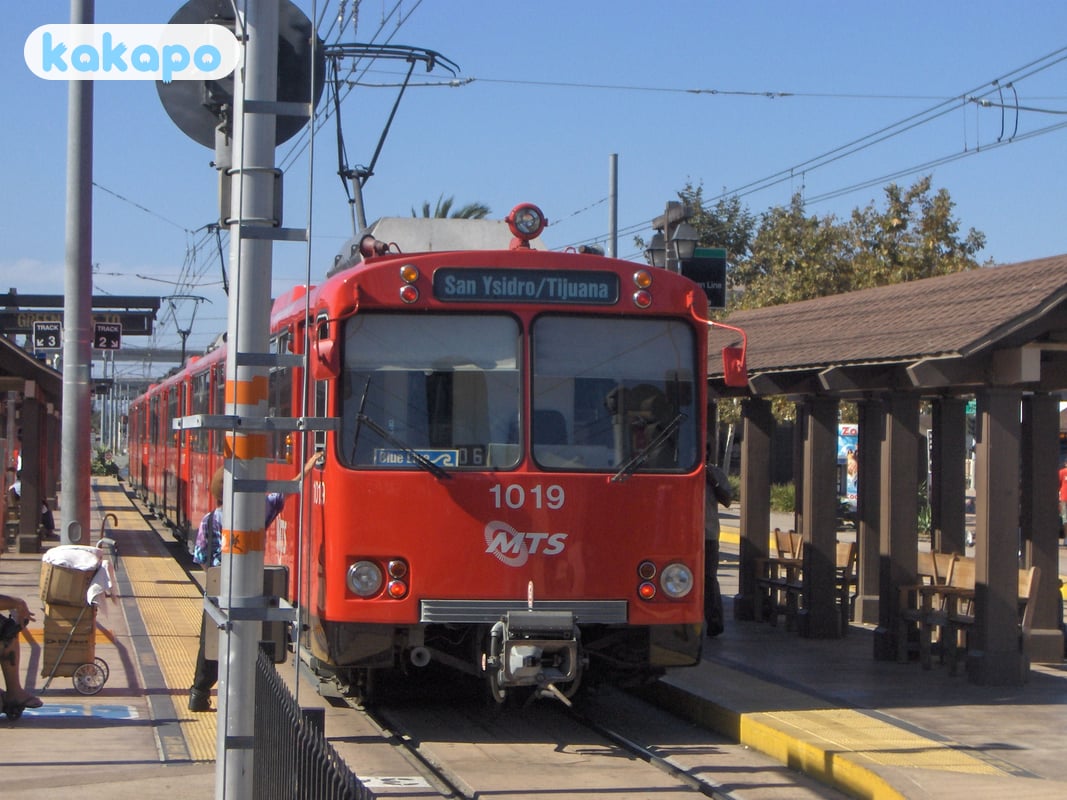
- Trolley (San Diego MTS): connects San Diego downtown to San Ysidro pedestrian crossing.
- Cross Border Xpress (CBX): pedestrian bridge from US to Tijuana Airport (TIJ) — for flights to interior Mexico. $25 one-way.
- Don't drive yourself as a casual visitor.
Money + cost
- Currency: Mexican peso (MXN). USD widely accepted.
- Cards: at hotels + clinics; cash for street + market.
- Tipping: 15-20% restaurants.
- Cost: very cheap for US visitors.
- Tap water: not safe.
Tijuana zones — where visitors actually go, and where to avoid
- Avenida Revolución (Zona Centro) — the historic tourist strip running roughly 12 blocks from the border south. Bars (Mi Casita, Norte Brewing, La Mezcalera), curio shops, mariachi bands, the iconic "Big Donkey" zebra-painted photo donkeys. Daytime and early evening are fine and tourist-saturated; police presence visible (Policía Turística in red shirts). After midnight is when the realistic risks rise — most tourist robberies and bar-tab scams happen on late Revolución. Stay alert; don't display phones; cross back to San Diego before dark on a day-trip.
- Zona Río (the upscale modern district) — east of the river along Paseo de los Héroes. CECUT (the Centro Cultural Tijuana with the famous "Bola" IMAX dome), Plaza Río Tijuana mall, Caesar's Hotel (the actual birthplace of the Caesar salad in 1924), the World Trade Center, embassies and consulates including the US Consulate (+52 664 977 2000). Modern hotels (Grand Hotel Tijuana, Marriott, City Express). Safer than Revolución for overnight stays; restaurant scene is the city's serious food zone (Mision 19, Verde y Crema, Las Ahumaderas taco alley).
- Playas de Tijuana — the beach district at the western edge where the border wall meets the Pacific. The Border Field State Park "Friendship Park" mural section is the iconic photo. Decent seafood (mariscos) at Bahia Sushi and similar. Daytime visit only; the beach district hollows out at night. Uber from Zona Río ~$8.
- La Cacho + Chapultepec (residential professional) — middle-class hilltop residential neighbourhoods just south of Zona Río with a small boutique-hotel and restaurant scene (Vino Tinto, Telefónica Gastro Park). Quiet, safer than Revolución. Good base for medical-tourism patients with multi-day appointments.
- Tijuana Cultural Center (CECUT) + the "8th & Constitución" gastronomic corridor — Tijuana's craft-beer and food revolution has produced a genuine destination scene around Pasaje Rodríguez and the Telefónica Gastro Park food-hall complex. Norte Brewing, Border Psycho Brewery, Insurgente are the local craft-beer headliners.
- Tijuana Cervecería corridor + Zona Norte — Zona Norte is the historic red-light district north-east of Revolución, the "Coahuila Street" zone with documented sex-tourism. Not a casual visitor zone, even by day. The legitimate brewery cluster (Cervecería Tijuana, Plaza Fiesta) is further south in Zona Río.
- Otay + Mesa de Otay (east — second border crossing) — industrial maquiladora zone with the secondary Otay Mesa border crossing (less busy than San Ysidro, often faster for vehicles). Tijuana Airport (TIJ) and the Cross Border Xpress pedestrian bridge are here. Not a tourist zone; transit only.
- La Mesa, El Florido, Sánchez Taboada (eastern colonias) — sprawling residential neighbourhoods with elevated cartel-related violence statistics. Not for casual visitors at any time. Most reported tourist incidents that make news involve people who wandered into these zones via wrong Uber rides or unlicensed taxis.
- Rosarito + the toll road south (day-trip) — 30 km south on the Mexico 1D toll road. Rosarito Beach Hotel, the lobster restaurants of Puerto Nuevo (further south, $25-40 lobster lunches), the surf beaches. The toll road itself is fine and well-patrolled; don't take the libre (free) road parallel to it after dark. Day-trip with Uber Cross-Border or hire a US-tour operator.
- Valle de Guadalupe (90 min south) — Mexico's premier wine region, day or overnight from Tijuana. 100+ wineries (Monte Xanic, Adobe Guadalupe, L.A. Cetto), the Ruta del Vino. Mexico 3 is the access road; daytime driving is fine; overnight at Bruma, Encuentro Guadalupe or Cuatrocuatros for the architecture-and-wine experience.
If it's your first time visiting
- Best arrival: walk across at San Ysidro from San Diego — the world's busiest land border. From San Diego, take the MTS Blue Line trolley to San Ysidro Transit Center ($2.50, every 15 min, 45 min from downtown), then walk through the PedWest or PedEast pedestrian crossing. Southbound (US into Mexico) is usually 5-15 minutes; northbound (Mexico into US on return) is 1-3 hours typical, 4+ hours peak. SENTRI or Global Entry dramatically cut northbound waits (apply months ahead). For flights to interior Mexico (CDMX, Guadalajara, Cancun), use the Cross Border Xpress (CBX) pedestrian bridge from San Diego side direct to Tijuana Airport TIJ, $25 one-way.
- Cross back before dark on day-trip. This is the single most important rule. Build 4+ hours of northbound border buffer for any return flight from San Diego. The risk profile in Tijuana rises sharply after sunset, the genuine incidents tend to involve walking outside the tourist corridor or taking unlicensed street taxis late, and the northbound border line gets longer in the evening as US-bound commuters and day-trippers stack up. Daytime visit + early evening dinner + cross back by 20:00 is the canonical play.
- Best neighbourhood for your first night if overnighting: Zona Río for modern chain hotels (Grand Hotel Tijuana, Marriott, City Express); La Cacho / Chapultepec for boutique. Never overnight on Avenida Revolución for a first visit — the bar-strip atmosphere late is not where you want to be confused, jet-lagged, or solo.
- Use Uber or DiDi only — not street taxis. Both apps work in Tijuana. Many "pirate" (unlicensed) taxis operate, with documented robbery and "express kidnapping" incidents (forced ATM withdrawals). Pickup at designated app points at San Ysidro and the airport. Never get into a vehicle that approaches you offering rides at the border; never accept a "fixer" who claims to get you a "faster taxi."
- Don't drive your US rental car across. Most US rental agreements explicitly exclude Mexico; the rental is not insured beyond the border. Mexican auto insurance must be purchased separately (rental companies sell add-ons at the border or online at Baja Bound, Sanborn's). Self-drive Mexico requires the FMM tourist form ($30) for trips beyond the border zone. For a day-trip, walk across and Uber inside.
- If approached by "police": ask for badge ID, do not get into any vehicle, do not pay "fines" on the street. Real Mexican municipal police process violations at a station; street "fines" are shakedown attempts. The US Consulate (+52 664 977 2000) handles citizen-services calls. The Tourist Police (CESPI) in red shirts on Revolución are legitimate and English-speaking.
- Dental and medical tourism is the #1 reason most US visitors come — procedures cost 50-70% less than US. Reputable providers verify via ResultsByDesign, Dental Departures, or the Tijuana Dental Center directory. Confirm ADA or international accreditations; most clinics arrange shuttle transport from San Diego. Don't choose the cheapest — complications can ruin vacations and require hospital care. Travel insurance with full medical AND medical-evacuation cover is essential.
- Food and craft beer are the genuine cultural draw. Tijuana invented the Caesar salad (Caesar's Hotel, 1924, ~$15 tableside); the city's modern food scene includes Mision 19 (Javier Plascencia, the city's most-decorated chef, $40-80/head), Verde y Crema, Telefónica Gastro Park, and the famous "Las Ahumaderas" Calle Sexta taco alley ($2-3 per taco, run with serious technique). Craft beer at Norte Brewing, Border Psycho, Insurgente, Cervecería Tijuana ($3-6 pints).
- Cartel-context honest framing: Baja California is at US State Department Level 3 ("reconsider travel"). The Sinaloa Cartel and CJNG operate with documented violence in Tijuana — but most of it is between groups, in residential colonias well outside the tourist corridor. Tourists in the corridor (Revolución, Zona Río, Playas, Zona Río restaurants) are not typical targets. Spillover happens but is rare. The safe play is structural: stay in the corridor, day-trip from San Diego, cross back before dark, use Uber, don't engage in any drug-purchase situation (police sting operations exist).
- Common rookie mistakes: bringing cannabis across (federally illegal in US even if legal in California — federal officers process the border, not state); driving a US rental into Mexico without Mexican insurance; using street taxis; accepting "fixer" offers at San Ysidro; wandering outside the tourist corridor on foot; staying overnight on Revolución; trying to return on a Sunday evening (northbound border peaks 4+ hours); engaging with any drug-purchase scenario (sting operations); paying "police" fines on the street.
Practical info — emergency numbers
- Emergency: 911.
- Tourist Police (CESPI): visible on Revolución.
- Hospital Ángeles Tijuana: +52 664 635 1900.
- US Consulate Tijuana: +52 664 977 2000.
Bring: passport, USD cash, a Mexican SIM, contactless card, travel insurance with full medical + medical-evacuation cover (essential for medical tourism). Don't drive your US rental car across; use Uber within Tijuana; cross back before dark.
Frequently asked questions
Is Tijuana, Mexico safe to visit in 2026?
With significant caveats — Tijuana scores 60/100 here. Mexico's Baja California state is at Level 3 on the US State Department's advisory ('reconsider travel') and the UK FCDO is similar. Tijuana has high crime statistics by Mexican standards. The honest framing is structural: tourist visitors stay in a narrow corridor (Avenida Revolución and Zona Río — the upscale modern district) where crime against visitors is moderate, while everywhere else the cartel context is real (Sinaloa Cartel and CJNG operate; most violence is between groups; tourists in tourist zones are not typical targets but spillover happens). Most foreign visitors come for cheap dental/medical tourism, San Diego day-trips, cheap pharmacies, or Tijuana's craft-beer and arts scene. Day-trip and cross back before dark is the canonical advice.
Is Tijuana safe at night?
Don't be there at night as a casual visitor — return to San Diego before sunset. The tourist corridor (Revolución and Zona Río) stays patrolled and visitors do go to bars and restaurants late, but the risk profile rises sharply after dark and the realistic incidents tend to involve walking outside the corridor, taking unlicensed street taxis, or engaging with drug-purchase situations (police sting operations exist). If you do stay overnight, stay in Zona Río's modern hotels (Grand Hotel Tijuana, Marriott, City Express), use Uber or DiDi to move (not street taxis — many 'pirate' taxis in Tijuana with documented robbery), and don't display phones, jewellery or watches. Solo travellers should not wander outside the corridor; solo women should not be on Avenida Revolución after midnight alone.
What scam should I watch for in Tijuana?
The 'helpful' street taxi or 'fixer' approach near the San Ysidro pedestrian crossing south-to-north line is the classic — someone offers to get you a 'faster taxi' or 'guide' through the border crossing for $20-50 and either delivers nothing useful or rides you to an unlicensed taxi that charges 5-10× the trip price. Use Uber or DiDi from designated app-pickup points. Secondary patterns: 'police' shaking down tourists for 'fines' on the street (ask for badge ID, don't get into a vehicle, don't pay 'fines' on the street — real Mexican police process violations at a station), unlicensed dental and medical clinics undercutting reputable providers by 30-50% (verify ADA or international accreditations via ResultsByDesign, Dental Departures, or Tijuana Dental Center; don't choose the cheapest because complications can ruin vacations and require hospital care), and the 'free' tequila shot from a Revolución bar that ends in a $200 'consumption fee'.
Can you drink the tap water in Tijuana?
No — Tijuana tap water is not safe to drink. Use sealed bottled water; brush teeth with bottled if you're stomach-sensitive. Restaurants and medical clinics use filtered or bottled. The healthcare angle matters because Tijuana's dental and medical tourism is massive (procedures cost 50-70% less than US) and many visitors are here for treatment — verify clinic credentials, confirm ADA or international accreditations, most clinics arrange shuttle from San Diego. Travel insurance with full medical and medical-evacuation cover is essential for medical tourism — the cheap procedure can become an expensive complication if you choose the wrong clinic.
How does the San Ysidro border crossing work — and what's the USD vs MXN situation?
San Ysidro is the world's busiest land border crossing. Pedestrian crossing south (US into Mexico) is 5-15 minutes usually; pedestrian crossing north (Mexico into US) is 1-3 hours typical and 4+ hours at peak — the asymmetry is the single biggest planning constraint of a Tijuana day-trip. Build 4+ hours of buffer time for any return flight from San Diego. SENTRI and Global Entry dramatically cut wait times (apply months in advance). Documents: passport required for non-US/Mexican citizens; visa or ESTA for the US side on return; if you're a non-US citizen on a visa-waiver, confirm your ESTA still covers re-entry (single-entry ESTAs do not). Don't carry cannabis across — federally illegal in the US even if legal in Mexico and California (federal officers, not state). Don't drive your US rental car into Mexico — most rental policies exclude Mexico, and Mexican auto insurance must be purchased separately (rental companies sell add-ons at the border or online). The Cross Border Xpress (CBX) is a pedestrian bridge from US side directly to Tijuana Airport (TIJ) for $25 one-way — useful if connecting to interior Mexico (CDMX, Guadalajara). USD vs MXN: USD is widely accepted across Tijuana's tourist zones (Avenida Revolución, Zona Río, dental clinics, hotels) at exchange rates 5-15% worse than MXN equivalents; pay in MXN if you can for better value, use a Mexican ATM (Banamex, Santander) for cash, decline DCC at terminals. Tipping is 15-20% restaurants. Areas: stay in Avenida Revolución (historic tourist strip — bars, mariachi, curio shops, daytime and early evening fine) or Zona Río (modern upscale, restaurants, the CECUT cultural centre). Don't wander Playas de Tijuana after dark even though the Border Wall mural is iconic. Most other Tijuana neighbourhoods after dark — Centro outside Revolución, Otay, La Mesa, El Florido — require local knowledge and are not for casual visitors. The honest cartel-context framing is that Sinaloa Cartel and CJNG operate in Baja California with documented violence in the city; tourists in tourist zones are not typical targets but you cannot guarantee non-spillover, and the safe play is structural (stay corridor, day-trip, cross before dark).
Sources
Run a business in Tijuana?
Show visitors your Tijuana business is a safe choice. The free Verified by Kakapo badge puts Tijuana's live safety score on your website, links back to your verified page, and updates itself. No cost.
Get the free badge →