


Is Ramat HaSharon, Israel Safe? A 2026 Travel Safety Guide
An affluent suburb just north of Tel Aviv, the regional security context, and the realistic risks.

Ramat HaSharon is an affluent residential city immediately north of Tel Aviv (population ~50,000) — a quiet, leafy, upscale suburb. Crime against visitors is essentially nil. The realistic concerns are the same regional security context as the rest of Israel (rocket-alert system + Home Front Command app + occasional escalations), and limited tourist infrastructure (most visitors are here for family or work, not tourism).
Pair with our Tel Aviv + Israel guides for the broader regional + security context. Israel sits at Level 2 on the US State Department's advisory list with carve-outs for the Gaza border zone (Level 4), the West Bank, and the Lebanon border. Confirm current advisories within 48 hours of any planned trip.
The character: low-rise villas on shaded streets, a notable density of tech-industry and Unit 8200 (military intelligence) families, the regional Country Club as a social anchor, and an obvious wealth gradient as you move north from the Tel Aviv border on Rokach Boulevard. Sokolov Street is the main commercial spine — coffee shops, a few good restaurants, a bookshop, the kind of low-key residential commerce that doesn't draw tourists. Glilot Junction at the south-east corner is the major interchange where Highway 2 meets Highway 5, and the new Tel Aviv Light Rail Green Line (under construction, opening phased through 2027-28) will eventually serve the area properly.
| Night safety | 81/100 |
|---|---|
| Scam / petty-crime risk | Low |
| Violent crime (tourists) | Low |
| Safer neighbourhoods | Neve Magen / Kfar Sheraga, Morasha, Central Ramat HaSharon |
| Data sources cited | 3 |
| Last verified |
What the score means — 89/100
- Healthcare (88) — Tel Aviv hospitals (Ichilov + Sheba) world-class.
- Transport (80) — buses + Tel Aviv Light Rail (Red Line) + the new Green Line.
- Personal safety (80) — quiet residential.
- Air quality (78) — Mediterranean coastal.
Ramat HaSharon in context
- Just north of Tel Aviv: technically a separate municipality but functionally a Tel Aviv suburb.
- Affluent residential: tech, finance, military intelligence (8200) families.
- Tourist anchors: limited. The Country Club + Mecadem Park are local-level.
- Pair with our Tel Aviv guide: for restaurants + beaches + nightlife.
Regional security context
- Rocket alerts: same Home Front Command app coverage as Tel Aviv area.
- Iron Dome: protects the area.
- If a siren sounds: 90 seconds to enter shelter (mamad room in newer apartments + buildings; concrete stairwell otherwise).
- Confirm current advisories: within 48 hours of travel.
Transport
- Buses: Egged + Dan from Tel Aviv.
- Tel Aviv Light Rail Red Line: opened 2023; runs north of Tel Aviv toward Petah Tikva — close to but not direct to Ramat HaSharon.
- Gett + Yango: ride-hailing apps.
- Ben Gurion Airport (TLV): 25 km south-east; 30-40 min by car.
Money + practical
- Currency: shekel (ILS).
- Cards: tap-to-pay universal.
- Cost: high. Hotels ILS 600-1,500.
Surrounding area — Tel Aviv north, Glilot, Morasha
- Central Ramat HaSharon — the streets either side of Sokolov Street and around the Town Hall. Cafés, bakeries, the Reading municipal library. Quiet residential energy; everyone walks dogs here.
- Morasha — the older northern neighbourhood, originally a separate workers' settlement absorbed into Ramat HaSharon in the 1950s. Lower-key, more modest housing, the Morasha train station on the Tel Aviv-Hadera coastal line is a quiet commuter stop.
- Neve Magen / Kfar Sheraga — the upscale western edge, large villas on quarter-dunam plots, the kind of streets where ambassadors and senior tech execs live. Bordering the Hadar Yosef and Ramat Aviv areas of north Tel Aviv.
- Glilot Junction (south-east) — major interchange where Highway 2 meets Highway 5, the Glilot Mall, the Cinema City multiplex, and the IDF Glilot base. Bustling commercial node; this is where most ride-share drop-offs end up if you ask for "Ramat HaSharon".
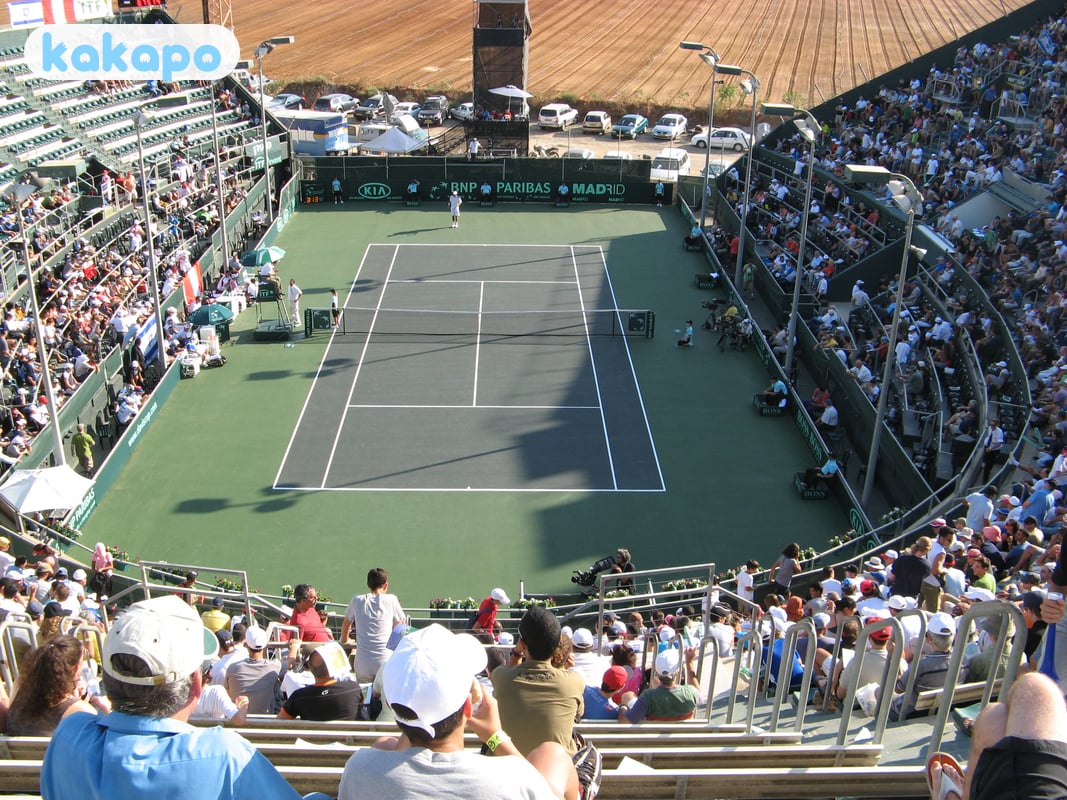
- Country Club + Mecadem Park — the regional Country Club is the social anchor of upper-middle-class life here (pool, tennis, gym memberships in the high hundreds of shekels a month). Mecadem Park is the main green space, with playground and walking loops.
- Tel Aviv north (Ramat Aviv, Afeka, Hadar Yosef) — functionally indistinguishable from Ramat HaSharon for visitors, separated only by an invisible municipal boundary. The Eretz Israel Museum, Tel Aviv University and the Yarkon Park northern edge sit just across the line.
- Future Tel Aviv Light Rail Green Line — under construction; will run along Ibn Gabirol and Namir Road and is planned to serve the southern edge of the Ramat HaSharon catchment. Phased opening through 2027-28. The Red Line opened 2023 but does not directly serve Ramat HaSharon.
If it's your first time visiting
- Arrival: Ben Gurion (TLV) is 25 km south-east. Pre-booked transfer NIS 180-250, taxi metered NIS 200-280, Gett / Yango ride-share usually a touch cheaper. Avoid touts inside the terminal — the official taxi rank is fine.
- Install the Home Front Command app (oref.org.il) on day one — it pushes Code Red rocket alerts to your phone in addition to the municipal sirens. Learn your hotel or rental's mamad (reinforced shelter room) location before you unpack.
- Sabbath logistics: Friday afternoon through Saturday sunset, Egged and Dan buses largely stop and many restaurants close. Plan grocery shopping and onward travel for Friday morning. Tel Aviv is somewhat more secular than Jerusalem but Sabbath still bites.
- The basics that surprise first-time Israel visitors: security checks at mall and supermarket entrances (a bag glance, polite); tipping is 12-15% and often cash even if you paid by card; shekels (NIS) are the currency, USD/EUR get worse rates everywhere.
- Realistic transport plan: there is no Light Rail stop in Ramat HaSharon itself yet. Egged and Dan buses connect to central Tel Aviv (lines 28, 47, 89, etc.); ride-share Gett or Yango from anywhere to anywhere costs NIS 25-60 within the metropolitan area.
- Day 1 plan: settle in, walk Sokolov Street for coffee and lunch, evening into Tel Aviv proper for the beach promenade and dinner. Save Old Jaffa, the Carmel Market and Tel Aviv Port for day two.
- If a siren sounds: 90 seconds to shelter. Mamad room in newer buildings, central stairwell in older ones. After the all-clear (usually 10 minutes), step outside calmly; carry on with the day. Locals do.
- Confirm advisories within 48 hours of travel — the regional picture has shifted multiple times since October 2023 and what was true last month may not be today.
- Common rookie mistake: assuming a Ramat HaSharon address is "Tel Aviv" — the municipalities are separate, Uber drivers will get confused if you say "Tel Aviv" when you mean Ramat HaSharon.
Practical info
- Emergency: 100 (police), 101 (ambulance), 102 (fire).
- Sheba Medical Center (Tel Hashomer): +972 3 530 3030.
Pair with our Tel Aviv + Israel guides. Install Home Front Command app + register with embassy. Bring: contactless card, an Israeli SIM/eSIM, modest options if visiting religious sites elsewhere.
Frequently asked questions
Is Ramat HaSharon safe to visit in 2026?
Ramat HaSharon scores 76/100 here. Day-to-day this is one of the calmest Tel Aviv-area suburbs — an affluent leafy residential city of about 50,000 people, with tech, finance and IDF intelligence (Unit 8200) families. Crime against visitors is essentially nil. The score is held down by the wider Israel security context rather than any local issue. US State Department lists Israel at Level 2 ('exercise increased caution') with Level 3 and Level 4 carve-outs for the West Bank, Gaza border and Lebanon border. UK FCDO advises against all but essential travel to specific zones. Confirm current advisories within 48 hours of any planned trip — the picture has shifted multiple times since October 2023.
What's the security risk in Ramat HaSharon in 2026?
The same rocket, missile and drone-alert risk as the rest of the Tel Aviv metropolitan area. Since October 2023, Gush Dan (the wider Tel Aviv metro including Ramat HaSharon) has been targeted during major escalations from Gaza, Lebanon (Hezbollah), Iran (direct missile exchanges in April and October 2024) and Yemen (Houthi launches). Iron Dome and David's Sling intercept most projectiles, but not all. The Tzeva Adom (Code Red) alert system pushes warnings to phones and triggers municipal sirens. When the siren sounds you have 90 seconds to reach a shelter — every modern Israeli apartment building has a mamad (reinforced safe room); older buildings use the central concrete stairwell. Install the Israel Home Front Command app (oref.org.il) on arrival and learn your hotel or rental's shelter location.
Is Ramat HaSharon safe at night?
Yes — the suburb is residential, leafy and quiet in the evening, with low street-crime by any international standard. The central commercial blocks around Sokolov Street and the Country Club area stay calm. There are no tourist-targeted scams or pickpocketing patterns of note. The realistic after-dark concerns are not criminal but the chance of a rocket-alert siren and getting indoors quickly if one sounds. Tel Aviv is a 15-25-minute drive south and is the more interesting evening destination — use Gett or Yango ride-share apps for the trip back; Sabbath (Friday sunset to Saturday sunset) reduces bus service significantly.
Can you drink tap water in Ramat HaSharon?
Yes — Israel's national water authority (Mekorot) treats supply to high standards, supplemented by significant desalinated water on the coast. Tap water across the Tel Aviv metropolitan area, including Ramat HaSharon, is safe to drink and tested constantly. Locals drink it routinely; some find the taste hard or chlorinated and use filtered dispensers (Tami4) at home. Carry a refillable bottle in the summer humidity.
Is Ramat HaSharon a sensible base for visiting Tel Aviv?
It's the calm, residential, family-oriented alternative to staying in central Tel Aviv. The trade-off is the commute: there's no direct Tel Aviv Light Rail station in Ramat HaSharon (the Red Line that opened in 2023 runs through Petah Tikva and Bnei Brak, not Ramat HaSharon directly), so you're reliant on Egged and Dan buses, ride-share, or a rental car. Ben Gurion International Airport is 25km southeast, 30-40 minutes by car. There are limited tourist anchors in Ramat HaSharon itself — the Country Club, Mecadem Park, and the residential calm are the draw rather than specific sights. Most international visitors who base here are doing so for tech-industry meetings (the suburb is dense with tech-family residences) or for family reasons rather than tourism. For first-time Israel visitors, central Tel Aviv or Jerusalem makes more sense as a base.
Sources
Run a business in Ramat HaSharon?
Show visitors your Ramat HaSharon business is a safe choice. The free Verified by Kakapo badge puts Ramat HaSharon's live safety score on your website, links back to your verified page, and updates itself. No cost.
Get the free badge →