


Is Tel Aviv Safe for LGBTQ+ Travellers? 2026 Guide
Tel Aviv — among the Middle East's most genuinely LGBTQ-welcoming cities, Pride context, the bar-and-beach scene, and the regional realities to understand before visiting.

Tel Aviv is consistently ranked among the most LGBTQ-welcoming cities in the world — and uniquely so for the Middle East region. Same-sex relationships have been legal in Israel since 1988; anti-discrimination protections cover employment and services; same-sex couples have many (though not all) marriage-equivalent rights; the city government openly funds and promotes Pride; the beach, bar, and club scene is among the most relaxed and integrated in the Mediterranean. For LGBTQ+ travellers, Tel Aviv is genuinely warm and easy in a way that few major cities anywhere — and certainly nowhere else in the region — match.
The honest reads, though, require context that Tel Aviv guides sometimes skirt. The broader Israel-Palestine security situation directly affects travel planning: rocket alerts, periodic escalations, and the realities of travelling to the West Bank or near Gaza all warrant checking up-to-date government travel advice (UK FCDO, US State Department) before booking. Tel Aviv itself remains generally safe with normal urban precautions, but the security context is real. Jerusalem (an hour away) is a different city for LGBTQ travellers — more conservative, more religious tensions, far less welcoming than Tel Aviv. And LGBTQ+ travellers should be aware that travel to neighbouring countries (Lebanon, Saudi Arabia, others) from Israel is restricted or impossible, and that some passport stamps create later travel complications.
This guide covers Tel Aviv's LGBTQ scene, neighbourhoods, Pride, healthcare, and the regional context.
| Night safety | 71/100 |
|---|---|
| Scam / petty-crime risk | Medium |
| Violent crime (tourists) | Low |
| Most common scams | passport stamp implications for travel to Lebanon and Saudi Arabia; rocket alerts and security incidents |
| Safer neighbourhoods | Florentin, Lev Ha'Ir, Neve Tzedek |
| Data sources cited | 4 |
| Last verified |
Tel Aviv LGBTQ-friendly neighbourhoods
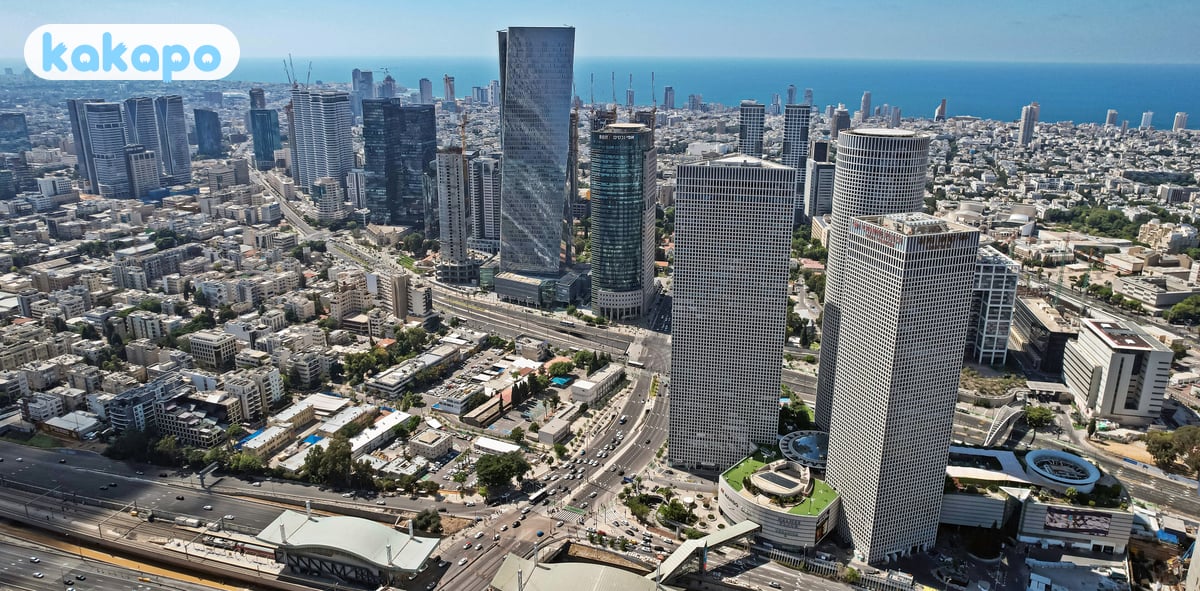
- Florentin (south Tel Aviv): the artsy, formerly industrial neighbourhood; popular with younger queer crowd; mixed bars and a relaxed scene.
- Lev Ha'Ir (city centre, around Sheinkin Street and Rothschild Boulevard): the heart of the LGBTQ scene; cafés, bars, the Gan Meir park (with its rainbow walkway), close to Hilton Beach.
- Neve Tzedek: the historic neighbourhood with boutique hotels, art galleries, restaurants; quieter and more elegant; mixed but very welcoming.
- The German Colony / Templer area: leafy, quieter, residential; close to Sarona Market.
- North Tel Aviv (Ramat Aviv): residential, family-oriented; less scene but very accepting.
- Jaffa (south of Tel Aviv): historic Arab-Jewish mixed area; atmospheric, increasingly gentrified; somewhat more conservative socially than central Tel Aviv but still welcoming.
- Hilton Beach (north end of Tel Aviv promenade): the famously gay-friendly beach; the local gathering spot; fully integrated with the wider beach culture.
Tel Aviv Pride
- The event: Tel Aviv Pride is one of the largest in the world — typically 250,000+ attendees in 2024-2025 estimates. Held in June; the city-government-supported parade through central Tel Aviv ends at Charles Clore Park with major concerts.
- Pride Week: roughly 10 days of events around the main parade — film screenings, parties, beach events, talks. Hilton Beach is the central daytime hub.
- Bookings: hotels fill up months in advance and prices spike notably (50-100% above off-season). Book by January-February for a June Pride trip.
- Security: Pride has had heightened security since the 2015 Jerusalem Pride knife attack (which was in Jerusalem, not Tel Aviv). Bag checks, visible police, but the atmosphere remains warm and celebratory.
- Political context: in recent years some Pride attendees have engaged with anti-occupation and political messaging. The event itself is welcoming to all and not gated by political views, but expect to encounter banners and conversations around the broader regional situation.
Bars, clubs, beach scene
- Shpagat (Nahalat Binyamin): longstanding popular gay bar; lively, mixed-age, central.
- HaSimta (Florentin): alternative-leaning bar, popular with queer crowd.
- Saloona: weekly major gay night events at rotating venues; check the Atraf app for current dates.
- Beach scene: Hilton Beach is the LGBTQ daytime hub but the entire Tel Aviv beach is relaxed and integrated. Topless and small-suit norms vary; the beach is fully mixed-orientation.
- Atraf app: the standard Israeli LGBTQ social/dating app, plus event listings.
- Restaurants: openly LGBTQ-welcoming throughout central Tel Aviv. Public same-sex affection is unremarkable in most central neighbourhoods.
- Saunas and bathhouses: a handful operate; check current listings.
- Sabbath consideration: many businesses close Friday afternoon to Saturday evening for Shabbat; the LGBTQ scene continues but with reduced restaurant options.
Regional security context
- The honest reality: the Israel-Palestine situation directly affects travel planning. Periodic rocket alerts, escalations, and security incidents do occur; the situation can change quickly.
- Standard advice: check the UK FCDO (gov.uk/foreign-travel-advice/israel) or US State Department before booking and within 48 hours of travel. Both governments issue specific guidance on areas to avoid (Gaza border zone, parts of the West Bank).
- Tel Aviv specifically: generally safe with normal urban precautions; rocket alerts and the Iron Dome system have intercepted threats; central Tel Aviv has shelters in every building and the Home Front Command app provides real-time alerts.
- Travel insurance: read the war/terrorism exclusions carefully; many standard policies exclude active conflict zones. Specialty insurers (e.g., war-zone-friendly providers) exist.
- Jerusalem: an hour from Tel Aviv but a different city for LGBTQ travellers — more religious, more conservative, periodic religious-political tensions. Visit by day; LGBTQ visitors should generally not present openly in the religious quarters.
- West Bank / East Jerusalem: requires more planning and risk assessment; LGBTQ travellers face conservative social environments and should follow guided-tour patterns rather than independent exploration.
- Passport stamp implications: Israeli entry stamps prevent later travel to several countries (Lebanon, Iran, Saudi Arabia, others). Israeli immigration can stamp a separate paper rather than the passport on request — ask at entry.
Practicalities and emergencies
- 100 — Israeli police.
- 101 — Magen David Adom (ambulance).
- 102 — fire.
- Tel Aviv Sourasky Medical Center (Ichilov): the major central hospital; international-standard, English-speaking staff common.
- The Aguda — Israel LGBT Task Force: NGO supporting LGBTQ rights and incidents; aguda.org.il.
- Home Front Command app (free): real-time rocket and emergency alerts; install before travel.
- UK Embassy Tel Aviv: +972 3 725 1222. US Embassy (consular branch Tel Aviv): +972 3 519 7475.
Frequently asked questions
Is Tel Aviv safe for LGBTQ+ travellers in 2026?
Yes — Tel Aviv is consistently ranked among the most LGBTQ-welcoming cities in the world and the most accepting by a wide margin in the Middle East region. Same-sex relationships have been legal in Israel since 1988, anti-discrimination protections cover employment and services, the city government openly funds Pride, and public same-sex affection is unremarkable in central neighbourhoods. The genuine planning factor isn't LGBTQ acceptance — it's the broader regional security context, which warrants checking UK FCDO or US State Department advice before booking.
When is Tel Aviv Pride and how big is it?
Tel Aviv Pride is held in June and is one of the world's largest — typically 250,000+ attendees in recent years. The city-government-supported parade runs through central Tel Aviv to Charles Clore Park with major concerts. Pride Week extends roughly 10 days with film screenings, parties, beach events, and talks; Hilton Beach is the central daytime hub. Book hotels by January-February for a June Pride trip — prices spike 50-100% and rooms sell out months ahead. Security is heightened but the atmosphere is warm and celebratory.
Where should LGBTQ+ travellers stay in Tel Aviv?
Lev Ha'Ir (city centre around Sheinkin Street and Rothschild Boulevard) is the heart of the scene — Gan Meir park with its rainbow walkway, close to Hilton Beach. Florentin is the artsy, formerly industrial neighbourhood popular with younger queer crowd. Neve Tzedek is quieter and more elegant with boutique hotels. North Tel Aviv (Ramat Aviv) is residential and family-oriented but very accepting. The German Colony around Sarona Market is leafy and quieter. Jaffa is atmospheric and gentrifying though slightly more conservative socially.
Is Jerusalem LGBTQ-friendly too?
Markedly less so than Tel Aviv. Jerusalem is more religious and more conservative, with periodic religious-political tensions; a 2015 Pride march in Jerusalem saw a knife attack that killed a teenager. Jerusalem does hold its own Pride parade with heavy security, but day-to-day the city is much less welcoming for openly LGBTQ presentation. Visit Jerusalem by day from a Tel Aviv base; in the religious quarters (Mea Shearim ultra-Orthodox area, Old City Christian and Muslim quarters), LGBTQ visitors should generally not present openly. Tel Aviv is the LGBTQ city in Israel by a wide margin.
What's the regional security situation for Tel Aviv visitors?
The Israel-Palestine situation directly affects travel planning. Periodic rocket alerts, escalations, and security incidents occur; the situation can change quickly. Check the UK FCDO (gov.uk/foreign-travel-advice/israel) and US State Department before booking and within 48 hours of travel — both issue specific guidance on areas to avoid (Gaza border zone, parts of the West Bank). Tel Aviv itself is generally safe with normal urban precautions; central buildings have shelters and the Home Front Command app provides real-time alerts. Travel insurance war/terrorism exclusions matter — read carefully.
Will an Israeli passport stamp affect future travel?
Yes — Israeli entry stamps prevent later travel to several countries including Lebanon, Iran, Saudi Arabia, and a few others. Israeli immigration will stamp a separate paper card rather than the passport on request — simply ask at entry. The paper card is your entry/exit document and works for car-rental, hotel check-in, and so on. For LGBTQ travellers planning regional travel beyond Israel, the paper-stamp request is the standard practice. Note that even with a clean passport, recent travel to Israel can still be flagged by some neighbouring countries' border officers.
What are the best LGBTQ+ venues in Tel Aviv?
Shpagat in Nahalat Binyamin is a longstanding popular gay bar — lively, mixed-age, central. HaSimta in Florentin leans alternative and queer. Saloona runs weekly major gay night events at rotating venues — check the Atraf app for current dates. The Atraf app is the standard Israeli LGBTQ social/dating and event-listings tool. Beach scene: Hilton Beach (north end of the promenade) is the LGBTQ daytime hub but the entire Tel Aviv beach is relaxed and integrated. Note Sabbath: many businesses close Friday afternoon to Saturday evening, though the LGBTQ scene largely continues.
How welcoming is healthcare for LGBTQ+ travellers?
Very welcoming. Israel was one of the first countries to integrate openly LGBTQ patients into mainstream healthcare; legal gender change is available and medical transition is partially covered by national health insurance for residents. For travellers, Tel Aviv Sourasky Medical Center (Ichilov) is the major central hospital with international-standard care and English-speaking staff common. The Aguda (Israel LGBT Task Force, aguda.org.il) provides advocacy and support including for travellers facing any LGBTQ-specific incident. Standard travel insurance applies; HIV medication and PrEP are accessible.
Sources
Run a business in Tel Aviv?
Show visitors your Tel Aviv business is a safe choice. The free Verified by Kakapo badge puts Tel Aviv's live safety score on your website, links back to your verified page, and updates itself. No cost.
Get the free badge →