


Is Marseille, France Safe? A 2026 Travel Safety Guide
Vieux-Port pickpockets, the northern arrondissements awareness, and how to enjoy France's grittiest big city without getting caught out.

Marseille is France's most-talked-about safety case — rougher than other French big cities for crime statistics and consistently in news headlines for "settlement of scores" violence between drug-trafficking groups in the northern arrondissements (15th and 16th). For tourists in the central tourist core (Vieux-Port, Le Panier, Notre-Dame de la Garde, the Calanques), the practical risk profile is very different from those headlines — more like Naples or central Athens than the country-wide French baseline.
France sits at low advisory levels overall; Marseille-specific notes appear in some travel advisories about the northern districts. The dominant tourist risk is pickpocketing on Metro line 1 and around the Vieux-Port; violent crime against tourists in the central tourist zones is uncommon.
The honest framing for first-time visitors: Marseille rewards travellers who arrive with realistic expectations. The food is genuinely excellent (bouillabaisse, pizza, North African fusion). The Vieux-Port + Le Panier walking experience is one of France's best. The Calanques National Park is spectacular. And the city's 5-million-person Mediterranean energy is the appeal — not a problem.
Visiting Marseille for the first time, the thing that catches most travellers off-guard isn't crime — it's how thoroughly un-French and Mediterranean the city is. Twenty-six centuries old (Massalia was Greek then Roman before it was anything Gallic), 40% of the population traces roots to North Africa, and the food, the music, and the daily rhythm reflect that. Cours Julien street art is everywhere; Le Panier feels closer to Naples than Paris; the Vieux-Port fish market at dawn is its own theatre. The greeting is "Bonjour" (formal) or the Marseille "Bonjour, ça va?" — open with that, you'll be treated as a friend. A pastis at a Vieux-Port bar is €4-5, a panisse fritter €2, a real bouillabaisse at Chez Fonfon or Le Miramar €70-90 (it requires a 24-hour pre-booking and is a meal-of-a-lifetime, not a casual lunch), street pizza at Pizzeria Étienne €15-25. Cards work everywhere; the city is increasingly cashless.
In 2026, the specific things that have changed since pre-pandemic include: RTM tap-to-pay rolled out on every metro, tram and bus reader (€1.70 single, €5.20 day, €13.40 three-day); the new airport shuttle bus 91 takes 25 minutes to Saint-Charles for €10; the post-2023 redevelopment of the Vieux-Port pedestrian zone is now complete, with the iconic Norman Foster mirrored canopy fully integrated; the "réglements de comptes" drug-trafficking violence in the northern arrondissements continued through 2024-2025 producing dozens of dramatic French national news cycles but zero tourist-zone impact; and the Marseille-Provence 2025 cultural year has driven major museum upgrades (MuCEM, Musée d'Histoire de Marseille).
| Night safety | 63/100 |
|---|---|
| Scam / petty-crime risk | High |
| Violent crime (tourists) | Medium |
| Most common scams | Saint-Charles station pickpockets; Vieux Port boat-trip touts; counterfeit-perfume hawkers |
| Safer neighbourhoods | Vieux-Port, Le Panier, Cours Julien |
| Data sources cited | 4 |
| Last verified |
What the score means — 73/100
- Healthcare (86) — APHM (Assistance Publique – Hôpitaux de Marseille) network, including Hôpital de la Timone. EHIC for EU.
- Transport (76) — RTM Metro (lines 1, 2), trams, buses. Cheap. Pickpocket-active on line 1.
- Night (70) — Vieux-Port and Cours Julien alive late and policed. Outer districts quiet.
- Personal safety (64) — moderate. Pickpocketing concentrated at Vieux-Port and on Metro line 1.
Areas — central tourist core vs the outer city
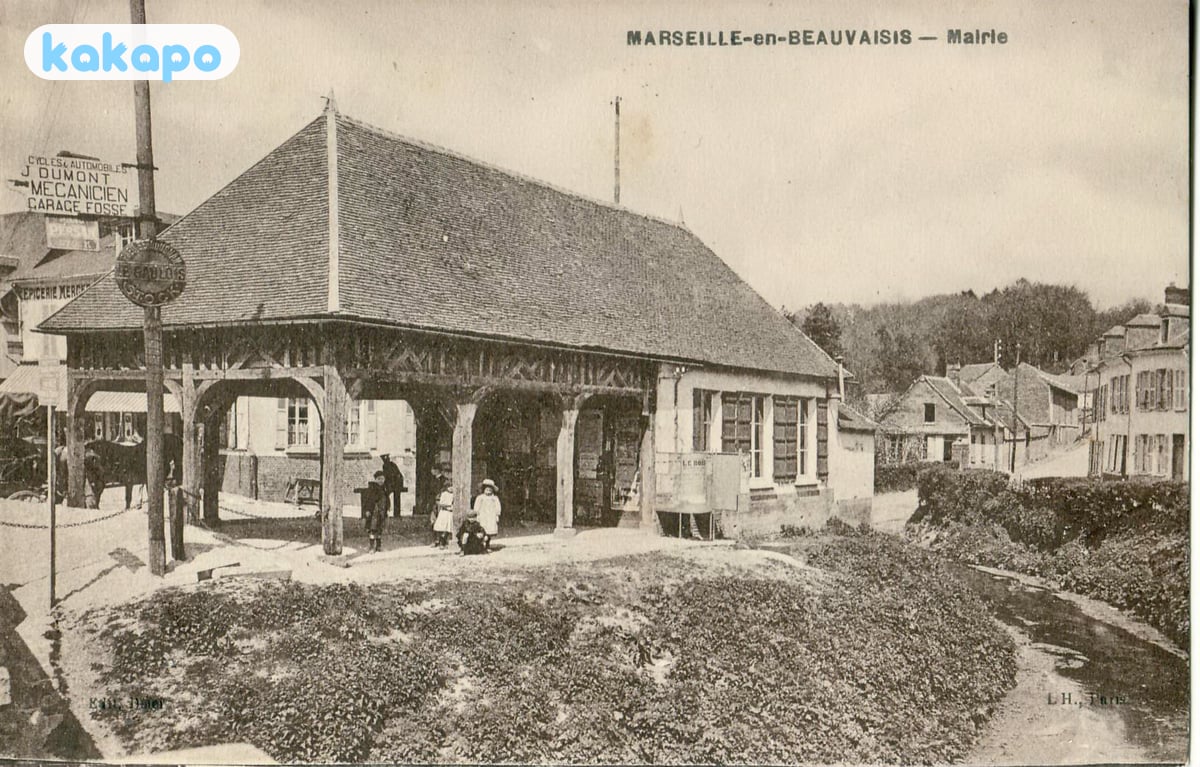
Recommended for visitors: Vieux-Port (the famous old harbour — restaurants, ferries to islands, Notre-Dame de la Garde view), Le Panier (the gentrified historic centre — narrow streets, photogenic, the MuCEM museum nearby), Cours Julien (gentrified bohemian district), La Joliette / Euroméditerranée (modern waterfront), Endoume / Pharo (residential coastal), Périer / Vauban (residential).
Visit during the day: La Plaine (gentrifying, Saturday market, lively), parts of Belsunce (multicultural, daytime busy and food-rich, but the side streets after midnight are rougher).
Avoid as a tourist: most of the 13th, 14th, 15th, and 16th arrondissements in the north (Castellane, Saint-Mauront, Plan-d'Aou) — residential districts that headline the country's drug-violence statistics. Tourists rarely have any reason to be there. La Castellane specifically.
Day trips that are very safe: Calanques National Park (boat trips from Vieux-Port), Aix-en-Provence (30 min by train — calm, beautiful), Cassis (30 min by car — calm coastal village).
The 'settlement of scores' headlines — what's actually happening
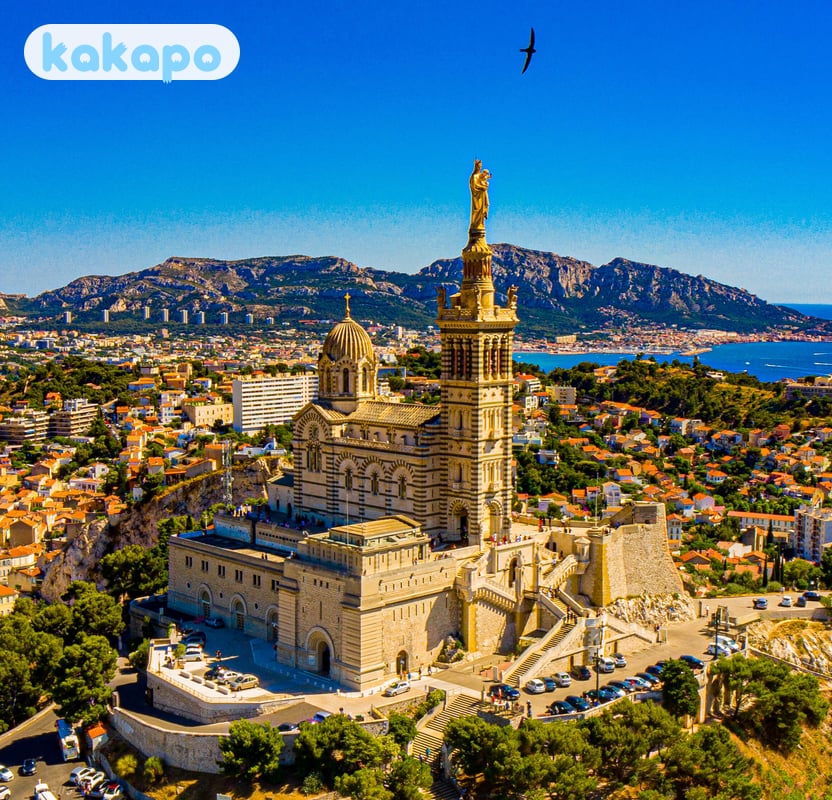
- Marseille has had a sustained high level of drug-trafficking-related homicides in the 2020s, predominantly in the northern arrondissements. French national news covers these regularly.
- Practical impact for tourists: essentially zero. The violence is geographically concentrated in residential drug-dealing districts; touristic Marseille is not where this happens.
- 2024-2026 figures: dozens of "réglements de comptes" deaths per year — almost always young men involved in the drug trade. Foreign tourist incidents are not a category in this statistic.
- What tourists experience: pickpocketing, occasional aggressive begging at Vieux-Port, smash-and-grab from rental cars left visibly loaded. Standard southern-Mediterranean awareness.
Scams + the Marseille-specific routine
- Saint-Charles station pickpockets: France's busiest station outside Paris. Peak times (08:00-10:00, 17:00-19:00) and TGV-from-Paris arrivals. Bag in front on escalators; phone zipped.
- "Bonjour, anglais?" approach on La Canebière: friendly start → petition / clipboard / aggressive donation pitch. Decline, keep walking.
- Vieux Port boat-trip touts: aggressive sellers along Quai des Belges. Real operators (Frioul If Express to the islands, the Calanques boat tours) have fixed ticket booths with posted prices.
- "Lost ring" / "found ring" gambit: someone picks up a brass ring near your feet, offers it cheap. Walk past.
- Counterfeit-perfume hawkers: along La Canebière and near Vieux Port. Fake — Marseille is the entry port for a lot of grey-market goods.
- Phone snatch from motorbike: real along the corniche and La Canebière. Don't walk at the kerb with phone in hand.
- Restaurant menus by the Vieux Port: a few places charge €40+ for a bouillabaisse that's not the real thing (real bouillabaisse uses specific local rock-fish, takes 6+ hours, and costs €60-90+ minimum). The certified Bouillabaisse Marseillaise charter restaurants are listed online; the rest is tourist gloop.
- Card-terminal DCC: always pay in EUR.
Where Marseille is fine vs where to keep your wits
Marseille has the reputation. Some of it is earned, more of it is dated. The tourist core is calmer than the headlines suggest; specific neighbourhoods do have genuine drug-trade issues — they're just not where you have any reason to be.
- Tourist-fine: Vieux Port + Le Panier (the historic centre — Le Panier is the old fishermen's quarter, now gentrified), Notre-Dame de la Garde area (the basilica + viewpoint), Cours Julien (street-art + bars, lively), Castellane / Préfecture (mid-town shopping), Vieille Charité + Joliette (the new MuCEM museum district).
- Aware after dark: La Canebière east of the Métro Noailles, around Gare Saint-Charles, parts of the Belsunce district.
- Skip entirely (no tourist reason to go): the quartiers nord (15th + 16th arrondissements) — they have well-documented drug-related violence; police data confirms most homicides happen in a handful of housing-estate streets where visitors have no reason to be. Tourist areas are 5+ km away and feel like a different city.
- Le Pharo + Endoume + 7e arrondissement: residential, calm, near the corniche.
- Aix-en-Provence day trip: 30 min by train. Totally calm.
Metro, ferries, the airport
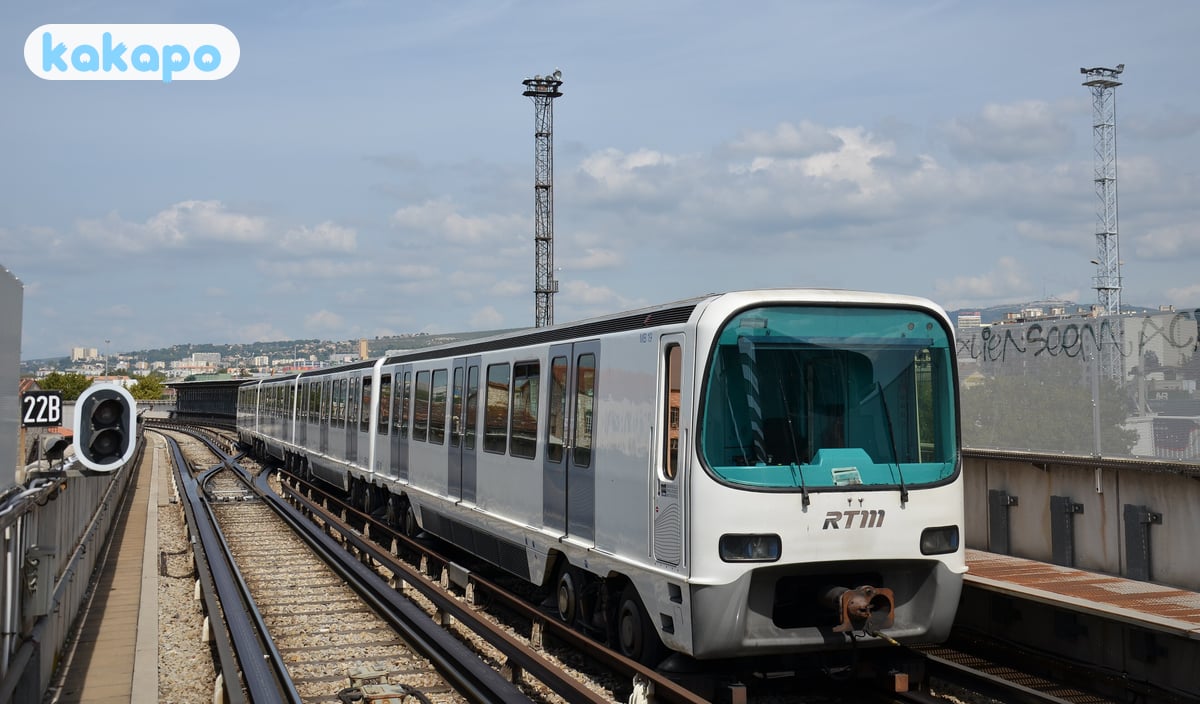
- RTM ticket: covers Metro, tram, bus, ferry. Single €1.70, day pass €5.20.
- Metro line 1 (blue): tourist-favoured (Vieux-Port to Castellane). Pickpocket-active at peak hours.
- Marseille-Provence Airport (MRS): Bus 91 to Saint-Charles station €10, ~25 min. Taxi €60 fixed-rate.
- Saint-Charles station (Gare Marseille-Saint-Charles): TGV hub. Pickpocketed; rough sleepers outside the entrance at night.
Neighbourhood-by-neighbourhood breakdown
- Vieux-Port (1st arr.) — the famous old harbour, the fish market at dawn, ferries to the islands. Heavily policed, very safe day and night. Restaurants right on Quai des Belges are tourist-priced; walk one block inland for honest pricing.
- Le Panier (2nd arr.) — the gentrified historic fishermen's quarter on the north side of Vieux-Port. Narrow lanes, street art, the Vieille Charité museum, atmospheric cafés. Very safe, lovely evening walks.
- Joliette / Euroméditerranée (2nd arr.) — north of Le Panier, the modern waterfront, MuCEM, Fort Saint-Jean, the new La Vague apartment towers. Polished, very safe.
- Notre-Dame de la Garde / Roucas Blanc (7th arr.) — south, the basilica on the hilltop, panoramic views, residential. Bus 60 from Cours Jean Ballard. Very safe.
- Cours Julien (6th arr.) — east-central, bohemian, gentrified, street-art capital, lively bar and restaurant scene. Comfortable at night with normal awareness; very safe by day.
- La Plaine / Notre-Dame-du-Mont (6th arr.) — east of Cours Julien, gentrifying, Saturday market. Lively, mostly safe.
- Castellane / Préfecture (6th arr.) — central shopping spine, modern, safe.
- Endoume / Pharo / Vallon des Auffes (7th arr.) — south coastal, residential, the tiny fishing harbour at Vallon des Auffes, the corniche. Calm, very safe, the best evening walks in Marseille.
- Belsunce (1st arr.) — multicultural district north of La Canebière, food-rich (excellent Algerian, Tunisian, Comorian cooking, Marché de Noailles). Daytime busy and rewarding; the side streets after midnight are rougher.
- Saint-Charles station area (1st-3rd arr.) — France's busiest station outside Paris. Pickpocketed; rough sleepers outside the entrance at night.
- 13th-16th arrondissements (quartiers nord) — Castellane, Saint-Mauront, Plan-d'Aou. The drug-trafficking headlines come from a handful of streets here. Residential, no tourist relevance, no reason to visit even out of curiosity.
- Calanques National Park — south-east, accessible by boat from Vieux-Port or bus to Cassis/Callelongue then hike. Spectacular, very safe (be aware of summer wildfire-closure dates; the park sometimes restricts hiking access on extreme-risk days).
If it's your first time visiting
- Best arrival airport: Marseille-Provence (MRS), 25 km north-west. To centre: bus 91 to Saint-Charles €10 in 25 min (the standard option), taxi €60 fixed-rate, or rental car if heading directly to the Calanques or Provence.
- Public transport: RTM metro (2 lines), trams and buses, plus ferries. Tap-to-pay on every reader. €1.70 single, €5.20 day pass, €13.40 three-day. Metro line 1 (blue) is the tourist line (Vieux-Port to Castellane) — pickpocket-active at peak hours.
- Best neighbourhood for your first night: Le Panier for atmosphere and walking access to Vieux-Port, Vieux-Port itself for centrality, Cours Julien for cheaper and bohemian, Endoume/Pharo for calm with sea views. Avoid first-time bookings around Saint-Charles or in Belsunce.
- Day 1, jet-lag friendly: walk Vieux-Port at golden hour, climb up through Le Panier, lunch panisse or aioli at a Le Panier bistro, MuCEM in the afternoon (free Friday evenings), late-afternoon ferry to Frioul islands or the Château d'If (€11 return), evening pastis at a Vieux-Port bar.
- Day trips: Calanques boat tour from Vieux-Port (€30-40, 3-4 hours, the highlight day-trip), Cassis village (30 min by car or bus), Aix-en-Provence (30 min by train), Avignon (1h by train). The Calanques can be hiked from Cassis or Callelongue but check wildfire-closure status on the official park website June-September.
- Common rookie mistakes: ordering "bouillabaisse" at a €25 Vieux-Port menu (the real thing is €70-90 and requires booking — Chez Fonfon, Le Miramar, Chez Michel); walking the kerb on La Canebière with phone in hand (scooter-snatch); leaving anything visible in a rental car (smash-and-grab is endemic); engaging with the "Bonjour, anglais?" opener on La Canebière (precursor to clipboard scam); wandering the 13th-16th arrondissements "to see what's real" (residential drug-territory, not your business).
- For Calanques hiking: bring 2L water per person, sun protection, proper shoes. The summer wildfire-closure rule is real and enforced.
- Tap water from the Canal de Marseille is safe. Restaurants serve "une carafe d'eau" free on request.
Practical info — emergency numbers
- European emergency: 112.
- Police: 17.
- SAMU: 15.
- Hôpital de la Timone: +33 4 91 38 00 00.
- Tourist police: at Vieux-Port; English-speaking duty officers.
Bring: a card without foreign-transaction fees, an unlocked phone (French SIM at the airport), reef-safe sunscreen, and travel insurance. Tap water is safe.
Frequently asked questions
Is Marseille safe to visit in 2026?
Yes, for the central tourist core. France sits at low advisory levels overall; Marseille-specific notes in some advisories concern the northern arrondissements (13th-16th) where drug-trafficking 'settlement of scores' violence is geographically concentrated. For tourists in Vieux-Port, Le Panier, Notre-Dame de la Garde, and the Calanques, the practical risk profile is more like Naples than the headlines suggest — pickpocketing and aggressive begging are real, tourist-targeted violence is uncommon.
Is Marseille safe at night?
Yes for the central tourist core (Vieux-Port, Le Panier, Cours Julien). Marseille's Mediterranean late dining culture keeps these areas busy and policed until late. Stay aware after dark on La Canebière east of Métro Noailles, around Saint-Charles station (rough sleepers), and parts of Belsunce. The northern arrondissements have no tourist reason to visit and shouldn't be entered after dark even by curious travellers.
Is Marseille safe for solo female travellers?
Yes with calibrated awareness. The Vieux-Port, Le Panier, and Cours Julien are comfortable solo by day and busy enough at night. Standard urban precautions: phone in front pocket on Metro line 1, no walking solo through Belsunce side streets after midnight, decline the 'Bonjour, anglais?' opener on La Canebière (precursor to clipboard or aggressive donation pitch). The Calanques day-trip experience is entirely safe.
Can you drink tap water in Marseille?
Yes. Marseille's tap water comes from the Canal de Marseille (Durance river) and Verdon reservoirs and is safe and extensively tested. Free at every restaurant on request. Refill bottles anywhere.
Is Marseille really dangerous?
Statistically yes for the city as a whole, in practice no for tourists. Marseille has had dozens of 'réglements de comptes' (drug-trafficking killings) per year through the 2020s — almost always young men involved in the drug trade, almost always in the northern arrondissements (15th, 16th — Castellane, Saint-Mauront, Plan-d'Aou). Foreign tourist incidents aren't a category in this statistic. Tourist Marseille (Vieux-Port, Le Panier, Notre-Dame de la Garde) is 5+ km away and feels like a different city. Pickpocketing and smash-and-grab from rental cars are the realistic visitor concerns, not violent crime.
How do I order real bouillabaisse and avoid the tourist version?
Look for restaurants on the certified Bouillabaisse Marseillaise Charter list (online). Real bouillabaisse uses specific local rock-fish (rascasse, congre, saint-pierre, vive), takes 6+ hours to prepare, and costs €60-90+ per person minimum — and is usually a two-night booking commitment. A few Vieux-Port restaurants charge €40 for a 'bouillabaisse' that's frozen fish stew. If it's quick, cheap, or without advance booking, it's not real. Try Chez Fonfon (Vallon des Auffes), Le Miramar, or Chez Michel.
Sources
Run a business in Marseille?
Show visitors your Marseille business is a safe choice. The free Verified by Kakapo badge puts Marseille's live safety score on your website, links back to your verified page, and updates itself. No cost.
Get the free badge →