


Is Megève, France Safe? A 2026 Travel Safety Guide
Megève is one of the French Alps' luxury villages. The honest concerns: off-piste avalanche, helicopter-rescue cover, the Mont Blanc backdrop altitude, and cobbles.

Megève is one of the French Alps' luxury ski villages — and one of Europe's safer places by ordinary-crime measure. Petty theft is essentially absent. The realistic concerns are alpine: off-piste avalanche risk in the Évasion Mont-Blanc + Megève-Rochebrune areas; the helicopter-rescue + insurance question matters more than at most ski destinations because guided off-piste is part of the brand; the village sits at 1,100 m but lifts climb to 2,485 m at Mont Joly producing altitude exposure; the cobbled pedestrian centre + the famous horse-drawn carriages share narrow lanes; and Megève cost is genuinely high (a glass of wine in a place facing the church can run €18+).
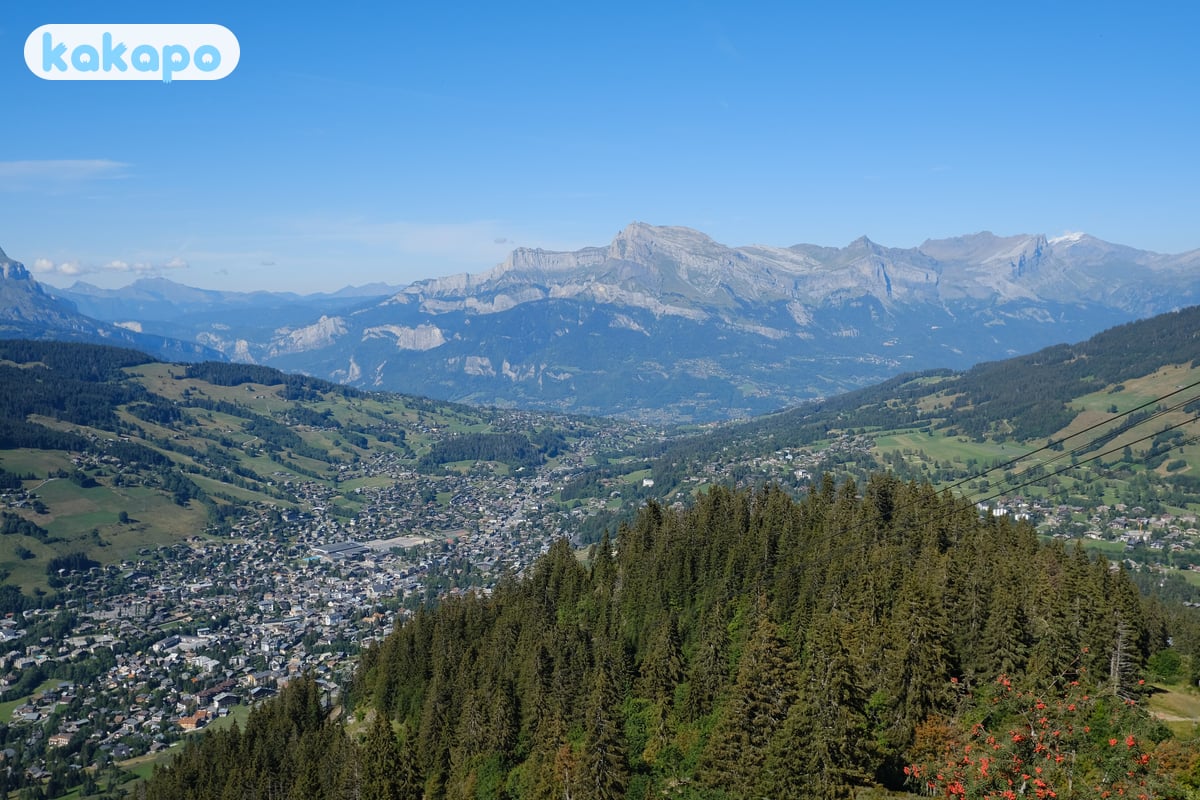
France sits at Level 2 on the US State Department advisory (terrorism, baseline). UK FCDO is similar. The honest framing for visitors: Megève was developed in the 1920s by Baroness Noémie de Rothschild as France's answer to St Moritz. It has retained an authentic Alpine village feel where Courchevel went modern. Mont Blanc visible across the valley produces some of the Alps' most photographed backdrops. Crime + violence are non-issues; budget + altitude + skiing are.
The defining experiences: the cobbled pedestrian centre + the church + place de l'Église, Mont d'Arbois cable car, Mont Joly summit hike (2,525 m), Le Jaillet ski area, summer hiking + golf, and the Saint-Gervais thermal baths. Megève sits in Haute-Savoie at 1,113 m altitude, 70 km south-east of Geneva (GVA) — the single most-convenient European luxury ski destination to fly into. The ski season runs roughly mid-December to mid-April; summer June through September is an entirely different (and quieter) alpage-hiking and trail-running destination with the same Mont Blanc backdrop. The town empties in May, June and November.
| Night safety | 86/100 |
|---|---|
| Scam / petty-crime risk | Low |
| Violent crime (tourists) | Low |
| Safer neighbourhoods | Megève village, Mont d'Arbois, Rochebrune |
| Data sources cited | 4 |
| Last verified |
What the score means — 91/100
- Air quality (94) — alpine; very high.
- Personal safety (94) — exceptionally high.
- Healthcare (86) — Centre Hospitalier Sallanches handles serious cases (15 min away); resort medical centres handle ski injuries.
- Transport (84) — buses + transfers; Sallanches train station 12 km below.
Off-piste + avalanche risk
- The reality: Évasion Mont-Blanc area (Megève + Saint-Gervais + Combloux + Les Contamines) provides 445 km of pistes + extensive off-piste. Avalanche fatalities region-wide each season.
- Météo France avalanche bulletin: daily 1-5 risk levels. Take 3+ seriously; 4-5 = don't go off-piste.
- Avalanche kit: transceiver + probe + shovel non-optional for off-piste.
- Guides (ESF Megève, BASS, UIAGM independent): €350-€500/day for guided off-piste day.
- Children + beginners: stay on-piste; the network is well-marked.
- Helmet: standard not optional.
- On-piste injury rates: 4-6 per 1,000 skier-days; knees + shoulders most common.
Altitude — the Mont Blanc backdrop
- Megève village: 1,113 m. Mild altitude effect for some.
- Mont d'Arbois: 1,827 m via cable car.
- Rochebrune: 1,754 m.
- Mont Joly: 2,525 m via lifts + 1h hike.
- Aiguille du Midi (from Chamonix 30 min east): 3,842 m. Significant altitude — AMS routine for fast climbers.
- Acclimatisation: 24-48h in Megève before pushing above 2,500 m.
- Heart conditions: above 2,500 m needs medical clearance.
- Children: under-5s should stay below 2,500 m.
Helicopter rescue + insurance
- French alpine rescue: PGHM (Peloton de Gendarmerie de Haute Montagne). Rescue can be free in some cases, charged in others.
- Helicopter rescue cost: €4,000-€10,000+ if not insured.
- Carré Neige insurance: sold with lift passes; ~€3.50/day. Covers piste + lift-accessed off-piste with a pro guide.
- UK travellers: confirm policy covers French alpine helicopter rescue. Many don't without "winter sports" upgrade.
- Insurance check: do this before the first lift.
- Hospital options: Megève medical centre handles minor; Sallanches hospital handles serious; helicopter to Annecy or Grenoble for life-threatening.
Cobbled pedestrian centre + horse carriages
- Place de l'Église: village heart; pedestrian + carriage-only.
- Cobbles: original setts; slick when wet/icy. Sturdy boots in winter.
- Horse-drawn carriages: ~€60-€90 for a 30-min ride. Charming + smelly. Cobblestones can be slippery for horses; carriages run carefully.
- Pedestrians + carriages: share the lane. Step aside when a carriage approaches.
- Falls in winter: cobbles + ice + alcohol; the most common visitor injury.
- Solo women: comfortable at any hour.
Cost — Megève prices
- Currency: euro.
- Coffee: €4-€7.
- Casual lunch: €25-€45 (mountain-restaurant lunches with a view €60+).
- Dinner midrange: €60-€120/person. Flocons de Sel (3-Michelin-star) €300+.
- Hotels: €200-€600 mid-range; €1,500-€5,000+ at Les Fermes de Marie + Four Seasons.
- Lift pass: ~€68/day; multi-day discount.
- Tipping: not required but appreciated.
- The supermarket alternative: lunch at Carrefour or Casino Megève for €12-€18 vs. €40 at a café.
Getting there — train, transfer
- Train: SNCF to Sallanches-Combloux-Megève (12 km below); transfers + buses up.
- Geneva (GVA): 70 km. Ski-bus / private transfer ~1h15m, €60-€100 shared.
- Lyon (LYS): 200 km, ~3h.
- Chambéry (CMF): 100 km.
- Driving: chains/winter tyres mandatory November-March on alpine roads.
- Megève has its own airfield: small private + helicopter use.
- In-village: walkable; free shuttle (Méli-Mélo) connects ski-areas + village.
Areas — the village, the lift-served peaks, and Mont Blanc context
- Place de l'Église + village centre — the heart of Megève: the 1085-founded church, the carriage taxi rank, the boutiques on Rue Charles Feige and Rue Saint-François, the patisseries (Cassan, Au Vieux Manoir). Cobbled, pedestrian-and-carriage-only, atmospheric at any hour. The slippery-cobbles-in-winter incident is the most common visitor injury.
- Mont d'Arbois — the 1,827 m ski + summer area south-east of the village, reached by cable car. Home of the Four Seasons Megève hotel, Les Fermes de Marie boutique, Flocons de Sel (3-Michelin-star) restaurant. Ski-in / ski-out hotel cluster.
- Rochebrune — the 1,754 m ski area immediately south of the village, the original 1933 cable-car-served peak. Le Refuge du Calvaire and the Olympic-piste training runs are here.
- Le Jaillet — the smaller third Megève ski area on the west side; quieter, more beginner-friendly, links to Combloux.
- Ski season Dec-Apr — the 445 km Évasion Mont-Blanc area (Megève + Saint-Gervais + Combloux + Les Contamines) is the largest interconnected ski domain centred on Mont Blanc. Lift pass ~€68/day. Carré Neige insurance €3.50/day with the pass — genuinely worth it for the off-piste helicopter-rescue cover.
- Summer alpage walks — June through September the lifts run for hikers + mountain bikers; the Mont Joly summit (2,525 m) is a 1h hike from the top of the Mont Joux cable car; Les Aiguilles Croches and the Lac de Pormenaz are quieter alternatives. Refuges (mountain huts) book via FFCAM.
- Geneva (GVA) 1h drive — 70 km west on the A40 + N205. Ski-bus shared transfer €60-100; private transfer €280-380; rental car €300-500/week. The single most-convenient European luxury-resort airport access.
- Sallanches-Combloux-Megève station — SNCF train station 12 km below the village in Sallanches. Transfer up by Méli-Mélo shuttle bus or private car. Direct TGV from Paris Gare de Lyon to Sallanches in 5h, then transfer.
- Saint-Gervais-les-Bains — 9 km east, the next village in the Évasion Mont-Blanc domain. Thermal baths (Les Bains du Mont-Blanc, €25-40 day pass) and the Tramway du Mont-Blanc — the highest-altitude rack railway in France, climbing to Nid d'Aigle at 2,372 m. Day trip from Megève; an excellent rainy-day plan.
- Chamonix 30 min east — the bigger, busier Mont Blanc base: Aiguille du Midi cable car climbs to 3,842 m (significant altitude — AMS is routine for fast climbers; acclimatise 24-48h first). Skip the Step into the Void glass platform if vertigo-prone.
If it's your first time visiting
- Best arrival airport: Geneva (GVA) 70 km — the practical default. Ski-bus shared transfer €60-100 / person, ~1h15m; private transfer €280-380; rental car €300-500/week. Lyon (LYS) 200 km is the alternative if you have business there first. SNCF train from Paris Gare de Lyon to Sallanches 5h then transfer up.
- Best neighbourhood for your first night: Mont d'Arbois area (Four Seasons Megève, Les Fermes de Marie, Chalet Mont d'Arbois) for ski-in/ski-out luxury; village centre (Hôtel Mont-Blanc, La Fermes du Golf, Lodge Park) for walkability and après-ski; Saint-Gervais next door for half the price with the same lift access. Avoid driving in winter without snow chains — mandatory November-March on alpine roads, enforced.
- Day 1, jet-lag friendly winter: morning ski-rental at Twinner or Skiset (€35-50/day full kit); half-day on the Mont d'Arbois beginner pistes; lunch at Auberge Le Refuge mountain restaurant (€40-60/person); afternoon descent + village stroll; aperitif at Hôtel Mont-Blanc bar; dinner Flocons de Sel (€300+) or the more-accessible Le Refuge des Gentianes (€80-100).
- Day 1, jet-lag friendly summer: Mont d'Arbois cable car (€18 round trip) for the 1h hike to Mont Joly summit (2,525 m); picnic lunch at the summit cross with the Mont Blanc backdrop; afternoon swim at the Palais des Sports complex; dinner in the village.
- Real prices in 2026: lift pass ~€68/day (€350 6-day); Carré Neige insurance €3.50/day; ski rental €35-50/day; ski lesson with ESF €50-80/hour group, €90-130 private; coffee €4-7; mid-range dinner €60-120/person; Flocons de Sel €300+; mountain-restaurant lunch with view €60+; supermarket lunch from Carrefour Megève €12-18; hotel €200-600 mid-range, €1,500-5,000+ at Les Fermes de Marie and Four Seasons; carriage taxi 30 min €60-90; PGHM helicopter rescue if uninsured €4,000-10,000+.
- Insurance — non-negotiable: French alpine rescue (PGHM) helicopter cost runs €4,000-10,000+ if you're uninsured. Carré Neige is the simplest local fix, sold with the lift pass at €3.50/day, covers piste + lift-accessed off-piste with a pro guide. UK travel policies typically don't cover French alpine helicopter rescue without a "winter sports" upgrade — check before the first lift.
- Common rookie mistakes: going off-piste above Météo France avalanche-rating level 3 without a UIAGM or BASS guide (€350-500/day); skipping helmet rental thinking you're a careful skier (knee + shoulder injuries 4-6 per 1,000 skier-days, head injury rates much worse without helmet); attempting Aiguille du Midi (3,842 m) without 24-48h acclimatisation in Megève first; renting a car without confirming chains/winter-tyres (mandatory Nov-Mar); paying restaurant prices for everything when Carrefour or Casino Megève does €12-18 lunches; underestimating high-altitude UV (SPF 50 + sunglasses even on cloudy days); booking February ski-week without realising it's French school holidays and pistes are packed.
- Bring: helmet (or rent), Carré Neige insurance enabled, layered alpine kit including face cover and goggles (not sunglasses) above 2,000 m, sturdy boots for icy cobbles in the village, refillable water bottle (Megève fontaines are alpine-spring potable unless marked "eau non potable"), and a contactless card. French alpine villages are 99% cards-and-Apple-Pay.
Practical info — emergency numbers
- European emergency: 112.
- Police: 17.
- SAMU (medical): 15.
- Mountain rescue (PGHM Haute-Savoie): 112.
- Centre Hospitalier Sallanches: +33 4 50 47 30 30.
- Météo France avalanche bulletin: meteofrance.com/meteo-montagne
Bring: helmet (or rent), ski insurance with off-piste cover, layered alpine clothing, sunglasses (UV at altitude), sturdy boots for cobbles, and a contactless card.
Frequently asked questions
Is Megève, France safe to visit in 2026?
Yes — Megève scores 90/100 here, among the highest of any French alpine destination we cover. France sits at US State Department Level 2 (terrorism baseline) and the UK FCDO is similar. Crime in this Rothschild-developed luxury village is essentially absent — petty theft is the lowest we track in the Alps. The real risks are alpine: off-piste avalanche on the 445 km Évasion Mont-Blanc area (Météo France issues daily 1-5 ratings; take 3+ seriously), altitude exposure on the lift-served peaks (Mont Joly 2,525 m, Aiguille du Midi just east at 3,842 m), helicopter-rescue cost if uninsured, and slippery cobbles plus alcohol in winter.
Is Megève safe at night?
Yes, exceptionally. The cobbled pedestrian centre around Place de l'Église is genuinely safe at any hour and solo women routinely walk the village after dinner without concern. The horse-drawn carriages still operate into the evening (€60-90 for 30 minutes) and the village retains an authentic Alpine character rather than St-Moritz nightclub volume. The honest night-time hazard isn't crime — it's the polished cobbles when wet or icy with alcohol involved, which produce the most common visitor injury in winter (a slip on the way back from a €18 glass of wine).
What's the biggest risk in Megève?
Off-piste avalanche. The Évasion Mont-Blanc area (Megève, Saint-Gervais, Combloux, Les Contamines) sees fatalities most seasons among off-piste skiers who skipped the avalanche bulletin or went without transceiver/probe/shovel. Take the Météo France daily 1-5 rating seriously, don't go off-piste above level 3 without a UIAGM or BASS guide (€350-500/day), and confirm your travel insurance covers French alpine helicopter rescue — many UK policies don't without a 'winter sports' upgrade, and a PGHM helicopter evacuation runs €4,000-10,000+ if uninsured. Carré Neige insurance is sold with lift passes for ~€3.50/day and is genuinely worth it.
Can you drink tap water in Megève?
Yes — Megève's tap water is alpine spring-fed, treated to French/EU standards and is excellent. Locals drink it without question and restaurants will bring 'une carafe d'eau' free if you ask — useful given Megève's eye-watering pricing on bottled (€8-12 for 50cl San Pellegrino is normal at the Place de l'Église). Carry a refillable bottle and use the village fontaines unless marked 'eau non potable'. At altitude the air is dry and you'll dehydrate faster than you expect; 3+ litres a day on a ski day.
How bad is the cost and is it worth it?
Megève is genuinely expensive — a coffee runs €4-7, a casual lunch €25-45, a mountain-restaurant lunch with the Mont Blanc view €60+, mid-range dinner €60-120/person, and three-Michelin Flocons de Sel sits north of €300. Mid-range hotels are €200-600/night; Les Fermes de Marie and the Four Seasons run €1,500-5,000+. The lift pass is around €68/day. The Carrefour and Casino Megève supermarkets are the locals' lunch escape (€12-18 vs €40 at a café). For the right traveller — someone who wants Alpine character without Courchevel's bling — it's the most photogenic Mont Blanc viewpoint money can buy. For the budget skier, head to Les Contamines next door instead.
Sources
Run a business in Megève?
Show visitors your Megève business is a safe choice. The free Verified by Kakapo badge puts Megève's live safety score on your website, links back to your verified page, and updates itself. No cost.
Get the free badge →