


Is London, UK Safe? A 2026 Travel Safety Guide
What's actually risky in London — pickpockets, e-scooter accidents, and the gap between newspaper headlines and tourist reality.

London is one of the most-visited cities in the world and broadly safe for tourists. The realistic risks aren't the knife-crime headlines you've read in newspapers — those incidents are concentrated in specific outer-London neighbourhoods at specific times and very rarely affect tourists. The realistic risks are pickpocketing on the Tube, opportunistic phone-snatching by moped riders on Oxford Street, and the new-since-2020 hazard of darting e-scooters.
The UK FCDO doesn't issue self-advisories (the FCDO advises British travellers going abroad, not visitors coming in), but the US State Department lists the UK at Level 2 ("exercise increased caution"), citing the residual terror baseline. Violent crime against tourists in central London is rare. Bag-grab and phone-snatch incidents are the single most-reported tourist-affecting crime, especially on Oxford Street, around Westminster Bridge, and at Borough Market.
This guide is for the tourist who's spending 3-7 days in central London. If you're moving to outer London, the safety calculations are different and more granular than we cover here.
Visiting London for the first time, the thing that catches most travellers off-guard isn't crime — it's how decentralised the city is. There's no "main square" the way there's a Times Square or a Place de la République. The interesting bits are scattered across a 30km east-west axis from Notting Hill to Shoreditch, and getting between them eats time. First-time visitors who try to "do" Westminster, the British Museum, the Tower, Camden, and Greenwich in one day end up exhausted, footsore, and convinced London is unfriendly. It isn't — it's just bigger than it photographs.
In 2026, the specific things that have changed since pre-pandemic include: the Elizabeth Line is now the default cross-London route (Heathrow to Liverpool Street in ~40 minutes for £12.80, no need for the Heathrow Express); contactless tap-in/tap-out has fully replaced the Oyster card for most visitors; the e-bike phone-snatch wave that peaked in 2023-2024 is being actively suppressed by the Met's Operation Venice but is still the dominant tourist-facing crime; ULEZ now covers all of Greater London so rental cars are an expensive headache; and the post-Brexit border queue at Heathrow has stabilised but EU/non-UK passport holders should still budget 45-60 minutes for arrival.
| Night safety | 69/100 |
|---|---|
| Scam / petty-crime risk | Medium |
| Violent crime (tourists) | Low |
| Most common scams | pickpocketing on the Tube; phone-snatching by moped riders on Oxford Street; darting e-scooters |
| Safer neighbourhoods | Westminster, Mayfair, South Kensington |
| Data sources cited | 4 |
| Last verified |
What the score means — 81/100
- Transport (88) — TfL's Tube, bus, Overground and DLR network is one of the world's most extensive. CCTV is comprehensive; Tube stations are heavily staffed.
- Healthcare (88) — NHS emergency rooms (A&E) handle anyone, free of charge for emergencies. Wait times for non-emergencies are long; private clinics fill the gap.
- Night (78) — central London is busy until late and well-policed. Outer zones quiet down.
- Personal safety (76) — moderate. Pickpocketing and bag-snatching dominate. Met Police data shows ~25,000 phone-theft incidents per year, the majority concentrated in Westminster, Camden, and the West End.
Phone snatching — the dominant tourist crime now
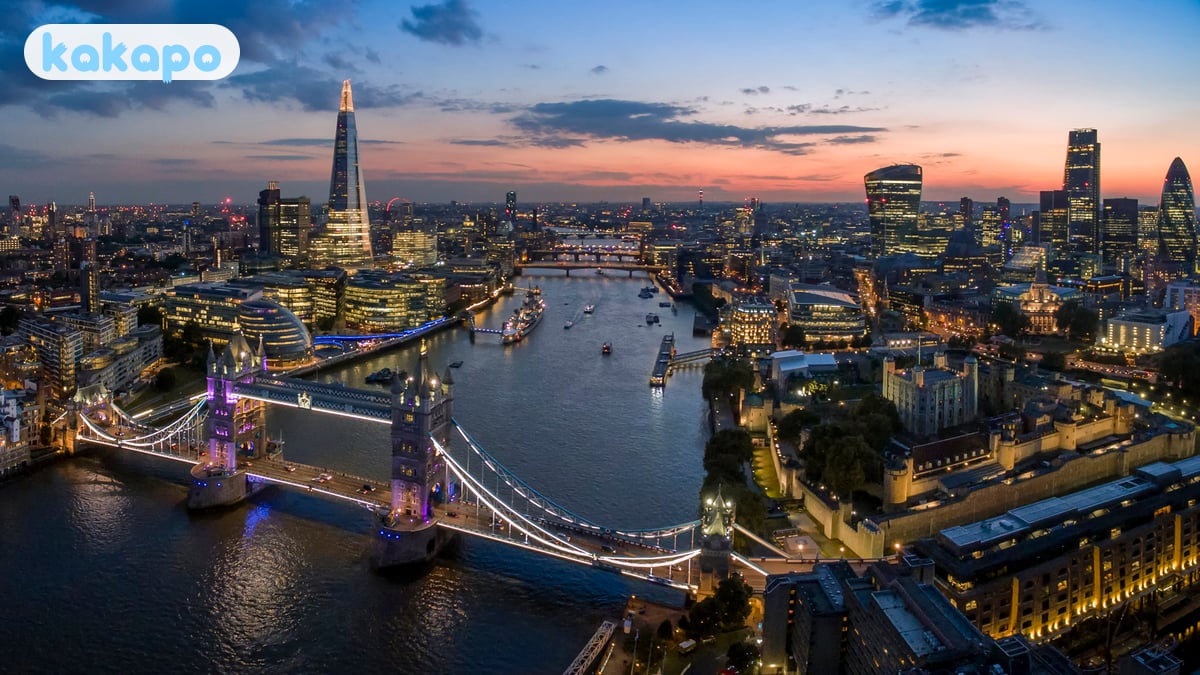
The signature London-2024-2026 crime affecting tourists is phone-snatching by moped or e-bike riders on busy pedestrian streets. The pattern: rider approaches at 30-40 km/h, snatches the phone from your hand, accelerates away. By the time you've turned around, they're 200m down the street.
- Hot zones: Oxford Street, Regent Street, the Thames Embankment between Westminster and Tower Bridge, the streets around Borough Market, the Soho main thoroughfares.
- Don't hold your phone in your hand while standing still on busy pavements. Use it from a doorway or with your back to a wall.
- Don't text and walk near the kerb. Riders work the kerb-side specifically.
- If your phone is snatched: report to police on 101 (non-emergency), use Find My iPhone / Google Find My Device to track and remote-wipe immediately, and contact your bank to freeze cards if any payment apps were active.
Tube and bus pickpockets
- Most-worked Tube lines: Central (red), Piccadilly (dark blue, the airport line), Northern (black). Pickpocket teams concentrate at Oxford Circus, Tottenham Court Road, Leicester Square, King's Cross interchanges.
- Standard precautions: phone in front pocket, daypack zipped and held in front of you on busy carriages, never put a bag on the seat next to you.
- "Mind the gap" distractions: pickpocket teams use the closing-door drama to lift a phone and step off as the doors close.
- Buses: less worked than the Tube but pickpockets do work the night-bus routes (N9, N15) used by tourists getting back from clubs.
- Tickets: contactless bank card or phone is the way to pay (no need to buy an Oyster). Tap on entry, tap on exit (Tube).
Areas — the headlines vs the actual visitor risk
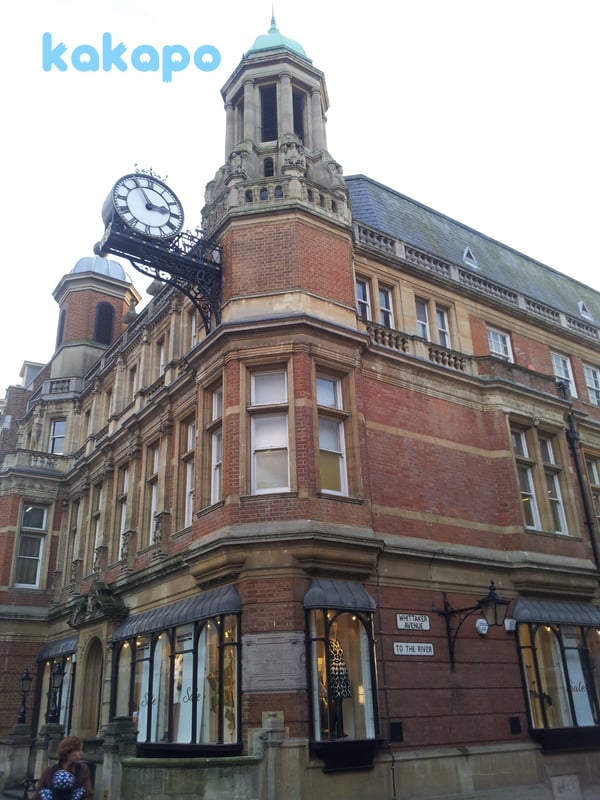
London's "dangerous areas" reputation is mostly about specific outer-London zones (parts of Hackney, Lewisham, Croydon, Newham) where serious-violence statistics concentrate. None of these are zones tourists visit.
Comfortable everywhere: Westminster, Mayfair, South Kensington, Chelsea, Kensington, Notting Hill, Fitzrovia, Bloomsbury, Marylebone, the City (the financial district — quiet at weekends but safe), Covent Garden, Soho, Shoreditch (lively, fine), Camden Town main strip, Greenwich, Richmond, Hampstead.
Bus through, don't linger after dark: parts of King's Cross / Euston (the immediate streets around the stations have low-grade rough-sleeper presence), parts of Camden Town outside the main strip, Brick Lane and surroundings late on Saturday night (busy, but the after-1am vibe gets messy).
Touristy nightlife on a Saturday — be aware: Leicester Square, Soho streets after midnight (drunken-pedestrian-knockdowns are the main risk, not crime), Covent Garden post-theatre (pickpocket density spikes).
Cycling, e-scooters, and airports
- Cycling and e-scooters: London has good cycle lanes but extreme rider/driver/pedestrian conflict in central. Helmets aren't legally required but rented Lime/Forest e-bikes don't include them. Rental e-scooters are only legal on cycle lanes/roads, not pavements — police do enforce this.
- Heathrow (LHR): Elizabeth Line is the cheapest, fastest way into central London (~£12.80, 30 min to Paddington). Heathrow Express is faster but £25-35. Black cab is £70-100. Uber/Bolt regulated and reliable.
- Gatwick (LGW): Gatwick Express to Victoria 30 min ~£20. Or slower Thameslink to St Pancras.
- Black cabs (the iconic London taxis) — strictly regulated, drivers pass "The Knowledge" exam, honest. Hailable on the street.
- Uber and Bolt — both regulated as private hire vehicles in London. Surge pricing during major events.
Neighbourhood-by-neighbourhood breakdown
- Westminster and Mayfair — Parliament, Buckingham Palace, the Royal Parks. Heavily-policed, extremely safe. Phone-snatch risk concentrated on the Westminster Bridge pavement and along Constitution Hill.
- Soho and Covent Garden — the West End theatres, restaurants, gay village. Alive until 1am, very safe, pickpocket-active in the busiest squares. The streets get sticky-floor messy after midnight on weekends but it's drunk-pedestrian energy, not menace.
- South Kensington and Chelsea — museums (V&A, Natural History, Science), embassies, expensive residential. Calm, very safe, drowns the visitor in good restaurants. The King's Road has lost its 1960s edge and is now mostly chain shops.
- Notting Hill — Portobello Market, pastel houses, low-key residential. Safe day and night. The Carnival weekend in August is the one time the area gets seriously crowd-heavy and pickpocket-active.
- Shoreditch and Hoxton — east London nightlife, street art, the gentrified end of Hackney. Safe, lively, occasional drunken scuffles late on weekends. Brick Lane after 1am on Saturday gets messy but rarely dangerous.
- Camden Town — the markets, the Lock, the music venues. The main strip is fine and well-policed; venture two streets east of the canal and you're in actual residential Camden which is also fine, just less performative.
- King's Cross and Euston — the immediate streets around the stations have low-grade rough-sleeper presence and some street drinking. The Granary Square / Coal Drops Yard development behind King's Cross is one of the safest, most pleasant zones in the city.
If it's your first time visiting
- Best arrival airport: Heathrow (LHR) for everything. Elizabeth Line to central London is £12.80 and takes 30-40 minutes to Paddington, Bond Street, Tottenham Court Road, Liverpool Street. Skip the £25-35 Heathrow Express unless you're in a hurry to Paddington specifically. Gatwick: take the Gatwick Express or Thameslink. Stansted/Luton: budget airlines, slower coach or train.
- Just use contactless. Tap your bank card or phone on the yellow reader at the Tube, bus, Overground, DLR, Elizabeth Line. No need for an Oyster. Daily cap is ~£8.50 for zones 1-2 — you won't pay more than that no matter how many trips you take.
- Best neighbourhood for your first night: Bloomsbury or Fitzrovia for central walkability, Soho for atmosphere, South Kensington for calm proximity to museums. Avoid first-time hotel bookings around King's Cross immediate-area, Earl's Court (dated and far), or "London City Airport area" (you'll be in Docklands, miles from everything).
- Day 1, jet-lag friendly: walk from Westminster Bridge to the South Bank, along to Tate Modern and the Globe, then over the Millennium Bridge to St Paul's. All flat, all walkable, all the postcard views in one stretch.
- Common rookie mistakes: standing on the left of the Tube escalator (move right or get tutted at); trying to drive a rental car in central London (ULEZ + congestion charge + impossible parking = £100+ in fees before you've moved); pronouncing "Leicester Square" phonetically (it's "Lester"); expecting US-style restaurant tipping (12.5% service is usually already added to the bill — check before tipping again); and trying to walk from Marble Arch to Tower Bridge "because it looks close" (it's 5 miles).
- Phone-snatch defence: don't walk down Oxford Street, Regent Street, the South Bank, or Soho with your phone held loosely in your hand near the kerb. Use it from a doorway with your back to a wall, or step inside a shop. Most snatches happen mid-stride from people texting while walking.
- Pub culture: order at the bar, not at the table (most pubs); pay when you order; tip is not expected (occasionally for table service in gastropubs). Pubs close at 11pm-midnight unless they have a late licence — don't expect Continental late-night drinking outside Soho and Shoreditch.
- Weather: bring layers, always. London in May or September can be 22°C and sunny by lunch and 9°C and raining by 5pm. A light waterproof packs into any bag and saves the day at least once.
Practical info — emergency numbers
- Emergency: 999 (police, fire, ambulance) or 112 (also works).
- Non-emergency police: 101.
- NHS health line (non-emergency): 111.
- British Transport Police (Tube/rail incidents): text 61016.
- Major emergency hospital: St Thomas' (Westminster), University College Hospital (Bloomsbury), King's College Hospital (Denmark Hill).
Bring: a contactless card (Tube/bus payment), comfortable shoes (London's distances are deceptive), an unlocked phone (Three, Vodafone, EE prepaid SIMs at the airport), and travel insurance — even though A&E will treat you, follow-up care for non-residents is billable.
Frequently asked questions
Is London safe to visit in 2026?
Yes. London is among the safer global capitals for visitors. The headline 2024-2026 crime issue is phone-snatch by e-bike — riders grab phones from people walking with phones in hand near the kerb. US State Department lists the UK at Level 2 (terrorism baseline). The Met Police's 'Operation Venice' targets e-bike snatch specifically since 2023.
Is the London phone-snatch problem really that bad?
Documented + widespread. Worst areas: West End (Oxford St, Soho), Westminster, South Bank, Shoreditch, Camden, Hyde Park Corner. Worst times: daylight tourist hours 11:00-19:00. Defence: don't walk talking/texting on a phone held in hand near the kerb — phone in front pocket, use earphones for navigation. Average snatch takes 1-2 seconds; chasing leads to injuries.
Is London safe at night?
Yes for central tourist areas (Westminster, Soho, Covent Garden, South Bank, City). Night Tube + buses run on weekend nights. Standard urban awareness: don't walk solo on quiet outer-zone streets at 3am; never accept an unbooked 'minicab' that approaches you on the street (the documented unlicensed-driver risk). Use black cabs, Uber, Bolt, or FreeNow.
What's the most dangerous area of London?
Most tourist-relevant central areas are heavily-policed + safe. Higher-crime outer zones (parts of Tower Hamlets, Hackney, Newham, Lambeth, Croydon) have specific gang + knife-crime patterns that don't affect visitors. Avoid the immediate areas around large drill-music videos getting filmed (genuine rare risk) + walk-around any major demonstration without engaging.
Is London safe for solo female travellers?
Yes. London ranks well on solo-female-safety indices for global capitals. Standard precautions: phone-snatch defense (don't walk talking on phone near kerb), no unbooked minicabs (always Uber/Bolt/black cab), watch drinks in nightlife (especially around Vauxhall/Shoreditch). The Tube + buses are safe + women routinely travel solo at all hours.
Can you drink tap water in London?
Yes — UK tap water is among the safest in the world. London's water is hard (mineral-rich) but safe + extensively-tested. Free at every restaurant. Refill bottles at any tap; some London squares + parks have refill fountains marked.
Should I worry about terrorism in London?
The UK's threat level has been 'Substantial' (attacks 'likely') since 2022. London has had attacks (Westminster 2017, London Bridge 2017, Streatham 2020). Visible response: armed police at airports + major train stations + Parliament + tourist landmarks. Practical day-to-day visitor impact: zero. Pre-2020 frequency has been quieter; situational awareness is the right calibration.
Recent travel news for London
All travel news →Burst pipe floods Heathrow, cutting road access to Terminals 2 and 3 in London
A leaking water pipe flooded Heathrow airport's Central Terminal Area early on Saturday, blocking road access to Terminals 2 and 3. Flights are operating normally, but passengers are being told to reach those terminals by rail only.
Mass arrests at London's Palestine Action court rallies: what visitors should expect around Westminster and Marylebone
Police arrested 77 people outside Westminster Magistrates' Court on 30 July as supporters of the banned group Palestine Action picketed the first of thousands of court hearings. The gatherings are non-violent, but they bring heavy police cordons to central London on hearing days, and expressing support for the proscribed group is a criminal offence that applies to visitors too.
Ebola scare in London: one aid worker monitored as a precaution, and what it means for visitors
A UK aid worker who had been treating patients in the Democratic Republic of the Congo is being monitored in isolation at a specialist London hospital as a highly precautionary measure. They have no symptoms, health authorities say there is no wider risk to the public, and London remains as safe for visitors as before.
Sources
Run a business in London?
Show visitors your London business is a safe choice. The free Verified by Kakapo badge puts London's live safety score on your website, links back to your verified page, and updates itself. No cost.
Get the free badge →