


Is Manchester, United Kingdom Safe? A 2026 Travel Safety Guide
Manchester is a comfortably safe major UK city. The honest concerns: weekend night-time disorder, derby-day logistics, the Piccadilly fringe, and the weather.

Manchester is a comfortably safe major UK city. Crime against tourists is low; the realistic concerns are weekend-night low-grade disorder around the Northern Quarter and Deansgate Locks, derby-day or European-night football logistics, the rougher fringe around Piccadilly Gardens and the train station, and the weather (Manchester rains noticeably more than London).
The UK sits at Level 2 on the US State Department's advisory ("exercise increased caution due to terrorism") — generic UK-level. UK FCDO carries no specific Manchester warning. The honest framing for visitors: Manchester is the UK's third-largest urban area (~2.8 million in Greater Manchester), with ordinary big-city patterns. It does not have the post-2017 lingering visible security presence that some travellers expect; the city has continued normally.
The defining experiences: the Northern Quarter (street art, independents, bars), Castlefield + Deansgate, the football pilgrimages (Old Trafford for Manchester United, Etihad for Manchester City, plus the National Football Museum), and the Salford Quays / MediaCity / Imperial War Museum North cluster.
The geography first-time visitors should learn: Greater Manchester is administratively 10 boroughs (Manchester, Salford, Trafford, Bury, Bolton, Rochdale, Oldham, Tameside, Stockport, Wigan), all linked by the Metrolink tram network. The "Manchester" most visitors mean is really a 1-mile triangle: Piccadilly station at the east, Deansgate to the west, Victoria station at the north. Inside that triangle you have the Northern Quarter (the bohemian-creative grid north of Piccadilly Gardens — Stevenson Square, Tib Street, Thomas Street); the Gay Village along Canal Street; Spinningfields (the glassy financial district); and Castlefield (the canal basin with the Roman ruins). The two football grounds sit outside the triangle — Old Trafford 2 miles south-west via Metrolink, the Etihad 2 miles east. MediaCityUK and Salford Quays are 20 minutes west by tram, technically in Salford, the home of BBC North and ITV.
In 2026, the specific things that have changed since pre-pandemic include: the Bee Network has fully integrated tram + bus + (from 2026) commuter rail into a single contactless tap-to-pay capped fare (£2 single bus, £4 single tram zone 1-3, £6 day all-zones); the post-Arena-bombing security architecture has become invisible but is real (visible armed police remain at Piccadilly and the Arndale); the "Co-op Live" 23,500-seat arena opened in 2024 and is now the city's main big-ticket venue; the Northern Quarter has lost some of its grimier-edge independents to gentrification but Stevenson Square remains the live-music and street-food core; and the Manchester derby and major Champions League nights at the Etihad now use Metrolink "match-day" timetables with police segregation announcements at the station.
| Night safety | 68/100 |
|---|---|
| Scam / petty-crime risk | Medium |
| Violent crime (tourists) | Low |
| Most common scams | counterfeit tickets near football grounds; bag-snatch on Deansgate; aggressive begging around Piccadilly Gardens |
| Safer neighbourhoods | Northern Quarter, Ancoats, Castlefield |
| Data sources cited | 4 |
| Last verified |
What the score means — 80/100
- Healthcare (86) — Manchester Royal Infirmary + the larger NHS network.
- Transport (84) — Metrolink trams, dense buses, two main stations (Piccadilly + Victoria), airport in 25 min by train.
- Air quality (80) — generally OK; the inner ring road A57(M) corridor pushes NO₂ up at rush hour.
- Personal safety (78) — moderate-high. Weekend-night drunk-and-disorderly + bag-snatch are the main tourist concerns.
Weekend nights — Northern Quarter and Deansgate
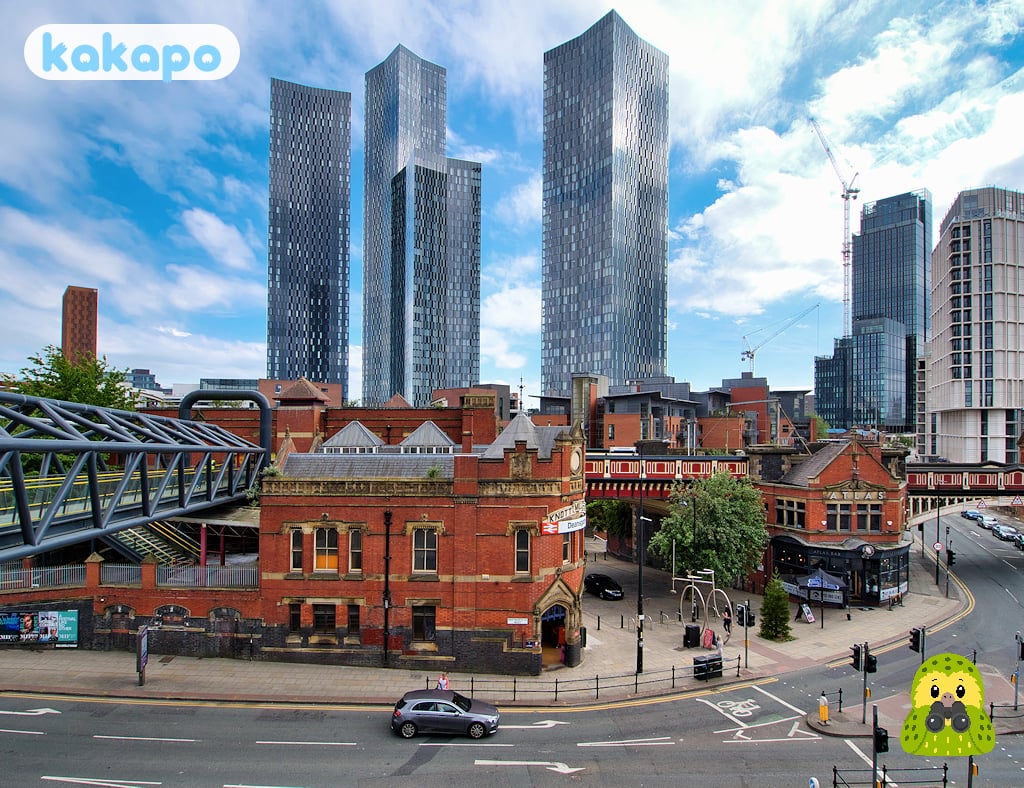
- The reality: Manchester is a major Friday/Saturday night-out city for the whole northwest. The Northern Quarter, Deansgate Locks, the Printworks, and Spinningfields fill from 9pm.
- What you'll see: hen and stag parties, pre-loaded drinkers, occasional pavement vomit, occasional late-night scuffles around closing time (3am).
- Most is noisy not violent: police presence is heavy on weekends.
- Drink-spiking: a real concern in UK nightlife generally; Manchester police run "Stamp Out Spiking" campaigns. Watch your drink, particularly in larger anonymous bars.
- Bag-snatch + phone-snatch: bicycle snatches on Deansgate have happened. Don't text on the curb.
- If you want a quieter night: Ancoats and Castlefield are calmer with good food.
Piccadilly station and Piccadilly Gardens — the rough fringe
- The reality: the area immediately around Piccadilly Gardens has long been the city's most visible homelessness, drug, and anti-social-behaviour fringe. Aggressive begging, occasional public drug use.
- Daytime through Piccadilly: fine for a foreigner walking through with normal awareness. Police presence is heavy.
- Late at night: solo travellers may want to take a tram or Bolt rather than walk through Piccadilly Gardens after midnight.
- Piccadilly station: the building itself is fine and policed. Piccadilly Approach (the road outside) is where the rougher edge is.
- Cathedral Gardens / Victoria station: similar fringe, smaller scale.
- Don't engage with begging: many requests at the station are professional; the city has signposted homelessness charities for genuine help.
Football match days — the logistics
- Old Trafford (Man United): 75,000 capacity. Match days dominate the M16/Stretford area; tram fills 2 hours before and after.
- Etihad (Man City): 53,000, growing. Same crowd dynamics on the east side via tram blue line.
- The Manchester derby: police-managed event with extensive segregation. Avoid United-coloured shirts in City pubs and vice versa, especially the day of.
- European nights: visiting fans add complexity. Police do their job; tourists generally aren't targeted.
- Stadium tours: both clubs run them when no match is on. Old Trafford tour £30, Etihad £25.
- Match day Bolt prices: surge sharply 90 min after final whistle. Walk to a tram first.
- Counterfeit tickets: in the streets near grounds match-day. Buy from official channels only.
Trams, buses, the airport

- Metrolink: the tram network. £2 single (zone 1), £4.80 day-saver. Tap a contactless card.
- Buses: re-regulated (Bee Network). Single £2 capped, contactless.
- Manchester Airport (MAN): train Piccadilly ↔ MAN £6, ~25 min. Tram blue line same trip ~50 min, £4.80.
- Trains to London: Avanti West Coast Manchester Piccadilly ↔ London Euston 2h10m. Advance fares £30-90.
- Black cabs + Bolt + Uber: all available. Use registered private hire — apps preferred over street-flagged minicabs.
- Cycling: cycle network growing but inner-ring traffic is busy. Bee Network bike share works.
Weather — yes, more than London
- Rain: ~150 days/year, ~860 mm. Reputation is real; not catastrophic.
- Temperatures: 2-7°C winter, 17-22°C summer. Heatwaves push 30°C briefly.
- Bring a waterproof shell; an umbrella is fine in light rain but the wind off the Pennines flattens cheap ones.
- Best months: May-September. December for the Manchester Christmas Markets.
- Air pollution: improving but the M60 corridor and inner ring days push NO₂ up; sensitive lungs may notice on still cold winter days.
Money, tipping, food
- Currency: pound sterling (£). Cards everywhere; the UK is essentially cashless.
- Tipping: 10-12.5% in restaurants if service charge isn't included. Pubs: optional, less common.
- Cost: hotels £100-£250/night; central Apt rates rising fast since 2023.
- Local food: Curry Mile (Wilmslow Road, Rusholme), Indian + Pakistani restaurants — among UK's best. Manchester tart, parkin, Eccles cake.
- Ancoats: the modern food destination. Mana, Erst, Higher Ground.
- Tap water: safe.
Neighbourhood-by-neighbourhood — Northern Quarter to Salford Quays

- Northern Quarter — the bohemian-creative grid north of Piccadilly Gardens (Stevenson Square, Tib Street, Thomas Street, Oldham Street). Vinyl shops (Piccadilly Records), street art (the David Bowie mural, the bee murals), independent bars (Cane & Grain, The Castle Hotel, Common), the Northern Soul morning queues at Mackie Mayor food hall. Genuinely safe, busy until late, the bag-snatch is the main awareness item rather than violence.
- Deansgate + Spinningfields — the financial spine running south from the cathedral. Deansgate Locks is the Friday-Saturday bar strip (Revolution, Albert's Schloss); Spinningfields is the glassy lunch/cocktail district (The Ivy, 20 Stories rooftop). Heavily policed, the noisier weekend stag/hen energy concentrates here.
- Castlefield — the canal basin southwest of the centre with the Roman ruins, the Bridgewater Canal, and the Y Club. Castlefield Bowl outdoor venue. Quieter, more residential, good food (The Wharf, Dukes 92). Walkable from Deansgate.
- Salford Quays + MediaCityUK — 20 min west by Metrolink (blue line). BBC North, ITV's Coronation Street set, the Imperial War Museum North (Daniel Libeskind's sliced-shard building), the Lowry Theatre. Modern, quiet, family-friendly. Tram from Cornbrook.
- Curry Mile (Rusholme) — Wilmslow Road south of the centre, the 1km strip of Indian, Pakistani and Bangladeshi restaurants (Mughli, This & That, Akbar's). Among the UK's best curry concentrations. Bus 142/143 from Piccadilly Gardens, or 15-min Bolt. Worth the trip; the vibe is family-restaurant, not party-strip.
- Piccadilly Gardens + Piccadilly station — the central transport hub, also the city's most visible homelessness and anti-social-behaviour fringe. Heavily policed; daytime walk-through is fine; solo travellers should take a tram or Bolt through Piccadilly Gardens after midnight.
- Ancoats — the post-industrial neighbourhood east of the Northern Quarter that became the city's foodie destination (Mana — the first Manchester Michelin star in 40 years, Erst, Higher Ground, Pollen Bakery). Quiet residential evenings, no rowdy nightlife.
- Etihad Stadium + Old Trafford — the two football grounds. Etihad (Man City, 53,000) is east via Metrolink blue line, Old Trafford (Man United, 75,000) is southwest via grey line (Old Trafford or Trafford Bar stop). Match days dominate trams 2 hours either side. Counterfeit-ticket sellers work the streets near both — buy official only.
- Metrolink trams — the city's pride. £2-4.80 single zones, contactless tap-to-pay, runs to MAN airport in 50 min (£4.80). The "Bee Network" branding now covers tram + bus + (from 2026) commuter rail under a single capped contactless system.
If it's your first time visiting
- From Manchester Airport (MAN), take the train, not the tram. Train MAN ↔ Piccadilly £6, 25 min, every 10 min. Metrolink blue line tram is £4.80 but takes 50 min. Black cab £35-50; Bolt £25-40.
- Use Bee Network tap-to-pay on trams and buses. Tram £2-4.80 single zones, day cap £6 all-zones. Bus £2 capped single anywhere in Greater Manchester. Just tap your contactless card on the reader and tap off — daily cap is automatic.
- For the football: Old Trafford tour £30, Etihad tour £25. Both clubs run them when no match is on. Match-day tickets via official channels only (manutd.com, mancity.com) — the street touts at both grounds sell counterfeits.
- Curry Mile is a 15-min Bolt or bus 142/143 from Piccadilly Gardens — go. Mughli for the Pakistani BBQ (£18-30 a head), This & That for the £6 "rice & 3" lunch counter, Akbar's for the family-blowout naans the size of pillows.
- Best Northern Quarter food: Mackie Mayor food hall (open from 09:00), and Hatch (the shipping-container street-food village under the Mancunian Way). Both £8-15 a plate, completely safe, walk-in.
- Weekend nights: avoid Deansgate Locks after 23:00 if you don't want the hen/stag energy. Quieter alternatives: Ancoats (Mana, Erst), the Northern Quarter speakeasies (Cottonopolis, Cane & Grain), the Castlefield canal-side pubs.
- Don't engage with begging at Piccadilly Gardens or station. Many requests are professional. The city signposts homelessness charities (Mustard Tree, the Booth Centre) for people who want to give meaningfully.
- Bring a waterproof shell — Manchester rains ~150 days/year. Reputation is real but not catastrophic. Cheap umbrellas flip in the Pennine wind; a hood is better.
- Tap water is safe, soft, and from Lake District reservoirs. Restaurants serve it free on request. The hard-water descaling routine you might know from London isn't necessary here.
Practical info — emergency numbers
- Emergency: 999 (or 112).
- Police non-emergency: 101.
- NHS non-emergency: 111.
- Manchester Royal Infirmary A&E: 0161 276 1234.
- UK textphone for deaf: 18000 (emergency) or text to 999 if registered.
Bring: a waterproof shell, layered clothing year-round, a contactless card, an unlocked phone (Three, EE, O2, Vodafone UK prepaid), and travel insurance with NHS + private cover (NHS treats emergencies; non-residents may be billed for follow-up).
Frequently asked questions
Is Manchester safe to visit in 2026?
Yes. Manchester is a comfortably safe major UK city. US State Department lists the UK at Level 2 (terrorism baseline) and UK FCDO carries no specific Manchester warning. The realistic concerns are weekend-night low-grade disorder around the Northern Quarter and Deansgate Locks, derby-day football logistics, and the rougher fringe around Piccadilly Gardens — not violent crime against tourists.
Is Manchester safe at night?
Yes for central areas (Northern Quarter, Spinningfields, Castlefield, Ancoats). Weekend nights from 9pm bring hen and stag parties, pre-loaders, and occasional 3am scuffles at closing — most noise is alcohol-fuelled not violent. Drink-spiking is a real UK-wide concern; watch your drink. Solo travellers should take a tram or Bolt through Piccadilly Gardens after midnight rather than walking.
Is Manchester safe for solo female travellers?
Yes. Manchester is broadly safe for solo women with standard urban awareness. Greater Manchester Police run 'Stamp Out Spiking' campaigns; stick to busier bars, watch your drink. Use Bolt or registered private hire over street-flagged minicabs. The Northern Quarter is well-lit and busy until late; quieter outer streets are best paired with a rideshare.
Can you drink tap water in Manchester?
Yes. UK tap water is extensively tested and among the safest globally. Manchester's water comes from Lake District reservoirs and is soft (less mineral than London's). Free at every restaurant on request.
Are football match days dangerous?
No, but they're logistically intense. Old Trafford (75,000) and the Etihad (53,000) dominate tram lines for hours either side of kick-off. The Manchester derby is police-managed with extensive segregation — avoid wearing United colours in City pubs and vice versa on derby day. Counterfeit-ticket sellers work the streets near the grounds; buy from official channels only. Tourists generally aren't targeted.
How bad is the Piccadilly Gardens area?
Visibly rough but not particularly violent. Aggressive begging, occasional public drug use, and visible homelessness concentrate around Piccadilly Gardens, Piccadilly Approach, and Cathedral Gardens. Daytime walk-through is fine with normal awareness; solo travellers should consider tram or rideshare after midnight. Piccadilly station itself is fine and policed.
Sources
Run a business in Manchester?
Show visitors your Manchester business is a safe choice. The free Verified by Kakapo badge puts Manchester's live safety score on your website, links back to your verified page, and updates itself. No cost.
Get the free badge →