


Is Lake Como, Italy Safe? A 2026 Travel Safety Guide
The narrow lakeside roads, the ferry network, the cold lake water, the celebrity-villa context, and the realistic risks of Italy's most upmarket lake.

Lake Como is one of Italy's safer destinations for tourists. Crime against visitors is rare; the small lakeside towns are tightly-policed and tourism-dependent.
The realistic risks for visitors are the famously narrow lakeside SS340 road (especially around Argegno and Bellagio — where two cars can barely pass and tourist drivers stress everyone), the ferry timetables (missing the last boat back to your hotel is a real cause of "stranded with €200 taxi" stories), the surprisingly cold lake water (15-22°C even in summer at the surface; much colder if you go below), and occasional severe summer thunderstorms over the alpine catchment.
Italy sits at Level 2 on the US State Department's advisory list (terrorism). UK FCDO is similar. The honest framing for first-time visitors: Lake Como isn't a city — it's a 46-km Y-shaped lake with dozens of small towns. Como (south-west, the largest town, the rail hub from Milan), Bellagio (the iconic peninsula village), Varenna (east shore, romantic), Menaggio (west shore, family-friendly), Tremezzo (Villa Carlotta) are the main bases. Most visitors do day trips around the central "Centro Lago" using the ferries.
| Night safety | 75/100 |
|---|---|
| Scam / petty-crime risk | Low |
| Violent crime (tourists) | Low |
| Most common scams | missing last ferry back to hotel; narrow SS340 road around Argegno and Bellagio; wild swimming from rocks |
| Safer neighbourhoods | Como, Varenna, Menaggio |
| Data sources cited | 4 |
| Last verified |
What the score means — 92/100
- Personal safety (90) — extraordinarily high. Crime is rare in the lake towns.
- Air quality (88) — clean by Po Valley standards; the lake breeze helps.
- Healthcare (86) — Sant'Anna Hospital (Como) is the main facility; serious cases evacuate to Milan (1 hour).
- Transport (84) — ferries are the lifeline; roads are narrow.
The SS340 — Italy's most-stressful tourist road
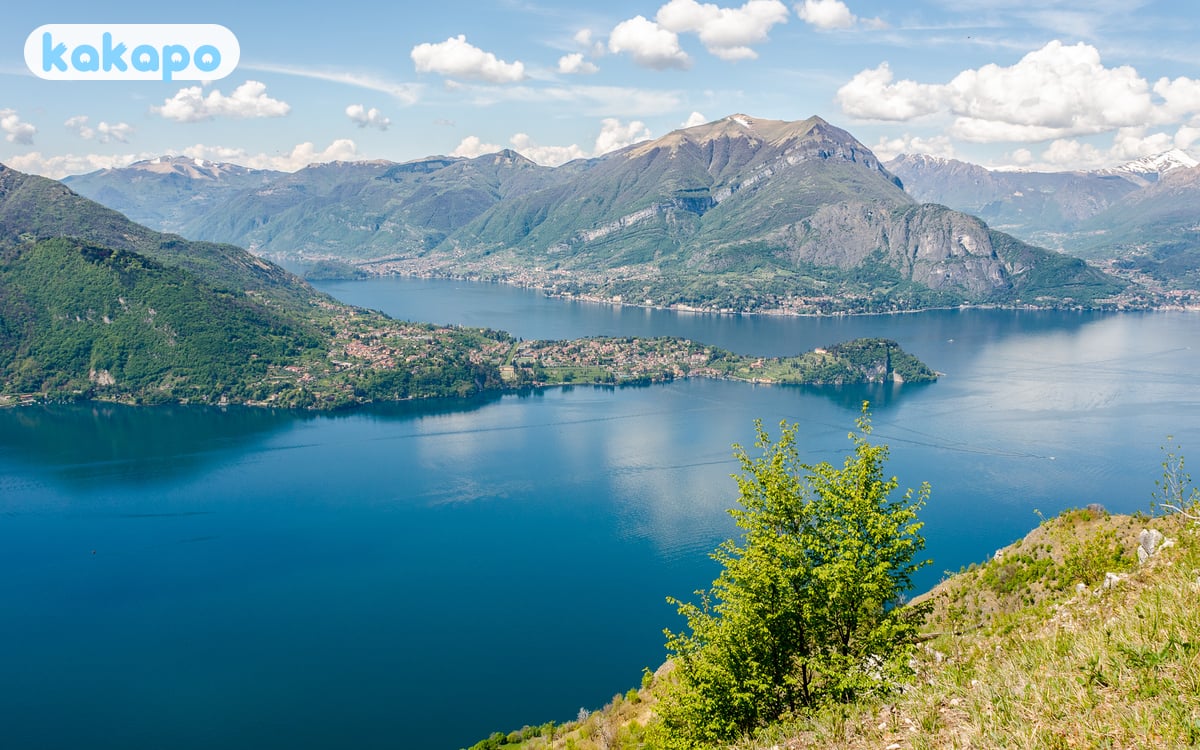
- The SS340: the road that hugs the western shore. In places it's a single lane each way with a wall on one side and a cliff on the other — no shoulder.
- Tourist drivers: stress the locals (slow, hesitant). Locals in turn drive faster than tourists expect, including overtaking on blind corners.
- The Argegno bottleneck: through the village, two large cars literally can't pass. One reverses.
- Tunnels: many. Headlights on at all times. Some have no shoulders.
- Don't drive after wine tastings: police checkpoints are routine; Italian DUI is strict.
- If you're not confident: take ferries instead. They cover the same routes.
- Cycling the SS340: yes, possible; demanding and dangerous in tourist season because of the road's narrowness.
Ferries — the lifeline and the last-boat issue
- Navigazione Laghi: the public ferry operator. Routes link all the major towns.
- Boat types: slow public ferries (cheaper, scenic), fast hydrofoils (~30% faster, surcharge), private water-taxis (€100+/short hop).
- Tickets: at every dock; €5-15 typical for short hops; day pass €23.40.
- Last ferry: critically important to know. Many routes have a last-departure of 7-9pm in summer, much earlier in winter. Miss it and you're paying €100-300 for a private water taxi.
- Schedule changes: posted on Navigazione Laghi's site. Service runs reduced winter timetables.
- Bellagio-Varenna: the most photographed ferry crossing.
- Don't book a hotel on the opposite shore from your evening dinner reservation without checking the last-ferry schedule.
Swimming — colder than people expect
- Surface temperature: 15°C in May, 22-24°C in August at warmest. Below 5 m it's much colder year-round.
- Cold-water shock: jumping into Como in May/June can cause involuntary gasping. Acclimatise gradually.
- Lidos (swimming areas): most towns have one. Lifeguarded, with floating boundaries.
- Wild swimming from rocks: legal but riskier — slippery rocks, deep water immediately offshore.
- Boats and swimmers: don't swim in the busy ferry channel. Stay close to shore.
- Water quality: monitored. Generally good; occasionally a beach is flagged after rainfall washes from agricultural areas.
- The lake bottom: drops fast. 410 m at its deepest — Europe's deepest lake.
Weather — sudden alpine storms
- Summer thunderstorms: form quickly over the alpine catchment, descend on the lake within 30 min.
- Boating: heed the local "Brevisana" (light morning south wind) and "Tivano" (afternoon north wind) patterns. Severe storms are signposted.
- Hiking the surrounding mountains: the Greenway del Lago (35 km west-shore trail) is fine; mountain hikes (Monte San Primo, Monte Grona) need standard alpine prep — water, layers, weather check.
- Don't be on the lake during a thunderstorm: open boats, lightning. Head for the nearest dock.
Celebrity villas — and the visitor reality
- Lake Como's celebrity factor: George Clooney (Villa Oleandra, Laglio), Matt Bellamy, Versace family, etc. Real but mostly invisible to tourists.
- Don't try to find Clooney's villa: there's no public access; security is real. Boat tours that promise "Clooney's villa from the water" deliver a distant view of the gate.
- The villas you can visit: Villa Carlotta (Tremezzo), Villa del Balbianello (Lenno — featured in Star Wars II and Casino Royale), Villa Melzi (Bellagio), Villa Monastero (Varenna).
- Wedding traffic: Lake Como is now Italy's most popular destination wedding location. Some smaller venues book out 18+ months ahead.
Money, food, the cost story
- Currency: Euro (€). Card-friendly.
- Cost: Lake Como is expensive. Mid-range dinner €40-70/person. Boutique hotels €250-600/night.
- Tap water: safe.
- Local specialties: missoltini (cured fish), risotto al pesce persico, polenta uncia, Como-side wines.
- Tipping: 5-10%; coperto €2-4/person at sit-down restaurants is standard.
Towns of the lake — where to base yourself
- Como (south-west) — the lake's largest town and the rail terminus from Milan (Trenord regional 60 min €5; Trenitalia EuroCity to Como San Giovanni 35 min €13). The walled medieval centre, Duomo, Piazza Cavour on the waterfront, and the Brunate funicular (€7 return). Best base if you want hotels under €150/night, late-night restaurants, and ferry access without wedding-photographer crowds. Como Nord Lago station (right on the water) is the more useful one for first arrivals.
- Bellagio — the iconic peninsula at the Y-junction of the lake's three arms. Cobbled stair-streets (Salita Serbelloni, Salita Mella), Villa Melzi gardens (€9), Villa Serbelloni overlooking. Stay here (€250-700/night) if you want the postcard at your front door; day-trippers descend 11:00-17:00, the evenings are genuinely lovely. Hotel Florence and Hotel Belvedere are the long-standing institutions.
- Varenna (east shore) — the rail-and-ferry sweet spot. Trenord from Milano Centrale to Varenna-Esino in 60 min (€7) puts you on the lake without a transfer, and the Bellagio ferry crosses in 15 min (€5.40). Pedestrian lakeside walk (Passeggiata degli Innamorati), Villa Monastero gardens (€10), Castello di Vezio (falconry shows, €4). Smaller and quieter than Bellagio; rooms €150-350.
- Menaggio (west shore) — family-friendly, flatter than the other towns, the swimming lido (€8) and the start of the Greenway del Lago 35 km walking trail. Buses run from here over the mountain to Lugano in Switzerland (45 min, €5). Rooms €120-280; Grand Hotel Menaggio is the period choice.
- Tremezzo + Lenno (west, Centro Lago) — home to Villa Carlotta (botanical gardens and art, €15) and Villa del Balbianello (Star Wars II and Casino Royale, €22 with timed entry, accessed by walk or €10 boat from Lenno). The Grand Hotel Tremezzo (€700-2,500) is the celebrity-spot lodging.
- Lecco (south-east) — the lake's underrated other rail terminus, on the eastern leg. Less manicured, more workaday, Manzoni's hometown. Rooms €80-180; the Resegone mountain hikes start here. Good base if you want lake views without the tourist mark-up.
- Laglio — the lakeside hamlet that contains Villa Oleandra (George Clooney's house). There's nothing for tourists here beyond passing the gate on the SS340; security is real and patrols are constant during weddings and family visits. Stay or eat elsewhere.
- Cernobbio — just north of Como town, home of Villa d'Este (the legendary 5-star, €1,200+ a night) and Villa Erba. A short bus or ferry from Como city; quiet, manicured, no late-night life.
- Argegno + Nesso — the narrow western shore villages between Como and Tremezzo. Argegno's cable car climbs to Pigra (€6) for one of the lake's best free panoramas; Nesso's Orrido waterfall plunges into the lake from a 200m cliff. Both are bus stops or boat halts rather than overnight bases.
If it's your first time visiting
- Best arrival: Milan Malpensa (MXP) to Como via the Malpensa Express to Saronno then Trenord to Como Nord Lago (~90 min, €13 total) — or direct shuttle bus to Como (€18, 60 min). Milan Linate (LIN) is closer to the city but no direct rail; take a taxi to Centrale (€25, 25 min) then Trenitalia to Como San Giovanni (35 min, €13). Bergamo Orio al Serio (BGY) is the Ryanair option — bus to Bergamo station, train via Lecco to Varenna (90 min).
- Best neighbourhood for your first night: Varenna for first-timers wanting the postcard with minimum logistics — direct train from Milan, ferries to Bellagio and Menaggio, walkable to dinner. Bellagio if you've splurged and want to wake up in the photograph. Como city if you want a real Italian town with the lake as a feature rather than the whole show.
- Buy a one-day or three-day ferry pass (Navigazione Laghi, €23.40 day Centro Lago zone, €43 three-day). The day-pass model is much cheaper than per-hop tickets if you want to do Varenna-Bellagio-Menaggio-Tremezzo in one circuit. Check the schedule rigorously: last departures are 19:00-21:00 in summer and as early as 17:00 in shoulder season.
- Don't drive if you don't have to. The SS340 between Como and Tremezzo is genuinely stressful — single lane each way with stone walls and tunnels, and the Argegno bottleneck where two cars literally cannot pass. Parking in Bellagio, Varenna and Menaggio is €4-6/hour in lots that fill by 10:30. Trains + ferries cover every village a first-timer wants to see.
- The classic 3-day loop: Day 1 Como city (Duomo, Brunate funicular, slow ferry up to Bellagio with stops); Day 2 Bellagio + Villa Melzi morning, ferry to Varenna for lunch and Villa Monastero, ferry back; Day 3 Tremezzo for Villa Carlotta, walk or boat to Villa del Balbianello in Lenno, return.
- Eat where the menu is in Italian only. Lake Como has the standard tourist-trap pattern: lakeside restaurants in Bellagio and Varenna charge €40-70/head for forgettable food while genuine trattorias one cobbled street back charge €25-40 for the real missoltini, polenta uncia, risotto al pesce persico. La Punta in Bellagio, Il Cavatappi in Varenna, La Vecchia Varenna for the lakeside upgrade.
- Swim cautiously the first time. Surface temp is 15°C in May and 22-24°C in August; below 5m it's much colder year-round. Cold-water shock causes involuntary gasping — wade in, don't dive. Stick to organised lidos (Menaggio, Lenno, Onno) for lifeguarded swimming; the lake bottom drops fast to Europe's deepest depth (410m) and currents around ferry channels are real.
- Common rookie mistakes: booking a dinner reservation across the lake without checking the last ferry (€100-300 water-taxi recovery); driving into Bellagio in August (the village is essentially pedestrianised at peak, park-and-ride at San Giovanni); expecting Clooney sightings on Villa Oleandra boat tours (you see the gate, that's it); under-dressing for evening ferry rides (the lake breeze drops temperature 8-10°C after sunset); arriving by Frecciarossa at Como San Giovanni and assuming you can walk to the lake (it's 1.5km downhill — Como Nord Lago is the lakeside station).
Practical info — emergency numbers
- European emergency: 112.
- Carabinieri: 112.
- Ambulance: 118.
- Lake rescue: 112 will dispatch.
- Sant'Anna Hospital, Como: +39 031 5851.
Bring: comfortable walking shoes (lakeside towns are stair-heavy), a light layer for evening boat rides, an unlocked phone (Iliad, TIM, Vodafone Italia), and travel insurance documentation. Plan ferry returns before booking dinner across the lake.
Frequently asked questions
Is Lake Como safe to visit in 2026?
Yes. Lake Como scores 88/100 and is one of Italy's safer destinations — small, tightly-policed, tourism-dependent lakeside towns where reputation matters. Italy sits at US State Department Level 2 (baseline terrorism caveat); UK FCDO is similar. Crime against tourists is rare. The realistic risks are environmental and logistical: the famously narrow lakeside SS340 road around Argegno and Bellagio where two cars can barely pass; ferry timetables and missed-last-boat scenarios that strand visitors with €100-300 water-taxi bills; surprisingly cold lake water (15-22°C surface, much colder below 5m); and occasional severe summer thunderstorms over the Alpine catchment.
Is Lake Como safe at night?
Yes — the small towns (Bellagio, Varenna, Menaggio, Tremezzo) are essentially crime-free at night. The streets are well-lit on the waterfront strips, restaurants serve late, and locals walk home routinely. The nighttime concern isn't safety, it's logistics: ferries stop running early (most last departures 7-9pm in summer, earlier off-season) and you'll find yourself stuck on the wrong shore from your hotel. Always check the Navigazione Laghi schedule before booking a cross-lake dinner reservation. Como town (the largest, at the south-west corner) has the standard small-Italian-city late-night calm.
Is Lake Como safe for solo female travellers?
Yes, very. The lake towns are small, prosperous and tourist-saturated — the demographic is older couples, honeymooners and small group tours, not aggressive nightlife. Catcalling is rare. Solo women routinely take ferries, dine alone at lakefront restaurants, and stay in family-run hotels. The Greenway del Lago (35 km west-shore walking trail) is popular for solo hikers. Standard precautions handle the only realistic risk: don't accept water-taxi 'help' from anyone but licensed operators at marked piers, and confirm last-ferry times before evening plans.
Can you drink tap water at Lake Como?
Yes. Tap water in the Italian lake region is safe and tested to EU standards — it's Alpine-sourced and locals drink it routinely. Public fountains in most lakeside towns flow drinkable water. Restaurants serve tap (acqua del rubinetto) on request, though Italian custom defaults to bottled and waiters may push it; ask explicitly. Carry a refillable bottle for ferry rides and the Greenway walk.
What's the biggest scam to avoid at Lake Como?
Private water-taxi overcharging — unlicensed boatmen at smaller piers quote €100-300 for short hops that the public ferry covers for €5-15. Use Navigazione Laghi (the public ferry, schedules at navigazionelaghi.it) wherever possible, and only board boats with visible licensing at marked terminals. Other recurring patterns: 'Clooney villa' boat tours promising celebrity-spotting that deliver a distant gate view; restaurants on the lakefront strips in Bellagio and Varenna charging 40-60% above equivalents two streets back; and DCC at card terminals (always pay in EUR, never your home currency).
How dangerous is the SS340 lakeside road really?
Genuinely stressful, not genuinely dangerous if you drive carefully. The SS340 hugs the western shore in places as a single lane each way with a stone wall on one side and a cliff on the other, and through the Argegno bottleneck two large cars literally cannot pass — one has to reverse. Local drivers overtake on blind corners; tourist drivers stress everyone by going too slowly. Tunnels are narrow and headlights are required at all times. If you're not a confident driver, take the ferries instead — they cover the same routes for €5-15 a hop and the day pass is €23.40. Italian DUI is strict (0.5‰, 0.0 for new drivers) and Carabinieri checkpoints after wine tastings are routine; don't drink and drive.
Sources
Run a business in Lake Como?
Show visitors your Lake Como business is a safe choice. The free Verified by Kakapo badge puts Lake Como's live safety score on your website, links back to your verified page, and updates itself. No cost.
Get the free badge →