


Is Kolkata, India Safe? A 2026 Travel Safety Guide
Kolkata's a very different city to Delhi or Mumbai — friendlier, more chaotic, more flooded. A current guide to the realistic visitor risks.

Kolkata is widely regarded by Indian travellers as one of the friendlier and safer of India's mega-cities. The realistic risks for foreign visitors are monsoon flooding, traffic that operates on a different rule-set than most of the world, and the everyday challenge of being one of the few visible foreigners in a city of 14 million.
India's overall advisory level (Level 2 from the US State Department) applies. Crime against tourists in Kolkata specifically is low compared to Delhi, lower than Mumbai for property crime in tourist areas. The legacy of the city as a colonial capital + intellectual centre means more English speakers than you'd expect, and a generally welcoming attitude to visitors.
The single most important practical fact: monsoon. June through September, the city floods. Streets become rivers; the airport occasionally closes. If you're visiting in monsoon season, plan around it.
Geographically Kolkata stretches north-south along the east bank of the Hooghly River — the British called it Calcutta and laid it out from a 17th-century East India Company factory at what's now BBD Bagh (Dalhousie Square), the surviving colonial-administrative core where the GPO, Writers' Building and the Reserve Bank tower still stand. South of BBD Bagh sit the modern visitor districts: the Maidan (Kolkata's enormous green lung), Victoria Memorial, Park Street's restaurants and the Camac Street hotel cluster. North Kolkata holds the older Bengali-cultural city — Shyambazar, College Street's second-hand book market, Kumartuli where the Durga Puja idols are sculpted, the Marble Palace. Salt Lake (Bidhannagar) and New Town to the east are the planned tech-corridor extensions.
What's changed for 2026: the Kolkata Metro East-West Line (Line 2) under the Hooghly was fully completed in March 2024, finally connecting Howrah Maidan in the west to Sector V (Salt Lake's IT hub) in the east — Howrah Station to Esplanade is now 11 minutes underwater instead of the 45-minute road crossing of Howrah Bridge; Cyclone Remal in May 2024 was the latest reminder that the May-October cyclone window is real and not abstract; ride-hailing (Ola, Uber, Rapido for two-wheelers) has effectively replaced fare-negotiation as the standard for tourists; and Durga Puja in October — the city's signature 5-day festival — was inscribed by UNESCO in 2021 and now draws meaningful international visitor numbers, pushing hotel rates 2-3x in the festival window. Outside Puja, Kolkata is one of India's better-value tourist cities (a Park Street fine-dining meal at Peter Cat or Mocambo is INR 1,200-1,800 a head; a Bhojohori Manna Bengali thali INR 600).
| Night safety | 55/100 |
|---|---|
| Scam / petty-crime risk | Medium |
| Violent crime (tourists) | Low |
| Most common scams | Sudder Street touts; fake 'tours' outside Mother Teresa's home; donation scams at Kalighat Temple |
| Safer neighbourhoods | Park Street, Camac Street, New Town |
| Data sources cited | 4 |
| Last verified |
What the score means — 73/100
Kolkata sits at the high end of the "caution" band:
- Night (73) — surprisingly the highest sub-band. Park Street, Camac Street, and the New Town tech corridor are well-lit and well-trafficked at night. Outside those areas, late-night solo walks are not advised.
- Personal safety (72) — moderate. Pickpocketing in Howrah Station, Esplanade, and the New Market is the main property-crime story; violent crime against tourists is rare.
- Healthcare (70) — Kolkata has world-class private hospitals (Apollo, Belle Vue, Fortis) on a par with the best in Delhi. Public hospitals are overwhelmed; private is the practical option.
- Transport (65) — the lowest sub-band. Traffic chaos is real; pedestrian fatalities per capita are higher than in Delhi.
Monsoon — the dominant safety story June-September
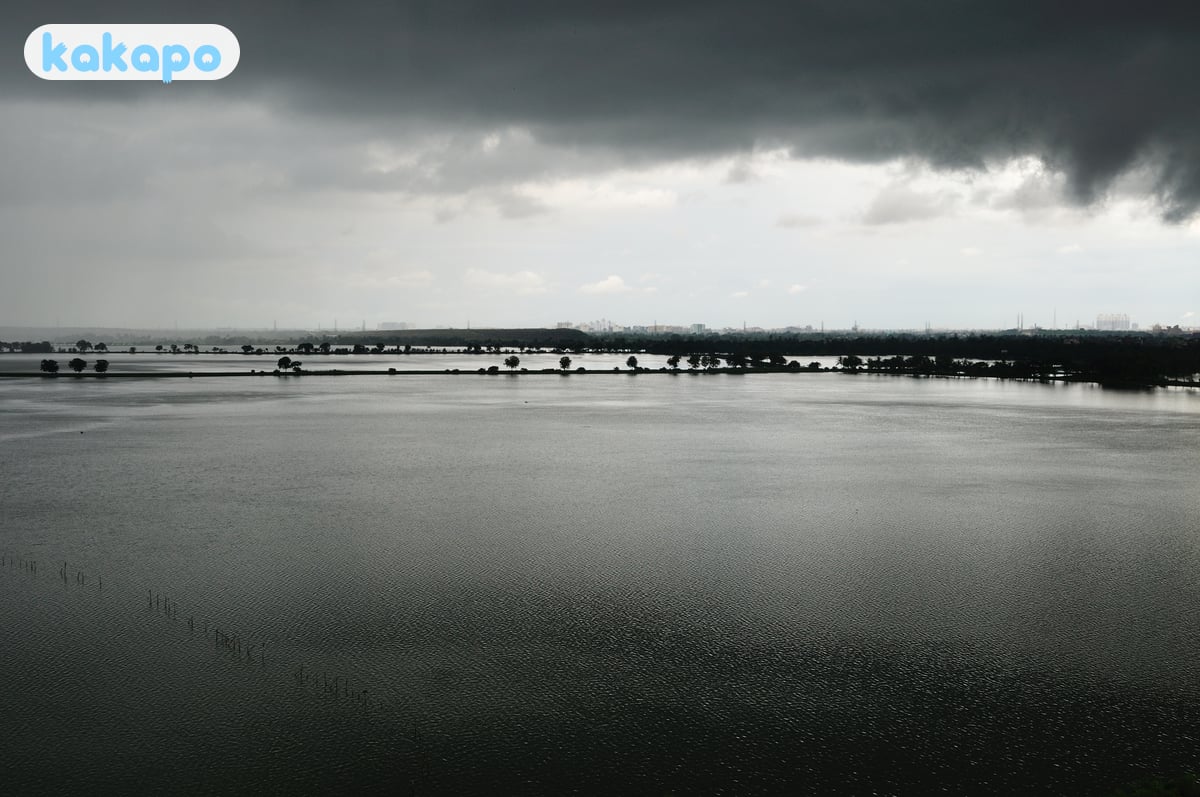
Kolkata's monsoon is the most underestimated aspect of visiting in summer.
- Average June-Sept rainfall: 1,200-1,400mm. Most cities globally don't get that in a year.
- Street flooding is routine. Knee-high water in central Kolkata after a heavy afternoon shower is normal. Some hotels keep boats.
- Hidden hazards: open manhole covers, exposed wiring on flooded streets, snakes and rats displaced into buildings. Wear closed shoes in flooded areas; never wade barefoot.
- Cyclones — Bay of Bengal cyclones can hit between April-November (worst in May and October). Cyclone Amphan (2020) and Cyclone Yaas (2021) caused widespread damage. Monitor the IMD (India Meteorological Department).
- Airport closures happen — Kolkata's NSCBI airport regularly diverts flights during severe weather. Travel insurance with weather-disruption coverage is genuinely useful.
- Best time to visit: October-March. December-February is dry and pleasant.
Areas to know
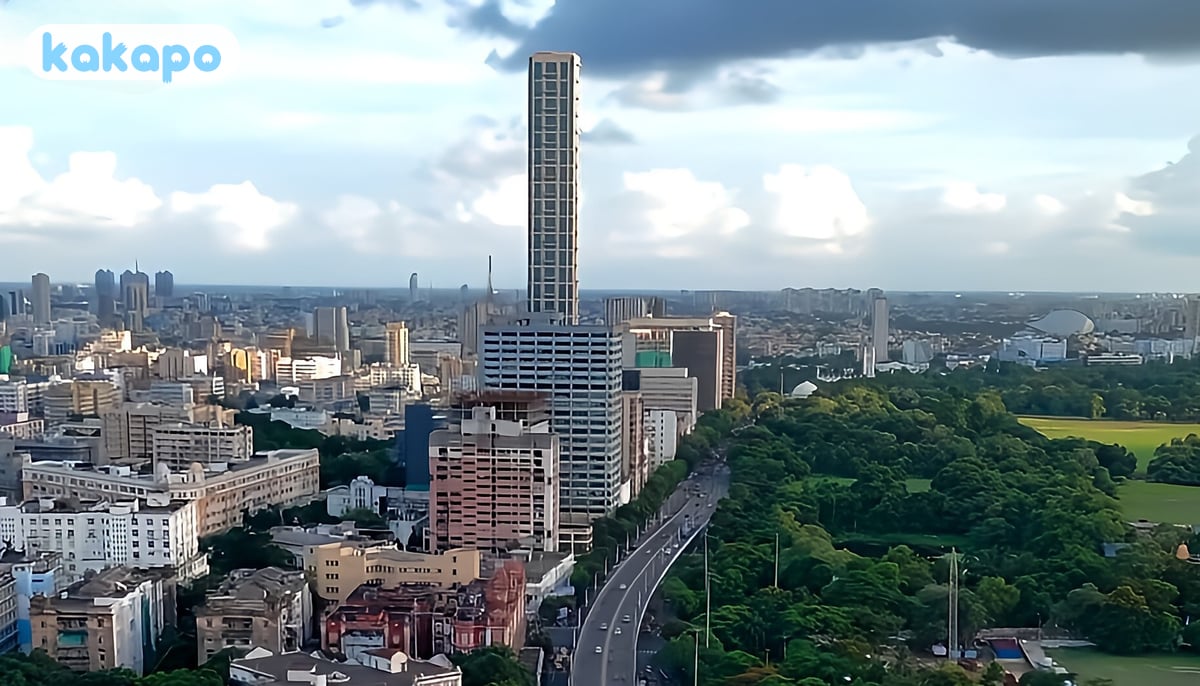
Kolkata's geography is loose. The South Kolkata / New Town areas are the modern, expat-comfortable zones. Central / North Kolkata is the historic, denser, more chaotic area.
Tourist-friendly: Park Street (restaurants, bars, cafés), Camac Street (shops, hotels), Sudder Street (backpackers, near Indian Museum), New Market (shopping with bag-watching), South Kolkata / Ballygunge / Lake Gardens (residential, leafy, very calm).
Major sights, busy and well-policed: Victoria Memorial, Indian Museum, Howrah Bridge crossing, Kalighat Temple, Belur Math.
Stay aware: Howrah Station at peak commute (late-evening pickpocketing concentration), Sealdah Station, Babughat / Princep Ghat at night (active but not policed late).
New Town / Salt Lake — the planned modern district 12km north-east. Cleaner, calmer, but less character. Many tech-conference visitors stay here.
There are no neighbourhoods we'd actively tell daytime visitors to avoid.
Trams, metro, taxis — the world's only Indian tram
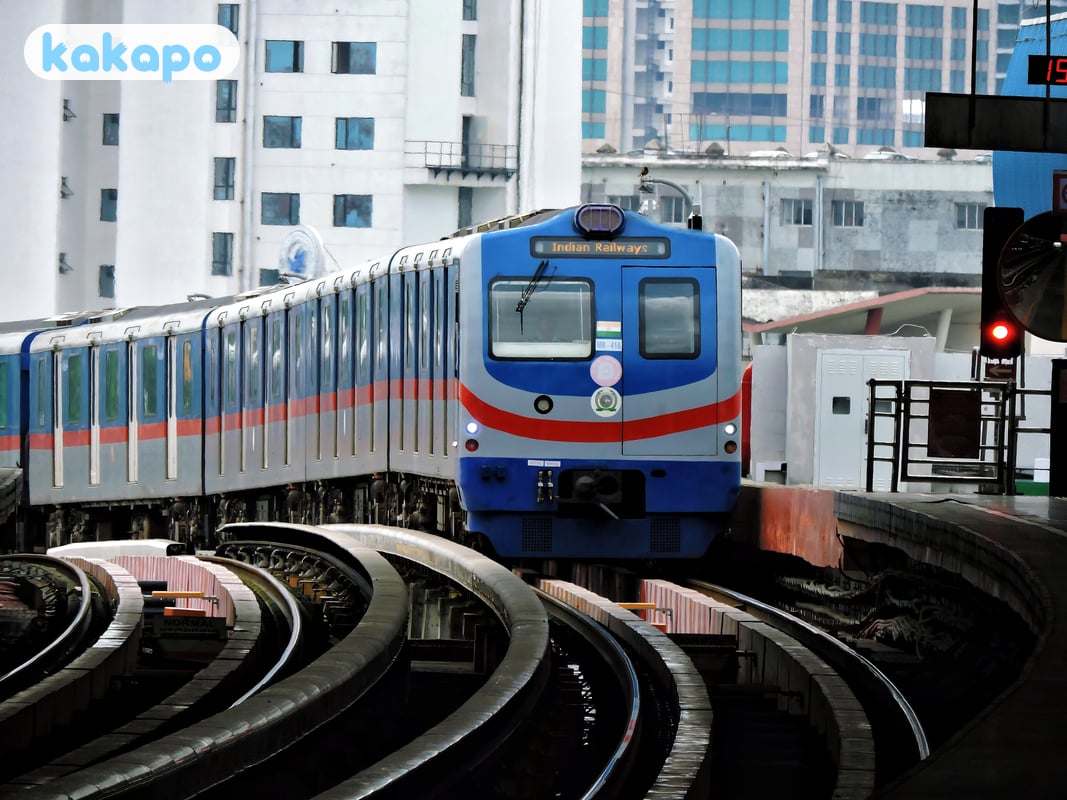
Kolkata is the only Indian city with a working tram network (heritage cars, slow, charming). The metro is the practical workhorse.
- Kolkata Metro — extensive, air-conditioned, cheap (₹5-30). Use it. Line 1 (north-south) is the original; Line 2 (east-west, runs under the river) is newer and faster.
- Yellow taxis (Hindustan Ambassadors, the iconic Kolkata image) are slowly being replaced. They run meters but drivers often refuse them — agree the fare. Ola and Uber work and are usually cheaper.
- Auto-rickshaws in Kolkata follow shared-taxi rules in many areas (fixed routes, fixed fares). Very different from Delhi/Bombay autos. Ask locals.
- Howrah Bridge — cross by metro (under the river) or shared cab; pedestrian crossing is allowed but extremely crowded. Photographing the bridge is technically prohibited (military bridge), though enforcement is loose.
- Trams — the heritage cars on Esplanade-Tollygunge route are fun. Slow.
Scams and money
- Sudder Street touts — backpackers' alley. The "free guide" / shop-redirect scams from Agra are present here too. Politely decline.
- Mother Teresa's home (Mother House on AJC Bose Road) is a real, free-to-visit working convent. Beware fake "tours" being sold outside.
- "Donation" scams at Kalighat Temple and other religious sites — politely decline; real donations go to box at the temple, not the man at the door.
- Currency: Indian rupee. ATMs are everywhere; use bank-attached ATMs (HDFC, ICICI, SBI) rather than free-standing kiosks.
- Cards: work in mid-range and up restaurants and hotels; cash is still expected at small shops and auto-rickshaws.
Health, food, water
- Tap water: not drinkable. Bottled, boiled, or filtered.
- Food poisoning is the #1 visitor health issue. Eat at busy restaurants with high turnover. Bengali sweets shops (Bhim Chandra Nag, Balaram Mullick) are universally safe.
- Mosquito-borne illness — dengue and chikungunya are seasonal (worst post-monsoon). Repellent and long sleeves at dawn/dusk. Malaria risk lower in city than rural West Bengal.
- Vaccinations: Hep A, Typhoid recommended. Yellow fever certificate required only if arriving from a yellow fever country.
- Best private hospitals: Apollo Gleneagles (Salt Lake), Belle Vue Clinic (Loudon Street), Fortis Hospital (Anandapur). All English-speaking, international-standard.
Neighbourhood-by-neighbourhood breakdown
- Park Street and Camac Street (Mullick Bazar area) — Kolkata's signature dining and hotel strip running east from the Maidan. The Park Hotel, Oberoi Grand (on JL Nehru Road), the Peerless Inn, and the dense restaurant cluster (Mocambo, Peter Cat, Trincas with live music, Flury's for breakfast, Oudh 1590 for Awadhi). The Park Street Metro on Line 1 is the central pivot. Well-lit and busy until 23:00 in restaurant trade.
- Sudder Street and the Indian Museum area — backpacker alley, the original "freak street" of Kolkata. Cheap guesthouses, Blue Sky Café, the Fairlawn Hotel, and a heavy concentration of the same touts that work Delhi Paharganj. The Indian Museum (India's oldest, 1814) sits at the corner. Don't book here unless you want the backpacker scene specifically.
- BBD Bagh / Dalhousie Square — the colonial-administrative core. The Writers' Building, GPO, the Reserve Bank, St John's Church (with Job Charnock's grave) and the Lal Dighi tank in the centre. Heritage-walk territory by day, deserted and dim by night when the government offices close.
- Maidan, Victoria Memorial and the Cricket Ground — the enormous central green space (the "lungs of Kolkata"), Victoria Memorial (the Raj's grandest building, INR 30 admission, gardens free), Eden Gardens cricket ground, the Kolkata Race Course. Day-trip territory; the Maidan empties after dark.
- South Kolkata (Ballygunge, Lake Gardens, Jodhpur Park, Gariahat) — leafy, residential, the modern Bengali middle-class districts. Gariahat market (saris, vegetables, the original Chittaranjan sweet shop), Forum Mall, Lake Mall, the Rabindra Sarobar lake for evening walks. Calmer and safer than the centre; many of the city's best South Indian restaurants (Banana Leaf).
- North Kolkata (College Street, Shyambazar, Kumartuli, Sovabazar) — the older Bengali-cultural city. College Street's miles of second-hand book stalls and the Coffee House where Satyajit Ray held court; Kumartuli where the Durga Puja idols are still hand-sculpted in narrow alleys; the Marble Palace (a private 19th-century mansion with Rubens paintings, free with permit). Atmospheric, dense, harder to navigate.
- Howrah (across the river) — the western Howrah district, Howrah Station (one of the world's busiest), Howrah Bridge (the iconic cantilever, photography technically prohibited), Belur Math (Ramakrishna Mission HQ) further north. The new East-West Metro Line 2 now connects Howrah Maidan to Esplanade in 11 minutes — game-changer.
- New Town and Salt Lake / Bidhannagar — the planned modern districts 12-15 km north-east. Sector V is the IT hub (TCS, Cognizant, Wipro towers). Cleaner, calmer, less character. The Hyatt, Westin, Novotel and JW Marriott all sit here — convenient for tech-conference visitors, far from the historic city.
- Kalighat and Mother House — the Kalighat Kali Temple (one of the 51 Shakti Peethas) is one of the most-visited religious sites; aggressive "donation" touts work the entrance — pay only at the temple box. Mother Teresa's House is on AJC Bose Road, a working Missionaries of Charity convent, free to visit, and the Mother is interred on the ground floor.
- Princep Ghat and Babughat (Hooghly riverfront) — atmospheric at sunset, the Princep Memorial and the boats. Active in early evening; quiet and unpoliced late, not for solo wandering after dark.
If it's your first time visiting
- Best arrival: Netaji Subhas Chandra Bose International (CCU) is 17 km north of the centre. Pre-paid taxi counters inside arrivals are the easiest first-trip option (INR 600-900 to Park Street, 60-90 minutes in traffic). Uber and Ola work from a dedicated rideshare pickup zone outside Gate 3 (INR 400-600). The "freelance taxi" touts inside the terminal quote INR 1,500-2,000 — walk past.
- Use the Metro: Kolkata Metro Line 1 (north-south, running under the city) and the new Line 2 (east-west under the Hooghly, completed March 2024) cover most visitor territory. Fares INR 5-30. Buy a single-journey token at the station; smart cards available for longer stays. Trains run 06:50-21:55 weekdays. Women-only carriage at peak hours.
- Best neighbourhood for your first night: Park Street / Camac Street corridor (Park Hotel, Oberoi Grand, Peerless Inn, Lalit Great Eastern) for restaurant-walkable central; South Kolkata (Lalit Great Eastern, ITC Sonar in Salt Lake) for calm; New Town (JW Marriott, Westin) for tech-conference convenience. Skip Sudder Street unless you want the backpacker scene.
- Money: Indian rupee (INR), ~85 to the USD in 2026. ATMs from major banks (HDFC, ICICI, SBI, Axis) are everywhere and dispense up to INR 10,000 per transaction. Always decline DCC. Cards work at mid-range restaurants and hotels; carry INR 2,000-5,000 cash for autos, street food and temple donations.
- Use Ola and Uber, not yellow taxis: the iconic Hindustan Ambassador yellow taxis run meters but drivers often refuse — Ola/Uber app fares are usually cheaper and end the negotiation. Auto-rickshaws in Kolkata follow shared-route rules in many areas (fixed routes, fixed fares for a seat) — different from Delhi/Mumbai; ask locals or just take Uber.
- Day 1, gentle: morning at Victoria Memorial and the Maidan, midday Park Street lunch (Peter Cat for the chelo kebab, Mocambo for continental), afternoon at the Indian Museum, evening tea-and-puchka at the Kalighat or Esplanade snack stalls. Save College Street and Kumartuli for day 2 when you're calibrated.
- Common rookie mistakes: visiting during monsoon (Jun-Sep) and not budgeting for street flooding; photographing Howrah Bridge from the bridge itself (technically a military structure, occasional fines); paying "donations" at Kalighat to the man at the door rather than the temple box; trying to walk College Street with a wheeled suitcase; arriving during Durga Puja (early October) without booking 3+ months ahead (rates 2-3x); drinking unfiltered water or eating from low-turnover street stalls.
- Dress: more relaxed than Delhi or Varanasi. Western dress is fine on Park Street and in South Kolkata. Modest dress (covered shoulders, knees, scarf over the head) at Kalighat, Belur Math, and the smaller neighbourhood mandirs. Bengali culture is famously liberal — solo women in Western dress are unremarkable in central districts.
- Time Durga Puja or skip it: October's 5-day Durga Puja is the world's largest open-air art festival — the pandals are spectacular and the city becomes a museum. But hotels go 2-3x, crowds are dense, and unprepared first-time visitors find it overwhelming. Either commit (book months ahead, hire a Puja-tour guide) or visit November-March in the dry post-monsoon window.
Practical info — emergency numbers
- National emergency: 112.
- Police: 100.
- Ambulance: 102 (free) or 108.
- Women's helpline: 1091.
- Tourist helpline: 1363 (national tourist helpline).
- Major airport: Netaji Subhas Chandra Bose International (CCU). 17km north of city centre, allow 60-90 min in traffic.
Bring: oral rehydration salts, mosquito repellent (DEET 30%+), an unlocked phone (Airtel or Jio prepaid SIM at airport), modest clothing for temple visits, and travel insurance documentation. Tap water is not drinkable; bottled water is universal.
Frequently asked questions
Is Kolkata safe to visit in 2026?
Yes — Kolkata scores 70/100 here, at the high end of the 'caution' band and widely regarded by Indian travellers as one of the friendlier and safer of India's mega-cities. Crime against tourists is low compared to Delhi and lower than Mumbai for property crime in tourist areas. India sits at US State Department Level 2 ('exercise increased caution'). The realistic risks for foreign visitors are environmental and logistical rather than violent: monsoon flooding (June-September is dominant — average 1,200-1,400 mm rainfall, knee-deep streets after heavy showers), traffic that operates on a different rule-set than most of the world (transport sub-score 60), and Bay of Bengal cyclones April-November. Pickpocketing in Howrah and Sealdah stations is the main property-crime concern.
Is Kolkata safe at night?
Yes in the visitor zones. Park Street, Camac Street, the UB City / Park Hotel cluster, and the New Town tech corridor are well-lit and well-trafficked at night with restaurant trade running late. Sudder Street backpacker area is busy until late. Outside those areas, late-night solo walks aren't advised — the lighting drops sharply and lanes get quiet. Howrah Station at peak commute evening hours is a pickpocket concentration; Babughat and Princep Ghat are atmospheric at night but unpoliced late. Use Ola or Uber rather than negotiating yellow-taxi fares; the Kolkata Metro runs until ~10pm reliably. Solo women report Kolkata as one of India's more comfortable big cities after dark.
Is Kolkata safe for solo female travellers?
Yes, generally more comfortable than Delhi or Agra. The Bengali cultural emphasis on adda (literary social culture), the city's intellectual-capital legacy, and widespread English-speaking produce a more welcoming atmosphere. Park Street, Camac Street, Sudder Street and South Kolkata (Ballygunge, Lake Gardens) are routine solo territory day and evening. Modest dress is appreciated at temples but Western dress is normal on Park Street. Use Ola/Uber over yellow taxis after dark; Kolkata Metro has women-only carriages in rush hour. Helplines: 112, 1091 (women), 1363 (tourist). Reported incidents are mostly verbal in unlit residential lanes rather than physical.
Can you drink tap water in Kolkata?
No. Tap water is not drinkable — bottled, boiled or filtered only. Bottled is cheap (INR 20-40) and universal. Hotel-restaurant ice at established places is safe; street-stall ice is not. Brush teeth with bottled to be fully safe. Food poisoning is the #1 visitor health issue; eat at busy restaurants with high turnover — Bengali sweets shops (Bhim Chandra Nag, Balaram Mullick) are universally safe, and Kewpie's, Bhojohori Manna and the Park Street veterans (Peter Cat, Mocambo) are reliable. Carry oral rehydration salts. Mosquito-borne illness (dengue, chikungunya) spikes post-monsoon — DEET 30%+ and long sleeves at dawn/dusk.
How bad is Kolkata monsoon flooding really?
Genuinely the dominant safety story June through September. The city receives 1,200-1,400 mm rainfall in those four months — more than most cities globally get in a year. Street flooding is routine; knee-high water in central Kolkata after a heavy afternoon shower is normal, with some hotels keeping boats on standby. Hidden hazards in flooded streets include open manhole covers, exposed electrical wiring, and snakes and rats displaced from drains into buildings — wear closed shoes in flooded areas and never wade barefoot. Bay of Bengal cyclones can hit between April-November, worst in May and October; Cyclone Amphan (2020) and Cyclone Yaas (2021) both caused widespread damage. NSCBI Airport diverts flights regularly during severe weather. Best months: October-March. December-February is dry and pleasant.
What's the deal with Kolkata's yellow taxis and trams?
The Hindustan Ambassador yellow taxis are the city's iconic image and slowly being phased out — they run meters but drivers often refuse to use them, so agree the fare first or just use Ola/Uber, which are usually cheaper. Kolkata is also the only Indian city with a working tram network (heritage cars on Esplanade-Tollygunge route are charmingly slow). The Kolkata Metro is the practical workhorse — extensive, air-conditioned, cheap (INR 5-30); Line 1 is the original north-south and Line 2 is the newer east-west that runs under the Hooghly river. Auto-rickshaws here follow shared-taxi rules in many areas (fixed routes, fixed fares) — very different from Delhi or Mumbai autos. Note: photographing Howrah Bridge is technically prohibited (military bridge) though enforcement is loose; cross by metro or shared cab.
Sources
Run a business in Kolkata?
Show visitors your Kolkata business is a safe choice. The free Verified by Kakapo badge puts Kolkata's live safety score on your website, links back to your verified page, and updates itself. No cost.
Get the free badge →