


Is Cape Town Safe for Solo Female Travellers? South Africa 2026 Guide
The V&A Waterfront, the Sea Point promenade, the City Bowl protocol, the township tour reality, and an honest read on one of the world's most spectacular cities with a serious safety brief.

Cape Town — South Africa's Mother City, the postcard-perfect mountain-meets-ocean capital of the Western Cape — is one of the world's most spectacular tourist cities and one that requires the most rigorous safety protocols of any major destination on this site for solo female travellers. South Africa has one of the highest reported violent-crime rates of any country measured by international agencies; the Western Cape specifically has the country's highest murder rate; Cape Town's tourist core is statistically far safer than the city's townships and outlying suburbs but is not immune.
The honest read for 2026: Cape Town works for solo female travellers who follow the strict protocols — base in the V&A Waterfront, Sea Point, Camps Bay, or City Bowl tourist zones; rideshare-only at night; never solo-hike Table Mountain or Lion's Head; never walk to Bo-Kaap or Long Street alone after dark; never visit townships independently (only with vetted guided tours). Solo female travellers who follow these rules report excellent experiences; those who treat Cape Town as if it were Lisbon or Barcelona produce the steady stream of victim reports that fill the SAPS Western Cape and UK FCDO incident statistics. The 2025 Western Cape SAPS reorganisation tightened tourist-area policing but the citywide context remains serious.
This guide covers Cape Town's neighbourhood breakdown, the hiking protocol, the transport reality, and the practical solo-female plan.
| Night safety | 30/100 |
|---|---|
| Scam / petty-crime risk | Medium |
| Violent crime (tourists) | High |
| Most common scams | mugging; opportunistic robbery; bag-snatch incidents |
| Safer neighbourhoods | V&A Waterfront, Sea Point, Camps Bay |
| Data sources cited | 4 |
| Last verified |
Neighbourhood breakdown for solo female travellers
- V&A Waterfront: the highly-secured tourist marina precinct — private security throughout, very low incident rate. Pricey but the safest Cape Town base for solo female first-time visitors.
- Sea Point: the Atlantic-coast residential strip with the famous oceanfront promenade. Walkable, café-dense, generally safe; the promenade itself is one of the most-walked solo-female spaces in Cape Town.
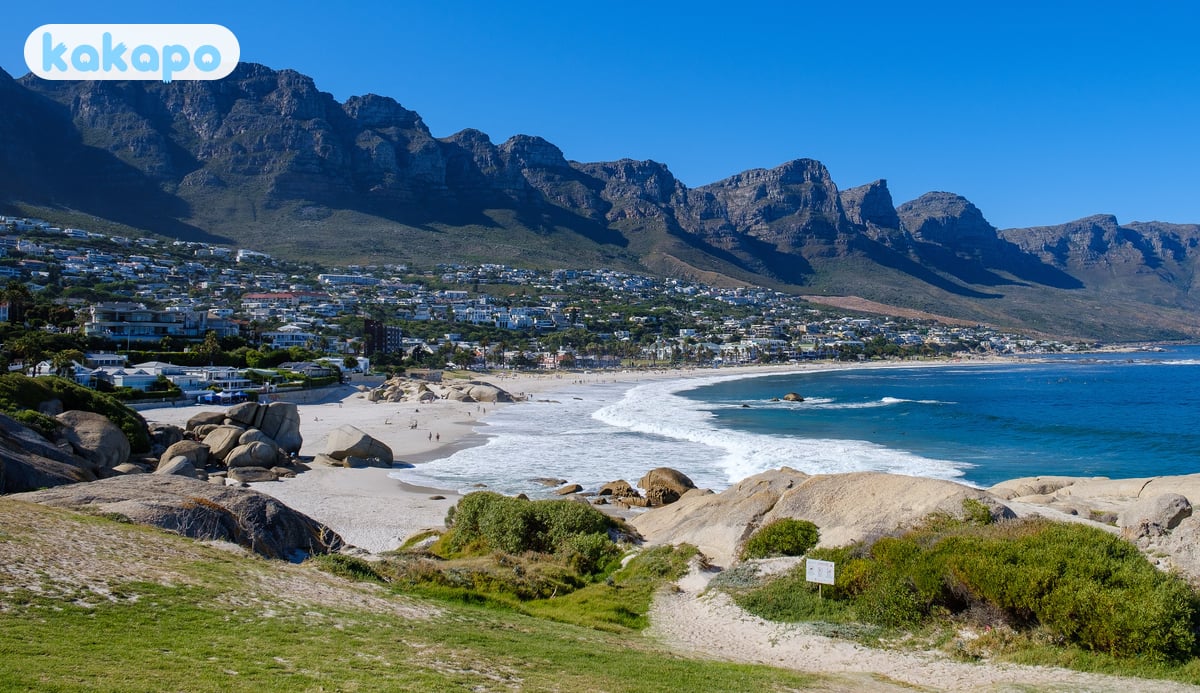
- Camps Bay: upscale beach suburb on the Atlantic seaboard. Restaurants, beach, calm; safer than the City Bowl for evening but more car-dependent.
- City Bowl (Gardens, Tamboerskloof): the central residential-tourist neighbourhood below Table Mountain. Good base in daytime; require rideshare after dark.
- De Waterkant / Bo-Kaap: photogenic but Bo-Kaap should not be walked solo after dark; opportunistic incidents have been reported.
- Long Street and CBD: nightlife strip — go with groups, rideshare in and out, don't walk to/from solo at night.
- Avoid as base: Observatory, Salt River, Woodstock (gentrifying but historically high-crime), and anywhere east of the M3.
The actual safety picture
- South Africa overall: among the highest reported violent-crime rates globally per SAPS and UNODC data. Western Cape has the country's highest murder rate.
- Cape Town tourist zones specifically: V&A Waterfront, Sea Point, Camps Bay, City Bowl — statistically far lower than the citywide baseline but not zero. Mugging, opportunistic robbery, and bag-snatch incidents do occur.
- What you'll need to navigate: the no-walking-at-night rule citywide, the hiking-solo prohibition on Table Mountain/Lion's Head, the townships-independent prohibition, the avoid-quiet-streets discipline.
- What you won't typically encounter in tourist zones: gang violence, the murder pattern (these concentrate in townships and in specific Cape Flats suburbs that tourists have no reason to visit).
- The street harassment baseline: lower than in much of the Middle East or Latin America. Catcalling rare; staring some; solo female dining normal in tourist zones.
- Load-shedding (rolling blackouts): 2025-2026 has seen reduced load-shedding but it still occurs; powered street lighting can fail unpredictably, intensifying the after-dark walking risk.
Table Mountain and the hiking protocol
- The non-negotiable rule: never hike Table Mountain, Lion's Head, or Devil's Peak alone as a solo female traveller. The 2010s-2020s incident record (assaults, robberies on hiking trails) is consistent and well-documented; the South African National Parks and SAPS K9 unit cannot patrol every trail.
- Group hiking options: book a guided hike via the Table Mountain Cableway company, RidgeRovers, or a hostel/hotel group hike. Cost typically R300-600 per person in 2026.
- The Cableway: the standard non-hiking way up Table Mountain — safe, comfortable, photogenic. Bookable online to skip queues.
- Lion's Head full-moon hike: a popular guided-group hike option; never do this solo even if the trail looks crowded — the after-summit descent is the high-incident window.
- Cape Point: drive or organised tour; do not hike from Boulders Beach to Cape Point alone.
- Boulders Beach (penguins): safe daytime tourist destination; visit with a group or tour, return before dusk.
Transport — the rideshare-only-at-night rule
- Uber and Bolt: both operate extensively in Cape Town and are the standard solo female option. Safer than the MyCiTi bus or street-hailed minibus taxis after dark.
- MyCiTi bus: the formal bus network, reasonably safe in daytime, less recommended after dark.
- Minibus taxis: the informal township-and-suburb transit — do not use as a tourist; routes unclear, incidents reported, no insurance.
- Hire car: standard for Cape Town visits given the city's spread; legal and safe to drive; park only in attended/secure parking after dark; do not stop at intersections in the CBD after dark with windows down.
- Cape Town International Airport (CPT): 20-30 minutes to V&A Waterfront/Sea Point by Uber/Bolt (R250-400 in 2026) or pre-arranged hotel transfer. Avoid airport-tout drivers; use Uber from the designated pickup zone.
- Walking: V&A Waterfront, Sea Point promenade, Camps Bay beachfront, and Cableway upper station are all walkable in daytime. After dark, rideshare even for short hops.
Townships and the tour question
- The townships: Khayelitsha, Langa, Gugulethu, Mitchell's Plain — the Apartheid-era residential areas south-east of central Cape Town, home to most of the city's population.
- Do not visit independently: the townships are not tourist-safe for independent visits. Even brief drive-throughs can produce robbery incidents.
- Vetted township tours: legitimate operators (Uthando Tours, Coffeebeans Routes, AWOL Tours) offer guided township experiences with vetted hosts. These are tourist-safe, ethically structured, and a meaningful cultural experience.
- What you'll see on a township tour: community businesses, shebeens, schools, historical sites (the District Six Museum is a related city-centre experience).
- The ethics: well-structured township tours are run by and benefit residents; the "poverty tourism" critique has been substantially addressed by the major operators. Choose operators with resident-board governance.
- Drive-yourself township routes: do not.
If something happens
- 10111 — SAPS emergency.
- 112 — Mobile emergency.
- 10177 — Ambulance.
- Cape Town Tourism Visitor Information Centre: V&A Waterfront and city centre; English-speaking, can escalate incidents.
- Mediclinic Cape Town, Netcare Christiaan Barnard Memorial Hospital: leading private hospitals.
- UK Consulate General Cape Town: +27 21 405 2400.
- US Consulate General Cape Town: +27 21 702 7300.
- Cape Town K9 unit (mountain trails): SANParks emergency line for trail incidents.
Frequently asked questions
Is Cape Town safe for solo female travellers in 2026?
Yes with strict protocols — Cape Town works for solo female travellers who follow the no-walking-at-night rule, the never-hike-alone rule, the never-visit-townships-independently rule, and the rideshare-default protocol. Base in V&A Waterfront, Sea Point, Camps Bay, or City Bowl tourist zones. South Africa has among the highest reported violent-crime rates globally and the Western Cape has the country's highest murder rate, but the tourist-zone incident rate is far lower than the citywide baseline. Protocol-following solo female travellers report excellent experiences; protocol-ignoring travellers produce the steady victim-report stream.
Where should I stay in Cape Town as a solo female traveller?
V&A Waterfront for the safest first-time visit — highly-secured tourist marina precinct with private security throughout, very low incident rate, pricey but worth it. Sea Point for a walkable, café-dense, oceanfront alternative — the famous promenade is one of the most-walked solo-female spaces in Cape Town. Camps Bay for upscale-beach suburb calm (more car-dependent). City Bowl (Gardens, Tamboerskloof) for the central-residential tourist option (require rideshare after dark). Avoid Observatory, Salt River, and Woodstock as a solo female base.
Can I hike Table Mountain or Lion's Head alone as a solo female?
No — this is the non-negotiable rule. The 2010s-2020s incident record on Table Mountain, Lion's Head, and Devil's Peak hiking trails is consistent and well-documented (assaults and robberies, with several high-profile cases involving solo female hikers). SANParks and SAPS K9 unit cannot patrol every trail. Use guided hikes (Table Mountain Cableway operator, RidgeRovers, hostel/hotel groups, R300-600 in 2026) or use the Cableway up Table Mountain (safe, comfortable, bookable online to skip queues). Lion's Head full-moon hikes should also be group-only.
How do I get around Cape Town as a solo female traveller?
Uber and Bolt are the standard solo female option — both operate extensively, GPS-tracked, the rideshare-default after dark is the universal rule. MyCiTi bus is reasonably safe in daytime, less recommended after dark. Do not use minibus taxis (the informal township-and-suburb transit). Hire car is standard for Cape Town's spread — park only in attended/secure parking after dark; do not stop at CBD intersections with windows down at night. From CPT airport (20-30 min to V&A Waterfront/Sea Point, R250-400), use Uber from the designated pickup zone, not airport-tout drivers.
Should I visit the townships?
Only with a vetted guided tour — never independently. The townships (Khayelitsha, Langa, Gugulethu, Mitchell's Plain) are not tourist-safe for independent visits, and even brief drive-throughs can produce robbery incidents. Legitimate operators (Uthando Tours, Coffeebeans Routes, AWOL Tours) offer guided experiences with vetted hosts — tourist-safe, ethically structured, meaningful cultural experiences. The well-structured tours are run by and benefit residents; choose operators with resident-board governance. The District Six Museum in central Cape Town is a related, fully-safe complement.
Is Long Street safe at night for solo female travellers?
Go with a group; rideshare in and out; do not walk to or from solo at night. Long Street is Cape Town's main backpacker-nightlife strip — bars, clubs, restaurants — and the central blocks are busy enough to be reasonable inside the venues, but the approach walks and the side-street pickup points are where opportunistic incidents have been reported. The standard solo female plan is to Uber/Bolt to a specific venue, stay inside or with a group, then Uber/Bolt back to your hotel; do not walk between venues at night unless in a group of 3+.
What's the street harassment situation in Cape Town?
Lower than in much of the Middle East or Latin America. Catcalling is relatively rare; staring (from curiosity) some; solo female dining in restaurants is fully normal in tourist zones. Cape Town's tourism culture and the relative gender-equality baseline in South African urban society make this one of the lower-harassment major-city environments for solo female travellers. The risks here are violent-crime opportunistic incidents rather than persistent street-harassment patterns. The standard rules (don't walk alone at night, rideshare, avoid quiet streets) cover both categories.
What should I do if something happens?
10111 for SAPS emergency, 112 from mobile. For non-emergencies, the Cape Town Tourism Visitor Information Centre at V&A Waterfront or in the city centre can escalate incidents with English-speaking staff. For medical incidents, Mediclinic Cape Town or Netcare Christiaan Barnard Memorial Hospital are the leading private options. UK Consulate +27 21 405 2400; US Consulate +27 21 702 7300. For hiking-trail incidents, SANParks emergency line and the SAPS K9 unit can respond to Table Mountain. Report all incidents to your hotel and embassy; documentation matters for insurance and for SAPS pattern-tracking.
Recent travel news for Cape Town
All travel news →Sources
Run a business in Cape Town?
Show visitors your Cape Town business is a safe choice. The free Verified by Kakapo badge puts Cape Town's live safety score on your website, links back to your verified page, and updates itself. No cost.
Get the free badge →