What happened
Nearly 300 Ghanaian nationals boarded a repatriation flight from Johannesburg to Accra on May 28, 2026, according to France 24. The group, which included children, left South Africa voluntarily after what authorities described as "waves of anti-immigrant protests" that created serious safety concerns for foreign nationals living in the country.
Ghanaian authorities characterized the repatriation as a voluntary process for citizens who no longer felt safe remaining in South Africa. The flight departed from OR Tambo International Airport in Johannesburg, South Africa's largest city and a major hub for regional migration and business travel. The repatriation represents one of the larger organized departures of foreign nationals from South Africa in recent years.
The incident underscores heightened tensions around immigration in South Africa, a country that has periodically experienced xenophobic violence targeting African migrants from neighboring countries. While France 24 referred to "waves" of protests, suggesting multiple incidents over a period of time, the exact timeline, locations, and scale of the demonstrations were not detailed in the available reporting.
The presence of children among those repatriated indicates that entire families made the decision to leave, suggesting the safety concerns were severe enough to prompt major life disruptions. South Africa is home to significant populations of Ghanaian professionals, traders, and students, many of whom are concentrated in Johannesburg and surrounding Gauteng Province.
The repatriation comes at a time when South Africa's economy has faced challenges, a context in which anti-immigrant sentiment has historically intensified. Foreign nationals, particularly those from other African countries, are sometimes scapegoated for unemployment and resource scarcity, leading to periodic outbreaks of violence.
Background and context
South Africa has a long and troubling history of xenophobic violence targeting foreign nationals from other African countries. Major outbreaks occurred in 2008 (leaving more than 60 dead), 2015, and 2019, with immigrants from Zimbabwe, Mozambique, Nigeria, Somalia, Ethiopia, and Ghana among those targeted. These incidents are locally referred to as "xenophobic attacks" or, sometimes euphemistically, as "afrophobia" to distinguish them from xenophobia directed at non-African foreigners.
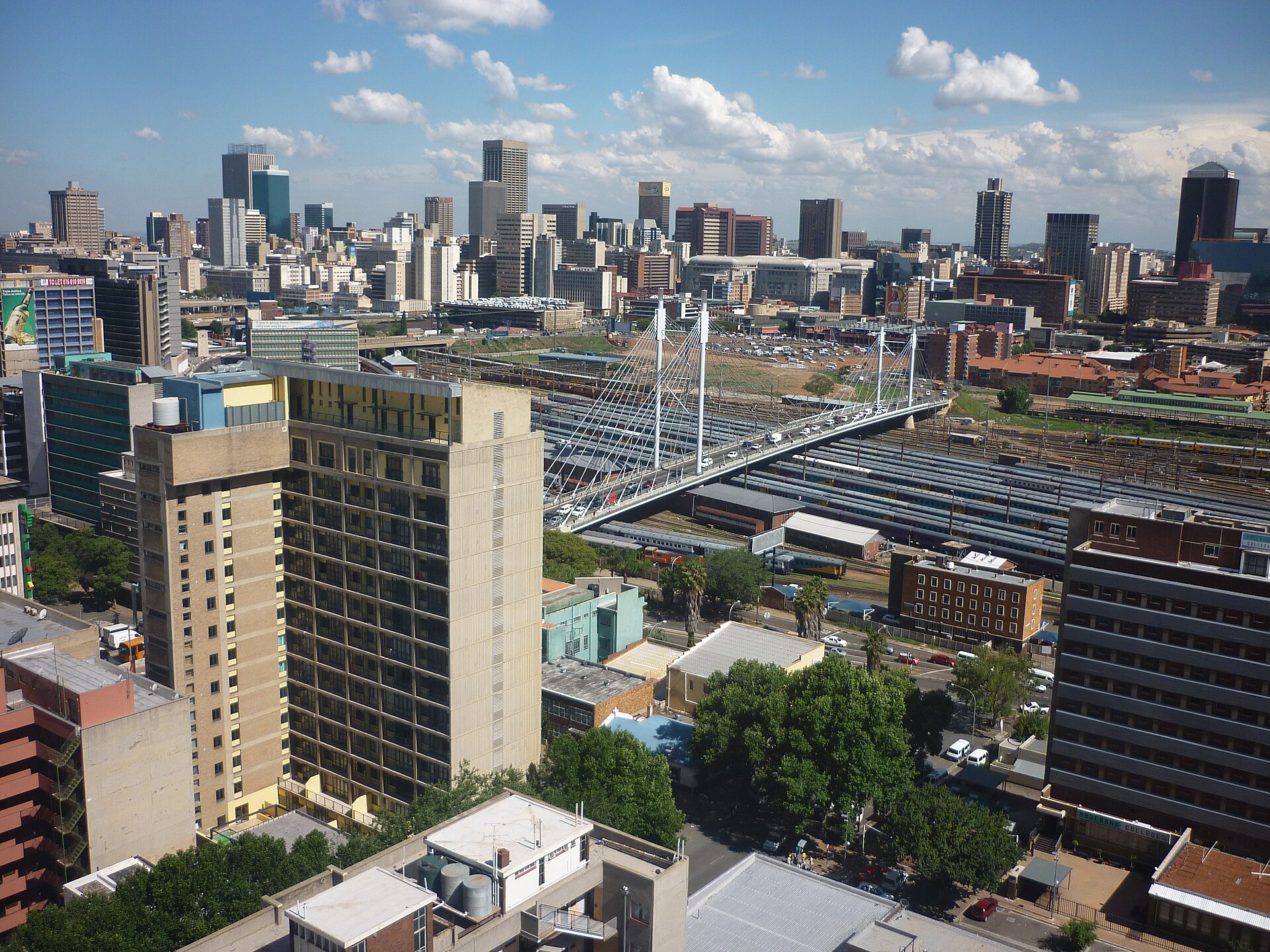
Johannesburg, as South Africa's economic capital and largest city, hosts the country's most diverse immigrant population. Neighborhoods such as Hillbrow, Yeoville, and parts of the central business district have significant populations of foreign nationals who run small businesses, work in services, or study at local universities. During periods of tension, these areas have been flashpoints for violence, looting, and intimidation.
Anti-immigrant protests in South Africa typically follow a pattern: inflammatory rhetoric (often from local politicians or community leaders), protests or marches demanding that foreign nationals leave certain areas, escalation to looting of foreign-owned shops, and in the worst cases, physical attacks and deaths. The protests often occur in townships and informal settlements where competition for jobs and housing is most acute, but can spread to commercial areas.
Ghana and South Africa have generally maintained good diplomatic relations, and Ghana has not been the primary target of xenophobic rhetoric compared to Zimbabwe or Nigeria. However, Ghanaian nationals have been caught up in broader waves of anti-immigrant violence. The fact that nearly 300 Ghanaians felt it necessary to leave suggests either a direct threat to the Ghanaian community specifically, or a sufficiently dangerous overall environment that foreign nationals across nationalities felt unsafe.
It is important to note that xenophobic violence in South Africa typically targets African immigrants who are perceived as economic competitors—small business owners, informal traders, and job seekers. International tourists and business travelers from outside Africa are not generally targeted in these incidents. However, the chaotic nature of protests and violence means that anyone in the wrong place at the wrong time can be affected, and the general climate of instability is a concern for all visitors.
Why it matters for travelers
The repatriation of nearly 300 people due to safety concerns is a red flag for anyone planning to visit or currently in Johannesburg. While the protests appear to target African immigrants rather than tourists, the distinction can blur in practice, particularly for travelers of African descent or those who might be mistaken for residents rather than visitors.
For international visitors, the primary risks are indirect: being in the wrong neighborhood during a protest or outbreak of violence, encountering roadblocks or disruptions to transportation, or being caught in broader civil unrest. However, foreign nationals who are not obviously tourists—such as those staying in residential neighborhoods, traveling alone without typical tourist markers, or visiting friends and family—may face higher risk.
Business travelers and expatriates are particularly affected by this news. If significant numbers of foreign professionals are leaving, it suggests a deterioration in the security environment that goes beyond a single incident. Companies with operations in Johannesburg may need to reassess their security protocols and housing arrangements for expatriate staff.
The timing is also significant: late May is the beginning of South Africa's winter tourism season, when visitor numbers typically increase. A major repatriation event just as the season is starting sends a concerning signal about current conditions on the ground. Travelers with upcoming trips should monitor for updates on whether protests are ongoing, which neighborhoods are affected, and what local authorities are doing to ensure safety.
What to do
Monitor the situation closely: Check South African news sources (Mail & Guardian, News24, Daily Maverick) and your embassy or consulate in South Africa for updates on protest activity and safety alerts before and during your visit.
Register with your embassy: If you are planning an extended stay in Johannesburg, register with your country's embassy or consulate so authorities can contact you in case of emergency evacuations or security alerts.
Avoid specific high-risk neighborhoods: Stay away from townships and informal settlements where anti-immigrant tensions typically run highest, including areas like Alexandra, Diepsloot, and parts of Soweto. Also avoid neighborhoods with high concentrations of foreign-owned businesses (Hillbrow, Yeoville) during periods of unrest.
Keep a low profile in residential areas: If you are staying in residential neighborhoods rather than tourist hotels, be aware that you may be mistaken for an immigrant rather than a tourist. Keep valuables out of sight and avoid behavior that might draw attention.
Have a contingency plan: Know the location of your embassy or consulate, keep emergency numbers saved in your phone, and have a plan for how you would get to the airport quickly if the situation deteriorates. OR Tambo International Airport is approximately 20 km east of central Johannesburg.
Stay informed about transportation disruptions: Protests can lead to road closures, blockades, and disruptions to public transportation. If you're using ride-hailing services or taxis, check for route disruptions before traveling.
Be cautious with photography: Photographing protests or areas of unrest can be dangerous. Protesters may view cameras as threatening, and you risk being caught in violence if demonstrations turn confrontational.
Keep photocopies of documents: In case of emergency evacuation or loss of belongings during unrest, keep photocopies or digital copies of your passport, visa, and other important documents stored separately from the originals.
Consider trip insurance: If you haven't yet booked, look for travel insurance that covers civil unrest and allows for trip cancellation or early departure if the security situation deteriorates further.
Reassess non-essential travel: If your trip is not urgent and you have flexibility, consider postponing until the situation stabilizes and there is clarity on whether protests have ended or are likely to continue.
Affected areas
| Area | Status | Notes |
|---|---|---|
| OR Tambo International Airport | Functioning normally | Site of May 28 repatriation flight; no reported disruptions to airport operations |
| Hillbrow | Elevated risk | Historic flashpoint for anti-immigrant violence; high concentration of foreign nationals |
| Yeoville | Elevated risk | Neighborhood with significant immigrant population; potential target during unrest |
| Johannesburg CBD | Caution advised | Commercial areas may see protests; foreign-owned shops at risk of looting |
| Alexandra Township | High risk | Informal settlement with history of xenophobic violence; avoid unless essential |
| Diepsloot | High risk | Township north of Johannesburg; frequent site of anti-immigrant tensions |
| Soweto | Elevated risk in some areas | South Africa's largest township; risk varies by specific neighborhood |
| Sandton business district | Lower risk | Upscale business and hotel district; less affected by anti-immigrant protests historically |
Official response
As of May 28, there has been no official statement from South African government authorities regarding the anti-immigrant protests cited by Ghanaian officials. The absence of comment from the South African Police Service (SAPS) or the Department of Home Affairs is notable, particularly given the scale of the repatriation—nearly 300 people leaving in a single organized flight.
Ghanaian authorities characterized the repatriation as voluntary and organized in response to safety concerns expressed by Ghanaian nationals in South Africa, according to France 24. The involvement of Ghanaian government authorities in organizing the flight suggests that concerns were raised through diplomatic channels and that Ghana's embassy in Pretoria assessed the threat level as serious enough to warrant assisted departure.
Travelers should check for updates from the following official sources: the South African Police Service (SAPS) website and social media channels for security alerts; the South African Department of Home Affairs for any changes to immigration or movement policies; and their own country's travel advisory for South Africa, which may be updated in response to this incident. The U.S. Embassy in Pretoria, the UK Foreign Office, and other major diplomatic missions typically issue updated guidance when civil unrest affects foreign nationals.
What we don't know yet
The available reporting leaves several critical questions unanswered. We do not know the specific dates, locations, or scale of the anti-immigrant protests that prompted the repatriation. Were these protests concentrated in Johannesburg, or did they occur across multiple cities in Gauteng or other provinces? How many protests occurred, how many people participated, and were there incidents of violence or property destruction?
We also lack information about whether the protests are ongoing as of May 28, or whether they have subsided. This is crucial for travelers trying to assess current risk: a wave of protests that has passed is a different scenario from ongoing unrest. Similarly, we don't know if other African countries are organizing repatriations of their citizens, or if Ghana's response is unique.
The nature of the threats faced by Ghanaians in South Africa is also unclear. Were there specific incidents targeting the Ghanaian community, direct threats, or a general climate of fear? Understanding this would help assess whether the risk extends to short-term visitors or primarily affects long-term residents.
Finally, we have no information about the South African government's response: Have additional police been deployed? Have arrests been made? Have authorities issued any statements or commitments to protect foreign nationals? The silence from official South African sources is itself concerning and suggests either that the situation is still developing or that authorities are hesitant to acknowledge the severity of the unrest.
Bottom line
A large-scale voluntary repatriation driven by safety concerns is a serious warning sign. While tourists and short-term business travelers are not typically the targets of anti-immigrant violence in South Africa, the incident signals a deteriorating security environment in Johannesburg that warrants caution. Monitor the situation closely, avoid high-risk neighborhoods, maintain a low profile, and have contingency plans in place. Those with flexible travel dates should consider postponing non-essential trips until the situation stabilizes and more information becomes available about the extent and status of the protests.
Cited sources
Reporting from the outlets below.
Frequently asked questions
Is Johannesburg safe to travel to right now?
Almost 300 Ghanaian nationals were voluntarily repatriated from Johannesburg on May 28, citing safety concerns amid waves of anti-immigrant protests across South Africa. See Kakapo's live Johannesburg safety report for the up-to-date composite score, neighbourhood-by-neighbourhood breakdown, and per-source advisories from US State Dept, UK FCDO, Canadian government, and Australian Smartraveller.
What happened in Johannesburg?
Johannesburg: Nearly 300 Ghanaians repatriated after anti-immigrant protests. Almost 300 Ghanaian nationals were voluntarily repatriated from Johannesburg on May 28, citing safety concerns amid waves of anti-immigrant protests across South Africa. This is a incident based on reporting from major travel-news outlets — see the cited sources below for the original coverage.
Should I cancel my trip to Johannesburg?
Most travel-safety events do not require cancelling a planned trip. Read the "What it means for travelers" section above for the specific guidance, check the live Johannesburg safety report for the current overall score, and consult your travel insurance for cancellation eligibility. Kakapo updates the Johannesburg safety profile as new advisories land.
Where can I find more travel safety news?
Kakapo publishes new travel-safety updates as events develop, sourced from BBC, Reuters, the Guardian, Al Jazeera, Deutsche Welle, France 24, US State Dept, and UK FCDO. Visit the live travel-news feed at kakapo.travel/travel-news for the latest.