


Is Abu Dhabi, United Arab Emirates Safe? A 2026 Travel Safety Guide
Sheikh Zayed Mosque dress code, 50°C summer, the Yas Island theme parks, the road network, and the realistic risks of the calmer Emirati capital.

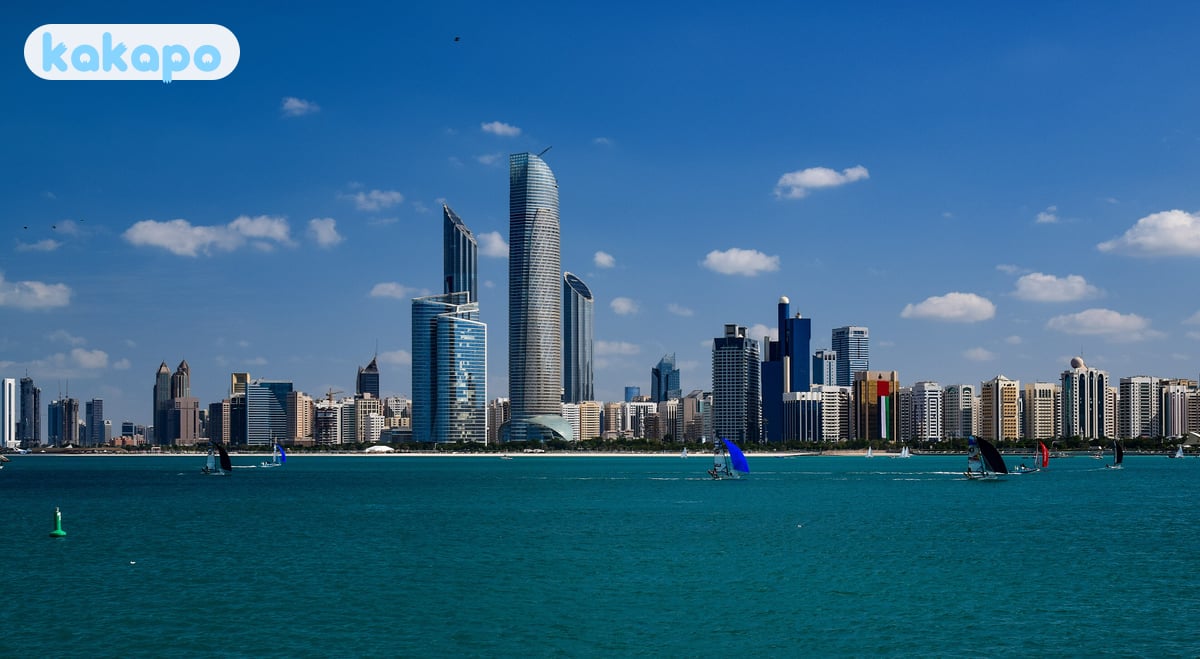
Abu Dhabi is one of the safest large cities in the world by crime statistics — comparable to Doha, Singapore, and the safest Japanese cities. Crime against tourists is essentially nonexistent.
The realistic risks for visitors are the genuine summer heat (Abu Dhabi regularly hits 45-50°C in July-August), the legal code (which is slightly more conservative than Dubai but still substantially open to tourists since major reforms since 2020), the Sheikh Zayed Grand Mosque's strict dress code (visitors get turned away daily), and the high-speed driving culture on the Sheikh Zayed Road and inter-city highways.
The UAE sits at Level 2 on the US State Department's advisory list with regional-tension language; in practice tourist Abu Dhabi is closer to Level 1. UK FCDO is similar. The honest framing for first-time visitors: Abu Dhabi is medium-large (~1.5 million in city, 2.9 million emirate), the federal capital, calmer in pace and atmosphere than Dubai (1.5h drive away). The Sheikh Zayed Grand Mosque, the Louvre Abu Dhabi, the Yas Island theme parks (Ferrari World, Warner Bros), the Corniche, and the Liwa desert day trips are the visitor anchors.
Abu Dhabi's signature visitor distinction from Dubai is the museum quarter on Saadiyat Island — Louvre Abu Dhabi opened in 2017, the Zayed National Museum and Guggenheim Abu Dhabi are scheduled to open through 2026-2027, and the planned Natural History Museum Abu Dhabi rounds out the cluster. Combined with Manarat Al Saadiyat and the Berklee Abu Dhabi campus, Saadiyat is now the genuine cultural anchor a generation of visitors will associate with the city. The Yas Island entertainment cluster (Ferrari World, Warner Bros World, SeaWorld Yas Island opened 2023, Yas Waterworld) handles the family-and-thrill segment.
Worth flagging for first-time visitors: Federal Decree-Law 31/2021 modernised the UAE's penal code significantly — alcohol consumption no longer requires a personal licence, cohabitation by unmarried couples is no longer criminalised, and personal-status disputes for non-Muslim foreigners are now handled under a civil framework rather than Sharia. Public-decency rules (no public intoxication, no public displays of affection beyond hand-holding, modest dress in malls and government buildings) remain enforced. The Sheikh Zayed Grand Mosque dress code is the strictest visitor friction point and the most common turn-away — read the dress section before you go.
| Night safety | 88/100 |
|---|---|
| Scam / petty-crime risk | Low |
| Violent crime (tourists) | Low |
| Most common scams | high hotel prices during F1 Abu Dhabi Grand Prix; pickpockets significantly elevated during F1 weekend; strict dress code at Sheikh Zayed Grand Mosque |
| Safer neighbourhoods | Corniche, Saadiyat Island, Yas Island |
| Data sources cited | 4 |
| Last verified |
What the score means — 95/100
- Personal safety (96) — among the highest in our system.
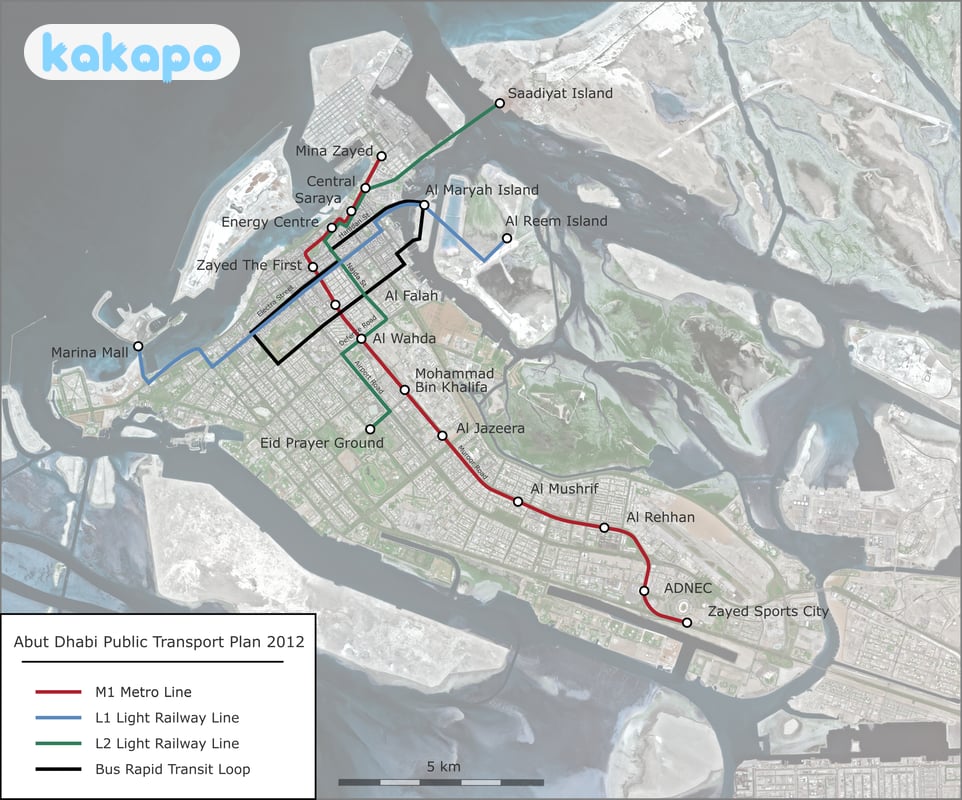
- Transport (90) — wide roads, modern taxis, Careem/Uber. No metro yet.
- Healthcare (90) — Cleveland Clinic Abu Dhabi, Sheikh Khalifa Medical City are world-class.
- Air quality (78) — moderate. Construction dust, summer haze, occasional sandstorms.
The legal code — Abu Dhabi specifics
- Alcohol: legal in licensed hotel bars and restaurants. Bottle-shop purchase by tourists is legal in Abu Dhabi (since 2020) at licensed shops. Don't be drunk in public.
- Drink-driving: zero tolerance. Any detected = jail.
- Public conduct: holding hands as married couple is fine; kissing in public is not advised. Same-sex relationships are illegal but enforcement against discreet visitors is minimal.
- Dress: visitors aren't required to wear traditional dress. Shoulders + knees covered in malls and government buildings. Beachwear at hotel pools/beaches only.
- Photography: don't photograph people without permission (especially women), military or government buildings, oil/gas facilities.
- Ramadan: don't eat, drink, or smoke in public during daylight. Hotels open mid-day food zones.
- Drugs: zero tolerance, including some prescription medications (codeine, melatonin in some forms). Check before bringing prescription drugs.
- Vapes: legal but can't be sold openly; bring your own.
- Cohabitation: rules around unmarried couples have relaxed since 2020 but remain a grey area; in practice, international hotels accept all-couple bookings without issue.
Sheikh Zayed Grand Mosque — the dress code
- Sheikh Zayed Grand Mosque: free entry. Visiting hours typically 9am-10pm; closed for Friday morning prayers (until ~3pm).
- Pre-book online recommended for peak season; entry is free but timed-slots reduce wait.
- Dress code (strictly enforced):
- Women: long sleeves, full-length skirt or trousers, hair fully covered with scarf. No tight clothing. Abayas + scarves available at the entrance for free loan.
- Men: long sleeves, long trousers (not shorts). Closed shoes (flip-flops fine inside as you'll remove shoes).
- Children: similar standard once over ~7 years.
- Photography: allowed except inside prayer halls during prayer times.
- The "no handholding" rule: married couples included. Brief separation while in mosque grounds.
- Parking: large free lot.
- Best time: dusk for the famously beautiful sunset and floodlit evening.
Summer heat
- July-August: 40-48°C standard, occasional 50°C+. High humidity (the Gulf coast effect makes it feel hotter).
- Outdoor work: prohibited by law during peak summer hours.
- Plan: outdoor sightseeing 6-9am or 5pm-sunset only. Mid-day is for malls, museums, hotel pools.
- Hydration: 4-6L/day in summer.
- Sandstorms: occasional, mostly spring.
- Best season: November-April.
Yas Island — theme parks and F1
- Ferrari World: Formula Rossa is the world's fastest roller coaster (240 km/h). Strict height/age limits.
- Warner Bros World, SeaWorld Yas Island, Yas Waterworld: standard theme-park safety; modern infrastructure.
- F1 Abu Dhabi Grand Prix (early December): hotels +200-400% prices, traffic chaos, pickpockets significantly elevated.
- Yas Marina Circuit + concerts after-race: the famous "Yasalam" weekend.
- If F1 weekend: book accommodation 6+ months ahead.
Transport, taxis, the airport
- Taxis: silver Abu Dhabi Taxi cabs, metered, honest.
- Careem and Uber: both work; cheap and reliable.
- Buses: extensive but not tourist-easy.
- No metro: yet (one is in construction).
- Driving: high speeds and aggressive lane changes. Drive defensively; speed cameras everywhere.
- Abu Dhabi Airport (AUH): 35 km east. Pre-booked transfer AED 100-150 ($27-40). Taxi flat-rate AED 90-110.
- Dubai-Abu Dhabi: 1.5h drive on the E11. Abu Dhabi-Dubai bus AED 25 (1.5-2h).
Money, food, the cost story
- Currency: UAE dirham (AED). $1 ≈ AED 3.67 (pegged).
- Cards: universal.
- Tipping: 10-15% restaurants; round up taxis.
- VAT: 5% added at register.
- Cost: hotels AED 600-2,000/night standard; F1 weekend higher.
- Tap water: safe.
Districts and day-trips — Corniche, Saadiyat, Yas, Al Ain
- Corniche + Downtown Abu Dhabi — the 8 km waterfront promenade along the Gulf, the financial-and-government core, Etihad Towers, Emirates Palace (the original landmark hotel), and the Heritage Village. Walkable, lit-up at night, family-saturated. The Corniche Public Beach (AED 25 entry) is the family swimming spot.
- Saadiyat Island — the museum-and-luxury-hotel cluster 7 km north-east of Downtown. Louvre Abu Dhabi (AED 65, closed Mondays), Manarat Al Saadiyat exhibitions, the future Zayed National Museum and Guggenheim Abu Dhabi. Saadiyat Public Beach (AED 50 entry — turtle-nesting sand, family-grade). The Park Hyatt, St. Regis, and Rixos sit on this island.
- Yas Island — the entertainment cluster 30 km north-east near the airport. Ferrari World (AED 345 day, Formula Rossa 240 km/h coaster), Warner Bros World, SeaWorld Yas Island, Yas Waterworld, the Yas Marina F1 Circuit, Yas Mall, CLYMB indoor skydiving and climbing. The Abu Dhabi F1 Grand Prix early December surges hotel rates 200-400%.
- Sheikh Zayed Grand Mosque — south of Downtown across the Maqta channel. Free entry, free guided tours, free abaya loan at the visitor entrance for non-compliant dress. Open 9am-10pm except Friday mornings (closed until ~3pm for prayers). Pre-book the timed entry online for peak season. The most-visited site in the country.
- Al Mina + Mina Zayed — the working port and the original fish/dhow markets just north of Downtown. The new Mina Zayed warehouse district hosts art galleries (Cultural Foundation, Warehouse421) and the Friday-night food-truck scene at the Souk.
- Khalifa City + Mussafah — the residential outer-rings where most expat working-class residents live. Tourist-irrelevant but worth knowing for hotel-booking — anything advertising "10 minutes from Yas Mall" may actually be in Khalifa City rather than Yas Island.
- Al Ain (Garden City, 160 km east) — the inland oasis city in the eastern emirate, UNESCO-listed for its falaj irrigation systems. Day-trip workable (90 min by car on the E22), better as overnight. Jebel Hafeet mountain (1,249 m, the road to the top is famous for driving), Al Jahili Fort, the Al Ain Oasis, and the Al Ain Zoo. Cooler in summer than coastal Abu Dhabi by 3-5°C.
- Liwa desert (250 km south-west) — the Empty Quarter dune-edge. Qasr Al Sarab Desert Resort (Anantara, AED 1,200+/night), Tilal Liwa Hotel (mid-range), full-day desert-safari tours from Abu Dhabi (AED 350-600 including dune drive and Bedouin dinner). Use licensed operators (Platinum Heritage, Arabian Adventures).
- Federal Decree-Law 31/2021 modesty rules — alcohol legal in licensed venues, cohabitation legal for unmarried couples, but public intoxication, public displays of affection beyond hand-holding, and disrespectful photography of locals are enforced. Same-sex relationships remain criminalised though enforcement against discreet visitors is minimal. Photography of military, government, oil/gas facilities, and individuals without consent (especially Emirati women) is prohibited.
If it's your first time visiting
- Best arrival: Abu Dhabi International (AUH) is 35 km east of Downtown — the Etihad-built Terminal A opened November 2023 and handles most international arrivals. Pre-book a Careem or Uber from the rideshare zone (AED 100-150 to Downtown, AED 60-90 to Yas Island), or use the silver-and-orange Abu Dhabi Taxi rank (metered, honest, AED 90-110 flat). The A1 airport bus is AED 10 to Downtown but slow (50 min).
- Visa: most Western nationalities get visa-on-arrival (30 or 90 days depending on passport). Confirm at moi.gov.ae before flying. Israeli passport stamps are now welcome since 2020.
- Best season: November-March. Daytime 22-28°C, evenings 18-22°C, low humidity, all outdoor activities operating. April-October summer hits 40-50°C with 80%+ humidity; outdoor sightseeing 6-9am or 5pm-sunset only.
- Best neighbourhood for your first night: Downtown Corniche if you want walkable promenade and Etihad Towers views (Conrad, Jumeirah Etihad, Rosewood — AED 600-1,500/night); Saadiyat if museum-and-beach (Park Hyatt, St. Regis — AED 900-2,000); Yas Island if family-and-theme-park (Yas Hotel, Crowne Plaza, Hilton Abu Dhabi Yas — AED 500-1,500). Avoid Khalifa City / Mussafah for the first stay (residential, no walking culture).
- Pre-book the Grand Mosque: free timed entry at szgmc.gov.ae, choose a dusk slot for the floodlit experience. Dress code is strictly enforced — women need long sleeves, full-length skirt/trousers, headscarf covering all hair (free abaya loan at entrance); men need long sleeves and long trousers (not shorts). Children over ~7 too. Allow 90-120 minutes.
- Food beyond hotel brunch: Al Fanar (Heritage Village, Emirati cuisine, AED 80-150/head), Mezlai at Emirates Palace (Emirati fine-dining, AED 250+), 99 Sushi Bar in Al Maryah Island (AED 300+), Otoro at the Ritz-Carlton (Japanese, AED 200+), the Friday brunches at the Yas Hotel or W Yas (AED 350-650). Avoid the unlicensed shisha cafés in Mina that re-route into Bahrain-style late-night gatherings (legal grey area).
- Alcohol: legal in licensed hotel bars and restaurants. Bottle-shop purchase legal for tourists at African + Eastern or Spinneys with a tourist licence (free, valid 30 days). Don't drive after a single drink — UAE BAC is 0.0% (zero tolerance) and the penalty is immediate jail.
- Currency: UAE dirham (AED). $1 ≈ AED 3.67 (pegged to USD since 1997). Cards universal; cash useful for the souks. Tipping 10-15% in restaurants (some auto-add a 10% service charge — don't double-tip).
- Driving: rental cars are cheap (AED 80-150/day for an economy) and the road network is excellent, but the speed-camera density is among the world's highest and fines run AED 800-3,000 for common violations. Speed limits are real (E11 to Dubai is 140 km/h; the 20 km/h grace doesn't exist here). Pre-pay tolls (Salik gates) via the rental company.
- Common rookie mistakes: showing up at the Grand Mosque in shorts and being turned away (the free abaya loan queue can be 30+ minutes in summer); driving above the posted limit assuming a grace zone (fines arrive at your rental company within 24h); drinking alcohol publicly outside a licensed venue (jail and deportation); same-sex public affection (still criminalised, enforcement minimal but legally real); F1 Grand Prix weekend (early December) without 6-month-advance hotel booking; photographing Emirati women without consent (criminal under UAE Cybercrime Law); under-estimating summer heat (4-6L water/day or hospitalised by day 3).
Practical info — emergency numbers
- Police: 999.
- Ambulance: 998.
- Fire: 997.
- Tourist Police: visible at major sites.
- Cleveland Clinic Abu Dhabi: +971 2 659 0200.
- Sheikh Khalifa Medical City: +971 2 819 0000.
Bring: modest clothing for mosque visits and malls (long sleeves + long pants/skirts for the Grand Mosque; abayas available there for loan), a refillable water bottle, sun protection, a UAE SIM (du, Etisalat) at the airport, a contactless card, and travel insurance documentation.
Frequently asked questions
Is Abu Dhabi safe to visit in 2026?
Yes. Abu Dhabi is among the safest cities globally — violent crime and street crime against tourists are essentially nonexistent. UAE sits at US State Department Level 2 (regional-tension boilerplate referencing Yemen/Iran) and UK FCDO has no advisory against travel. In practice tourist Abu Dhabi behaves like Level 1: heavy CCTV, effective police presence, planned-city layout with no rough neighbourhoods. The genuine risks are heat, fast highways, and a legal code that's stricter than Western norms — not crime.
Is Abu Dhabi safe at night?
Yes — Abu Dhabi is one of the safest cities in the world after dark. The Corniche, Yas Island, and Saadiyat are lit, policed, and busy late. Late-night Careem and metered Abu Dhabi Taxi are regulated and honest. Women walking alone at midnight on the Corniche is unremarkable. The only practical night caution is the high-speed highway driving culture if you're behind the wheel.
Is Abu Dhabi safe for solo female travellers?
Yes. The UAE consistently ranks among the safest countries for solo women travellers, and Abu Dhabi is the calmer, more conservative of the two big emirates. Harassment is rare. Modest dress (shoulders and knees covered) is recommended in malls, the Corniche, and especially the Sheikh Zayed Grand Mosque (long sleeves + long skirt/trousers + headscarf strictly enforced; abayas loaned free at the entrance). Beachwear is fine at hotel pools and beaches.
Can you drink tap water in Abu Dhabi?
Yes — Abu Dhabi tap water is desalinated, heavily treated, and meets WHO drinking-water standards. Most residents and visitors still prefer bottled for taste or because of concerns about building storage tanks in older buildings. Bottled water is cheap and ubiquitous. Restaurants serve filtered water by default.
What's the biggest scam to avoid in Abu Dhabi?
Abu Dhabi has very few tourist scams — penalties for fraud are heavy and CCTV coverage is comprehensive. The recurring patterns are F1-weekend gouging (hotels +200-400% in early December, book months out), unlicensed desert-safari operators (use Platinum Heritage or Arabian Adventures, both Tourism-licensed), and gold-souq high-pressure sales in Madinat Zayed (negotiate hard, verify hallmarks). Always use silver Abu Dhabi Taxi, Careem, or Uber — not unmarked vehicles outside the airport.
Will I be turned away from Sheikh Zayed Grand Mosque?
Yes, if your dress doesn't meet code — it happens daily. Women need long sleeves, full-length skirt or trousers, and a headscarf covering all hair; tight clothing is rejected. Men need long sleeves and long trousers (not shorts). Free abaya and scarf loans are available at the visitor entrance, but the queue can be long in peak season. Pre-book the free timed entry online to skip the worst of the wait. Photography is allowed except inside prayer halls during prayer times.
Sources
Run a business in Abu Dhabi?
Show visitors your Abu Dhabi business is a safe choice. The free Verified by Kakapo badge puts Abu Dhabi's live safety score on your website, links back to your verified page, and updates itself. No cost.
Get the free badge →