


Is Innsbruck, Austria Safe? A 2026 Travel Safety Guide
Routine crime is rare. The real risks are alpine — Nordkette avalanches, Stubai glacier weather, ski-season injury rates, and the cable-car descent that exhausts casual hikers.

Innsbruck is one of the safest cities in Europe by ordinary-crime measures. Pickpocketing is uncommon, violent crime is rare, and the centre is safe to walk solo at any hour. The genuine hazards are alpine — the Nordkette range rises directly above the city to 2,300 m, the Stubai and Hintertux glaciers are an hour's drive, and people get into trouble there every season.
Austria sits at Level 1 on the US State Department's advisory and the UK FCDO carries no specific warning. The honest framing for visitors: in town you will be fine. Above the cable-car stations you are in real mountains and the rules are different. Two Olympic Games (1964, 1976) have left infrastructure that makes alpine sport unusually accessible — including for people who shouldn't be doing it.
Innsbruck is small (~133,000 residents) and walkable. The Altstadt with the Goldenes Dachl, the Imperial Palace, the Bergisel ski jump, and the Nordkettenbahn cable-car directly into the mountains are the four anchor experiences.
The thing that distinguishes Innsbruck from every other alpine resort town is the vertical compression: at Maria-Theresien-Straße you are at 574 m staring at café cake; 30 minutes later at Hafelekar you are on a 2,256 m ridge with bare rock falling 1,400 m back toward the river. Hannes Schneider learned to ski here, Zaha Hadid built two cable-car stations and the Bergisel ski jump here, and the Stubaital glacier road behind town opens 365 days a year. The implication for a casual visitor is that Innsbruck markets itself as "the city" but the consequence of one funicular ticket is mountain-grade terrain — and the mountain-grade rules apply (water, layers, sturdy soles, weather check) even when you boarded the lift in shorts.
In 2026 the practical details worth knowing in advance: the Nordkettenbahn now uses dynamic capped-price tickets (€43.50 round-trip Congress-Hafelekar at peak) with timed slots in summer to manage crowds; the Innsbruck Card has moved fully digital via the visitinnsbruck.com app (€53 for 24h, includes Nordkettenbahn, Patscherkofel, Hungerburgbahn, Bergisel and most museums); the Stubai glacier added a year-round panorama gondola in 2024 that puts you at 3,200 m without skis for €45 round-trip; Klimaticket holders ride all IVB trams + the S-Bahn into Innsbruck free; and Tyrol's winter-tyre rule (Nov 1 - Apr 15, situational) is now camera-enforced on the Brenner approach.
| Night safety | 90/100 |
|---|---|
| Scam / petty-crime risk | Low |
| Violent crime (tourists) | Low |
| Most common scams | people in trainers and a t-shirt stepping off at Hafelekar; pickpocketing at Christmas markets; avalanche risk on the Nordkette |
| Safer neighbourhoods | Altstadt, Maria-Theresien-Straße, Hungerburg |
| Data sources cited | 4 |
| Last verified |
What the score means — 89/100
- Healthcare (92) — Tirol Kliniken is the regional trauma centre with the alpine-rescue specialism Innsbruck needs.
- Personal safety (92) — among Europe's safest cities for tourists.
- Transport (90) — trams, buses, mountain railways all integrate with one ticket.
- Air quality (86) — generally good but inversion days in winter trap valley air; the föhn wind clears it.
The Nordkette — directly above town, deceptively serious
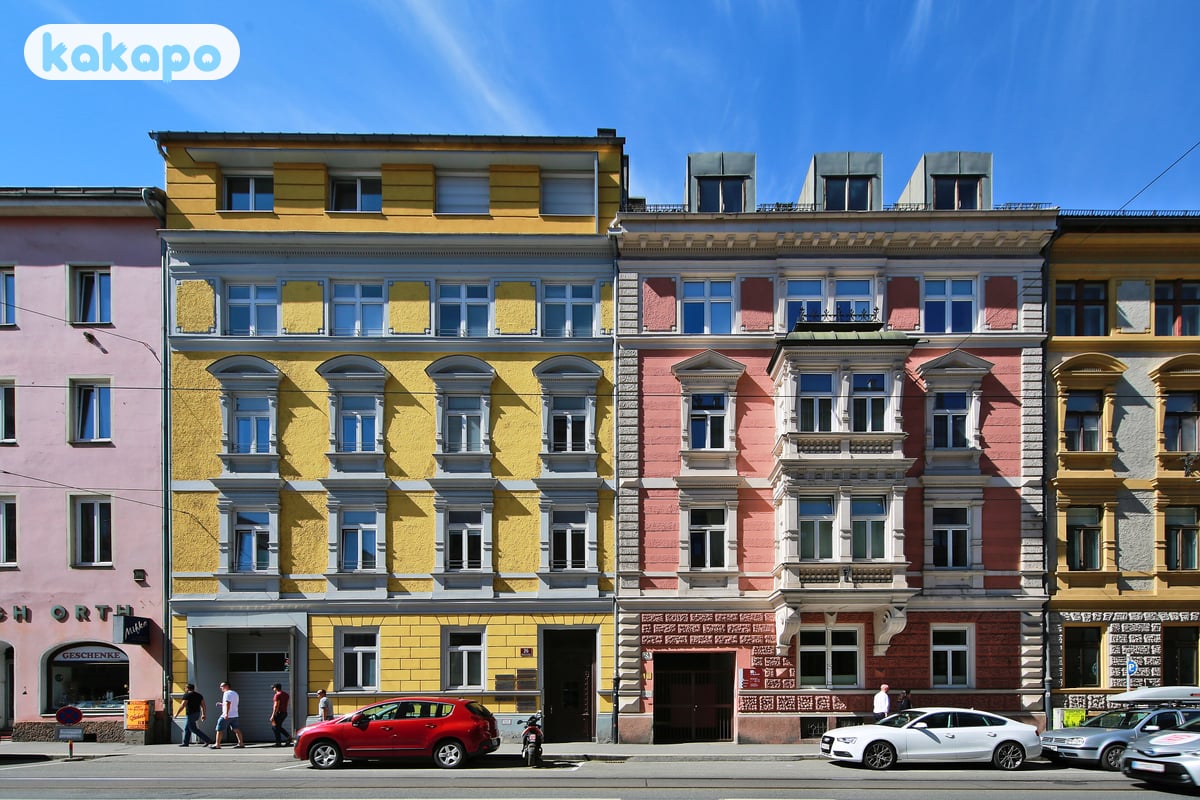
- The cable-car: the Hungerburgbahn → Seegrube → Hafelekar takes you from the centre to 2,256 m in under 30 min. Round trip €43.50.
- The trap: people in trainers and a t-shirt step off at Hafelekar and decide to "walk down". The descent is 1,400 vertical metres on rough alpine paths. Average rescue requests per summer: 80+.
- If you walk down: take the marked Goetheweg + Arzler Alm route, allow 4-5 hours, sturdy shoes, water. Not in afternoon rain.
- Avalanche risk: from the first snow to mid-May the off-piste Nordkette is dangerous. Multiple fatalities every season; Lawinenwarndienst Tirol publishes daily 1-5 risk levels.
- Free-ride skiing from Hafelekar requires avalanche kit (transceiver, probe, shovel) and a guide. Not optional.
Ski season — Stubai, Axamer Lizum, Hintertux
- Stubai Glacier: 45 min by ski-bus. Open Oct-Jun. Altitude 3,200 m — sunburn and altitude headaches catch first-day skiers out.
- Axamer Lizum: the 1976 Olympic mountain. 30 min from town.
- Hintertux: year-round glacier, 90 min away.
- Injury rates: Tyrol records ~30 ski/snowboard injuries per 1,000 skier-days. Helmets are standard, not optional. Knees, shoulders, collarbones.
- Insurance: confirm your policy covers off-piste. Air rescue is €4,000-€8,000. ÖAMTC and the Austrian Alpine Club (ÖAV) memberships include rescue cover for €70/year.
- Drink-and-ski: après-ski culture is real. Schnapps + an icy run = the most common avoidable injury.
Summer hiking — the rules above 2,000 m
- Weather windows: alpine thunderstorms develop typically after 1pm in summer. Be off ridges by noon; finish hut-to-hut transfers in the morning.
- Patscherkofel (2,246 m, opposite side of valley): cable-car-accessible, family-friendly, the safest first taste.
- Hut huts: Pfeishütte, Bettelwurfhütte etc. need ÖAV booking. Cash only at most.
- Klettersteig (via ferrata): rentals at Bergsport or Sport 2000. Innsbrucker Klettersteig is graded D — not for first-timers.
- Mobile reception: spotty above the tree line. Download the bergfex or ÖAV maps app offline.
- Emergency: 140 (alpine rescue) or 112 (general).
The Altstadt — petty crime is rare
- Goldenes Dachl, Maria-Theresien-Straße, Hofgarten: walkable, low-crime, safe at night.
- Pickpocketing: lower than in Vienna or Salzburg but still possible at the Christmas markets in Dec.
- Bergisel ski jump: Zaha Hadid building, accessible via tram 1. Worth the trip.
- Solo women: Innsbruck is comfortable solo at any hour. The riverside path along the Inn is well-lit.
- Late-night Bermuda triangle (Seilergasse): student/backpacker drinking area. Minor scuffles, nothing more.
Trams, buses, the airport
- IVB runs trams + buses; €2.80 single, €5.90 day pass. The Innsbruck Card includes most cable-cars + transit.
- Innsbruck Airport (INN): 4 km west; bus F to centre €2.80 (~15 min). Taxi €15-20.
- Trains: Munich 1h45m via DB/ÖBB; Zurich 3h30m; Vienna 4h15m via Westbahn.
- Driving: winter tyres mandatory Nov-Apr. Brenner Pass to Italy can close in heavy snow.
- Cycling: river path along the Inn is excellent in summer.
Weather — the föhn and what it does
- Föhn wind: hot dry alpine wind that can lift Innsbruck temperatures 10°C in hours. Locally blamed for headaches and bad moods; physiologically real.
- Inversion: in winter the valley traps cold air below warmer air above, holding pollution. Days where the air looks dirty are real — sensitive lungs feel it.
- Best season: mid-Jun to mid-Sep for hiking; mid-Dec to early-Apr for skiing. May and Oct are quiet shoulder months but cable-cars run reduced schedules.
Neighbourhood-by-neighbourhood breakdown
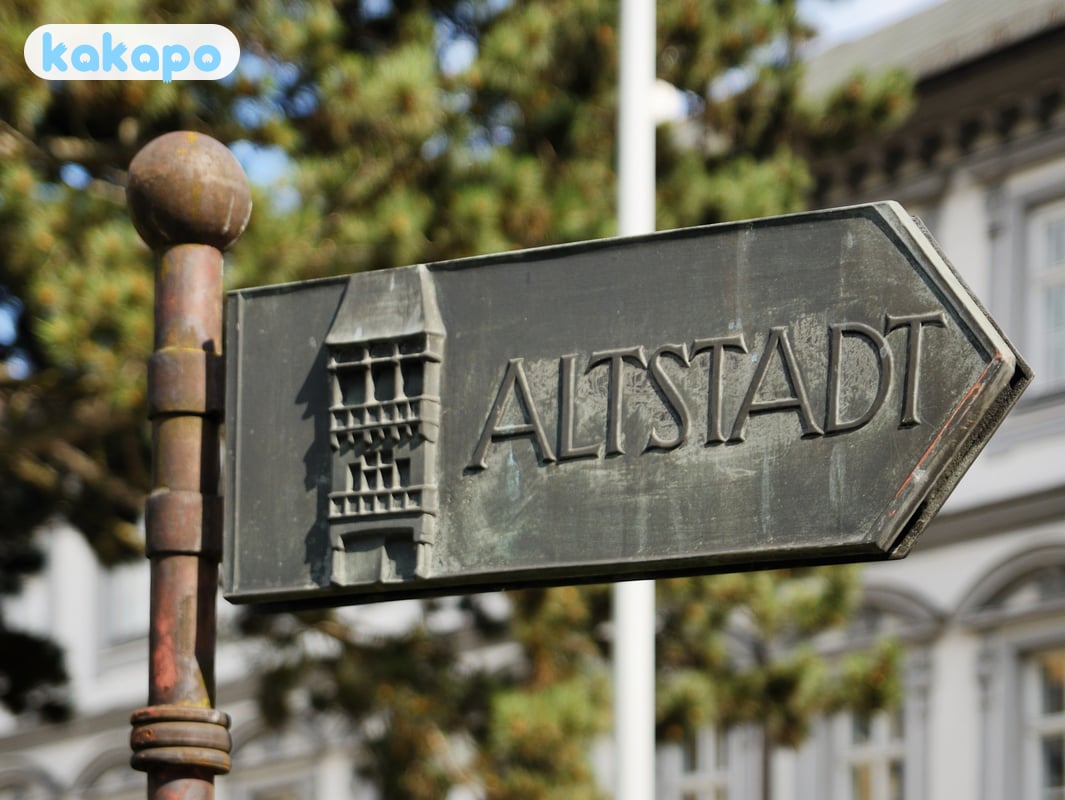
- Altstadt (Old Town) — the medieval core around the Goldenes Dachl (Friedrich IV's gilded-copper oriel from 1500), Helblinghaus, the Stadtturm climb (€4.50) and the Hofkirche with Maximilian I's bronze "Schwarze Mander" cenotaph. Walkable end-to-end in 15 minutes, pedestrianised, comfortably solo at any hour. Restaurants on Herzog-Friedrich-Straße are tourist-priced; one block toward the river drops it 30%.
- Maria-Theresien-Straße + the Triumphpforte — the main 18th-century boulevard running south of the Altstadt with the Anna column, the Triumphal Arch (built 1765 for the wedding-and-death of Emperor Franz Stephan), and the bulk of the shopping. Trams 1 and 3 run the length. Active until late, well-policed.
- Hungerburg + the Hungerburgbahn funicular — Zaha Hadid's swooping 2007 funicular stations carry you from Congress (the city station) up to Hungerburg village at 860 m in 8 minutes for €9.40 one-way. From here the Nordkettenbahn cable-cars continue to Seegrube (1,905 m) and Hafelekar (2,256 m). Hungerburg itself is a quiet hillside hamlet with the Alpenzoo and city-panorama benches.
- Bergisel — the ski-jump hill south of the river, redesigned by Hadid for the 2002 reopening (€11.50 to ride the inclined elevator + visit the tower café at the top). Hosts the Four Hills Tournament every January 4. Tram 1 from the centre, then a 10-minute walk uphill. Stay until dusk for the city-and-mountain panorama.
- Hofkirche + Hofburg + the Hofgarten — the imperial cluster on the north-east of the Altstadt: Maria Theresia's repainted Hofburg (€11), the Hofkirche with the bronze mourners, and the public Hofgarten with a chess garden and chestnut shade. Quiet by night.
- Wilten + Bergisel southern slopes — student-tilted, with Wilten Basilica's rococo interior, the Stiftskeller beer hall (the oldest serving in Innsbruck) and budget pensions. The "Bermuda triangle" on Seilergasse and adjacent streets is the late-night drinking cluster — minor scuffles, no real safety pattern.
- St. Nikolaus + Mariahilf (north bank of the Inn) — the photogenic pastel terraces opposite the Altstadt you see in every postcard. Quiet residential, the riverside Innpromenade walk, and the start of the cycle path west toward Zirl. Excellent calmer-stay neighbourhood.
- Innsbruck Airport (INN) + Kranebitten — the airport sits 4 km west of the centre in a flat valley pocket. Bus F runs every 15 minutes for €2.80 (~15 min to Hauptbahnhof); taxis are €15-20. Kranebitten is otherwise sleepy except for the climbing crag above.
- Stubaital day-trip (Neustift im Stubaital + the glacier) — the 35 km dead-end valley south-west of the city, ending at the Stubai Glacier ski area at 3,200 m. The 590 ski-bus from Innsbruck Hauptbahnhof runs hourly all winter, free with a ski pass; in summer the panorama gondola operates June-Oct. Neustift village is the practical base if you want one night closer to the lifts.
If it's your first time visiting
- Best arrival: Bus F from Innsbruck Airport (INN) into the Hauptbahnhof, €2.80, 15 minutes, runs every 15 min from 06:00 to 23:30. Taxi is €15-20 and saves you nothing meaningful. From Munich, the ÖBB Railjet runs the route in 1h 45m for €25-40 advance (€60+ walk-up), one of the most scenic short-haul mainline trips in Europe.
- Public transport: IVB runs trams 1, 2, 3, 5, 6, STB and the city buses. Single €2.80, day pass €5.90 — buy on the app or at any tobacconist (Trafik). The Innsbruck Card at €53/24h, €63/48h, €73/72h covers all transit, the Nordkettenbahn round-trip, the Patscherkofel cable-car, Bergisel, the Hofburg and most museums — pays back in one cable-car ride.
- Best neighbourhood for your first night: the Altstadt or just south of it on Maria-Theresien-Straße for walkable proximity to everything; St. Nikolaus across the river for quieter, postcard-pretty pastel terraces at 10-20% less. Avoid hotels east of the Hauptbahnhof (industrial, sleepy, walk feels longer than the map suggests).
- Day 1, jet-lag friendly: walk the Altstadt loop (Goldenes Dachl → Hofkirche → Hofgarten), lunch at Stiftskeller or Weisses Rössl (Tiroler Gröstl €15, schnitzel €22), take the Hungerburgbahn up to Hungerburg for the city panorama and the Alpenzoo, ride back down for evening Festival of Lights on Maria-Theresien-Straße. Skip the Hafelekar push on arrival day — altitude on no sleep is the wrong move.
- Don't walk down the Nordkette in trainers — the single most-repeated rookie mistake. 1,400 vertical metres on rough alpine paths, 4-5 hours, weather windows close after 1pm. Take the funicular both ways unless you have boots, layers, water and 5 hours of daylight.
- Common rookie mistakes: skiing the Nordkette off-piste without a guide and transceiver/probe/shovel kit (avalanche-fatal every season); driving the Brenner without checking webcams in heavy snow (closures cascade fast); buying lift tickets at the resort window when the IVB ski-bus + combined Olympia SkiWorld ticket is meaningfully cheaper; ordering tap water without saying "Leitungswasser, bitte" (most servers default to bottled at €5/litre); forgetting Tyrol's winter-tyre legal mandate Nov 1 - Apr 15 if you're driving — rental returns get fined.
- Currency: Euro (€). Cards accepted essentially everywhere; some mountain huts and the smaller Stuben restaurants are cash-only with hand-written bills. Carry €50-100 in small notes for huts, parking and the occasional Trafik kiosk.
- Book the Stubai or Hintertux in advance if you want a glacier day in summer — the panorama gondola at Stubai sells timed tickets online at €45 round-trip and morning slots fill in July-August.
- Alpine rescue insurance — ÖAMTC or Austrian Alpine Club (ÖAV) membership at ~€70/year covers helicopter evacuation that otherwise costs €4,000-8,000. Worth the day-of-arrival sign-up if you plan any above-2,000 m hiking or off-piste skiing.
Practical info — emergency numbers
- European emergency: 112.
- Alpine rescue: 140.
- Police: 133.
- Tirol Kliniken (LKH Innsbruck): +43 50 504 0.
Bring: an EHIC/GHIC card, travel + alpine-rescue insurance documentation, sturdy shoes, layered clothing for sudden temperature swings, and a contactless card (most places accept it though small huts are cash-only).
Frequently asked questions
Is Innsbruck safe to visit in 2026?
Yes — Innsbruck scores 90/100 here and is one of the safest cities in Europe by ordinary-crime measures. Austria sits at US State Department Level 1 and UK FCDO carries no specific warning. Pickpocketing is uncommon and the Altstadt is safe to walk solo at any hour. The real risks are alpine: the Nordkette rises directly above the city to 2,300m and gets ~80+ rescue requests per summer from casual walkers; off-piste avalanche risk from first snow to mid-May is fatal each season; Stubai and Hintertux glacier altitude (3,200m); and Tyrol's ski-injury rate of ~30 per 1,000 skier-days.
Is Innsbruck safe at night?
Yes. The Altstadt around Goldenes Dachl, Maria-Theresien-Straße and Hofgarten is comfortable and well-lit late. The Inn riverside path is lit and safe solo. The 'Bermuda triangle' on Seilergasse is the student/backpacker drinking area — minor scuffles, nothing more. Pickpocketing is lower than in Vienna or Salzburg but spikes at the December Christmas markets. Trams and buses run into the evening; the Hungerburgbahn funicular operates into the night. Drink-spiking is rare. The biggest night risk is après-ski schnapps combined with one more icy run home — the most avoidable injury source in Tyrol.
Is Innsbruck safe for solo female travellers?
Yes, very. Innsbruck is small (~133,000 residents), tourist-saturated and one of the easiest alpine cities for solo women. The Altstadt, riverside path along the Inn, and Bergisel are all routine solo experiences. Solo dining at Tyrolean Stube restaurants works fine. Solo skiing at Patscherkofel, Axamer Lizum or the Stubai glacier is standard; standard caveats — stay on marked pistes, off-piste needs guide plus transceiver/probe/shovel. Solo hiking up Patscherkofel is fine if you're back by early afternoon for thunderstorms; the Nordkette descent in trainers is the trap that catches 80+ rescues a summer.
Can you drink tap water in Innsbruck?
Yes — Innsbruck tap water is excellent, drawn from Tyrolean alpine springs and far exceeding EU standards. Public fountains throughout the Altstadt are drinkable. Restaurants serve tap (Leitungswasser) on request, though bottled is the cultural default. Carry a refillable bottle and refill at fountains. On hut hikes mountain springs are not automatically potable — many huts have non-potable signs at the tap. Bring full bottles for any cable-car-accessed walks. Hydration matters at altitude: Stubai glacier at 3,200m needs 3-4 litres a day to manage AMS risk.
What's the biggest scam to avoid in Innsbruck?
There isn't a real scam scene — Innsbruck is unusually low-scam. The closest things to traps: Innsbruck Card add-ons sold through third-party tour resellers when the official €43.50 round-trip Nordkettenbahn ticket is the same product; ski-rental shops adjacent to lift stations at marked-up prices over town centre shops (Sport Bittner, Sport 2000 in town are cheaper); and après-ski tour upcharges. The biggest 'getting taken' isn't crime — it's not knowing the ÖAMTC or Austrian Alpine Club (ÖAV) membership at ~€70/year covers air rescue evacuation that otherwise costs €4,000-8,000.
How risky is the Nordkette descent in trainers, really?
Genuinely risky and the single largest call-out source in the area. The Hungerburgbahn-Seegrube-Hafelekar funicular puts you at 2,256m above the city in under 30 minutes — visitors in trainers and t-shirts step off and decide to walk down. The descent is 1,400 vertical metres on rough alpine paths; average rescue requests per summer are 80+. If you walk down, take the marked Goetheweg plus Arzler Alm route, allow 4-5 hours, sturdy shoes, water, fleece and rain shell, and don't start in afternoon rain. Above 2,000m alpine thunderstorms develop typically after 1pm in summer — be off ridges by noon. Otherwise take the funicular both ways.
Sources
Run a business in Innsbruck?
Show visitors your Innsbruck business is a safe choice. The free Verified by Kakapo badge puts Innsbruck's live safety score on your website, links back to your verified page, and updates itself. No cost.
Get the free badge →