


Is Munich, Germany Safe? A 2026 Travel Safety Guide
Oktoberfest crowd safety, Hauptbahnhof awareness, alpine day-trip weather, and the realistic visitor risks of one of Germany's safest big cities.

Munich is one of Germany's safest cities and one of Europe's most orderly capitals — clean, prosperous, well-engineered, and consistently in global liveability top-10 rankings. The realistic visitor concerns are the genuinely dangerous crowd density at Oktoberfest (Wiesn), the standard Hauptbahnhof-area awareness common to major German rail hubs, summer heat (Munich gets 35°C+ heatwaves now), and the alpine day-trip weather that catches mountain-naive visitors out.
Both the UK FCDO and the US State Department list Germany at low advisory levels. Crime against tourists in Munich is rare; pickpocketing concentrated at Hauptbahnhof and on tourist-busy U-Bahn lines.
The honest framing for first-time visitors: Munich runs by the rulebook. People wait for green lights even with no cars. The U-Bahn is on time. Nothing about the day-to-day experience is risky. The two specific things to plan for are Oktoberfest crowd dynamics (if you're visiting in late September / early October) and the alpine weather if you're doing a Zugspitze or Garmisch day trip.
Visiting Munich for the first time, the thing that catches most travellers off-guard isn't crime — it's how thoroughly Bavarian the city is and how that's different from the rest of Germany. Lederhosen and dirndls are normal clothing here, especially at Oktoberfest and on a Sunday at a beer garden. Locals greet with "Grüß Gott" (literally "greet God") rather than "Guten Tag" — using the Northern German "Guten Tag" marks you instantly as foreign. The beer garden rule is: you can bring your own food but you must buy the beer; the Maß (1 litre) of Helles costs €13-15 at the famous gardens. People sit at communal tables and you can join any free seat ("Ist hier noch frei?" — Is this seat still free?). The catch-all "Servus" works as both hello and goodbye and you'll hear it everywhere.
In 2026, the specific things that have changed since pre-pandemic include: MVV tap-to-pay rolled out fully on all S-Bahn, U-Bahn, tram and bus readers (€4 single inner zone, €9.20 day pass, €17.80 group day for up to 5); the €58 Deutschland-Ticket (monthly nationwide regional/local rail pass) makes day trips to Salzburg, Nuremberg and the Alps absurdly cheap; the Hauptbahnhof rebuild is finally visibly progressing, with the southern Bayerstraße entrance reopened in 2025; the Englischer Garten Eisbach surfers remain Munich's signature unlicensed-but-tolerated tradition; and the post-Oktoberfest security model now includes mandatory bag checks at Wiesn entrances (no big bags, no glass bottles) following 2023-2025 security recalibration.
| Night safety | 84/100 |
|---|---|
| Scam / petty-crime risk | Medium |
| Violent crime (tourists) | Low |
| Most common scams | pickpocketing at Hauptbahnhof; pickpocketing on tourist-busy U-Bahn lines; crowd-crush risk at Oktoberfest |
| Safer neighbourhoods | Altstadt (Marienplatz), Maxvorstadt, Schwabing |
| Data sources cited | 4 |
| Last verified |
What the score means — 88/100
- Healthcare (92) — German universal healthcare excellent. Klinikum rechts der Isar, Klinikum Großhadern, München Klinik major hospitals.
- Transport (92) — MVV S-Bahn, U-Bahn, trams, buses. Cheap, on-time. Used by everyone.
- Personal safety (88) — high. Pickpocketing concentrated at Hauptbahnhof and Marienplatz at peak hours.
- Night (80) — central Munich alive late and policed. Hauptbahnhof / Schillerstraße area gets edgier late.
Oktoberfest — the crowd-safety reality
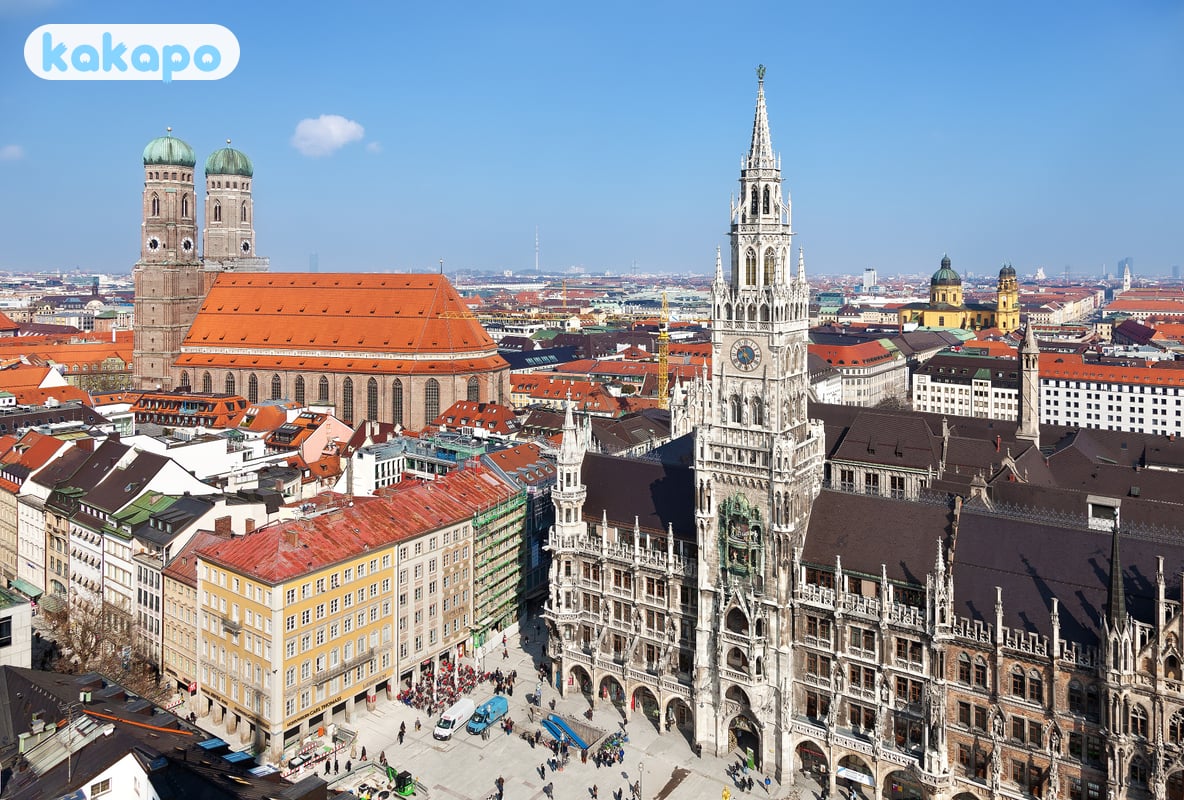
Oktoberfest (the "Wiesn") runs mid-September to early October on the Theresienwiese. ~6 million attendees in 16 days. Crowd density at peak times (Saturday afternoons in the big tents, the parade) is genuinely intense.
- Tent reservations: most of the famous tents (Hofbräu, Augustiner, Schottenhamel) require advance reservations. Walk-up access is tightly limited at peak hours.
- Drinking: 1L Maß beers; 5-7% ABV; most people have 2-4 over an afternoon. Hospitalisation for alcohol overdose ("Bierleichen" — beer corpses) is a real local statistic.
- Crowd-crush risk: real at the entrance to popular tents on busy days. If a crowd is moving en masse, move with it; don't fight it.
- Pickpocketing: the Wiesn is one of Europe's most-pickpocketed environments per square metre. Phone deep in zipped pocket; backpack in front.
- Late-night assault rates tick up during Oktoberfest, especially around 1-3am near the U-Bahn. Take a taxi or stay with friends; don't walk alone.
- Lost children: bring kids? The "Lost Children" tent is at Service Center Süd. Take a photo of your kid in their outfit each morning.
Hauptbahnhof and the streets around it
- Hauptbahnhof is Munich's main rail station and the standard German "edgier than the rest of the city" hub — homeless, drug-affected individuals, occasional aggressive begging.
- Pickpocketing on the platforms and in the underground concourses.
- The streets to the south (Schillerstraße, Bayerstraße) historically had a low-grade red-light vibe. Gentrified considerably; daytime fully fine, late-night solo walking less so.
- The streets to the north (Maxvorstadt, Schwabing) are gentrified and very safe.
- Practical advice: arrive at Hauptbahnhof, get on the S-Bahn or U-Bahn or take a taxi, leave. Don't linger inside the station after dark.
Areas — comfortable everywhere a tourist would go

Recommended for visitors: Altstadt (Marienplatz) (the historic centre — Frauenkirche, Viktualienmarkt), Maxvorstadt (museums quarter, university), Schwabing (residential, cafés, lively), Glockenbachviertel (LGBTQ+ friendly, restaurants), Lehel (residential, Englischer Garten access), Haidhausen (gentrified east side).
Englischer Garten: one of Europe's largest urban parks. Famous for the surfers at Eisbach, beer gardens (Chinesischer Turm), and naked sunbathing in summer (designated FKK areas). Fully safe day or night.
There are no specific "no-go" zones for tourists in Munich proper.
Alpine day trips — Garmisch, Zugspitze, Neuschwanstein
- Neuschwanstein Castle: 1.5h south of Munich. Pre-book timed-entry tickets. The walk up from Hohenschwangau is steep; horse carriages available. Crowded year-round.
- Zugspitze: Germany's highest peak, 2,962m. Cogwheel railway + cable car. Same altitude considerations as Switzerland — go up acclimatised, dress in layers, weather changes fast.
- Garmisch-Partenkirchen: alpine resort town. Skiing in winter (Zugspitze area, Garmisch-Classic). Hiking in summer.
- Bayerische Voralpen weather: changes fast; check the forecast; dress in layers.
S-Bahn, U-Bahn, taxis, the airport
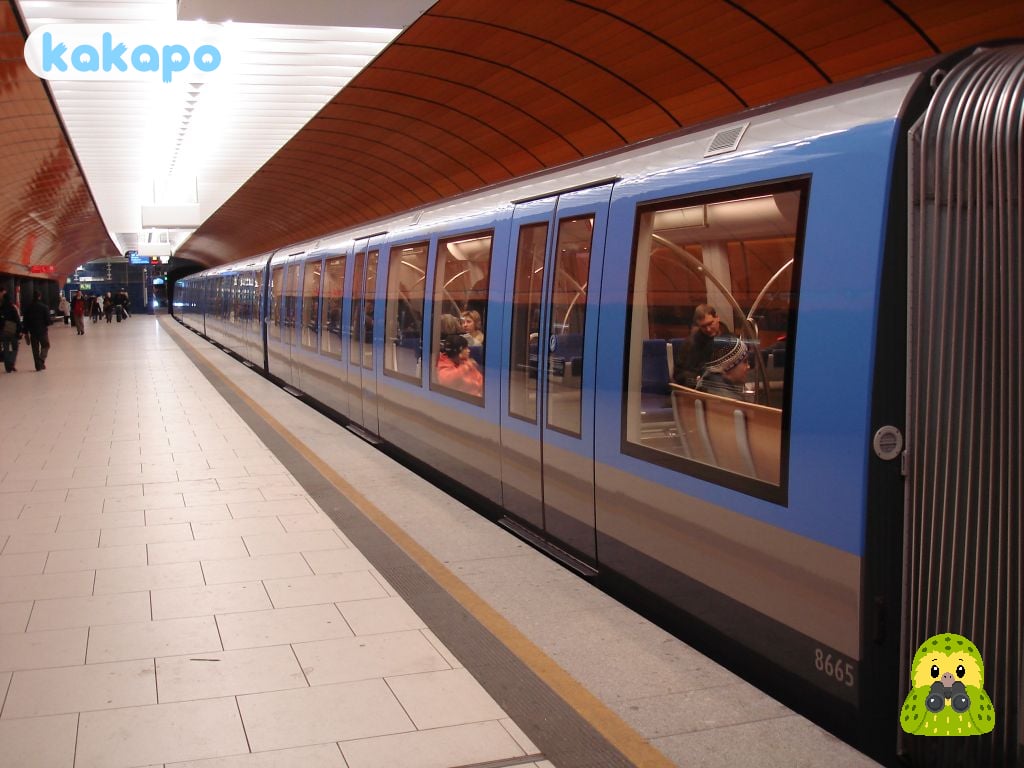
- MVV ticket: covers S-Bahn, U-Bahn, trams, buses. Single ticket €4 in central zones; day pass €9.20.
- S-Bahn 1/8 connects the airport to the central station (~40 min, €13.30).
- Taxis: regulated, metered. Honest. FREE NOW and Bolt also operate.
- Driving: not recommended in central Munich (Umweltzone restrictions, parking limited). Fine for alpine day trips on the Autobahn.
- Munich Airport (MUC) to centre: S-Bahn (above) or Lufthansa Express Bus €13. Taxi €70-90.
Neighbourhood-by-neighbourhood breakdown
- Altstadt (Marienplatz) — the historic centre, Frauenkirche, Viktualienmarkt food market, Hofbräuhaus. Heavily policed, very safe day and night. Pickpockets work the Glockenspiel crowd at 11am/12pm/5pm.
- Maxvorstadt — the museums quarter (Pinakotheken, Lenbachhaus, Brandhorst), university district. Calm, café-rich, very safe.
- Schwabing — north, the leafy bohemian-historical quarter, Leopoldstraße spine, Englischer Garten access. Cafés, restaurants, calm and safe.
- Glockenbachviertel / Gärtnerplatz — south of Altstadt, LGBTQ+ heart of the city, lively bars and restaurants. Very safe and gentrified.
- Lehel — east of Altstadt, residential, access to the Englischer Garten and the Haus der Kunst. Quiet, upscale, very safe.
- Haidhausen — east across the Isar, gentrified, the "French Quarter" of narrow streets, Wiener Platz market. Excellent food scene, very safe.
- Englischer Garten — the giant urban park. Eisbach surfers at the south end, the Chinesischer Turm beer garden in the middle, naked sunbathing in the FKK areas (designated). Safe day and night.
- Hauptbahnhof / Schillerstraße — the central station and the streets immediately south. Daytime functional; late-night the area gets edgier — historic low-grade red-light strip, gentrified but not where solo tourists want to walk at 2am. Take the U-Bahn or a taxi to your hotel.
- Theresienwiese — the Oktoberfest grounds in the Ludwigsvorstadt district. Empty most of the year; festival site only mid-September to early October.
If it's your first time visiting
- Best arrival airport: Munich-Erding (MUC), 35 km north-east. To centre: S-Bahn S1 or S8 €13.30 in 40 min (or use day pass), Lufthansa Express Bus €13, taxi €70-90. Memmingen (FMM) for low-cost — Allgäu Airport Express bus €17 in 90 min.
- Public transport: MVV S-Bahn/U-Bahn/tram/bus. Tap-to-pay on every reader. €4 inner-zone single, €9.20 day pass, €17.80 group day pass for up to 5 (incredible value). The €58 Deutschland-Ticket covers all of Germany's local/regional transport.
- Best neighbourhood for your first night: Altstadt for centrality, Maxvorstadt or Schwabing for calm with quick centre access, Glockenbachviertel for atmosphere and food. Avoid first-time bookings on Schillerstraße directly south of the station.
- Day 1, jet-lag friendly: Marienplatz for the Glockenspiel chime, Viktualienmarkt for a snack-walk through the food stalls, beer-garden lunch at Augustiner or Hofbräuhaus (Maß €13-15), afternoon Englischer Garten walk with the Eisbach surfers and an Aperol at the Chinesischer Turm beer garden. No museums; no Neuschwanstein day-trip.
- Beer garden rules: you can bring your own food (it's a Bavarian legal right) but you must buy the beer at the garden. Communal tables — "Ist hier noch frei?" to claim a seat. Closes early (10-11pm).
- Common rookie mistakes: ordering "Bier" without specifying a style (default depends on garden; "ein Helles" is the safe order); jaywalking at empty intersections in front of locals (you'll be tutted at, occasionally fined); confusing "Servus" with anything other than the Bavarian default greeting/farewell; assuming the train will be late (it won't be — be on the platform 5 min early).
- For Oktoberfest visitors: tent reservations open in February for the September event; without one, queue at 8am for the famous tents on weekends. No big bags allowed in the Wiesn. Limit beer pacing (2-4 Maß across the afternoon, not in an hour). Take a taxi or U-Bahn back; the late-night assault uptick is real.
- Neuschwanstein: pre-book timed entry months ahead. The castle itself is 30 minutes inside; the queue and walk-up are 2-3 hours. Day-trip from Munich is 8-10 hours door-to-door.
Practical info — emergency numbers
- Emergency: 112 (police, fire, ambulance — works EU-wide).
- Police: 110.
- München Klinik Schwabing: +49 89 3068 0.
Bring: a card without foreign-transaction fees, an unlocked phone (Vodafone, Telekom, O2 prepaid SIMs), comfortable shoes, layered clothing, and travel insurance. Tap water is excellent.
Frequently asked questions
Is Munich safe to visit in 2026?
Yes. Munich is one of Germany's safest cities and consistently in global liveability top-10 rankings. UK FCDO and US State Department both list Germany at low advisory levels. Crime against tourists is rare. Realistic concerns are Oktoberfest crowd density, standard Hauptbahnhof-area awareness, summer heat (35°C+ heatwaves now occur), and alpine day-trip weather — not violent crime.
Is Munich safe at night?
Yes. Central Munich (Altstadt, Maxvorstadt, Schwabing, Glockenbachviertel) stays alive late and policed. Walking back to a central hotel from a beer garden at midnight is fine. The exception is the area immediately around Hauptbahnhof — the streets to the south (Schillerstraße, Bayerstraße) historically had a low-grade red-light vibe; gentrified considerably but late-night solo walking less ideal. Take a taxi or U-Bahn after dark from the station.
Is Munich safe for solo female travellers?
Yes. Munich ranks among the safer European cities for solo women. The MVV transport network is clean and reliable at all operating hours, central neighbourhoods are well-lit, and there are no specific 'no-go' zones for tourists. The Englischer Garten is safe day or night. During Oktoberfest, late-night assault rates tick up around 1-3am near the U-Bahn — take a taxi or stay with friends, don't walk alone.
Can you drink tap water in Munich?
Yes. Munich's tap water is among Europe's best — sourced from springs in the Bavarian foothills and the Mangfall Valley, regulated to mineral-water quality. Free at every restaurant on request. Refill bottles anywhere; public fountains across the city are drinkable.
Is Oktoberfest safe?
Yes with awareness. ~6 million attendees in 16 days create genuinely intense crowd density at peak times (Saturday afternoons in the big tents, the parade). Realistic risks: alcohol overdose (1L Maß beers, 5-7% ABV — local hospitalisations called 'Bierleichen' are a real statistic), pickpocketing (the Wiesn is one of Europe's most-pickpocketed environments per square metre), late-night assaults around 1-3am near the U-Bahn (take a taxi), and crowd-crush at tent entrances on busy days. Reserve tents in advance for the famous ones (Hofbräu, Augustiner, Schottenhamel). Phone deep in zipped pocket, backpack in front.
Is the Zugspitze day trip dangerous?
Not technically but it punishes unprepared visitors. Germany's highest peak at 2,962m — accessible by cogwheel railway and cable car, so no climbing required. The risks are altitude, weather, and clothing. The Bayerische Voralpen weather changes fast; check the forecast morning-of and dress in layers (a sunny Munich morning can mean snow on the summit). Same altitude considerations as Switzerland — go up acclimatised, descend if you feel unwell. Neuschwanstein day trips are entirely safe but pre-book timed-entry tickets and expect steep walks.
Sources
Run a business in Munich?
Show visitors your Munich business is a safe choice. The free Verified by Kakapo badge puts Munich's live safety score on your website, links back to your verified page, and updates itself. No cost.
Get the free badge →