


Is Zurich, Switzerland Safe? A 2026 Travel Safety Guide
Zurich is among Europe's safest cities. The honest concerns: the cost, Bahnhofstrasse pickpockets, the lake-swim culture, and alpine day-trip altitude.

Zurich is one of Europe's safest cities. Violent crime against tourists is essentially zero. The realistic concerns are mundane: opportunistic pickpocketing on Bahnhofstrasse and at Hauptbahnhof during peak hours, the lake-swim culture (cold-shock at depth, boat traffic on summer weekends), the alpine day-trip altitude exposure (Uetliberg is a gentle 871 m, but Säntis or Titlis are 2,500-3,000 m within 90 min), and the simple fact that Zurich is consistently the most expensive city in our scoring — a normal day's spending here is double Vienna or Berlin.
Switzerland sits at Level 1 on the US State Department's advisory list. UK FCDO carries no specific warning. The honest framing: Zurich is calm, predictable, transit-precise, and cleaner than your kitchen. The thing that catches travellers out is the bill.
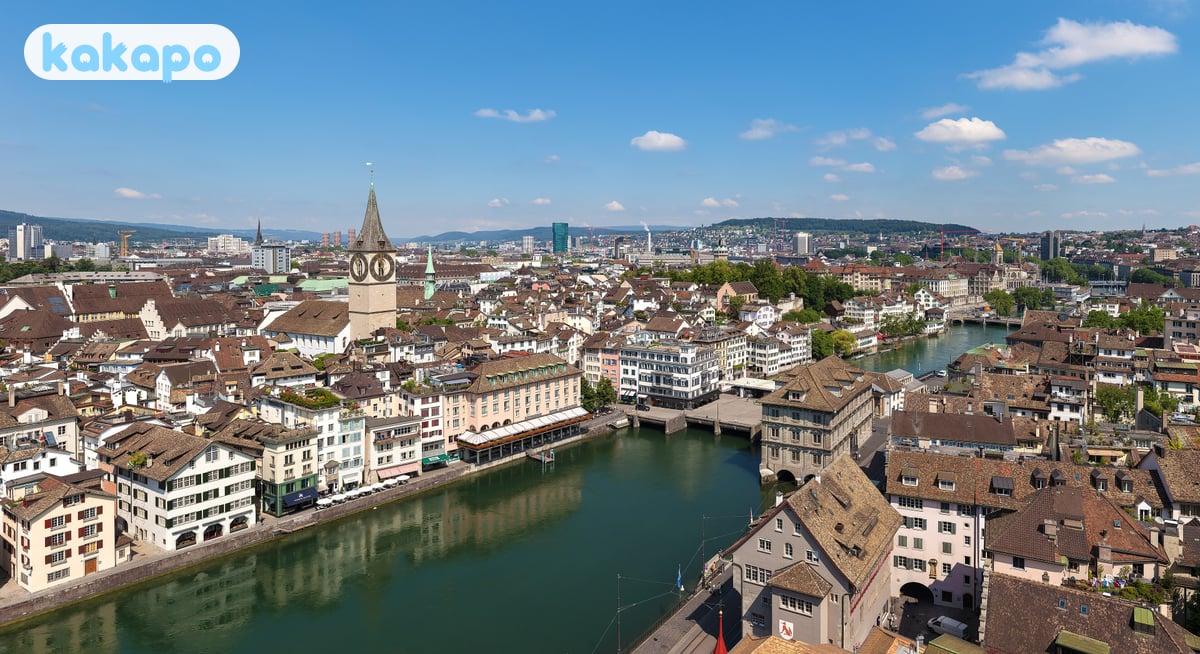
Zurich is mid-sized (~440,000 in city, ~1.4M metro). Bahnhofstrasse and the Old Town (Niederdorf), the Grossmünster + Fraumünster, the Kunsthaus, lake bathing at Seebad Enge or Rimini Bar, Uetliberg, and Rhine Falls (Schaffhausen) day trip are the anchor experiences.
Visiting Zurich for the first time, the thing that catches most travellers off-guard isn't crime — it's how every interaction comes with a small bill attached. A coffee CHF 5.50, a tram trip CHF 4.40, a casual dinner CHF 60+, a beer at a Niederdorf bar CHF 9-12. Locals manage with the Tagesmenü weekday-lunch culture (CHF 18-25 at any Beiz tavern), Migros and Coop supermarket sandwiches (CHF 6-9), and the 1,200+ public drinking fountains across the city (filling your bottle from the Lindenhofbrunnen is genuinely better than buying water). The local greeting is "Grüezi" (formal hello, mandatory in Swiss German cantons) — using "Hallo" or "Bonjour" marks you instantly as foreign or from Geneva. "Merci vielmal" is the deeply Swiss thank-you. Punctuality is real — the tram leaves at 14:07 means 14:07, and the conductor's polite weltschmerz at a tourist who runs for it is its own micro-culture.
In 2026, the specific things that have changed since pre-pandemic include: the ZVV "EasyRide" tap-and-go system on every tram, bus and S-Bahn means you can skip ticket machines entirely (CHF 4.40 single zone 110, CHF 8.80 day, CHF 27 ZurichCard 24h including museums); the Limmattal tram extension and the Hardbrücke S-Bahn expansion have improved Zürich West connectivity; the Zurich HB-to-airport S2/S16 is now 10 minutes flat for CHF 6.80 (or 7 minutes on the new RegioExpress); the Langstrasse gentrification has accelerated post-pandemic, with old red-light venues replaced by craft-cocktail bars (though the legal sex-work street operates as always); and Swiss franc strength against the dollar and euro in 2024-2025 means budget 30-40% more than equivalent European trips.
| Night safety | 91/100 |
|---|---|
| Scam / petty-crime risk | Medium |
| Violent crime (tourists) | Low |
| Most common scams | pickpocketing on Bahnhofstrasse; pickpocketing at Hauptbahnhof; drink-spiking in Langstrasse side streets |
| Safer neighbourhoods | Kreis 1 (Altstadt — Niederdorf and Lindenhof), Kreis 4 (Langstrasse), Kreis 5 (Industriequartier / Zürich West) |
| Data sources cited | 4 |
| Last verified |
What the score means — 90/100
- Healthcare (94) — Universitätsspital Zürich is among Europe's best.
- Transport (94) — ZVV trams + S-Bahn + buses, all on one ticket. Pristine.
- Personal safety (92) — extremely high. Pickpocketing at peak crowds the only meaningful concern.
- Air quality (88) — generally clean; Föhn-wind events plus winter inversions push particulate up briefly.
Cost — the honest numbers
- Currency: Swiss franc (CHF). 1 CHF ≈ 1 EUR roughly.
- Coffee: CHF 4.80-6.50.
- Casual lunch: CHF 25-40 ("Tagesmenü" is the cheap option locals use).
- Dinner: easy CHF 60-100/person at midrange. Fondue at Swiss Chuchi from CHF 38 + drinks.
- Hotels: CHF 280-600/night for 3-4 star. Hostel beds CHF 60-90.
- Tap water: free, excellent. The 1,200+ public fountains in the city are drinkable.
- The supermarket trick: lunch at Migros or Coop for CHF 12-15 instead of CHF 35 at a café. Locals do it.
- Tipping: not required. Service is included. Round up.
- Cards: universal; many places card-only.
Bahnhofstrasse and Hauptbahnhof — pickpocketing
- The reality: Bahnhofstrasse (luxury shopping) and Hauptbahnhof (HB, the train station) record most of the city's pickpocket reports — international standards apply, just at lower base rates than Berlin or Paris.
- Hotspots: the Migros-side concourse at HB, tram stops along Bahnhofstrasse 7-9 (peak hour), the Paradeplatz crowd.
- Common techniques: standard distraction-and-lift. Watches off wrists at café tables in Kreis 1.
- Practical defence: front pocket only, bag in front in crowds.
- Late-night HB: a small visible drug-treatment scene around the side streets (Gassenarbeit zone). Daytime through the station is fine; late-night solo just take a tram or Bolt.
- Lockers: at HB basement, secure and easy.
Lake Zurich swimming — cold-shock and boat traffic
- The badi culture: Zurich runs ~20+ lake/river bathing sites (Badi). Free or CHF 8 for the staffed ones. Locals swim from May through into October.
- Recommended: Seebad Enge (lake, central), Frauenbad Stadthausquai (women only, river), Flussbad Oberer Letten (river, Letten — atmospheric).
- Cold-shock: lake surface 18-22°C in August, dropping to 10-14°C below 3 m. Most alpine-lake drownings are cold-shock-related; enter slowly.
- Boat traffic: lake boats (ZSG) and private craft are real. Swim at the badi, not in the open lake fairway.
- The Limmat float: a Zurich tradition — float down the Limmat from the lake to Letten. Slow water; bring a swim-buoy. Don't drink and float.
- Currents: minor at the lake outflow. Don't swim past the badi-buoy line.
Alpine day trips — altitude, weather
- Uetliberg: 871 m, S-Bahn S10 from HB (~25 min, CHF 8.80 round trip). Easy walk; family-friendly.
- Säntis: 2,502 m, 2.5 hours by train + cable car. Day-trippable.
- Mt Titlis: 3,020 m via Engelberg. Day-trippable but long.
- Rhine Falls: 50 min by train; €5 pedestrian access on the south side.
- Sudden weather: cloud at 2,500 m arrives in 20 min. Bring a fleece + windproof shell year-round.
- REGA membership: CHF 40/year individual, CHF 80/year family. Waives helicopter-rescue costs for serious alpine activity. Confirm travel insurance covers Swiss heli-rescue.
- Avalanche: SLF.ch publishes daily 1-5 risk levels. Don't off-piste without a guide.
Niederdorf and the Old Town — nightlife
- Niederdorf: the medieval Old Town east of the Limmat. Cobbled streets, bars, restaurants.
- Langstrasse (Kreis 4): the historic red-light + nightlife strip. Gentrifying fast. Safe enough for tourists but the sex-work scene is more visible than typical Swiss-city. Police presence good.
- Kreis 5 (Industriequartier / Zürich West): hip district; bars, Frau Gerolds Garten, Viadukt. Safe.
- Drink-spiking: rare in Zurich; ordinary precautions.
- Solo women: comfortable in well-trafficked streets; less in Langstrasse side streets late.
- Cobbles: Niederdorf's are slick when wet. Sturdy shoes.
Trams, S-Bahn, the airport
- ZVV: tram + bus + S-Bahn integrated. Single (1 zone) CHF 4.40, 24h CHF 8.80, ZurichCard 24h CHF 27 includes museums.
- Validate: most tram/bus tickets are tap-and-go now; rail tickets buy at machine first. Inspectors fine CHF 100 + the fare on the spot.
- Zurich Airport (ZRH): 10 km north. S-Bahn S2/S16 to HB CHF 6.80, ~10 min. Taxi CHF 60-70.
- Trains: SBB ICE Zurich-Munich 4h, Zurich-Basel 1h, Zurich-Geneva 2h45m, Zurich-Milan 3h15m.
- Driving: don't drive into the centre — limited paid parking and one-way mazes.
- Cycling: PubliBike share, dense bike-lane network.
Neighbourhood-by-neighbourhood breakdown

- Kreis 1 (Altstadt — Niederdorf and Lindenhof) — the medieval Old Town on both sides of the Limmat, the Grossmünster and Fraumünster, the Lindenhof viewpoint. Heavily policed, very safe. Cobbles get slippery when wet. Pickpockets occasionally work the Bahnhofstrasse-Paradeplatz tram stops.
- Bahnhofstrasse / Paradeplatz — the luxury shopping spine from HB to the lake, Sprüngli chocolate, the banking palaces. Polished, very safe, eye-wateringly expensive.
- Kreis 4 (Langstrasse) — the historic red-light and nightlife strip west of HB. Gentrifying rapidly with craft cocktail bars next to legal brothels. Safe enough for tourists with awareness; visible sex work; police presence good. The side streets late at night are the only zone in Zurich with any real "be alert" energy.
- Kreis 5 (Zürich West / Industriequartier) — gentrified former industrial district, Frau Gerolds Garten, Im Viadukt, the Prime Tower. Hip restaurants and bars, very safe.
- Kreis 6 (Oberstrass / Unterstrass) — leafy residential north, ETH/university territory, the Polyterrasse viewpoint. Calm, very safe.
- Kreis 7 (Hottingen / Witikon) — eastern hillside residential, expensive houses with lake views. Quiet, very safe.
- Kreis 8 (Seefeld) — lakeside east, the Opera House, the Kunsthaus, the most-photographed lake promenade. Polished, very safe, lovely evening walks.
- Enge / Wollishofen (lakeside west) — residential lakeside, Seebad Enge and the Rieterpark. Calm and safe.
- Hauptbahnhof / immediate surrounds — central station with a small visible drug-treatment scene in the side streets late at night (the Gassenarbeit zone). Daytime entirely fine; late-night solo just take a tram.
If it's your first time visiting
- Best arrival airport: Zurich (ZRH), 10 km north — Switzerland's main international gateway, integrated into the rail network. To centre: S-Bahn S2 or S16 to Hauptbahnhof CHF 6.80 in 10 min, or the RegioExpress in 7 minutes (same fare). Taxi CHF 60-70 — never the cost-sensible option here.
- Public transport: ZVV runs trams, S-Bahn and buses on one ticket. Tap-to-pay (EasyRide) or buy at the machine. CHF 4.40 single zone 110, CHF 8.80 24h zone 110, CHF 27 ZurichCard 24h (includes museums — by far the best value). Validate everything: fines are CHF 100+ on the spot. SBB inter-city trains depart from HB to Basel, Bern, Geneva, Milan, Munich.
- Best neighbourhood for your first night: Kreis 1 (Altstadt or Niederdorf) for centrality and atmosphere, Seefeld (Kreis 8) for the lake walks, Zürich West (Kreis 5) for hip cheaper-ish modern. Avoid first-time bookings directly on Langstrasse if you want quiet.
- Day 1, jet-lag friendly: walk Bahnhofstrasse to the lake, Lindenhof viewpoint for the Limmat skyline, Niederdorf for lunch (Zeughauskeller for hearty Swiss, or Tagesmenü at any neighbourhood Beiz for CHF 22-28), late-afternoon Uetliberg via S10 (25 min, CHF 8.80 return) for sunset, evening fondue or lake-walk dinner in Seefeld. No alpine day trips.
- Manage the cost: Tagesmenü weekday lunch CHF 18-25; Migros and Coop supermarket meals CHF 6-12; the 1,200+ public fountains are drinkable (refill, don't buy water); ZurichCard 24h CHF 27 includes museums + transport. Cards work everywhere.
- Common rookie mistakes: not validating a paper ticket (CHF 100 fine on the spot); ordering bottled water by default at restaurants (CHF 8 for what's free from the fountain outside); going for a "quick swim" in Lake Zurich without realising the cold-shock at 3m depth (10-14°C in August below the surface, kills inexperienced swimmers); attempting Säntis or Titlis without layers (sudden cloud, wind chill below freezing year-round above 2,500m); paying CHF 6 for an espresso in tourist-row cafés when the same costs CHF 4 a block away in Kreis 4.
- For lake swimming: stick to the staffed badis (Seebad Enge, Strandbad Mythenquai, Frauenbad Stadthausquai). Enter slowly. The Limmat float from the lake down to Letten is a summer Zurich rite — bring a swim-buoy, don't combine with drinking.
- Tap water from any city fountain is excellent. Look for "Trinkwasser" or just trust it — the city is genuinely proud of the water.
Practical info — emergency numbers
- European emergency: 112.
- Police: 117.
- Ambulance: 144.
- Air rescue (REGA): 1414 (in CH); +41 333 333 333 internationally.
- Universitätsspital Zürich: +41 44 255 11 11.
Bring: layered clothing (lake breeze + alpine), shoes with grip for cobbles, swimwear May-September, a contactless card, an unlocked phone (Salt, Sunrise, Swisscom prepaid SIMs), and travel insurance. EHIC/GHIC is accepted bilaterally.
Frequently asked questions
Is Zurich safe to visit in 2026?
Yes — Zurich scores 92/100 here and is one of Europe's safest cities. Switzerland sits at US State Department Level 1 and UK FCDO carries no specific warning. Violent crime against tourists is essentially zero. The realistic concerns are mundane: opportunistic pickpocketing on Bahnhofstrasse and at Hauptbahnhof during peak hours, cold-shock when swimming Lake Zurich (10-14°C below 3m even in August), alpine-day-trip altitude exposure (Säntis 2,502m or Titlis 3,020m within 90 minutes of the city), and the cost — Zurich is consistently our most expensive city, with hotels at CHF 280-600/night and dinner easily CHF 60-100 per person.
Is Zurich safe at night?
Yes. Niederdorf, the Old Town, Kreis 5 (Zürich West) and the Bahnhofstrasse corridor all stay comfortable late and trams run frequently. Langstrasse (Kreis 4) is the historic red-light and nightlife strip — gentrifying fast, safe enough for tourists but with more visible sex work than other Swiss cities; police presence is good. Hauptbahnhof has a small visible drug-treatment scene in the side streets late at night (the Gassenarbeit zone); daytime is fine, late-night solo just take a tram or Bolt. Drink-spiking is rare. Cobbles in Niederdorf get slick when wet.
Is Zurich safe for solo female travellers?
Yes, exceptionally. Zurich consistently ranks among Europe's safest cities for solo women. Niederdorf, Bahnhofstrasse, Kreis 5 and the lake badis are all routine solo experiences day or night. Solo dining is the cultural norm at lunch and accepted at dinner. Trams run late and feel safe. The Frauenbad Stadthausquai (women-only river bath) is a Zurich institution. Solo lake swimming at staffed badis like Seebad Enge is standard. Langstrasse side streets late at night are the only zone worth a small extra awareness — main strips are fine. Drink-spiking is rare.
Can you drink tap water in Zurich?
Yes — Zurich tap water is excellent and free, drawn from Lake Zurich and groundwater, exceeding EU standards. The 1,200+ public fountains across the city are all drinkable unless specifically signed otherwise; they're a Zurich civic point of pride. Restaurants will bring tap water (Hahnenwasser) on request without fuss, though many serve bottled by default at no extra prompt. Carry a refillable bottle and refill at fountains — saves real money in CHF 4.80-6.50 coffee territory. On alpine day trips most stations have fountains; bring a bottle. Refusing bottled water is one of the easier ways to manage Zurich's cost.
What's the biggest scam to avoid in Zurich?
There genuinely isn't much of a scam scene in Zurich — it's one of Europe's most honest cities. Pickpocketing on Bahnhofstrasse tram stops 7-9 at peak hour and at HB platforms is the main petty crime; watches lifted off café tables in Kreis 1 also happen. Beyond that, the biggest 'getting taken' isn't crime — it's not knowing that Tagesmenü lunch at Migros or Coop runs CHF 12-15 instead of CHF 35 at the café next door, that ZurichCard 24h at CHF 27 includes museums and trams, and that fondue at Swiss Chuchi is honest pricing. Validate transit tickets — inspectors fine CHF 100 on the spot.
Is summer lake-swimming and the Limmat river float safe?
Yes, at the staffed badis with sensible precautions. Lake Zurich surface is 18-22°C in August but drops to 10-14°C below 3m — most alpine-lake drownings are cold-shock related, so enter slowly. Stay inside the badi-buoy line; ZSG lake boats and private craft don't watch for swimmers in the open fairway. Seebad Enge, Frauenbad Stadthausquai (women-only river) and Flussbad Oberer Letten are the go-tos. The Limmat float from the lake down to Letten is a Zurich tradition — slow water, bring a swim-buoy, don't combine with drinking. Currents at the lake outflow are minor but real.
Sources
Run a business in Zurich?
Show visitors your Zurich business is a safe choice. The free Verified by Kakapo badge puts Zurich's live safety score on your website, links back to your verified page, and updates itself. No cost.
Get the free badge →