


Is Helsinki, Finland Safe? A 2026 Travel Safety Guide
Winter ice on the harbour, summer mosquitoes, the Russia-border context, and the realistic risks of Northern Europe's safest capital.

Helsinki is one of the safest capitals in Europe — Finland consistently ranks #1 globally on multiple safety and well-being indices. The realistic visitor risks are not crime; they are winter (sub-zero temperatures, slippery harbour ice, occasional whiteout), summer mosquitoes (a real Finnish reality, especially outside the city), the Russia-border context that has shaped Finland's geopolitical posture since 2022, and sauna etiquette unfamiliar to most visitors.
Both the UK FCDO and the US State Department list Finland at their lowest advisory levels. Crime against tourists is essentially nonexistent. The Helsinki police are visible and rarely needed for tourist incidents.
The honest framing for first-time visitors: Helsinki is calm, design-led, expensive, and quite small (population ~660,000). The realistic safety questions are weather and orientation, not anything else.
Visiting Helsinki for the first time, the thing that catches most travellers off-guard isn't crime — it's the silence. Finns don't fill space with small talk. The tram is quiet, the supermarket queue is quiet, even the design-shop staff will let you browse without "Can I help you?" hovering. This isn't coldness; it's a deeply respectful refusal to waste your attention. Opening with "Hyvää päivää" (good day, formal) or "Moi" (informal hi) marks you as someone making an effort and the warmth flips on quickly. A coffee at a Kamppi café is €3.50-4.50, a beer at a Kallio bar €7-9, a sauna evening at Löyly €23 — Helsinki is genuinely expensive, and the prices are not negotiable but they are honest. Cards work everywhere; almost nobody carries cash.
In 2026, the specific things that have changed since pre-pandemic include: Finland is now a NATO member (joined 2023) and the Russian land borders are fully closed, with no realistic prospect of reopening — abandon any St Petersburg side-trip plans; HSL tap-to-pay rolled out to every tram, ferry and metro reader (€3.10 single, €10 day, €33 weekly, €4.10 to the airport on the I/P train); the new Kruunusillat tram-and-pedestrian bridge to Laajasalo opened in 2025 cutting transit for the eastern islands; Helsinki's now-mature winter cycling network (a global oddity — yes, Finns cycle through -15°C) is fully gritted but slippery for visitors; and the 2024-2025 hybrid-warfare flare-ups (occasional cable cuts in the Gulf of Finland, social-media disinformation around the closed border) have produced no tourist-facing impact and the city remains routinely calm.
| Night safety | 87/100 |
|---|---|
| Scam / petty-crime risk | Low |
| Violent crime (tourists) | Low |
| Most common scams | summer pickpocketing at Senate Square; fake sauna etiquette advice; misleading transport fare information |
| Safer neighbourhoods | Kruununhaka, Kamppi, Punavuori |
| Data sources cited | 4 |
| Last verified |
What the score means — 92/100
- Personal safety (96) — at the top of our scale. Crime against tourists is genuinely rare. Pickpocketing happens occasionally at Senate Square in summer; otherwise low.
- Transport (94) — HSL runs metro, trams, buses, ferries. Modern, clean, on-time.
- Healthcare (92) — Finnish public healthcare excellent. Major hospitals (Meilahti, HUS) handle emergencies.
- Night (88) — Helsinki centre is calm and well-lit at night. Walking solo at any hour is fine.
Winter — the operational reality
- December-February: -10°C to -20°C standard. -25°C heat-waves (cold-waves) several times per winter.
- Daylight: December has ~6 hours of light. Twilight long, the actual sun cameo brief.
- Snow and ice: pavements are gritted but slippery. Boots with grip mandatory.
- Sea ice: Helsinki harbour partially freezes. Tourist boat tours change schedules; some convert to ice-breaker cruises.
- Stay warm-layered: hat, gloves, wool socks. The 30-minute walk from one museum to another in -15°C will teach you why Finns shop at outdoor stores.
- Best summer weather: June-August. Long days (sunset 22:30 at midsummer). 18-25°C standard.
Sauna etiquette — yes, this matters
Finland has 3+ million saunas for 5.5 million people. Sauna is part of the culture, and tourist hotels often offer access. The etiquette:
- Public saunas: same-sex unless explicitly mixed (rare). Often nude. Foreign visitors universally permitted swimwear at hotel saunas.
- Shower before entering. This is universal Finnish hygiene law.
- Don't wear cosmetics, jewellery, or watches in. Heat ruins them.
- Heat duration: 10-15 min in the hot room, then cool down (cold shower or ice plunge). Repeat 2-3 cycles.
- Stay hydrated: water before and after, not during.
- Public sauna recommendations: Löyly (Helsinki) — the photogenic harbour-edge sauna. Allas Sea Pool. Kotiharju (the historic neighbourhood sauna).
Russia-border context
- Finland borders Russia. Since the Russian invasion of Ukraine in 2022, Finland has joined NATO (2023) and closed all its land border crossings with Russia (since 2023).
- Practical impact for tourists in Helsinki: zero. Helsinki has functioned as a tourist destination throughout. No advisory restrictions on Helsinki itself.
- Don't try to drive into Russia: borders are closed.
- Air travel to Russia: limited. Most foreign airlines stopped serving Russia.
- Cash in Finland: Russian rubles aren't accepted; Russian credit cards don't work. Finland is on the standard SEPA / euro economy.
- If you have a Russian visa or recent stamps: Finnish border control is unchanged for tourist arrivals from non-Russia origins.
Areas — comfortable everywhere

Recommended for visitors: Senate Square / Kruununhaka (the historic centre), Esplanadi (the famous boulevard), Kamppi (modern shopping), Punavuori (design district), Kallio (gentrified, hip), Eira (residential, embassies), Töölö (residential, near Sibelius monument).
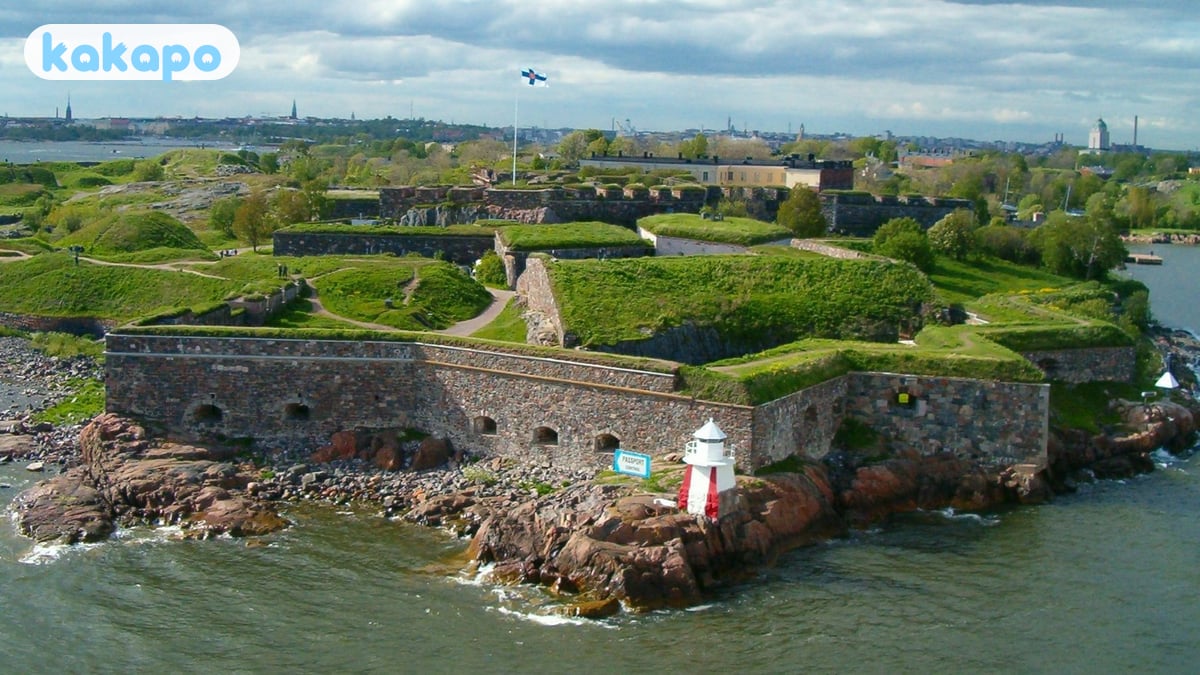
Day-trip islands: Suomenlinna (UNESCO sea fortress, 15-min ferry, very safe), Vallisaari (former military island, summer-only), Pihlajasaari (small swimming island).
There are no neighbourhoods we'd advise visitors to avoid in Helsinki.
HSL, trams, ferries, the airport

- HSL ticket: single €3.10, day pass €10. Buy on the HSL app, at machines, or kiosks. Tap on entry.
- Trams: 11 lines covering central Helsinki. Tram 6 is the tourist-route classic.
- Metro: 2 lines (M1, M2). Useful east-west.
- Ferries: HSL ferries to Suomenlinna run year-round, included on the day pass.
- Taxis: regulated, metered, expensive. Use Bolt or Yango (cheaper).
- Helsinki Airport (HEL) to centre: P-train commuter rail €4.10, ~30 min. Bus 600 €4.10. Taxi €40-55.
- Allegro train to St Petersburg: discontinued in 2022 (sanctions).
Neighbourhood-by-neighbourhood breakdown
- Kruununhaka / Senate Square — the postcard centre, the Cathedral, the Government Palace, Esplanadi park nearby. Quiet, beautiful, very safe. Some occasional summer pickpocketing at the Market Square on cruise-ship days.
- Kamppi / Central Helsinki — the shopping and transit hub, Kamppi Chapel (the Chapel of Silence), the central bus station. Busy, functional, very safe.
- Punavuori (Design District) — south-central, the Iittala-and-Marimekko boutique quarter, Korkeavuorenkatu's cafés. Hip, calm, very safe.
- Kallio — north-east of the centre, gentrified working-class district, the best dive bars and cheapest dinners. Genuine local nightlife on Vaasankatu and Helsinginkatu. Very safe; a few drunk-after-midnight scenes but no aggression.
- Töölö — west-central, residential, leafy, Sibelius Monument, Opera House. Calm and very safe; the panoramic view from the Olympic Stadium tower is the best in the city.
- Eira / Ullanlinna — south, embassy district, art-nouveau apartments, Kaivopuisto seafront park. Quiet, upscale, very safe.
- Hakaniemi — north of Kallio, the working market hall, the old socialist-era square. Increasingly hip; daytime market scene worth the visit.
- Suomenlinna and Vallisaari islands — UNESCO sea fortress and former military island, 15-min ferry from Market Square. Day-trip destinations, totally safe, beautiful. Last ferry back is around midnight in summer.
If it's your first time visiting
- Best arrival airport: Helsinki-Vantaa (HEL), 18 km north. To centre: I or P commuter train to Helsinki Central €4.10 in 30 min (runs every 10 min, included on HSL day pass if zone ABC), bus 600 €4.10, taxi €40-55 or Bolt/Yango ~€30.
- Public transport: HSL runs metro, trams, buses and ferries. Tap-to-pay on every reader. €3.10 single zone AB, €10 day pass, €33 weekly. The day pass includes the Suomenlinna ferry. The HSL app is excellent.
- Best neighbourhood for your first night: Kruununhaka or Kamppi for centrality, Punavuori for the design-district atmosphere, Kallio for cheaper accommodation and the best nightlife. Avoid first-time bookings in suburbs like Itäkeskus or Vuosaari (safe but a long commute).
- Day 1, jet-lag friendly: walk from Senate Square along Esplanadi to the Market Square, ferry to Suomenlinna for the afternoon (€5.50 return or free on day pass, 15 min crossing), evening sauna at Löyly or Allas Sea Pool to defeat jet lag completely. Quiet, all walkable, optimal first-day calibration.
- Sauna etiquette: shower naked before entering; hotel saunas allow swimwear, public saunas are often nude and same-sex; 10-15 min in the hot room, cool off (cold shower or sea plunge), repeat 2-3 times; no jewellery or watches; hydrate before and after, not during.
- Common rookie mistakes: underestimating winter cold (Helsinki at -15°C is colder than it sounds — proper insulated boots, hat, gloves are not optional Nov-March); trying to plan a St Petersburg side-trip (borders closed, abandon); booking the Suomenlinna ferry separately (it's on the HSL day pass); going to the cheap-looking restaurants on Mannerheimintie that turn out to charge €30 for a burger (Helsinki is just expensive — accept it).
- Tap water is among the world's best (drawn from Lake Päijänne through a 120 km tunnel). Carry a refillable bottle. Bottled is unnecessary and considered slightly weird.
- The summer day length is unreal. In June-July the sun barely sets — sunset 22:30, twilight all night, sunrise 4am. Blackout curtains help; embrace the white nights.
Practical info — emergency numbers
- European emergency: 112.
- Police (non-emergency): 0295 419 800.
- Meilahti Hospital: +358 9 4711.
- HUS (Helsinki University Hospital): +358 9 4711 (multiple sites).
Bring: serious cold-weather clothing if visiting Nov-March, an unlocked phone (DNA, Telia, Elisa prepaid SIMs at the airport), a contactless bank card, and travel insurance documentation. Tap water is excellent.
Frequently asked questions
Is Helsinki safe to visit in 2026?
Yes — Helsinki scores 92/100 here, one of the safest capitals in Europe. Finland consistently ranks #1 globally on multiple safety and well-being indices. Both UK FCDO and US State Department list Finland at their lowest advisory levels. Crime against tourists is essentially nonexistent. The realistic risks are weather and orientation, not crime: winter ice on the harbour and pavements (-10 to -20°C standard, -25°C cold-waves several times per winter), summer mosquitoes outside the city, and the Russia-border geopolitical context that has shaped Finland's posture since 2022.
Is Helsinki safe at night?
Yes. Helsinki centre is calm and well-lit at night and walking solo at any hour is fine. Kamppi, Kallio, Punavuori and the Esplanadi corridor all stay alive late on weekends. Standard precautions on the small handful of late-night bar streets in Kallio. The genuine night risk in winter is ice — pavements are gritted but slippery, and a fall on harbour stones in -15°C is a real ER risk. Boots with grip mandatory November through March.
Is Helsinki safe for solo female travellers?
Yes — Finland consistently ranks top-3 globally for solo-female safety. Street harassment is rare, late-night walking is routine, and the high-trust Finnish culture supports solo travel. Solo dining is easy everywhere from Senate Square cafés to Kallio dive bars. The HSL trams and ferries are safe at any hour. The bigger awareness items are weather and sauna etiquette — public saunas are often same-sex and often nude (hotel saunas universally permit swimwear).
Can you drink tap water in Helsinki?
Yes — Helsinki tap water is excellent and routinely cited among the world's cleanest, drawn from Lake Päijänne through a 120 km tunnel. Restaurants will serve it on request and locals overwhelmingly drink it. Carry a refillable bottle; bottled water is unnecessary.
What's the biggest scam to avoid in Helsinki?
Honestly, Helsinki has almost no scam culture — the city is calm, regulars know each other, and crime against tourists is rare. The handful of patterns: DCC card-readers asking you to pay in your home currency rather than EUR (always pay in EUR), unofficial taxi drivers at Helsinki Airport charging 3-4x normal rates (use the metered ranks or Bolt/Yango), and occasional summer pickpocketing at Senate Square and the Market Square on cruise-ship days. Restaurant prices are real and posted — the sticker shock is genuine, not a scam.
Does the Russia border affect a Helsinki visit in 2026?
Practically no. Finland borders Russia and joined NATO in 2023; all Finnish land border crossings with Russia have been closed since late 2023. The Allegro train to St Petersburg was discontinued in 2022. Practical impact for tourists in Helsinki itself: zero — the city has functioned normally throughout and there are no advisory restrictions on visiting. You'll see Ukrainian flags around the city and occasional civil-defence shelter signage (Finland has long maintained shelter capacity for almost the entire population), but day-to-day life is calm. Russian rubles aren't accepted, Russian credit cards don't work, and you can't drive into Russia. If you had planned a St Petersburg side-trip, abandon it.
Sources
Run a business in Helsinki?
Show visitors your Helsinki business is a safe choice. The free Verified by Kakapo badge puts Helsinki's live safety score on your website, links back to your verified page, and updates itself. No cost.
Get the free badge →