


Is Stockholm, Sweden Safe? A 2026 Travel Safety Guide
Winter darkness, summer heat, the visible city centre vs the outer-suburb headlines, and the realistic risks of one of Europe's safest capitals.

Stockholm is one of the safer European capitals for tourists, with the realistic visitor concerns being winter darkness and cold (December has 6 hours of daylight, peak winter -10°C), summer crowd dynamics at major events, and the gap between the very visible (and very calm) tourist core and the outer-suburb gang-violence headlines that have dominated Swedish news in recent years.
Sweden sits at low advisory levels in both UK FCDO and US State Department guidance. Important context: Sweden has had headline gang-violence issues in specific outer suburbs (notably Rinkeby, Tensta, Husby) that have produced shocking statistics in international media. These are residential immigrant-heavy districts; tourists are not in those areas and do not encounter that violence. The realistic Stockholm tourist experience is a calm, expensive, beautifully-engineered city.
The honest framing for first-time visitors: Stockholm is genuinely safe to walk anywhere a tourist would go, at any hour. Pickpocketing is moderate (concentrated at Gamla Stan and on commuter trains). Crime against tourists is rare. The "Sweden is dangerous" narrative is about specific districts that aren't on any visitor map.
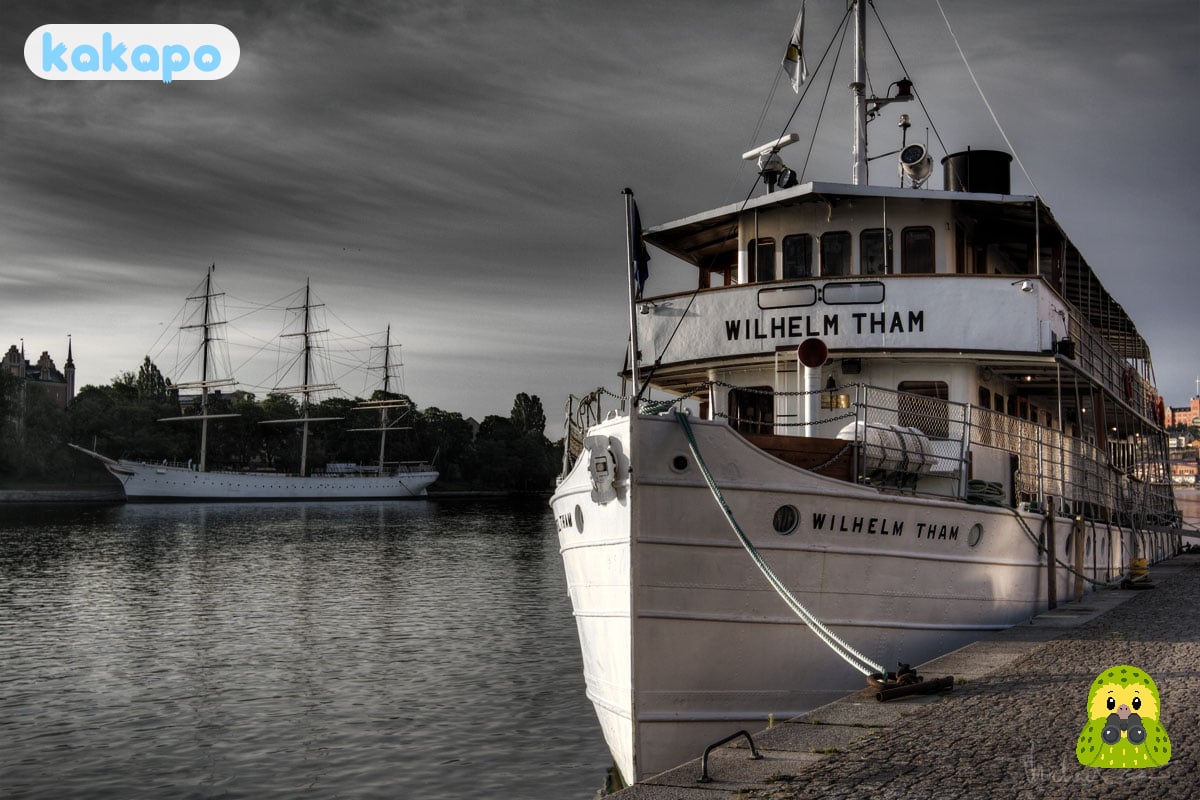
What surprises most first-time visitors is the water. Stockholm is built across 14 islands connected by bridges; you cross water dozens of times per day without noticing, ferries are part of the public transport system, and the archipelago to the east genuinely has 30,000 islands. The Swedish word "lagom" (just enough, not too much) explains a lot of the city's design ethos — restaurants don't overserve, baristas don't overgarnish, hotel rooms are precisely sized. Swedes are reserved on first contact but warm once trust is built; English is functionally universal but greeting with "hej" and saying "tack" lands better. Personal-space norms are larger than southern Europe — don't sit next to strangers on an empty bus.
In 2026, the practical updates: the new Tunnelbana extension to Nacka is partially open as of late 2025 with full completion targeted for 2027; Sweden's transition to cash-free is now functionally complete — many shops display "kortbetalning endast" (cards only) signs and don't accept cash at all; SL has phased out paper tickets entirely in favour of the SL app and contactless bank-card tap; the Nordic capitals tourist tax kicked in (SEK 25/night, charged at checkout); and ABBA Voyage at Djurgården is now in its fourth year and remains the city's biggest paid attraction. Climate-wise, Stockholm has had genuinely warmer-than-average summers since 2022 — 30°C heatwave days are now annual.
| Night safety | 80/100 |
|---|---|
| Scam / petty-crime risk | Medium |
| Violent crime (tourists) | Low |
| Most common scams | pickpocketing in Gamla Stan; crowd dynamics at major summer events |
| Safer neighbourhoods | Gamla Stan, Norrmalm, Djurgården |
| Data sources cited | 4 |
| Last verified |
What the score means — 86/100
- Healthcare (94) — Swedish universal healthcare is excellent. Karolinska is one of Europe's leading hospitals.
- Transport (94) — SL runs Tunnelbana (metro), pendeltåg (commuter rail), buses, ferries. Clean, on-time, the metro stations are famous as art galleries.
- Personal safety (86) — high. Pickpocketing concentrated at Gamla Stan and Drottninggatan; otherwise low-violence.
- Night (84) — central Stockholm alive late and policed. Outer suburbs quieter (in the calm sense).
Areas — comfortable everywhere a tourist would go
Recommended for visitors: Gamla Stan (the Old Town island — Royal Palace, narrow lanes, photogenic), Norrmalm (CBD, Drottninggatan shopping), Östermalm (upscale), Södermalm (hip, gentrified, restaurants — the "Brooklyn of Stockholm"), Vasastan (residential, leafy), Kungsholmen (residential, City Hall).
Tourist-anchored, lively: Djurgården (the museum island — Vasa, ABBA Museum, Skansen — daytime tourist anchor, very safe).
Outer suburbs that make headlines: Rinkeby, Tensta, Husby (in northern Stockholm). Working-class immigrant residential. Has had serious gang-violence incidents — international news. Tourists do not visit these areas; they are 30+ min on the Tunnelbana from any tourist destination. If you see them mentioned in alarming travel articles, the article is about those zones, not central Stockholm.
There are no specific tourist-area "no-go" zones in Stockholm.
Winter — the operational reality
- December has ~6 hours of daylight. Sun rises ~8:30am, sets ~3pm. The "blue hour" twilight is photogenic but limits sightseeing windows.
- Cold: -5°C to -10°C standard, occasional -20°C. Wind chill makes it feel colder.
- Snow and ice: pavements are sanded but slippery. Bring boots with grip.
- Indoor culture compensates: museums (Vasa, Nationalmuseum, Moderna), Stockholm Public Library, the metro art tour, hot-coffee culture. Cosy as a Swedish institution.
- Christmas markets: Skansen, Gamla Stan. Beautiful.
- Best summer weather: late June - August. Long days (sunset at 10:30pm in late June). Often 22-26°C.
Tunnelbana, ferries, and the airport

- SL Access card or contactless bank card: covers Tunnelbana, buses, commuter rail, archipelago ferries (some). Day pass SEK 165.
- Tunnelbana art: 90+ stations decorated. The blue line is the most artistic.
- Archipelago ferries (Waxholmsbolaget): summer day-trips to Vaxholm, Sandhamn, Grinda. Spectacular and safe.
- Taxis: deregulated and the rates vary wildly. Use only Taxi Stockholm, Taxi Kurir, Taxi 020 — they post regulated comparison-rate stickers (under SEK 660 for "comparison fare"). Other operators legally charge whatever you'll pay.
- Uber, Bolt: both work; Bolt usually cheaper.
- Arlanda Airport (ARN) to city: Arlanda Express SEK 320, ~20 min. Commuter rail SEK 174. Bus SEK 119. Taxi SEK 575 fixed-rate (regulated).
Money and small things

- Cash in Sweden is rare. The country is one of the most cashless in the world. Cards (or Swish for residents) work at virtually every transaction including market stalls.
- Don't withdraw cash unnecessarily — you'll be carrying SEK that's hard to spend. Use card / contactless throughout.
- Tipping: not expected. Service is included. Round up at restaurants if you wish.
- Pickpocketing: Gamla Stan during summer tourist crush; otherwise rare.
- Cost: Stockholm is one of Europe's most expensive cities. Plan accordingly.
The archipelago — what's actually accessible
Stockholm sits on 14 islands with ~30,000 more in the archipelago to the east. The archipelago day-trip is the most-underestimated part of a Stockholm visit; ferries from Strömkajen + Nybroplan run year-round (heavier schedule in summer).
- Vaxholm: 1h ferry from Strömkajen (SEK 80-130). The "gateway to the archipelago" — fortress, painted wooden houses, ice-cream + smoked fish. Easiest archipelago intro.
- Grinda: 1h45 ferry. Tiny island, no cars, hostel + inn + swimming beaches. Day-trip or overnight.
- Sandhamn: 2h30 ferry to the outer archipelago. The Stockholm "Hamptons" — yacht harbour, sandy beach (Trouville). Busy in July-August; peaceful in May, June, September.
- Fjäderholmarna: 20-min ferry from Slussen or Nybroplan. The closest archipelago island; restaurants + smokehouse + craft shops. Quick half-day.
- Drottningholm Palace: 1h ferry (or Tunnelbana + bus) to the UNESCO royal palace + 17th-century theatre. Open daily. The Royal Family still uses one wing.
- Birka Viking site: 1h45 ferry to a Viking-age trading island; UNESCO archaeological site. Reproduction Viking village. May-September only.
- Waxholmsbolaget passes: SL Access doesn't cover most archipelago ferries — buy the Båtluffarkortet 5-day pass (SEK 600) for unlimited Waxholmsbolaget travel if doing multiple islands.
- Best season: late June-mid August for swimming + long days. Late August + September for fewer crowds + still mild. May for spring greenery.
Day trips — Uppsala, Sigtuna, Mariefred, Gotland
- Uppsala: 40 min by SL pendeltåg (SEK 110) or SJ train (SEK 150 + faster). Sweden's old university town — Cathedral (Sweden's tallest), Carolina Rediviva library with the Codex Argenteus, Gamla Uppsala Viking mounds.
- Sigtuna: 1h by bus. Sweden's oldest town (founded 980 CE) — wooden buildings, rune stones, the Stora Gatan main street. Half-day.
- Mariefred + Gripsholm Castle: 1h drive south. The lakeside castle of Gustav Vasa. Combine with Taxinge Castle for a "Princess Castle" route.
- Skokloster Castle: 1h drive. 17th-century Baroque palace; weapons + armour collection.
- Stockholm Archipelago ferries (see above): most popular day trips.
- Gotland (Visby): 3.5h ferry from Nynäshamn (or 30-min flight from Bromma). Medieval walled UNESCO town. Overnight needed.
- Tallinn (Estonia): overnight Tallink Silja ferry — fun + scenic. Not a day-trip.
- Helsinki (Finland): 17h overnight ferry or 50-min flight.
- Driving: Sweden has congestion charge in central Stockholm (SEK 11-45 per crossing, weekdays 06:30-18:30); car-hire usually includes auto-pay. No tolls outside Stockholm.
Neighbourhood-by-neighbourhood breakdown
- Gamla Stan (Old Town island) — the Royal Palace, Stortorget, narrow medieval lanes, the changing of the guard. Heavily policed, very safe; tourist crush in July-August attracts the city's main pickpocket activity.
- Norrmalm (CBD) — Drottninggatan shopping street, Sergels Torg, Central Station. Very safe day and night; Drottninggatan gets ambient drinking late but no real concern.
- Östermalm — east of Norrmalm. Stockholm's old money district, designer boutiques, Östermalmstorg food hall, the Royal Library. Calm, polished, very safe.
- Södermalm (Söder) — south of Gamla Stan. The Brooklyn of Stockholm: cafés, vintage shops, restaurants, Fotografiska museum, viewpoints over the city. Vibrant, very safe day and night.
- Vasastan and Kungsholmen — north and west residential districts. Leafy, calm, very safe. Kungsholmen has Stockholm City Hall and is where most Nobel events happen.
- Djurgården — the museum island. Vasa Museum, ABBA Museum, Skansen, Gröna Lund amusement park. Tourist-anchored, very safe; closes down in the evening.
- Outer Stockholm (Rinkeby, Tensta, Husby, Husby, Hjulsta) — northern outer suburbs that produce most of Sweden's gang-violence headlines. Residential, immigrant-heavy. 30+ minutes from any tourist site. You won't be there, and you shouldn't be there casually after dark.
If it's your first time visiting
- Best arrival airport: Arlanda (ARN), 40km north. The Arlanda Express is SEK 320 (€28) in 20 minutes — fast and pricey. The Flygbussarna airport bus is SEK 119 (€11) in 45 minutes. The SL commuter train (pendeltåg) is SEK 174 in 40 minutes — cheaper. Regulated fixed-rate taxi is SEK 575 (€50); Bolt is sometimes cheaper.
- Buy an SL Access card or just tap a contactless bank card on Tunnelbana turnstiles and bus readers (rolled out 2024). Single fare SEK 39, daily cap around SEK 165. The SL app also sells passes.
- Best neighbourhood for your first night: Gamla Stan for atmosphere (but tourist-priced), Södermalm for hip/young, Norrmalm or Östermalm for transit/calm convenience. Avoid booking far north of T-Centralen — the city is small enough to stay central.
- Day 1, jet-lag friendly: walk a loop through Gamla Stan, cross to Djurgården for the Vasa Museum (the 1628 warship that sank on her maiden voyage, one of the best museum exhibits in Europe), end with fika (coffee and a kanelbulle cinnamon bun) at Vete-Katten or any nearby café. Flat, walkable, 4-5km.
- Common rookie mistakes: withdrawing SEK cash you can't spend (Stockholm is functionally cashless — use card everywhere); tipping 15-20% (rounding up is the norm; service is included); calling Swedes "Swedish" instead of asking where they're from (the Nordic distinction matters socially); booking a taxi that isn't Taxi Stockholm, Taxi Kurir, or Taxi 020 (the unregulated operators legally charge whatever you'll pay — fares of SEK 2,000+ for a short Arlanda hop have happened); going to "Sweden's most dangerous neighbourhoods" out of curiosity (don't).
- Pack genuine winter gear if visiting November-March. -10°C with wind is normal. Wool layers, proper boots, a warm hat. Stockholm winter without proper kit is miserable.
- Take the archipelago day trip. Vaxholm (1h ferry, SEK 80-130) is the easiest intro; the views are spectacular and the Stockholm visit isn't complete without water.
- Book Vasa Museum and ABBA Voyage in advance. Vasa is timed-entry; ABBA Voyage sells out 6-8 weeks ahead in season.
Practical info — emergency numbers
- Emergency: 112 (police, fire, ambulance — works EU-wide).
- Police (non-emergency): 114 14.
- 1177 Vårdguiden: 24h health line (English available).
- Karolinska University Hospital: +46 8 517 700 00.
- Sankt Görans Hospital: +46 8 587 010 00.
Bring: serious winter clothing if visiting Nov-March, a contactless bank card (essential), an unlocked phone (Telia, Telenor, Tele2 prepaid SIMs at Arlanda), and travel insurance documentation. Tap water is excellent.
Frequently asked questions
Is Stockholm safe to visit in 2026?
Yes — one of the safer European capitals. Sweden's outer-suburb gang-violence headlines (Rinkeby, Tensta, Husby) have dominated international press but those zones are 30+ min on the Tunnelbana from any tourist destination — visitors don't go there + don't encounter that violence. Tourist Stockholm is genuinely safe to walk anywhere at any hour.
Are the Swedish gang-violence headlines real?
Yes for the specific outer suburbs they refer to. Real for residents of Rinkeby, Tensta, Husby + similar. Practical relevance for visitors: zero — these aren't on any tourist itinerary. The 'Sweden is dangerous' narrative is about districts that aren't on any visitor map.
Is the Stockholm Tunnelbana safe?
Yes — clean, on-time, and famous as an art gallery (90+ stations decorated; the blue line is the most artistic). Pickpocket-active on tourist-corridor lines at peak hours; otherwise extremely safe + women routinely take last trains alone.
Is Stockholm safe for solo female travellers?
Yes — Sweden consistently ranks top-5 globally for solo-female-safety. Standard urban precautions only.
Can you drink tap water in Stockholm?
Yes — Stockholm tap water is excellent + drinkable everywhere. Bottled at restaurants is preference, not safety.
Why is Stockholm so expensive + is the city cashless?
Yes — one of Europe's most-expensive cities + among the world's most cashless. Cards (or Swish for residents) work at every transaction including market stalls. Don't withdraw SEK unnecessarily; the cash is hard to spend. A coffee SEK 50-60 ($5-6); mid-range dinner SEK 350-500 ($35-50).
Sources
Run a business in Stockholm?
Show visitors your Stockholm business is a safe choice. The free Verified by Kakapo badge puts Stockholm's live safety score on your website, links back to your verified page, and updates itself. No cost.
Get the free badge →