


Is Lapland (Finland) Safe? A 2026 Travel Safety Guide
Extreme -30°C cold and frostbite risk, polar night, the Russian border closure, husky/reindeer operator quality, ice-road driving, and the realities of the Northern Lights destination.

Finnish Lapland — the northernmost province of Finland, covering the country's Arctic Circle territory — is one of the world's safest destinations by crime statistics. Crime against tourists is essentially nonexistent. The defining draws are the Aurora Borealis (best September-March), Santa Claus Village near Rovaniemi (the official Finnish-government-endorsed home of Father Christmas, open year-round), husky and reindeer-sledding tours, ice hotels (the Snowman World Igloo Hotel and Arctic Snowhotel), and the wilderness winter activities (cross-country skiing, snowmobiling).
The honest concerns are entirely about the cold and remoteness. Winter temperatures hit -30 to -45°C in northern Lapland (Inari, Utsjoki); even Rovaniemi (mid-Lapland) regularly sees -25 to -35°C. Frostbite risk on exposed skin is real and fast (5-10 minutes at -30°C). The polar night (kaamos) means 1-2 months of permanent twilight north of the Arctic Circle (Sodankylä loses sun ~Dec 17 - Dec 28; Utsjoki for ~7 weeks). The Finnish-Russian border (700+ km, runs through eastern Lapland) was closed in 2023-2024 by Finland following Russia's hybrid migration tactics; once-popular cross-border excursions to Murmansk are not possible. Husky and reindeer tour operator quality varies; injuries from sled accidents and reindeer-cart collisions have been reported. Ice-driving on rural roads requires real preparation; most tourists hire pre-arranged transfers.
The US State Department lists Finland at Level 2 (raised from 1 in 2023 due to regional security concerns near Russia border); UK FCDO has no advisories. Both note the standard winter-weather and Russia-border context.
| Night safety | 94/100 |
|---|---|
| Scam / petty-crime risk | Low |
| Violent crime (tourists) | Low |
| Most common scams | poor-quality husky and reindeer tour operators; sled accidents from falls off sleds; reindeer-vehicle collisions |
| Safer neighbourhoods | Rovaniemi, Inari, Utsjoki |
| Data sources cited | 4 |
| Last verified |
What the score means — 94/100
- Personal safety (96) — exceptional. Finland is consistently ranked the world's happiest and one of its safest countries; Lapland is calm even by Finnish standards.
- Transport (80) — Rovaniemi Airport (RVN) and smaller Ivalo (IVL) and Kittilä (KTT); no rail to far north; rental cars + winter-tour transfers.
- Healthcare (86) — Lapland Central Hospital (Rovaniemi); Sodankylä Health Centre; serious cases medevac to Oulu or Helsinki by Finnish Air Force / Border Guard helicopter.
- Air quality (96) — among the world's cleanest; remote Arctic location.
Extreme cold — -30°C and what it means
- Numbers: Rovaniemi January average -10 to -15°C; Inari/Utsjoki -20 to -30°C; cold snaps -40 to -45°C across northern Lapland. Wind chill makes felt temperature lower.
- Frostbite: exposed skin freezes in 5-10 minutes at -30°C with wind. Cheeks, ears, nose, fingers most vulnerable.
- Hypothermia: under-dressed visitors (tourists in fashion winter jackets bought in temperate climates) have suffered hypothermia within hours. Cotton clothing close to skin is dangerous when sweat-soaked.
- What to wear: layered system — moisture-wicking base layer (merino wool, synthetic — NOT cotton); insulating mid-layer (fleece or wool); shell layer (windproof + waterproof); insulated trousers; balaclava + hat; double-layer mittens (warmer than gloves); insulated waterproof boots rated to -30°C minimum.
- Resort outerwear loan: most husky/reindeer tour operators provide expedition-grade overall suits (the iconic blue/orange overalls in Lapland photos); trust them over your own gear if it's a long outdoor activity.
- Indoor heating: hotels and homes are well-heated to 20-22°C; the indoor-outdoor transition shock is real.
- Hand-warmer chemical packs: useful for camera batteries (lithium batteries fail fast at -25°C and below).
- Don't leave anyone in a parked car without engine running: deaths have happened.
Polar night (kaamos) — what to expect
- What it is: above the Arctic Circle (66°33′N), there's a period in midwinter when the sun doesn't rise above the horizon at all. Even when not in true polar night, late December provides only 3-5 hours of "blue twilight".
- Duration by location: Sodankylä (just inside Arctic Circle): ~12 days no sun (Dec 17-28). Utsjoki (northernmost Finland): ~52 days no sun (~late Nov to mid-January).
- Daylight at Rovaniemi (just on Arctic Circle): late December has 1-2 hr "blue" daylight (sun barely below horizon, never properly rises).
- What it feels like: muted blue-purple twilight; surreal; can affect sleep and mood (some visitors find it depressive, others mystical).
- Defences: bright-light therapy lamps in many hotels; vitamin D supplements help; embrace cosy candle-and-fireplace indoor culture (hygge / Finnish-equivalent).
- Best Aurora-viewing window: kaamos period is paradoxically the best Aurora time — the constant darkness gives long viewing hours.
- Polar day (kaamos's opposite): midsummer has 24-hour sunlight; mid-May to mid-July at Arctic Circle. Different but also disorienting.
Russian border — closed since 2023
- Geographic reality: Finland shares a 1,340 km border with Russia; ~700 km runs through eastern Finnish Lapland. Eastern Lapland border crossings (Salla, Kelloselkä, Kuusamo-area Vartius) used to allow visa-on-arrival cross-border excursions to Murmansk and Kola Peninsula.
- 2023-2024 closure: in autumn 2023, Russian authorities directed migrants without proper documentation to Finnish border crossings (a hybrid-warfare tactic). Finland responded by progressively closing all eastern border crossings. As of 2025-2026 the entire Finnish-Russian land border is closed to civilian traffic indefinitely.
- Practical impact for tourists: cross-border Murmansk excursions are not currently possible. The wider eastern Lapland tourism (Salla ski resort, Kuusamo wilderness) operates normally on the Finnish side.
- Don't try to approach the border closely: Finnish Border Guard (Rajavartiolaitos) patrols intensively. Restricted-zone signs posted; entering without permit is illegal even for hikers.
- Travel insurance: confirm Finland coverage; some policies have raised premiums or added border-area exclusions since 2024.
- NATO context: Finland joined NATO in April 2023; military presence on the border has increased; doesn't affect tourists but informs the political backdrop.
Husky and reindeer tour operator quality
- The standard activities: husky-sled half-day or overnight wilderness tours; reindeer-sled short rides; reindeer farm visits (Sami cultural).
- Reputable operators: Bearhill Husky (small-group, ethical kennels), Hetta Huskies, Inari Reindeer Farm, Hetta Reindeer Farm, Lapland Welcome (Rovaniemi-based agency aggregating vetted operators).
- Operator quality variation: from genuine working sled-dog kennels with 60+ dogs down to mass-tourism farms running 200+ dogs in cramped welfare conditions. Animal welfare debate ongoing; choose operators with visible ethical practices.
- Sled accidents: occasional; most tourist injuries from falls off sleds during turns or under-dressed exposure during long stops. Operators provide overall suits, gloves, balaclavas.
- Reindeer-pulled sled (sled with single reindeer): slower than husky sled; very controlled; good for kids.
- Don't drink before husky driving: most operators forbid; sled-driving requires alertness.
- Don't pet reindeer/dogs without owner permission: working animals; some bite-stress.
- Photography ethics: respect the animals; don't pose dogs/reindeer awkwardly for selfies.
Ice-driving on Lapland roads
- Winter road conditions: snow-packed roads from late October to April; black ice common; reindeer crossings constant.
- Studded tyres: legally required Dec 1 - Mar 31; rentals come pre-equipped.
- Reindeer collisions: ~5,000 reindeer-vehicle collisions per year in Finnish Lapland; reduce speed at dawn/dusk; never veer suddenly to avoid (loss of control on ice causes more injuries than the collision itself).
- Foreign drivers: ice-driving is a real skill; tourists from temperate climates often underestimate. Most package tourists use hotel-arranged shuttles.
- If you do drive: smaller distances between fuel stations than southern Finland; carry blanket, water, snacks, mobile phone; tell hotel your route; never abandon a stuck vehicle in cold (stay with it for warmth).
- Daylight driving: in deep kaamos, plan all driving for the few hours of "blue daylight" if possible; or use motorways.
- Cross-country skiing trails: well-maintained around Saariselkä, Levi, Ylläs ski areas; equipment rental at all resorts.
Areas — Rovaniemi, Saariselkä, Levi, Inari
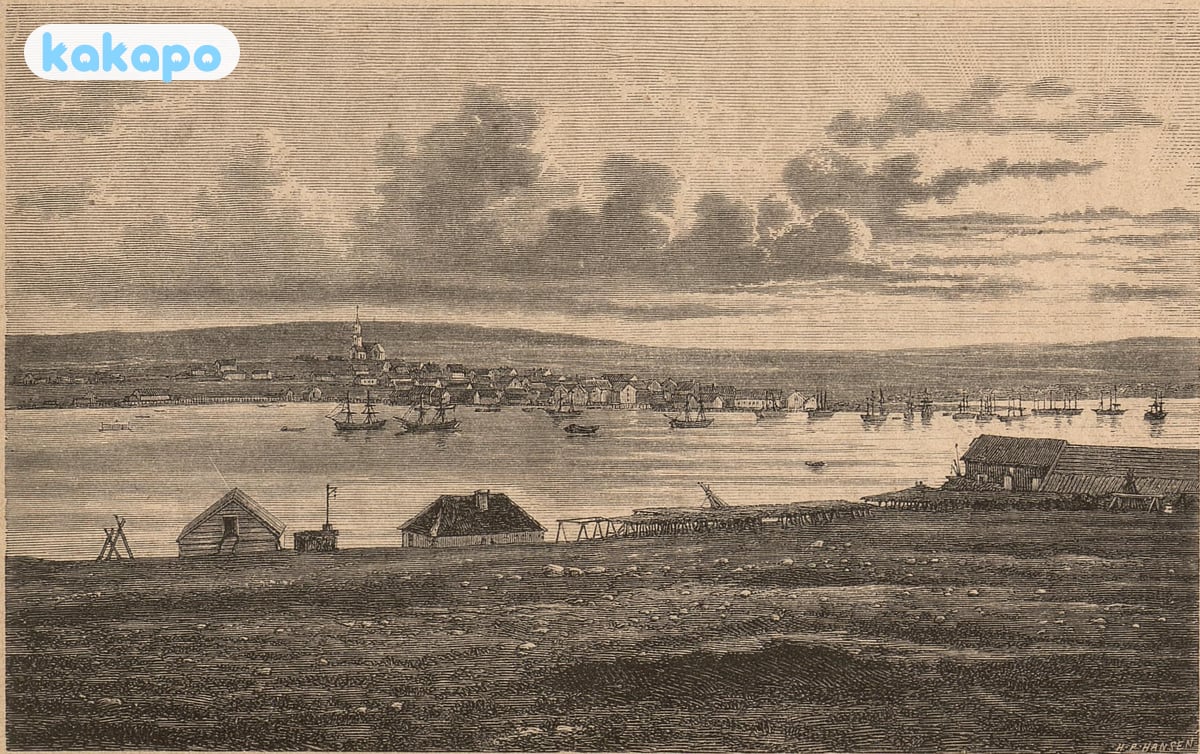
Recommended bases: Rovaniemi (the gateway) — capital of Lapland; Santa Claus Village (8 km north); easy access by Norwegian Air / Finnair direct from London/Stockholm/Helsinki. Hotels: Arctic SnowHotel, Sky Ounasvaara, Original Sokos Hotel Vaakuna. Saariselkä — wilderness ski resort 250 km north of Rovaniemi; better Aurora viewing; Kakslauttanen Igloo Hotel (the famous glass igloos). Levi — biggest Finnish ski resort; family-focused; multiple resort hotels. Inari — Sami capital and Lake Inari; remoter; better Aurora; cultural depth (Sami museum Siida).
There are no genuinely dangerous neighbourhoods in Lapland.
Money, food, emergency numbers
- Currency: Euro (€). $1 ≈ €0.92.
- Cards: contactless universal; cash rarely needed.
- Tipping: not customary; round up at restaurants.
- Food: Sami cuisine — reindeer (poronkäristys — sautéed reindeer with mashed potato and lingonberries), salmon, cloudberries, lakka liqueur, rye bread; modern Lapland chefs (Roka, Restaurant Nili in Rovaniemi).
- Tap water: among the world's cleanest; safe; Lapland's mineral spring water sold in bottles.
- Visa: Schengen rules; 90 days in 180 visa-free for most Western nationalities.
- Aurora forecasting: Finnish Meteorological Institute Aurora app, AuroraWatch UK; Kp index 3+ usually visible from Rovaniemi north on clear nights.
- Emergency: 112 (universal European). Border Guard and Search & Rescue dispatched via 112.
- Hospital: Lapland Central Hospital Rovaniemi (+358 16 328 1000); serious cases medevac to Oulu (Northern Finland's tertiary referral centre, 2 hr by helicopter).
- SIM: Elisa, Telia, DNA at Helsinki airport (cheaper than RVN); EU roaming free for EU SIMs; eSIM (Airalo Finland) easier.
- Sami cultural sensitivity: Sami are Finland's indigenous people; cultural-tourism done respectfully (Siida museum in Inari is the best authentic Sami museum); don't ask Sami people to "perform" or wear traditional dress for selfies.
Frequently asked questions
Is Lapland (Finland) safe to visit in 2026?
Yes — Lapland scores 91/100, the top tier on this site. UK FCDO and US State Department both treat Finland at low-advisory baseline; Finland's overall safety perception is among the best in the world. UK FCDO does flag the Finland-Russia border (closed since the late-2023 hybrid-migration closure remained in force through 2025-26) — don't try to cross, photograph the border, or fly drones near it. Violent crime in Lapland is essentially nil. The realistic risks are: cold-injury / hypothermia / frostbite (winter -25 to -45°C is normal in Inari, Saariselkä, Levi), the polar night (kaamos — sun doesn't rise above the horizon for ~50 days in mid-December to mid-January north of the Arctic Circle), winter ice driving, and reindeer collisions on rural roads (statistically the single biggest road hazard, kills cars and the reindeer).
Is Rovaniemi / Saariselkä / Levi safe at night?
Yes. The polar-night reality means 'night' covers most of the day in mid-winter — it's effectively dark from about 14:00 in late December — and the Finnish lighting design makes towns feel safe at any hour. Rovaniemi (the unofficial Lapland capital), Saariselkä, Levi, Ylläs, Inari, Kakslauttanen and Kemi are all routine after dark. Bars stay open to 02:00; sauna culture means many social evenings end at 22:00 with a sauna and a 'avanto' (ice swim) — that's not a tourist trap, locals do that. Local taxis are abundant; the bus network (Matkahuolto) connects towns but runs sparingly. There are no real ride-hail apps with reliable supply in Lapland — book taxis through your hotel. Walking outside town at night without reflectors and a head torch is the practical hazard, not crime.
What's the biggest risk to be aware of in Lapland?
Cold injury and road hazards. Winter -30°C with wind is genuinely dangerous to underdressed visitors — frostbite on exposed skin in 10-15 minutes, hypothermia faster. Layer with merino wool base, insulated mid, and a proper down or technical shell; cover face below -20°C (a buff and goggles); never leave skin or wet hair exposed walking outside. Rental winter clothing (snow trousers + parka) is bookable at every Lapland resort and is the right call if you don't already own arctic gear. Road risk #2: reindeer collisions. ~4,000+ reindeer-vehicle collisions a year in Lapland — they wander onto roads, are slow to react, and northern roads have minimal lighting. Drive at posted speed (often 80 km/h on E75 / E4), use winter tyres (legally required Dec-Feb), scan the verges at dusk and dawn, and if you see one cross, slow down — others usually follow. Husky/reindeer-tour operator quality varies; book through Visit Finland-certified operators (Safartica, Lapland Safaris) rather than the cheapest Instagram offer.
Can you drink tap water in Lapland?
Yes — Finnish tap water is consistently rated among the best in the world, Lapland's even more so. Drawn from local groundwater and surface sources in unpolluted Arctic catchments, meets Finnish and EU standards, tastes clean and cold. Carry a refillable bottle. Brushing, ice, salad, all completely fine. In remote husky-farm or wilderness-cabin accommodation off the grid, ask the host whether the supply is municipal or a private well — both are typically safe but the host will tell you. Bottled water is essentially redundant.
When should I go for the Northern Lights and Santa, and is it real?
Aurora season runs roughly mid-September to early April, with strongest dark-sky windows in October and February-March (the polar-night December has the long darkness but more cloud); aurora forecasting is at fmi.fi and the local resorts post nightly KP forecasts. North of the Arctic Circle (Rovaniemi north) gives you the dark hours and the magnetic-latitude advantage. The 'Santa Claus Village' at Rovaniemi (just north of the city, ON the Arctic Circle line) operates year-round — the official Santa's office, the Arctic Circle crossing certificate, the SantaPark cave, reindeer rides. It's commercial and exactly what you expect, which is fine — the kids' experience is the genuine product. For the real reindeer-herding Sami culture, head further north to Inari and the Sámi Museum Siida, which is the substantive cultural visit.
Sources
Run a business in Lapland?
Show visitors your Lapland business is a safe choice. The free Verified by Kakapo badge puts Lapland's live safety score on your website, links back to your verified page, and updates itself. No cost.
Get the free badge →