


Is Oslo, Norway Safe? A 2026 Travel Safety Guide
Oslo S central-station drug presence, polar darkness, the cost reality, and the realistic visitor risks of one of Europe's safest capitals.

Oslo is one of the safer European capitals for tourists, with the realistic visitor concerns being the visible drug-dealing presence at and around Oslo Sentralstasjon (Oslo S) — Norway's central railway station, the polar darkness in winter (December has 5.5 hours of light), the genuine cost of everything (some of the highest prices in the world), and the cultural backdrop of the July 22, 2011 attacks that still inform the city's memorials and security posture.
Both the UK FCDO and the US State Department list Norway at their lowest advisory levels. Crime against tourists is rare. Norwegian society is high-trust; the policing pattern is light but present.
The honest framing for first-time visitors: Oslo is calm, expensive, well-engineered, and small enough to walk end-to-end in 30 minutes. The fjord boat trips are the headline experience. The food is genuinely expensive — €50+ for a casual dinner is normal.
Visiting Oslo for the first time, the thing that catches most travellers off-guard isn't crime — it's how genuinely expensive Norway is. A pint of beer at a bar is NOK 110-150 (€10-13), a casual dinner main NOK 280-380, a sit-down lunch NOK 220 minimum. There's no inflated tourist menu — locals pay the same. Norwegians compensate with a culture of bringing a "matpakke" packed lunch, hiking and skiing on weekends, and going hard at the Vinmonopolet (state alcohol monopoly) before going out. Open conversation with "Hei" or "God dag", switch easily to English (Norwegians speak it fluently and are largely unbothered by visitors not trying Norwegian), and trust the high-trust society — people leave coats on chairs, prams outside cafés, kids on the T-bane. Oslo works.
In 2026, the specific things that have changed since pre-pandemic include: Oslo is genuinely now one of the most cashless cities in the world — many shops literally do not accept cash, and the Vipps phone-payment system is more common than card; Ruter tap-to-pay works on every T-bane, tram, bus and harbour ferry (NOK 42 single zone 1, NOK 127 day, NOK 320 weekly); the new National Museum (opened 2022) and the new Munch Museum at Bjørvika have consolidated the city's culture corridor along the waterfront; the Fornebubanen metro extension is finally opening in 2026 connecting the Telenor/Fornebu peninsula; and the Oslo S central-station drug-dealing scene has been pushed into a smaller geographic footprint by sustained policing but remains visible — uncomfortable, not dangerous.
| Night safety | 85/100 |
|---|---|
| Scam / petty-crime risk | Medium |
| Violent crime (tourists) | Low |
| Most common scams | drug-dealing presence at Oslo Sentralstasjon (Oslo S); pickpocketing at the National Theatre tram stop; aggressive panhandling around Oslo S |
| Safer neighbourhoods | Sentrum / Karl Johans gate, Aker Brygge / Tjuvholmen, Bjørvika |
| Data sources cited | 4 |
| Last verified |
What the score means — 88/100
- Healthcare (92) — Norwegian universal healthcare; major hospitals (Oslo University Hospital — Ullevål and Rikshospitalet) excellent.
- Transport (92) — Ruter runs T-bane (metro), trams, buses, ferries. Modern, efficient.
- Personal safety (90) — high. Pickpocketing concentrated at Oslo S and Karl Johan; otherwise low-violence.
- Night (86) — central Oslo is alive late and well-policed. Karl Johans gate stays busy.
Oslo S — the central-station drug presence
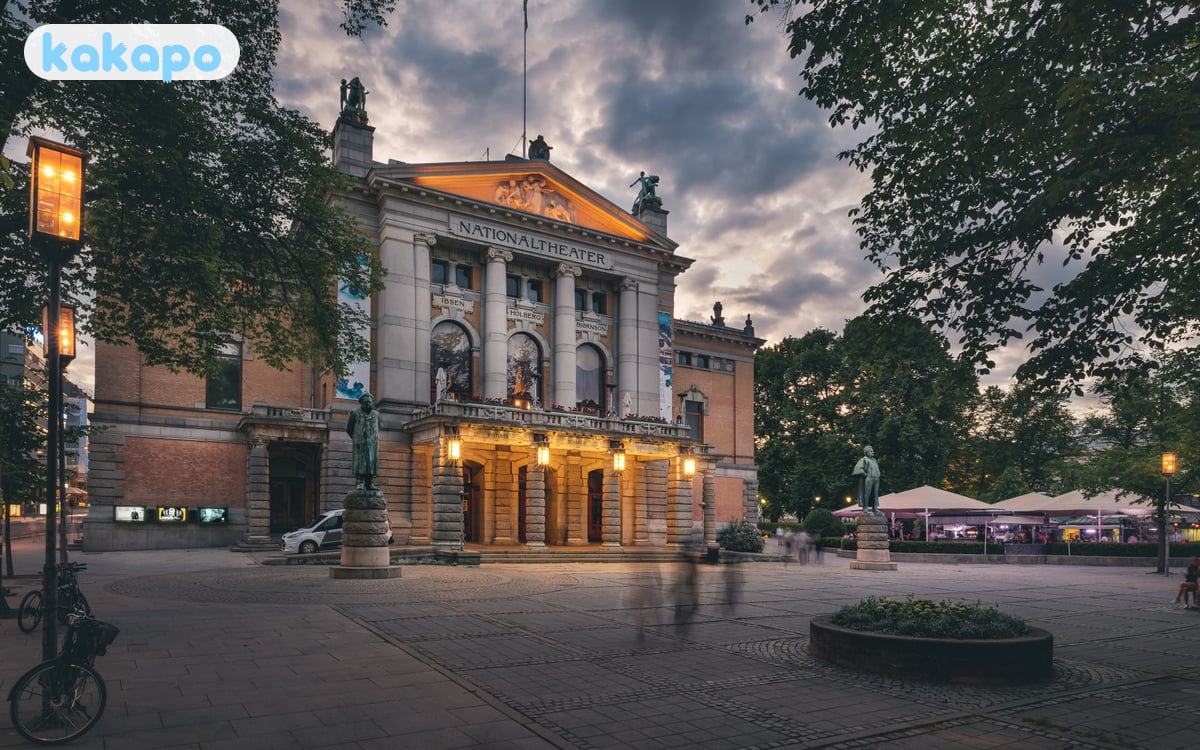
The area immediately around Oslo Sentralstasjon (Oslo S) — the central rail terminal — has a long-standing visible drug-dealing scene that has been Norway's most-discussed urban-policing question for decades.
- What you'll see: rough sleepers, individuals visibly under the influence, occasional aggressive panhandling. Police presence is heavy.
- Specifically affected zones: Brugata, the side streets between Oslo S and Storgata.
- What's actually risky for tourists: very little. Disorder is visible; targeted-tourist violence is rare.
- Standard awareness: phone in front pocket, walk past confidently, don't engage. Nighttime walks through the immediate Oslo S area are fine but uncomfortable.
- The Akerselva river area (a few blocks east) — historic working-class district, gentrified. Fine.
- Karl Johans gate (the main shopping street west of Oslo S) — heavily policed, full of tourists. Calmer.
Areas — comfortable everywhere
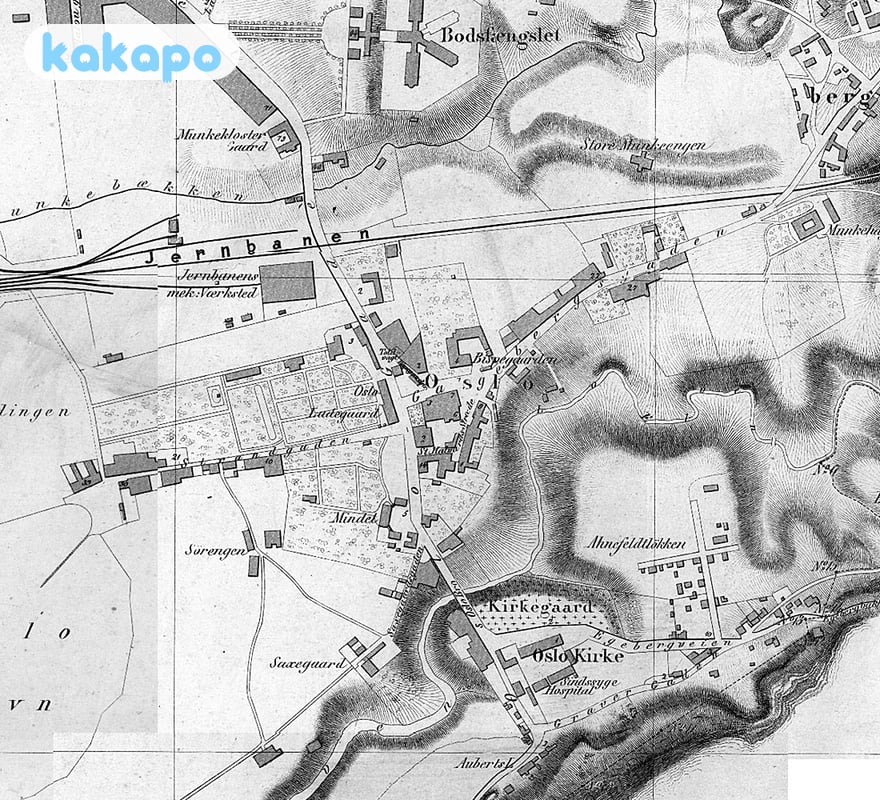
Recommended for visitors: Aker Brygge (waterfront restaurants, modern), Vika (City Hall, ferry terminal), Frogner (residential, Vigeland Sculpture Park, embassies), Grünerløkka (the famous "Brooklyn of Oslo" — bars, boutiques, gentrified), Bjørvika (Opera House, modern district), Tjuvholmen (waterfront art), Holmenkollen (ski jump, residential).
Aware late at night: Grønland — historically a multicultural neighbourhood with a more colourful nighttime scene. Daytime fine; specific bars after midnight can be rough.
Stay aware: parts of outer Tøyen at night, parts of Holmlia and Mortensrud in the south (residential, no tourist relevance, headline-grabbing crime statistics).
Drug-dealing zones away from tourist areas: don't engage with anyone offering anything; assume any tourist-area drug solicitation is a setup.
Polar darkness, summer light
- December-February: 5-7 hours of daylight. Sun rises ~9:15am, sets ~3:30pm. -5°C to -15°C standard.
- Slippery pavements: ice + freeze-thaw cycles produce dangerous walking. Boots with grip. Pavements gritted but not always.
- Indoor culture: the museums (National Museum, Munch Museum, Vigeland) are spectacular and air-conditioned in summer / well-heated in winter.
- Summer (June-August): 18-24°C standard, occasional heatwave. Sunset 22:30 at midsummer in Oslo. Long beautiful evenings.
- Spring (April-May) and autumn (September-October): changeable, often cool, beautiful colour.
Fjord trips — Bergen, Geiranger, Sognefjord
- From Oslo: most fjord experiences require a few days. The "Norway in a Nutshell" itinerary (rail to Voss, fjord cruise, mountain railway) is well-organised and very safe.
- Bergen: the gateway to the western fjords. 7-hour train from Oslo (one of the world's most scenic).
- Geiranger and Nærøy fjords: UNESCO. Cruises and small boats.
- Hiking: Trolltunga, Preikestolen, Kjerag — spectacular and physically demanding. Multi-hour climbs; weather changes fast.
- Don't hike in poor visibility: most fatalities at the famous viewpoints involve clouds, ice, and people getting too close to the edge.
T-bane, trams, ferries, airport
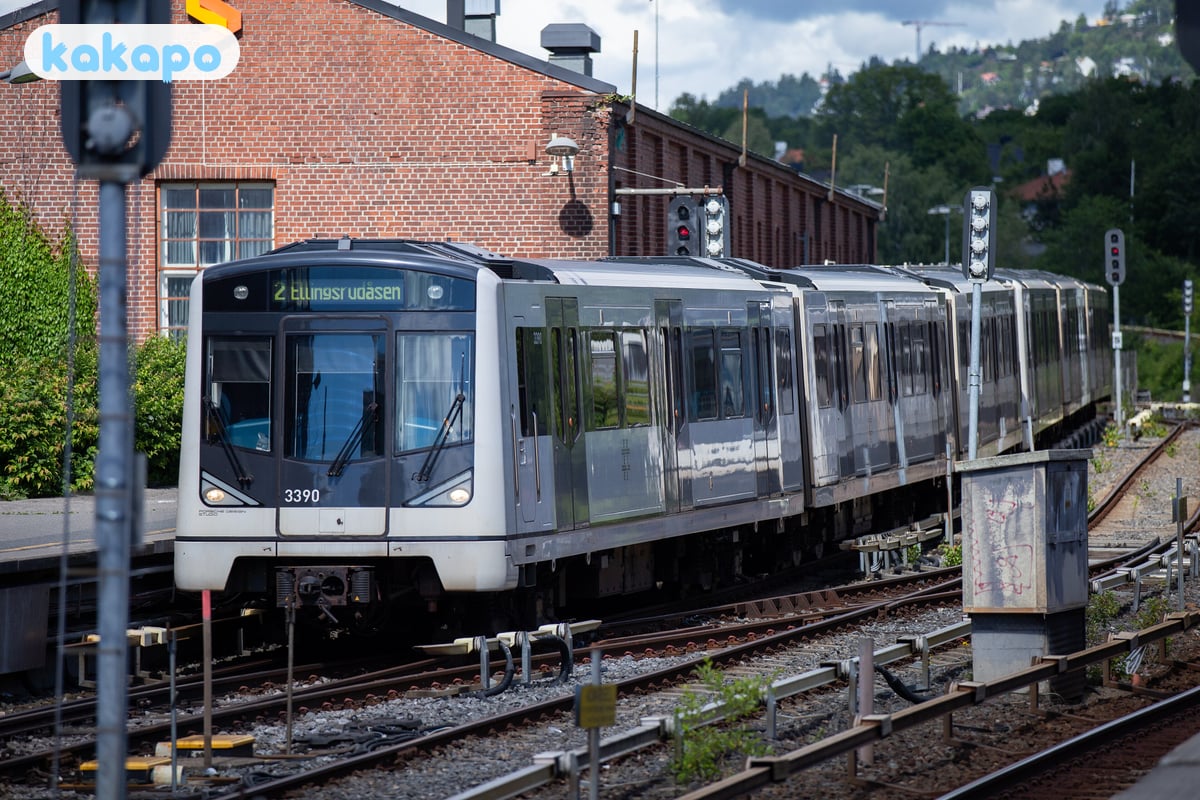
- Ruter ticket: covers T-bane, trams, buses, ferries. Single zone NOK 42, 24h pass NOK 127. Pay via Ruter app or contactless.
- T-bane (metro): 5 lines. Useful for outer-city access.
- Ferries: harbour ferries to Hovedøya, Bygdøy (museums island), Snarøya. Included on Ruter pass.
- Taxis: deregulated; use only the licensed companies (Oslo Taxi, NORGESTAXI, Oslo Taxibuss). Other operators charge whatever; verify the price quote screen on the dispatch.
- Bolt and Uber: both work, usually cheaper than taxis.
- Oslo Airport (OSL) to city: Flytoget Airport Express NOK 230, ~20 min. Vy commuter rail NOK 124. Bus NOK 220.
Cost — the genuine sticker shock
- Norway is one of the most expensive countries in the world. Restaurant mains NOK 250-450. A beer at a bar NOK 100-150 (€8-13).
- Hotels: NOK 1,200-2,500 per night for mid-range.
- Plan accordingly: budget Oslo trips are possible but require effort (supermarket meals, hostels, free walking tours).
- Vinmonopolet: state-run alcohol stores. Limited hours (closed Sundays). Budget: a bottle of wine in Vinmonopolet is dramatically cheaper than a glass of wine in a restaurant.
- ATMs: at major banks (DNB, Nordea, Sparebank). Withdraw NOK in larger amounts to amortise fees.
- Cards: Norway is one of the most cashless countries in Europe. Cards work everywhere, contactless universal.
Neighbourhood-by-neighbourhood breakdown
- Sentrum / Karl Johans gate — the central spine from Oslo S to the Royal Palace, the Parliament, the Cathedral, the main shopping street. Heavily policed, busy, very safe. Pickpockets occasionally work the National Theatre tram stop.
- Aker Brygge / Tjuvholmen — the upmarket waterfront, restaurants, the Astrup Fearnley contemporary art museum. Polished, modern, very safe day and night.
- Bjørvika — the new waterfront district east of Oslo S, the Opera House (walkable roof — Oslo's defining experience), the new Munch Museum, the Deichman library. Very safe and architecturally extraordinary.
- Grünerløkka — north-east, gentrified former working-class district, the best bar and café strip in the city. Olaf Ryes plass is the heart. Lively at night, very safe.
- Frogner / Majorstuen — west, residential, leafy, Vigeland Sculpture Park, embassies. Quiet, upscale, very safe.
- Bygdøy — the museum peninsula (Viking Ship Museum closed for rebuild to 2027; Fram, Kon-Tiki, Folk Museum open). Ferry 91 from City Hall or bus 30. Day-trip destination, fully safe.
- Oslo S / Brugata — the central station area, Norway's most-discussed urban-policing zone. Drug-dealing visible on Brugata and the side streets toward Storgata. Police presence heavy. Uncomfortable to walk through; not actually dangerous for tourists who don't engage.
- Grønland — east of Oslo S, historically multicultural and gentrifying. Daytime market scene is excellent (the Grønland Bazaar). Some specific bars rougher after midnight; the broader district is fine.
- Holmenkollen — the ski-jump hill, residential, panoramic views. T-bane line 1 from the centre, ~25 minutes. Day-trip destination, very safe.
If it's your first time visiting
- Best arrival airport: Oslo-Gardermoen (OSL), 50 km north. To centre: Flytoget Airport Express NOK 230 in 20 min (the premium option), Vy commuter rail NOK 124 in 25 min (cheaper, same line), bus NOK 220 (slower). Avoid taxis from OSL — typically NOK 800-1,000.
- Public transport: Ruter runs T-bane, trams, buses and harbour ferries. Tap-to-pay on every reader, or use the Ruter app. NOK 42 single zone 1, NOK 127 24h pass, NOK 320 weekly. Single tickets are valid 60 min including transfers.
- Best neighbourhood for your first night: Sentrum or Aker Brygge for centrality and the water, Grünerløkka for character and the best food/bars, Frogner for calm residential. Avoid first-time bookings on Brugata or the immediate Oslo S streets.
- Day 1, jet-lag friendly: walk the Opera House roof, harbour walk from Bjørvika to Aker Brygge, ferry to Bygdøy for the maritime museums in the afternoon, evening at a Grünerløkka café-bar. Compact, walkable, no fjord trip yet.
- Plan the fjord trip carefully: "Norway in a Nutshell" (rail + fjord cruise + Flåm mountain railway from Oslo to Bergen) is a full day or overnight; book at nutshell.com. Day-trip from Oslo to a near fjord is doable (Drøbak, Hvitsten) but not the famous ones (Geiranger, Nærøy) — those require Bergen.
- Common rookie mistakes: underestimating cost (every meal NOK 250+, every beer NOK 110+); taking an unlicensed taxi from OSL or Oslo S (NOK 1,500+ rip-offs); trying to visit Vinmonopolet on a Sunday (closed) or after 6pm Mon-Fri / 3pm Sat (closed); not booking the Munch Museum and Fram Museum tickets in advance (peak summer they sell out).
- Bring a contactless card. Some Oslo shops, cafés and even small museums no longer accept cash at all. Vipps is the dominant local app but tap-to-pay works everywhere.
- Winter ice is the main physical risk. November to March pavements freeze and re-freeze; ice-grip soles or proper studded boots transform the experience. Falls account for most tourist ER visits.
Practical info — emergency numbers
- Emergency: 112 (police), 110 (fire), 113 (ambulance).
- Police (non-emergency): 02800.
- Health line: 116 117 (24h, English available).
- Oslo University Hospital — Ullevål: +47 22 11 80 80.
Bring: serious cold-weather clothing if visiting Nov-March, a contactless bank card (essential), an unlocked phone (Telenor, Telia, Ice prepaid SIMs at OSL), and travel insurance documentation. Tap water is excellent.
Frequently asked questions
Is Oslo safe to visit in 2026?
Yes — Oslo scores 89/100 here, one of the safer European capitals. Norway sits at the lowest US State Department and UK FCDO advisory levels. Crime against tourists is rare and the city is small enough to walk end-to-end in 30 minutes. The realistic concerns are the visible drug-dealing scene around Oslo Sentralstasjon (Oslo S) — Norway's most-discussed urban-policing question for decades — the polar darkness in winter (December has 5.5 hours of light), the genuinely punishing cost (beer NOK 100-150, dinner NOK 350+), and slippery ice on winter pavements.
Is Oslo safe at night?
Yes. Karl Johans gate, Aker Brygge, Tjuvholmen, Bjørvika and Grünerløkka all stay alive and well-policed late. Walking back to a central hotel from a Grünerløkka bar at 02:00 is routine. Quieter awareness around Oslo S itself and the side streets between Oslo S and Storgata (Brugata) — the disorder is visible but tourist-targeted violence is rare. Grønland after midnight has some rougher bars. The genuine night risk in winter is the ice on pavements — gritting is patchy and falls account for most ER visits.
Is Oslo safe for solo female travellers?
Yes — Norway consistently ranks top-5 globally for solo-female safety. Street harassment is rare, late-night walking in central districts is routine, and the high-trust Norwegian culture supports solo travel. Standard precautions on the immediate Oslo S forecourt at night (uncomfortable, not dangerous). Use Bolt or licensed taxis (Oslo Taxi, NORGESTAXI) for late-night distance — Oslo's taxi market is deregulated and unlicensed operators charge whatever you'll pay.
Can you drink tap water in Oslo?
Yes — Oslo tap water is exceptional, drawn from Lake Maridalsvannet in the surrounding marka forests. Restaurants will serve it on request and locals overwhelmingly drink it. Carry a refillable bottle; bottled water at NOK 40-60 a half-litre is a tourist trap when the tap is identical quality.
What's the biggest scam to avoid in Oslo?
Unlicensed taxis at Oslo Airport and Oslo S charging 3-4x normal rates — Norway deregulated taxis, so use only Oslo Taxi, NORGESTAXI or Oslo Taxibuss (or just Bolt). Other patterns: DCC card-readers asking you to pay in your home currency rather than NOK (always pay in NOK), drug-solicitation around Oslo S that is more likely a setup than a genuine deal, and 'free hug / charity petition' touts on Karl Johans gate. Restaurant pricing is real and posted — the sticker shock is genuine, not a scam.
Is the Oslo S drug-dealing area actually dangerous for tourists?
Uncomfortable but not dangerous. The area immediately around Oslo Sentralstasjon — Brugata and the side streets between Oslo S and Storgata — has a visible drug-dealing scene with rough sleepers and people visibly under the influence. It has been Norway's most-discussed urban-policing question for decades. Police presence is heavy. What you'll see: panhandling, disorder, occasional aggressive solicitation. What's actually risky: very little — targeted-tourist violence is rare. Standard awareness applies: phone in front pocket, walk past confidently, don't engage with anyone offering anything (assume it's a setup). Karl Johans gate two blocks west is calm and tourist-saturated.
Sources
Run a business in Oslo?
Show visitors your Oslo business is a safe choice. The free Verified by Kakapo badge puts Oslo's live safety score on your website, links back to your verified page, and updates itself. No cost.
Get the free badge →