


Is Dar es Salaam, Tanzania Safe? A 2026 Travel Safety Guide
Tanzania's commercial capital, the Zanzibar ferry hub, malaria, traffic chaos, the city-centre pickpockets, and the realistic risks of East Africa's biggest port.

Dar es Salaam ("Dar") is one of East Africa's biggest cities. Most visitors transit through on the way to Zanzibar (ferry from the port), the Northern Circuit safari (via Kilimanjaro Airport), or southern Tanzanian parks. Crime against visitors in tourist neighbourhoods (Masaki, Oyster Bay, Kivukoni waterfront) is moderate.
The realistic risks are malaria (year-round; prophylaxis recommended), traffic chaos, the Kariakoo Market pickpocket density, the standard "no walking with phone in hand" rule for downtown, the ferry-to-Zanzibar (generally safe but rough seas occasionally), and the long-haul road conditions to safari destinations.
Tanzania sits at Level 2 on the US State Department's advisory list. UK FCDO is similar. The honest framing for first-time visitors: Dar is large (~5.4 million metro), tropical, port-driven. Most leisure visitors stay 1-2 nights. The Village Museum, Slipway, the National Museum, and the Zanzibar ferry are the visitor anchors.
The thing that surprises first-time visitors is the city's split between two parallel worlds: the diplomatic-and-NGO Dar — the Masaki / Oyster Bay peninsula with embassy compounds, the Kilimanjaro Kempinski, beachside expat brunches at the Slipway, dhow sunset cruises — and the working Dar of Kariakoo Market and the Kivukoni ferry crowd, where 5 million people live, trade and commute in a humid Indian Ocean port that has tripled in population since 2000. Both are real; tourists usually see only the first. Swahili is universal as a lingua franca ("jambo", "asante", "karibu" are essential), and Dar is one of the friendliest big cities in Africa for unprepared visitors so long as you stay in the right zones.
In 2026 the practical changes since pre-pandemic: BRT (Dar Rapid Transit "Mwendokasi") Phase 3 has expanded along Kilwa Road; Bolt and Uber are now the universal taxi default with TZS 5,000-15,000 typical in-city rides; Azam Marine ferries to Zanzibar have improved their digital booking via the Azam app (skip the dockside touts); and the new Julius Nyerere International Airport Terminal 3 handles all international flights now (Terminal 2 is domestic).
| Night safety | 47/100 |
|---|---|
| Scam / petty-crime risk | Medium |
| Violent crime (tourists) | Low |
| Most common scams | phone-snatching from open car windows; friendship hustles; help me get to school appeals |
| Safer neighbourhoods | Masaki, Oyster Bay, Kivukoni |
| Data sources cited | 4 |
| Last verified |
What the score means — 67/100
- Personal safety (70) — moderate. Pickpocketing dominates; violent crime against tourists rare in tourist areas.
- Air quality (76) — moderate.
- Healthcare (68) — Aga Khan Hospital + Hindu Mandal are tourist-grade; serious cases evacuate to Nairobi.
- Transport (64) — chaotic; BRT (Mwendokasi) operating on main corridors.
Areas — Masaki, Oyster Bay, Kivukoni, Kariakoo
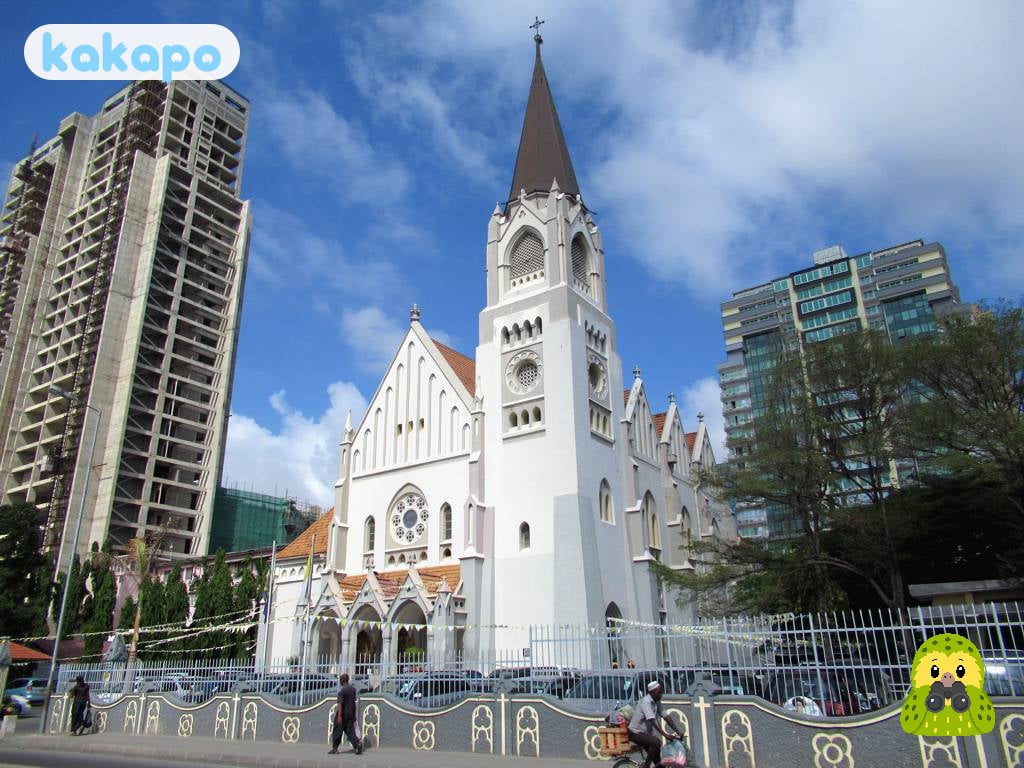
Recommended for visitors: Masaki + Oyster Bay (diplomatic + upscale residential, hotels, restaurants), Kivukoni waterfront, Slipway (gentrified shopping/dining peninsula).
Stay aware: Kariakoo Market (largest open market — daytime fine with awareness; pickpockets dense), Posta + city centre at night, around the bus terminal (Ubungo) at night. Outer suburbs: residential, no tourist relevance.
Malaria + health checklist
- Malaria: present year-round. Antimalarial prophylaxis recommended.
- Yellow fever vaccination: required if arriving from yellow-fever country. Bring the yellow card.
- Bug spray: DEET 25-50%, dawn/dusk especially.
- Tap water: not safe.
- If fever after returning: see doctor immediately.
Zanzibar ferry
- Azam Marine: standard fast ferry from Dar Port to Zanzibar (Stone Town). 2 hours.
- Tickets: $35-65 each way depending on class. Foreigner pricing higher than locals.
- Seas: usually calm; rougher in monsoon (Mar-May, Nov).
- Don't use: small wooden dhows for the Zanzibar crossing — capsizing has happened.
- Pre-buy tickets: at Dar Port or via Azam app to avoid the touts at the ferry-terminal entrance.
Transport — Bolt, Uber, BRT, the airports
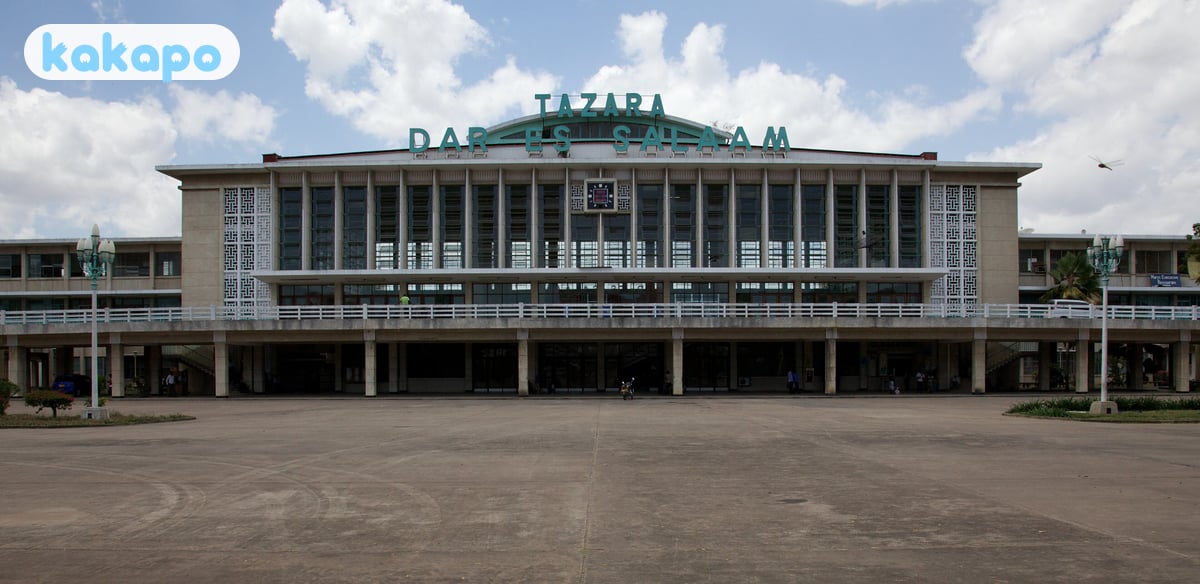
- Bolt + Uber: both work in Dar. Cheap; the practical default.
- BRT (Mwendokasi): bus rapid transit on main corridors (Morogoro Road). Cheap.
- Daladalas (minibuses): chaotic; not for casual tourists with luggage.
- Julius Nyerere International Airport (DAR): 10 km west. Pre-booked transfer TZS 50,000-80,000 ($20-35). Bolt cheaper.
- Don't drive yourself: chaotic; weak lane discipline.
Money, food, the cost story
- Currency: Tanzanian shilling (TZS).
- USD: widely accepted at hotels and tour places.
- Cards: at hotels + bigger restaurants; cash for everything else.
- Tipping: 10% restaurants; safari guides $10-20/day; porter $1-2.
- Tap water: not safe.
- Local food: nyama choma (grilled meat), ugali, mishkaki, samosas, Indian-Tanzanian fusion.
Common scams + tourist hassles
- Friendship hustles: leads to commission shopping or expensive bills.
- "Help me get to school" appeals: organised.
- Phone-snatching from open car windows: at red lights.
- "My car is broken, you help me with petrol": standard.
- Aggressive ferry-terminal touts: book in advance.
Neighbourhood-by-neighbourhood breakdown
- Kivukoni — the eastern peninsula tip where the ferry to Kigamboni leaves; fish market in the early morning (06:00-09:00 is the spectacle), the State House (Ikulu) in adjacent grounds, the Askari Monument. Daytime atmospheric; not for evening wandering.
- Oyster Bay (Toure Drive) — diplomatic-and-upscale residential along the Indian Ocean north of the centre; embassies, the Coco Beach public stretch (the local family-Sunday beach), seafood restaurants, the Slipway expat shopping-and-dining peninsula. Comfortable any hour.
- Masaki — the upscale peninsula north of Oyster Bay; Kilimanjaro Kempinski (now Hyatt Regency), Sea Cliff Hotel, the Slipway shopping village, expat residential. The tourist-comfortable base.
- Coco Beach (Oyster Bay) — the city's public beach where Dar locals gather on Sundays; food stalls, body-surf swim, BBQ. Daytime busy and safe; not for swimming alone or at night. Watch valuables in the sand.
- Kariakoo Market — the biggest open-air market in East Africa, between the centre and Buguruni; everything from textiles to electronics to spices. Daytime fine with awareness — phone in zipped pocket, no jewellery, bag in front. Pickpocket density is high; this is where to negotiate hard and watch for distract-and-grab pairs.
- Posta and CBD (city centre) — the old downtown around Samora Avenue; banks, the National Museum, the Botanical Gardens, the Lutheran Cathedral. Daytime fine; evening empty and not recommended on foot.
- Ferry to Zanzibar (Azam Marine, from Dar Port) — the standard fast ferry takes 2 hours and runs 07:00, 09:30, 12:30, 15:45 daily; $35-65 each way (foreigner pricing is higher than local). Buy via the Azam app or at the official Dar Port counter — avoid the touts swarming the entrance who sell either commission-marked-up tickets or fakes. Don't use wooden dhows for the crossing.
- Julius Nyerere International Airport (DAR) — 10 km west of the centre; Terminal 3 (international), Terminal 2 (domestic for Precision Air, Coastal Aviation safari-charter flights). Pre-booked transfer TZS 50,000-80,000 ($20-35); Bolt or Uber TZS 25,000-45,000.
- Ubungo bus terminal — the main inter-city coach hub; chaotic, target-rich for pickpockets. If you have to travel overland to Arusha (Northern Circuit safari gateway), pre-book a reputable coach (Kilimanjaro Express, Dar Express) and arrive with luggage minimised.
If it's your first time visiting
- Best arrival airport: Julius Nyerere International (DAR) for Dar / Zanzibar / Southern Circuit safari; Kilimanjaro Airport (JRO, 8h drive or short Precision Air flight) for the Northern Circuit (Serengeti, Ngorongoro, Tarangire). Most safari arrivals fly JRO; most Zanzibar-only trips fly DAR or direct to Zanzibar (ZNZ).
- Public transport: BRT Mwendokasi runs along Morogoro Road and Kilwa Road — clean and fast, TZS 1,200 single, but not tourist-relevant for most. Bolt and Uber are the universal default — TZS 5,000-15,000 for in-city rides. Don't take daladala minibuses with luggage; not designed for that.
- Best neighbourhood for your first night: Masaki or Oyster Bay for the tourist-comfortable hotel options (Hyatt Regency, Sea Cliff, the Southern Sun); Slipway for boutique waterfront; near the airport if you're transiting to a safari flight at 06:00 next morning.
- Day 1, jet-lag friendly: Slipway brunch, walk Coco Beach (Sunday locals' afternoon is the cultural moment), sunset dhow cruise from Slipway pier (Sea Cliff Hotel runs one for $40), dinner at Cape Town Fish Market or Mediterraneo.
- Common rookie mistakes: walking with your phone in your hand on any downtown street (snatch from passing boda-bodas / motorbikes is documented), buying ferry tickets from the touts at Dar Port (use the Azam app or the official counter), failing to take antimalarials (Tanzania is a high-transmission zone year-round — Malarone, doxycycline or mefloquine, start before arrival), trying to drive yourself (chaotic lane discipline and aggressive overtaking; hire a driver), tipping in dollars (use Tanzanian shilling for tips — porter TZS 2,000-5,000, taxi round-up).
- Currency and tipping: Tanzanian shilling (TZS), USD widely accepted at hotels and tour operators. Card at hotels and bigger restaurants; cash everywhere else. ATMs at CRDB, NMB, Stanbic. Tipping: 10% restaurants, $10-20/day for safari guide, $5-10/day for safari cook, $1-2 per bag for porters.
- Yellow fever and malaria preparation — yellow fever vaccination required if arriving from a yellow-fever country (bring the yellow WHO card). Antimalarial prophylaxis recommended by CDC: Malarone, doxycycline, or mefloquine; start before arrival. DEET 25-50% bug spray; sleep under nets where provided.
- Don't drink the tap — bottled water (Kilimanjaro, Uhai brands) is cheap (TZS 1,000-2,000 for 1.5L) and ubiquitous. Avoid ice in non-tourist-grade venues; brushing teeth with tap is generally tolerated but bottled if you're sensitive.
Practical info — emergency numbers
- Police: 112.
- Tourist Police: visible at major hotels.
- Aga Khan Hospital Dar: +255 22 211 5151.
- Hindu Mandal Hospital: +255 22 211 0237.
Bring: yellow fever card, antimalarial prophylaxis, DEET bug spray, modest clothing, a Tanzanian SIM (Vodacom, Airtel, Halotel) at the airport, USD cash, and travel insurance with medical-evacuation cover.
Frequently asked questions
Is Dar es Salaam safe to visit in 2026?
Yes, with awareness. Tanzania sits at US State Department Level 2 ('exercise increased caution' for crime and terrorism); UK FCDO is similar with no advisory against travel to Dar. Crime against visitors in tourist neighbourhoods (Masaki, Oyster Bay, Kivukoni waterfront) is moderate and dominated by pickpocketing and bag-snatching rather than violent crime. The realistic risks are malaria (year-round, prophylaxis recommended), traffic chaos, Kariakoo Market pickpocket density, and the standard 'no walking with phone in hand' rule for downtown. Most visitors transit through on the way to Zanzibar (ferry) or the safari circuits.
Is Dar es Salaam safe at night?
In the upscale residential areas (Masaki, Oyster Bay, Slipway peninsula) — yes, with the usual urban awareness; restaurants and hotel bars run late and are well-staffed. Downtown (Posta, the city centre) and the area around Ubungo bus terminal warrant more caution after dark. Don't walk anywhere alone late — use Bolt or Uber. Phone-snatching from open car windows at red lights is a documented pattern; keep windows up in downtown traffic.
Is Dar es Salaam safe for solo female travellers?
Doable with adjustments. The Masaki/Oyster Bay tourist zone is comfortable; downtown and Kariakoo Market draw more catcalling and persistent vendor approaches. Modest dress (covered shoulders and knees) reduces unwanted attention; Tanzania is majority-Muslim along the coast and the cultural baseline is conservative. Hijabs aren't required but bring a light scarf for mosque visits if relevant. Bolt and Uber drivers are vetted; women's groups recommend using them rather than daladalas (chaotic minibuses) at any time. Aga Khan Hospital and Hindu Mandal are the tourist-grade hospitals.
Can you drink tap water in Dar es Salaam?
No — stick firmly to bottled. Dar's municipal supply is treated but irregular and routinely contaminated at the building level. Bottled water is very cheap (TZS 1,000-2,000 for 1.5L) and ubiquitous. Avoid ice in non-tourist-grade venues, unpeeled raw vegetables outside reputable hotels, and street fresh juice. Tap water carries typhoid and cholera risk in shortage periods.
What's the biggest scam to avoid in Dar es Salaam?
Friendship hustles at the Zanzibar ferry terminal — touts offer to 'help' you buy tickets, walk you to commission shops, or sell you tickets that don't exist. Pre-buy via the Azam Marine app or at the official Dar Port counter. Other recurring patterns: 'help me get to school' donation appeals (organised), unmarked taxis at the airport quoting 5x the Bolt rate (use Bolt or pre-booked transfer), and phone-snatching from open car windows at downtown red lights. Don't use unlicensed wooden dhows for the Zanzibar crossing — capsizings have happened.
Should I take antimalarials for Dar es Salaam?
Yes — Tanzania is a high-transmission malaria zone year-round and the CDC recommends prophylaxis for all visitors. Atovaquone-proguanil (Malarone), doxycycline, or mefloquine are the standard options; consult a travel-medicine clinic 4-6 weeks before travel. Yellow fever vaccination is required for entry if you're arriving from a yellow-fever country (bring the yellow card). Use DEET 25-50% bug spray dawn-to-dusk, sleep under mosquito nets where provided, and see a doctor immediately if you develop a fever within 12 months of returning home.
Sources
Run a business in Dar es Salaam?
Show visitors your Dar es Salaam business is a safe choice. The free Verified by Kakapo badge puts Dar es Salaam's live safety score on your website, links back to your verified page, and updates itself. No cost.
Get the free badge →