


Is Medellín, Colombia Safe? A 2026 Travel Safety Guide
El Poblado nightlife, the scopolamine pattern, the Comuna 13 tour question, and the realistic risks of Medellín's post-Escobar transformation.

Medellín's transformation from "world's most dangerous city" (1991) to global tourism destination is real and statistically supported. Homicide rates dropped from ~6,000/year in the early 1990s to under 500/year. The realistic visitor risks today are not "you'll be kidnapped" — they're the documented scopolamine drink-spiking pattern in El Poblado nightlife, the targeted "expensive escort" scams that have caused multiple foreign-tourist deaths since 2022, the standard altitude-and-traffic baseline, and the gap between the very safe tourist zones (El Poblado, Laureles, Envigado) and the outer comunas.
Colombia sits at Level 3 on the US State Department's advisory ("reconsider travel"), with explicit Medellín carve-outs. The 2022-2024 period saw a recurring pattern of foreign men dying after meeting women on dating apps in El Poblado — drugged, robbed, sometimes left in stairwells. The State Department issued specific Medellín warnings about this. Awareness is the defence.
The honest framing for first-time visitors: Medellín is genuinely calm and beautiful in the tourist core. The post-Escobar transformation produced "world's most innovative city" rankings (WSJ 2013), the Metro and MetroCable system that lifts up the comunas, the Botanical Garden, the spring-perfect climate. The realistic safety risks are concentrated in specific patterns covered below.
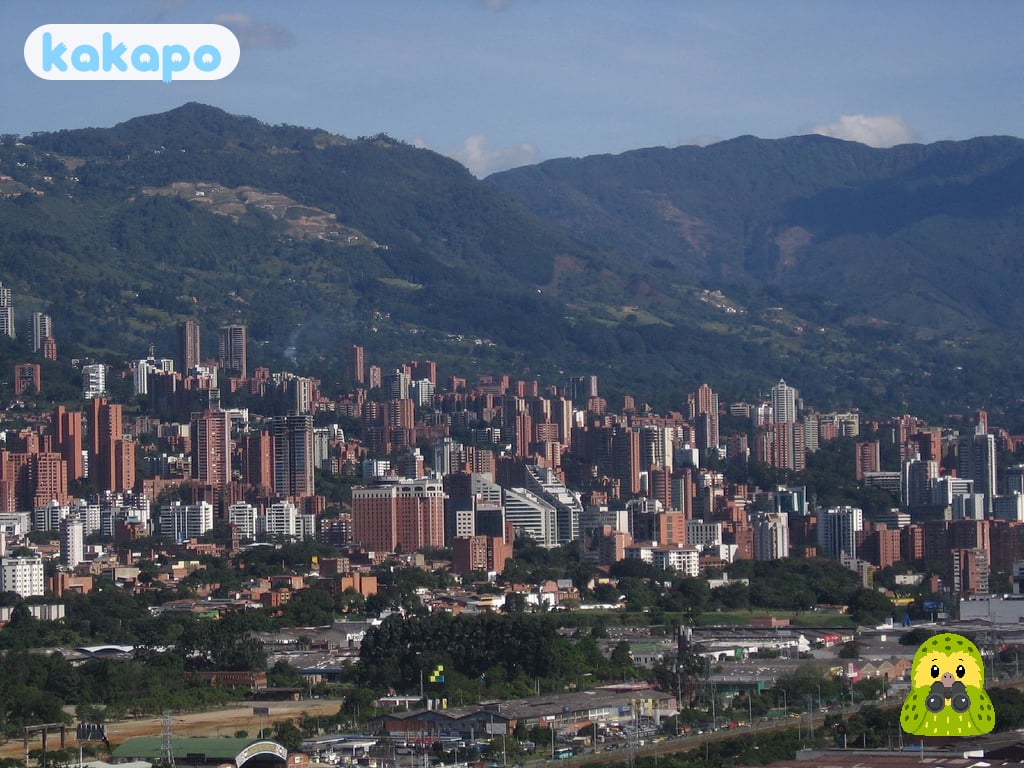
Medellín sits in the narrow Aburrá Valley at 1,495m, surrounded by steep green hills with the comunas climbing the slopes — a topography that produced both the slum-isolation problem the city is famous for and the engineering response (MetroCable gondolas connecting the hill barrios to the valley-floor Metro). The 6-million-person metro region runs essentially in a north-south strip 50 km long: Bello at the north end, Itagüí and Sabaneta at the south. The visitor core is concentrated in El Poblado (south-east of the centre, the original wealthy district turned tourist anchor), Laureles (west of the centre, the alternative-base of choice), Envigado (Poblado's southern continuation, calmer), and Comuna 13 (the famous transformed barrio on the western hillside).
What's changed for 2026: the "digital nomad" influx that started in 2021-2022 has peaked and partly receded — Medellín is no longer the cheap Tulum-style discovery it was, and El Poblado / Provenza prices have roughly doubled in three years; the State Department's specific dating-app-and-scopolamine warnings remain in force after at least 8 confirmed US-citizen deaths in 2023-2024; the airport-side Las Palmas highway from José María Córdova (MDE) into the city is the standard 45-60 minute drive and the airport taxi rip-off pattern persists (use Uber from the dedicated rideshare lot); and the Comuna 13 "graffiti tour" economy has grown to the point of over-tourism — go early morning (08:30 start) before the cruise-day-trip groups arrive at noon, and on a vetted operator (Real City Tours, Comuna 13 Graffiti Tour run by Casa Kolacho).
| Night safety | 64/100 |
|---|---|
| Scam / petty-crime risk | High |
| Violent crime (tourists) | Medium |
| Most common scams | scopolamine drink-spiking in El Poblado nightlife; expensive escort scams in El Poblado; airport taxi rip-off pattern |
| Safer neighbourhoods | El Poblado, Laureles, Envigado |
| Data sources cited | 4 |
| Last verified |
What the score means — 70/100
- Transport (80) — Medellín has the world's first MetroCable system (gondola lifts up the hills); the Metro is clean and cheap. Use them.
- Healthcare (78) — Medellín has private hospitals (Clínica El Rosario, Hospital Pablo Tobón Uribe) on a par with Bogotá's best.
- Personal safety (66) — moderate. The El Poblado nightlife scopolamine pattern is real and recurring.
- Night (64) — El Poblado nightlife strip alive late but specific risks present. Other tourist districts (Laureles, Provenza by day) calmer.
El Poblado scopolamine + escort scams — the pattern
This section is the most important one for male visitors planning Medellín nightlife. The State Department has issued specific advisories about it. Multiple US, UK, and Australian deaths since 2022.
- The pattern: foreign man matches with attractive Colombian woman on Tinder/Bumble/Sugarbook. They meet at a Provenza or Parque Lleras bar in El Poblado. Drinks. The man wakes up in his hotel room with credit cards drained, valuables gone, sometimes worse — multiple deaths attributed to scopolamine overdose, fentanyl-laced drugs, or "robbed and pushed off balcony" incidents.
- Pattern markers: rapid intimacy escalation, suggestion to "go to my place" or "let's go to another bar I know," the woman pours drinks, accelerating-trust-by-the-hour.
- Frequency: significant. The US Embassy in Bogotá issued multiple warnings in 2022-2024.
- Defence: don't accept drinks you didn't watch made. Don't bring strangers to your hotel. Don't follow strangers to "their" apartment. If you use dating apps in Medellín, video-call before meeting; meet in a busy public location; don't drink alcohol until you trust the person.
- The "expensive escort" version: woman insists on going to a specific bar where bills run €500-2000, bouncers block exit. Same fix.
- If you suspect you've been drugged: 123 (police), then your country's embassy.
Areas — El Poblado, Laureles, Envigado
Recommended for visitors: El Poblado (the upscale tourist anchor — Parque Lleras nightlife, Provenza dining, expensive hotels), Laureles (residential, gentrified, calmer than El Poblado, often recommended for digital nomads), Envigado (suburb just south, very calm, family-friendly), Sabaneta (small-town feel, calm).
Visit on a guided tour, not independently: Comuna 13 — the famous gentrified barrio with the outdoor escalators and street art. Daytime, on a community-vetted tour (Real City Tours, Sandos Cultura), it's a powerful visit. Solo wandering: not advised.
Daytime only: Centro / La Candelaria — the historic centre. Daytime busy and tourist-anchored; after dark, less polished.
Avoid as a tourist: most outer comunas (1, 3, 6, 7, 8) — residential, no tourist relevance, ongoing gang-related disputes.
Metro, MetroCable, Uber
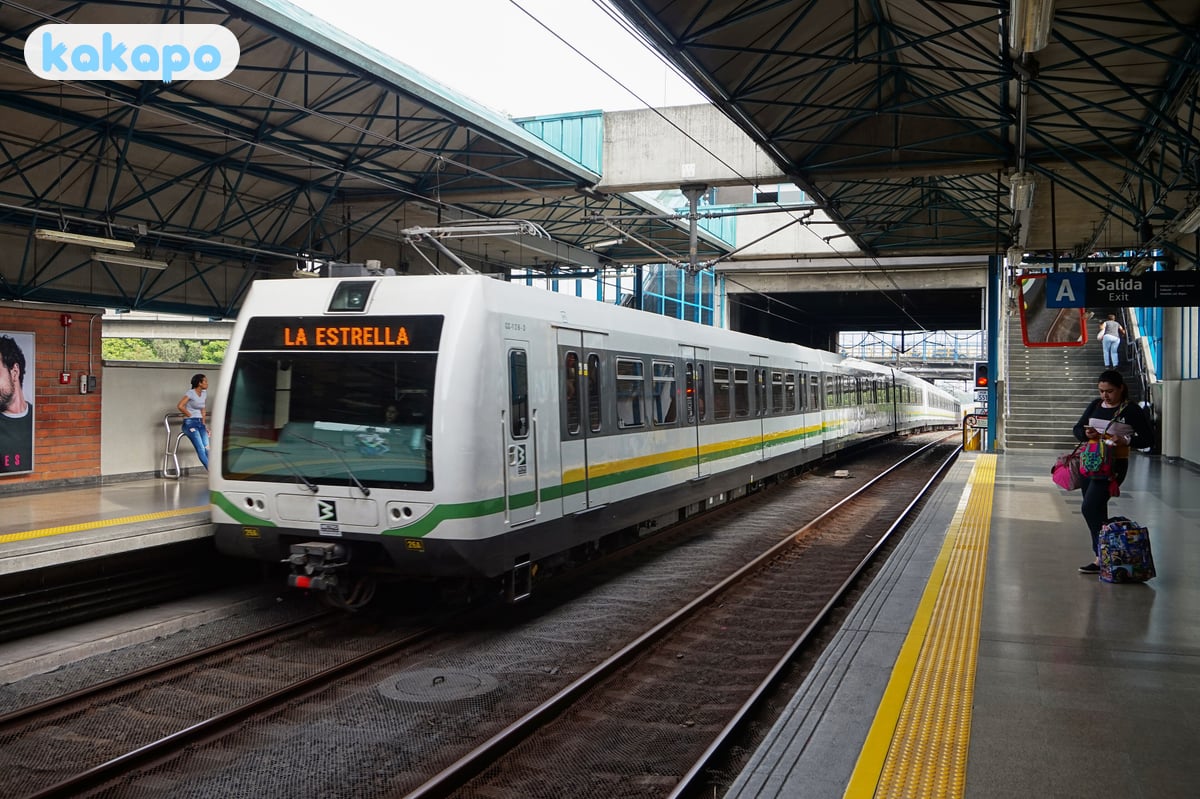
- Metro Línea A and B: clean, cheap, used by everyone. Highly recommended.
- MetroCable: gondolas climbing into the hillside comunas. Famous, well-engineered, very safe. Great way to see the city.
- Tranvía: light rail through Centro.
- Uber and Cabify: both work in Medellín. Realistic visitor recommendation.
- Yellow taxis: regulated, metered. Honest if you insist on the meter.
- José María Córdova Airport (MDE): 35 km from city. Taxi/Uber $50,000-80,000 COP, ~45 min.
Scams + the scopolamine warning
Medellín's safety story has flipped 180° since the 1990s — it's now a major remote-work + tourism destination. But specific risks remain documented + worth knowing. The "scopolamine" (devil's-breath) drugging warning is the one that locals + embassies are most insistent about.
- Scopolamine drugging: scopolamine ("burundanga") is a drug that incapacitates + makes victims compliant. The pattern: a friendly stranger offers a drink, candy, gum, or even just touches your skin in a brief "spirit on the hand"-style scam. The victim wakes up hours later, robbed. Most reported cases involve victims (often men) approached by attractive strangers at bars, on Tinder/Bumble, or in nightclubs in El Poblado.
- Hold your own drink; don't accept open drinks or food from strangers; be wary of unusually-fast romantic connections, especially via dating apps where the meetup is a hotel room.
- Tinder/Bumble caution: the US Embassy has issued specific warnings about app-meeting robberies in Medellín. If you use apps, meet in public places, don't bring matches to your accommodation on first meeting.
- Pickpocketing on Metro Line A + B: real. Phone in zipped pocket; wallet front pocket.
- "Express kidnapping": rare for tourists but documented. Use Uber, Cabify, or hotel-arranged drivers, not street taxis hailed on the road.
- "No dar papaya" (don't show your papaya): the Colombian phrase for "don't flash valuables." Phones, expensive watches, jewellery, all out of sight on the street.
- Card-terminal DCC: always pay in COP, never "your home currency".
- Cash → blue dollar: less extreme than Argentina but USD cash still exchanges favorably at some casas de cambio.
Where Medellín is fine vs where to be careful
- El Poblado: the gentrified tourist + remote-work zone. Most visitor accommodation here. Generally safe day + night; the late-night scopolamine + dating-app warnings concentrate here paradoxically.
- Laureles + Estadio: the locals' answer to El Poblado — leafier, less touristy, increasingly popular with digital nomads. Lower-key scene.
- Comuna 13: the famous transformation story — once Pablo Escobar's most-violent stronghold, now a tourist site with graffiti, escalators, salsa. Visit only with a licensed guide tour (Real City Tours, Comuna 13 Graffiti Tour). Don't wander alone after dark.
- El Centro: the historic colonial centre. Daytime sightseeing OK with awareness; not for after-dark wandering.
- Stay aware after dark: El Centro, parts of Bello + Itagüí outer areas, around the bus terminal.
- Day trips: Guatapé (the painted town + El Peñol rock, 2h east), Jardín (4h south — coffee region), Santa Fe de Antioquia (1.5h north-west).
- Common-sense rules: don't walk with phone in hand near kerbs (motorbike phone-snatch is real), don't engage with people offering drugs (police entrapment, plus the drug-tourist trade is exploitative).
- Eternal spring climate: 18-25 °C year-round (Medellín is at 1,500 m). No real off-season.
If it's your first time visiting
- Best arrival: José María Córdova International (MDE) at Rionegro is 35 km east of Medellín, ~45-60 minutes via the Las Palmas highway. The official airport taxi flat rate is COP 100,000-110,000 (USD 24-27) — printed at the kiosk. Uber works from the dedicated rideshare zone (COP 70,000-90,000). Skip the freelance approaches inside the terminal. The small Olaya Herrera (EOH) inside the city runs domestic flights only.
- Use the Metro and Uber, not street taxis: Medellín Metro (Lines A north-south and B west) costs COP 3,200 a ride, world-clean, and serves El Poblado, Laureles, the centre and the MetroCable hubs. MetroCable lines K, J, M and L lift up into the hillside comunas with city views (free with Metro transfer). Uber and Cabify both work — Uber operates in a legal grey zone (sit in the front seat to look like a friend) but is the default tourist choice.
- Best neighbourhood for your first night: El Poblado (The Charlee, Diez Hotel, Provenza-area boutiques) for nightlife and walkable restaurants — the digital-nomad-default base; Laureles (around Estadio metro, several mid-range boutique hotels) for the local-residential vibe and lower prices; Envigado for the very-calm option. Skip El Centro and Comuna 13 as first-night bases.
- If you're a man planning to use dating apps: read the State Department's specific Medellín warning before downloading. The 2022-2024 pattern produced 8+ confirmed US-citizen deaths from scopolamine-and-robbery setups via Tinder, Bumble and Sugarbook. Defences: video-call before meeting; meet at a vetted public bar in El Poblado (not at "her place" or yours); don't accept any drink you didn't watch poured; don't bring matches to your accommodation; if she pushes to "another bar I know," leave alone.
- Money: Colombian peso (COP). The dollar sat around 4,200 COP in 2026. ATMs from major banks (Bancolombia, Davivienda, BBVA) are everywhere; withdraw at branch ATMs in daylight (cardboard-card-trap skimmers exist at outdoor machines). Always decline DCC. Carry COP 50,000-100,000 small bills for autos, tips and the Comuna 13 tour.
- Day 1, gentle: morning at the Botanical Garden (free, beautiful) or Parque Arví (the MetroCable Line L gondola up to the cloud forest — extraordinary), midday lunch at Mondongos or Hacienda in El Poblado, afternoon Provenza walk and coffee (Pergamino, Hija Mía), evening dinner at El Cielo or Carmen. Save Comuna 13 for day 2 morning (early start) with a vetted guide.
- Common rookie mistakes: flashing phones near kerbs (motorbike snatch is real); using street taxis hailed off the road (express-kidnapping pattern, rare but documented — always Uber/Cabify); engaging with the men offering cocaine in Parque Lleras (police entrapment, plus the trade is exploitative); walking Comuna 13 alone or after dark (locals welcome guided tours, not lost solo tourists); meeting Tinder matches at private apartments; flying out same day from MDE without padding for traffic.
- Climate: 18-25°C year-round at 1,495m — the "eternal spring" tag is real. April-May and September-November are the rainier windows. No real off-season. Light layers (long sleeves in evening, short sleeves by day), waterproof in shoulder seasons.
Practical info — emergency numbers
- Emergency: 123.
- Tourist Police: stations at El Poblado and major sites; English-speaking.
- Clínica El Rosario: +57 4 444 4666.
- Hospital Pablo Tobón Uribe: +57 4 445 9000.
- US Embassy Bogotá (covers Medellín): +57 1 275 2000.
Bring: a card without foreign-transaction fees, an unlocked phone (Claro, Movistar, Tigo Colombia prepaid SIMs at the airport), modest cash (COP), and travel insurance documentation. Tap water in El Poblado is technically safe; most visitors stick to bottled.
Frequently asked questions
Is Medellín safe to visit in 2026?
Yes — dramatically safer than the 1990s narcoviolence reputation. The city has transformed since Pablo Escobar's death (1993) and is now one of Latin America's most-livable cities. Tourist core (El Poblado, Laureles, Envigado) is heavily-policed + calm. US State Department Level 3 (Colombia overall, with city-specific carve-outs); UK FCDO has standard Colombia framing.
What's the scopolamine + dating-app warning?
Documented + serious. Drink-spiking via scopolamine ('burundanga') is a well-known Medellín pattern, especially via dating-app meetups. Visitors have been drugged + robbed (sometimes with longer-term consequences). Don't accept drinks from strangers. Don't meet dating-app matches at private apartments — meet at TripAdvisor-rated public bars + leave with the same group you came with.
Is Comuna 13 safe to visit?
Yes — but only on a reputable organised tour (Real City Tours, Zippy Tour, Comuna 13 Graffiti Tour). The neighbourhood transformed via art + escalator infrastructure; locals welcome visitors with guides + benefit from tour economy. Don't wander solo, especially at night. Bring small bills for street art donations.
Is Medellín safe at night?
Yes for El Poblado, Laureles + central El Centro until 21:00. After dark: stick to known nightlife streets (Parque Lleras, Provenza); use Uber/Cabify for transfers; don't walk solo through unfamiliar barrios; avoid the El Centro Botero area at night.
Is Medellín safe for solo female travellers?
Yes with the standard precautions + the dating-app caution. Catcalling is common but rarely escalates. Use Uber/Cabify rather than street taxis. The dating-app drink-spiking pattern is the specific elevated risk — don't accept drinks from strangers + don't go to private apartments on first meetings.
Is Medellín's weather always 'eternal spring'?
Yes — the city sits at 1,495m + maintains 18-25°C year-round with no winter. The 'City of Eternal Spring' nickname is real. April-May + September-November have higher rainfall; otherwise drier. The temperate climate is one of Medellín's main draws.
Sources
Run a business in Medellín?
Show visitors your Medellín business is a safe choice. The free Verified by Kakapo badge puts Medellín's live safety score on your website, links back to your verified page, and updates itself. No cost.
Get the free badge →