


Is Bhopal, India Safe? A 2026 Travel Safety Guide
The 1984 gas tragedy legacy, the Upper Lake, brutal summer heat, monsoon flooding, the Old vs New Bhopal contrast, and the realities of one of India's most quietly important cities.

Bhopal — population ~2.4 million, the capital of Madhya Pradesh in central India — is one of India's gentlest state capitals. The "City of Lakes" is built around the Upper and Lower Lakes (Bhojtal and Lower Lake), with the Old City of nawab-era mosques on the north bank and the planned New City built around Arera Hills to the south. Crime against tourists is rare; English support at hotels is decent; the city is a calm base for Madhya Pradesh tourism (Sanchi 50 km north, Bhimbetka 45 km south).
The honest concerns are about heat, monsoon, and the city's defining historic event. The December 1984 Union Carbide gas leak — which killed 3,000-15,000 (estimates vary) and injured 500,000+ — remains the world's worst industrial disaster. The shut Union Carbide factory site stood derelict and partially-contaminated for 40 years until controlled toxic-waste disposal began in 2024-25; ongoing groundwater contamination in surrounding bastis continues. Several commemoration sites are visitable; respectful visiting is the norm. Bhopal's pre-monsoon summers (April-June) regularly hit 43-45°C with hot dry winds; the monsoon (July-September) floods low-lying parts of the city and occasionally swells the lakes. Air quality has worsened with growing traffic and dust; AQI 150-250 is common in winter.
The US State Department lists India at Level 2; UK FCDO has no specific Bhopal advisories. Both note the standard road-safety, heat, and tropical-disease context.
| Night safety | 55/100 |
|---|---|
| Scam / petty-crime risk | Low |
| Violent crime (tourists) | Low |
| Most common scams | heat-related health risks; flooding in low-lying areas |
| Safer neighbourhoods | New Bhopal, Arera Hills, MP Nagar |
| Data sources cited | 4 |
| Last verified |
What the score means — 75/100
- Personal safety (78) — moderate-high. Bhopal is calmer than Delhi or Mumbai for solo travellers; standard Indian-city precautions still apply.
- Transport (70) — Raja Bhoj Airport (BHO), well-connected by rail (Bhopal Junction is a major node), buses; auto-rickshaws everywhere; Bhopal Metro under construction (opening progressively 2026-2027).
- Healthcare (76) — AIIMS Bhopal, Bansal Hospital, Jawaharlal Nehru Cancer Hospital — the regional referrals; Apollo Sage adequate private.
- Air quality (60) — moderate-poor; winter inversions push PM2.5 unhealthy; pre-monsoon dust storms.
The 1984 gas tragedy — visiting respectfully

Just past midnight on 3 December 1984, methyl isocyanate (MIC) gas leaked from the Union Carbide India Limited pesticide factory. Wind carried the cloud over the bastis of Old Bhopal. Estimates of immediate dead range 3,000-8,000; total deaths attributed to the disaster (immediate + chronic) often cited at 15,000-25,000; ~500,000 exposed. The world's worst industrial disaster; ongoing legal and environmental aftermath continues 40+ years later.
- Visiting the site: the former Union Carbide factory in Berasia Road has been partially demolished and is undergoing controlled toxic-waste removal (operations began 2024-25). Public access is restricted; "ruins tours" by local NGOs are sometimes available — book through Sambhavna Trust Clinic or the Bhopal Memorial Hospital.
- Sambhavna Trust Clinic: free clinic founded by activists for survivors and second-generation affected (continued health effects from contaminated groundwater); accepts respectful visitors and sometimes volunteers. Don't visit just to gawk.
- Bhopal Memorial Hospital and Research Centre: state-funded hospital for survivors; has a small interpretive centre.
- The "Remember Bhopal" memorial statue: outside the factory; informal commemoration spot.
- Anniversary commemoration (3 December): candlelight vigils, marches; visitors welcome to attend respectfully.
- Photography: no posing for selfies; the surrounding bastis are working communities, not a memorial park. Ask before photographing residents.
- Don't drink groundwater in the bastis: chronic chromium and chlorinated-organic contamination has been documented for decades; central Bhopal water is fine.
- Books to read first: Suketu Mehta's reporting; Indra Sinha's "Animal's People"; Dominique Lapierre's "Five Past Midnight in Bhopal".
Summer heat — April to June brutal

- Pre-monsoon (April-June): 38-45°C; loo (hot dry wind) in May-June; nights barely below 28°C in peak.
- Heatstroke: India recorded thousands of heat-related deaths nationwide in 2024; Madhya Pradesh among the worst-affected states. Tourists who underestimate are over-represented in ED admissions.
- Defences: heavy hydration (3-4L water/day); ORS sachets sold at every chemist; indoor mid-day breaks (DB City Mall, Aashima Mall are AC-cold); avoid 11:00-15:00 outdoor activities; cotton long sleeves (paradoxically cooler than t-shirt).
- Best windows: October-March (cool, dry, peak tourist); avoid April-June.
- Cool weather (Dec-Jan): 8-25°C; pleasant; warm clothing for evening at lake-side.
- Dehydration: signs (dark urine, headache, dizziness) appear within hours in 45°C; act early.
Monsoon and the lake-flood context

- Monsoon: July-September. Bhopal averages 1,200mm annual rainfall, most in this window.
- Lake flooding: Upper Lake and Lower Lake levels rise dramatically; central Bhopal low-lying areas (around the lake banks, parts of New Market) flood. The August 2022 floods were the worst in years; the 2023 monsoon also produced significant urban flooding.
- Don't wade flood streets: leptospirosis, sewage backup, electrocution.
- Best monsoon timing: if you do come July-September, the lakes look spectacular and Madhya Pradesh forests (for Sanchi day-trip) are lush — but allow time for daily rain disruption.
- Boat ride on Upper Lake: motorboats and pedal boats from Boat Club (Madhya Pradesh State Tourism Development Corporation); INR 100-200 per person 30 min; lifejackets standard; closed in heavy rain.
- Tap water: not drinkable. Bottled.
Old Bhopal vs New Bhopal — the city contrast
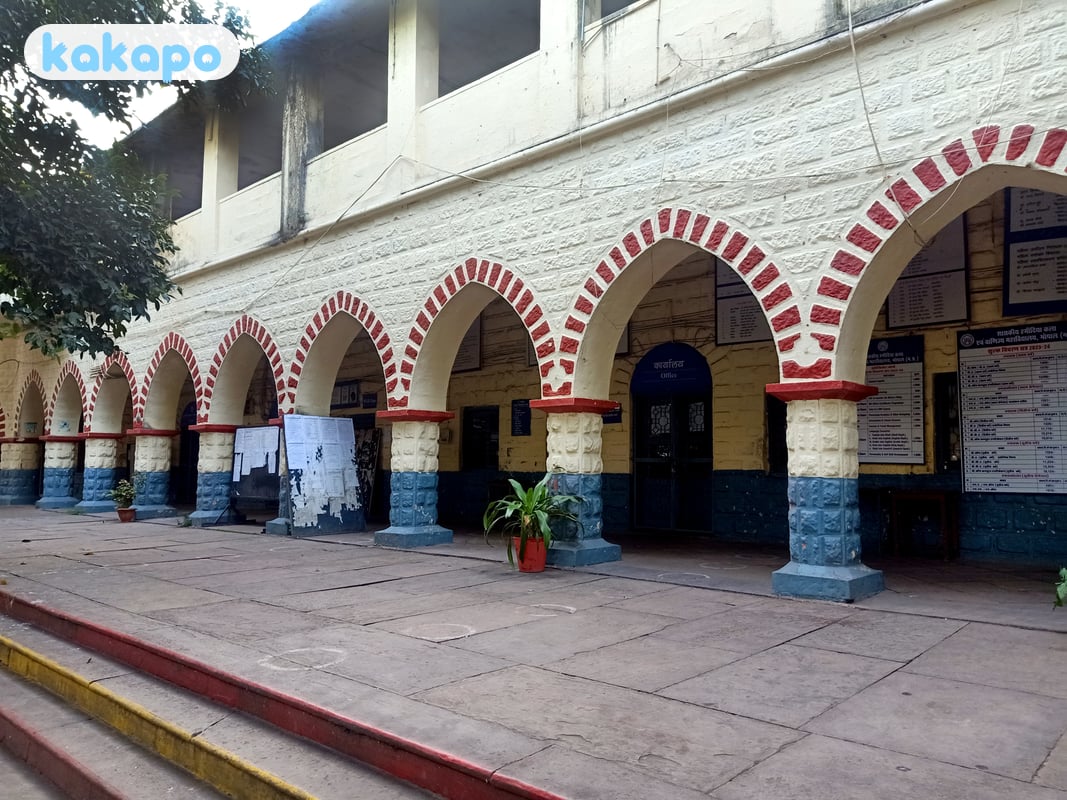
The Upper Lake divides the city into two distinct experiences.
- Old Bhopal (north of lake): nawab-era city; Taj-ul-Masajid (one of Asia's largest mosques); Jama Masjid; Chowk bazaar; Iqbal Maidan. Dense, atmospheric, working Muslim-majority quarters. Modest dress at mosques (covered shoulders, long trousers/skirt; women cover head at Taj-ul-Masajid).
- New Bhopal (south of lake): planned post-1956 capital; Arera Hills, MP Nagar (commercial), Habibganj, modern residential. International chain hotels (Courtyard by Marriott, Jehan Numa Palace heritage hotel).
- Stay aware in Old Bhopal at night: dense alleys, not violent toward tourists but uncomfortable for solo women after dark; pre-arrange transport back.
- New Bhopal: calm, walkable around lakes, well-policed.
- Photography in mosques: permitted in courtyards; restricted in prayer halls during prayer times. Always ask.
- Bhojpur Temple: 30 km southeast; massive incomplete Shiva temple; worth half-day.
Day-trips — Sanchi, Bhimbetka, Bhojeshwar

- Sanchi Stupas: 50 km north of Bhopal. UNESCO Buddhist site; the Great Stupa was built by Emperor Ashoka in the 3rd century BCE. INR 600 foreigner entry. Half-day visit; train (1 hour) or taxi (90 min).
- Bhimbetka rock shelters: 45 km south. UNESCO; prehistoric cave paintings 30,000+ years old. INR 600 entry. Half-day visit.
- Bhojpur Temple: 28 km southeast. 11th-century Shiva temple with massive 7.5m linga; never finished but spectacular.
- Pachmarhi (hill station): 200 km south; British-era hill station, waterfalls, hiking. 4-5 hr drive; usually overnight.
- Tigers: Madhya Pradesh has India's best tiger reserves — Bandhavgarh (300 km east), Pench (270 km southeast), Kanha (390 km southeast). Bhopal is the air-arrival hub for these.
- Driving: drive on the LEFT. Madhya Pradesh state highways are improving but watch for nilgai (large antelope) crossings on rural roads.
Transport — train, airport, in-city

- Bhopal Junction (BPL): major rail node; trains from Delhi (8-12 hours, Shatabdi Express premium), Mumbai (12-15 hours), Chennai. AC class on Shatabdi/Vande Bharat is comfortable.
- Habibganj (now Rani Kamlapati Station): India's first privatised station; modern; Vande Bharat services use this.
- Raja Bhoj Airport (BHO): 12 km northwest of city. Direct flights from Delhi, Mumbai, Bengaluru. Taxi to city INR 400-600; Ola/Uber INR 350-500; airport bus INR 100.
- Bhopal Metro: opening progressively 2026-2027 (Phase 1 Bhadbhada-AIIMS-Subhash Nagar); will reduce traffic; not yet operational at scale.
- Auto-rickshaws: meter often "broken" for tourists; insist or use Ola Auto / Uber Auto for fixed pricing.
- Walking: New Bhopal lake-side areas are walkable; Old Bhopal alleys best with a guide first time.
Money, food, emergency numbers
- Currency: Indian rupee (INR). $1 ≈ INR 84.
- Cards: hotels, malls, chain restaurants yes; small shops cash. UPI dominant locally.
- Tipping: 10% in restaurants if not on bill; INR 50-100 for hotel porters.
- Food: Bhopal cuisine is a Mughal-Hindu fusion — biryani, kebabs, paya, rezala. Chowk bazaar street food (Old Bhopal) is the local headline. Manohar Dairy & Restaurant is the calm vegetarian default.
- Tap water: not drinkable. Bottled.
- Alcohol: Madhya Pradesh has restrictive but available alcohol; permitted at hotels and licensed bars; not on streets.
- Emergency: 112 (universal); 100 (police); 101 (fire); 108 (ambulance); 1091 (women's helpline).
- Hospitals: AIIMS Bhopal (+91 755 295 6000); Bansal Hospital (+91 755 274 0250); Apollo Sage Hospital (+91 755 666 4422).
- SIM: Airtel, Jio, Vi at airport — passport + visa to register.
Frequently asked questions
Is Bhopal safe to visit in 2026?
Yes — Bhopal scores 72/100 and is one of India's gentlest state capitals. The US State Department lists India at Level 2; UK FCDO has no specific Bhopal advisories. Crime against tourists is rare and English support at hotels is decent. Realistic concerns are environmental rather than violent: brutal pre-monsoon heat April-June (38-45°C with loo hot dry winds, Madhya Pradesh recorded heat-related deaths in the thousands during 2024 summer), monsoon flooding July-September that swells the Upper and Lower Lakes and submerges low-lying central areas (the August 2022 floods were the worst in years), winter inversion air quality pushing AQI 150-250, and the ongoing groundwater contamination context in the bastis around the former Union Carbide factory site.
Is Bhopal safe at night?
Yes broadly. New Bhopal (south of the Upper Lake) around Arera Hills, MP Nagar (commercial), Habibganj and the international hotel zone (Courtyard by Marriott, Jehan Numa Palace) is calm, walkable around the lakes, and well-policed. Old Bhopal (north of the lake) — Taj-ul-Masajid, Jama Masjid, Chowk bazaar, the dense nawab-era alleys — is not violent toward tourists but uncomfortable for solo women after dark; pre-arrange transport back to your hotel. Auto-rickshaws are everywhere but the meter is often 'broken' for tourists — insist on it or use Ola Auto / Uber Auto for fixed pricing. Bhopal Metro Phase 1 opens progressively 2026-2027. Emergency: 112; police: 100; ambulance: 108; women's helpline: 1091.
How do I visit the gas tragedy sites respectfully?
The 1984 Union Carbide methyl isocyanate gas leak killed 3,000-15,000+ (estimates vary widely) and injured 500,000 — the world's worst industrial disaster. The former factory site on Berasia Road is undergoing controlled toxic-waste removal that began 2024-25; public access is restricted but NGO-led 'ruins tours' are sometimes available — book through Sambhavna Trust Clinic or Bhopal Memorial Hospital. The Sambhavna Trust Clinic (free clinic for survivors and second-generation affected by chromium and chlorinated-organic groundwater contamination) accepts respectful visitors and sometimes volunteers — don't visit just to gawk. The 'Remember Bhopal' memorial statue outside the factory is an informal commemoration spot. No selfies in the surrounding bastis — they're working communities, not memorial parks. Anniversary vigils are 3 December. Read Indra Sinha's 'Animal's People' first.
Can you drink tap water in Bhopal?
No — Indian tap water is not safe for visitors and Bhopal is no exception. Bottled is universal and cheap (INR 20-30 for 1L). Critical caveat: do NOT drink groundwater from wells or hand-pumps in the bastis surrounding the former Union Carbide factory — chronic chromium and chlorinated-organic contamination has been documented for decades, central Bhopal municipal water is safe but the affected bastis still rely on contaminated sources. Don't take ice in informal stalls; major hotels and chains (Manohar Dairy, Hotel Jehan Numa Palace) use filtered ice. The bigger health risk is heat — at 45°C you need 3-4L water/day plus ORS sachets (sold at every chemist for INR 5-10), avoid 11:00-15:00 outdoor activities, take AC mid-day breaks at DB City Mall or Aashima Mall.
What day trips are worth it from Bhopal?
Three UNESCO-tier day trips. Sanchi Stupas (50km north, INR 600 foreigner entry) — the Great Stupa built by Emperor Ashoka in the 3rd century BCE, Buddhist heritage, half-day visit via 1-hour train or 90-minute taxi. Bhimbetka rock shelters (45km south, INR 600 entry) — UNESCO prehistoric cave paintings 30,000+ years old, half-day. Bhojpur Temple (28km southeast) — 11th-century unfinished Shiva temple with massive 7.5m linga. Pachmarhi hill station (200km south) is a 4-5h drive and usually overnighted. Bhopal is also the air-arrival hub for Madhya Pradesh's tiger reserves — Bandhavgarh (300km east), Pench (270km), Kanha (390km). Drive on the LEFT; watch for nilgai antelope crossings on rural roads. The Raja Bhoj Airport (BHO) is 12km northwest with INR 400-600 taxi or Ola/Uber INR 350-500.
Sources
Run a business in Bhopal?
Show visitors your Bhopal business is a safe choice. The free Verified by Kakapo badge puts Bhopal's live safety score on your website, links back to your verified page, and updates itself. No cost.
Get the free badge →