


Is Bali Safe? The 2026 Rabies Risk Reality
The outbreak that started in 2008, the regency-by-regency picture, the monkey-forest risk, the post-exposure protocol — what every Bali visitor needs to know about animal bites.

Rabies has been endemic in Bali since the 2008 outbreak that began in the Ungasan area of the Bukit Peninsula, and despite an extensive vaccination campaign (over 90% of Bali's dogs vaccinated in recent years), the disease has not been eradicated. The Indonesian Ministry of Health reports 5-15 confirmed human rabies deaths in Bali annually; 2025 saw 12 fatalities, up from 7 in 2024. Almost all cases follow bites from stray dogs, but monkeys, cats and the occasional bat are also documented vectors.
Rabies, once symptoms begin, is almost universally fatal — and the post-exposure prophylaxis (PEP) protocol that prevents that progression is time-critical, expensive, and only available at a handful of Bali hospitals. The honest 2026 read for travellers is: the per-trip probability of being bitten by a rabid animal in Bali is very low, but the consequences of not knowing the protocol if you are bitten are catastrophic.
This guide covers what every Bali visitor should know — the regency-by-regency risk picture, the monkey-temple specifics (Ubud's Sacred Monkey Forest, Uluwatu temple), the PEP protocol, where to get it, and the pre-trip rabies vaccination question.
| Night safety | 66/100 |
|---|---|
| Scam / petty-crime risk | Medium |
| Violent crime (tourists) | Low |
| Most common scams | monkey bites at Ubud Sacred Monkey Forest; monkey bites at Uluwatu Temple; stray dog bites in rural areas |
| Safer neighbourhoods | Kuta, Seminyak, Canggu |
| Data sources cited | 4 |
| Last verified |
The Bali rabies outbreak — the context
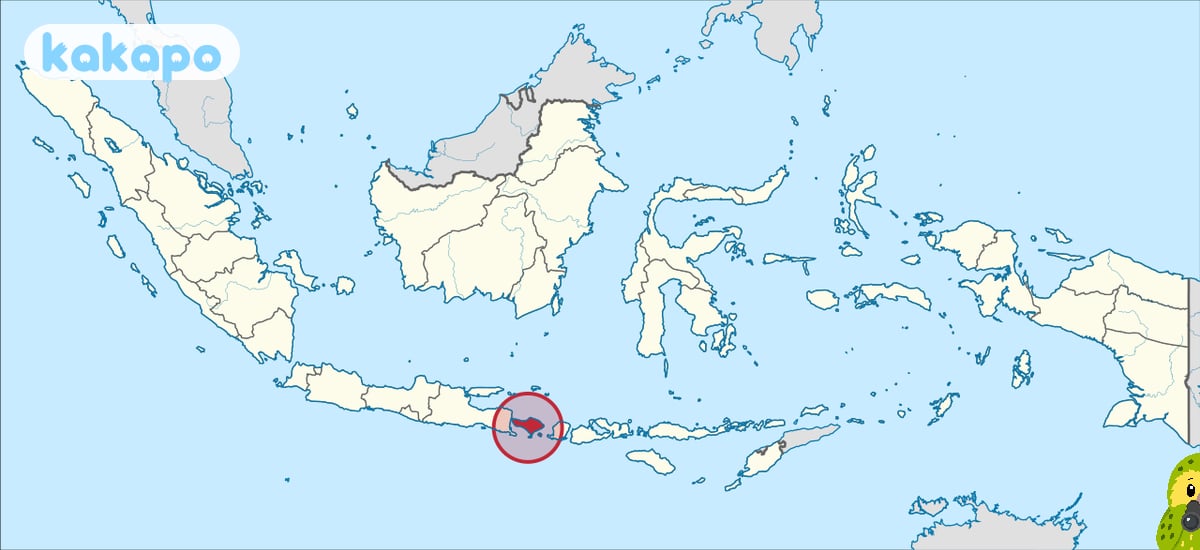
- 2008 origin: rabies was first confirmed in Bali in November 2008, in the Ungasan area of the Bukit Peninsula in south Bali. Source unknown — possibly an imported dog from Sumatra or Java.
- Spread: by 2012 the outbreak had reached all nine Balinese regencies (Badung, Bangli, Buleleng, Gianyar, Jembrana, Karangasem, Klungkung, Tabanan and Denpasar municipality).
- The vaccination campaign: 2010-2015 saw a major dog-vaccination push by the Indonesian government and international partners. Initial success — cases dropped to single digits by 2017 — was followed by a resurgence (2019 onwards) attributed to vaccination-campaign fatigue and the COVID-era disruption to surveillance.
- The 2026 baseline: ~50,000-60,000 reported animal bites in Bali per year (most non-rabid; 58,000 in 2024, ~49,000 in 2025); 5-15 human rabies deaths per year (7 in 2024, 12 in 2025), mostly among locals with delayed PEP access. Tourist fatalities are very rare — the last documented case was 2022 — but tourist bite incidents requiring PEP run into the hundreds annually.
- What the WHO says: Bali is classified as a Category 3 rabies risk area; pre-exposure rabies vaccination is recommended for travellers spending >4 weeks in Bali or doing high-contact activities (volunteering with animals, cave/forest visits, scooter touring in rural areas).
By regency — the risk picture
- Karangasem (east Bali): the regency with the highest 2023-25 case count. Includes Amlapura, Candidasa, Tirtagangga. Stray dog density is high; rural; some areas have less vaccination coverage than the south.
- Buleleng (north Bali): Singaraja, Lovina. Similar profile to Karangasem; the north Bali tourist coast has documented incidents.
- Jembrana (west Bali): Negara, Medewi. Rural; stray dog density high; lower vaccination uptake historically.
- Badung (south Bali — Kuta, Seminyak, Canggu, Jimbaran, Nusa Dua): the most-tourist-saturated regency, also the regency with the most aggressive vaccination programme. Stray dog density lower than rural regencies; tourist-area bite incidents do still happen but at lower rates per visitor.
- Gianyar (Ubud area): includes Ubud's Sacred Monkey Forest and surrounding villages. The monkey-bite risk here is distinct from the dog-bite risk (see below).
- Klungkung (Nusa Penida islands): lower stray dog density; lower confirmed case count.
- Bangli (highland Bali, Mount Batur area): lower documented case count but lower surveillance density too.
- The practical implication: tourists who spend their time in Kuta/Seminyak/Canggu/Nusa Dua plus a few day-trips have a very low rabies-encounter probability. Tourists who spend significant time in rural east Bali, north Bali, or who do extensive scooter touring in less-developed regencies face higher exposure.
Monkey-temple risk — Ubud and Uluwatu specifically
- Ubud Sacred Monkey Forest (Mandala Wisata Wenara Wana): ~750 Balinese long-tailed macaques in the sanctuary. Bites and scratches happen routinely (the forest reports several hundred minor incidents annually); rabies-confirmed cases very rare but documented.
- Uluwatu Temple (Pura Luhur Uluwatu): ~150-200 macaques. Famous for stealing sunglasses, hats and phones from tourists. Bites occur in scuffles over possession.
- The monkey-bite protocol: even a "minor" scratch from a Bali macaque warrants medical attention. The macaques can also carry herpes B (rare but potentially fatal in humans), so the combined risk profile matters.
- Defence at monkey temples: do not feed the monkeys (the forest sells specific bananas at the entrance to discourage outside food); do not make eye contact with adult males; do not carry visible food or shiny objects (sunglasses, jewellery); do not pet or touch monkeys; do not pull back hard if a monkey takes something — let it go and approach a staff member.
- The Ubud Sacred Monkey Forest entry fee includes an insurance contribution that covers initial wound care at the on-site clinic and referral to BIMC/Siloam for PEP. Keep your ticket stub.
- Sangeh Monkey Forest (less-visited, Badung regency) and Pulaki Temple (north Bali) have smaller monkey populations with similar risk profiles.
If you're bitten — the PEP protocol
- Immediate care: wash the wound for 15 minutes under running water with soap. The wash is the single most important first step — Indonesian Ministry of Health guidance and WHO both stress 15 minutes of vigorous washing as cutting transmission risk by ~80%.
- Time to PEP: post-exposure prophylaxis is effective if started within 24 hours; ideally within 6 hours. Do not wait to "see if symptoms develop" — by the time rabies symptoms appear (1-3 months later, sometimes longer), it's almost universally fatal.
- The PEP protocol: rabies immunoglobulin (RIG) injected into the wound + a series of rabies vaccines on days 0, 3, 7, 14 (sometimes 28). The first injection is the critical one; the series can be completed at home if you've travelled on.
- Where to get PEP in Bali: BIMC Hospital Kuta (24/7, English-speaking, +62 361 761 263); Siloam Hospital Denpasar (24/7, +62 361 779 900); Sanglah Hospital Denpasar (the public hospital, government-supplied PEP, lower-cost but slower). Most other Bali hospitals can stabilise the wound but refer for PEP.
- Cost: PEP in Bali at BIMC or Siloam runs IDR 5-15 million (US$320-1,000) for the full course including RIG. Travel insurance should cover this; have your insurer's number handy.
- Document everything: photo of the animal (if possible without further risk), photo of the wound, hospital records, your insurer's confirmation. Required for any subsequent insurance claim.
Pre-trip rabies vaccination — should you?
- Who should get it: travellers staying in Bali for >4 weeks; travellers doing rural scooter touring; travellers volunteering with animals or doing veterinary work; cave explorers (bat exposure); children (more likely to interact with animals).
- Who probably doesn't need it: short-stay (1-2 week) travellers who plan to stay in Kuta/Seminyak/Canggu/Nusa Dua plus a few day-trips. The per-trip probability of needing PEP is low enough that the pre-exposure vaccination cost (US$200-300 for the 3-dose series) is debatable.
- What pre-exposure vaccination does: simplifies the post-exposure protocol. If you've had the pre-trip series and are bitten, you need only two post-bite vaccine doses, not the full series with RIG. The PEP is also somewhat more available (some smaller Bali clinics can give the vaccine but not the RIG).
- What it doesn't do: eliminate the need for PEP. You still need to wash the wound and get to a hospital quickly; you just need less treatment when you do.
- UK NHS travel-clinic protocol: rabies vaccination is recommended for Bali for stays >4 weeks or for higher-risk activities. UK travel clinics charge ~£150-250 for the 3-dose series.
- The decision framework: for an under-2-week beach holiday in south Bali, pre-trip vaccination is debatable. For a long-stay digital-nomad visit with scooter touring, it's a sensible precaution.
Broader medical context
- Bali medical infrastructure: BIMC Hospital (Kuta and Nusa Dua locations) and Siloam Hospital Denpasar are the international-standard options. English-speaking, 24/7 emergency, accept most international travel insurance directly.
- Indonesian public hospitals: Sanglah Denpasar is the major public hospital with PEP availability; cheaper but slower; English limited.
- The dengue and Japanese encephalitis context: rabies isn't the only mosquito/animal-borne risk in Bali. Dengue is endemic year-round; JE is a rural-rice-paddy risk during rainy season. Insect repellent (DEET-based) is the practical defence; pre-trip JE vaccination is worth considering for long-stay rural travellers.
- Evacuation insurance: any travel insurance for Bali should include medical evacuation to Singapore or Australia in case of serious incidents — both are 2-3 hours' flight, and SOS Singapore or Mediserv Singapore are the standard evacuation operators.
- The honest summary on rabies risk: Bali is statistically much safer for tourists than the headline "rabies outbreak" suggests, but the consequences of a wrong response to a bite are severe enough that every visitor should know the wash-15-minutes-then-PEP protocol and have BIMC/Siloam's number saved.
Frequently asked questions
Is rabies still a risk in Bali in 2026?
Yes — rabies has been endemic in Bali since the 2008 outbreak and has not been eradicated. The Indonesian Ministry of Health reports 5-15 confirmed human rabies deaths in Bali annually; ~80,000-100,000 animal bites are reported annually with hundreds of tourists requiring post-exposure prophylaxis. The per-trip probability of being bitten by a rabid animal is low but the consequence of a wrong response is severe.
What should I do if I'm bitten by a dog or monkey in Bali?
Wash the wound for 15 minutes under running water with soap (this single step reduces transmission risk by ~80%). Get to BIMC Hospital Kuta or Siloam Hospital Denpasar within 24 hours (ideally 6) for the rabies post-exposure prophylaxis (PEP) protocol — rabies immunoglobulin injected into the wound plus vaccines on days 0, 3, 7, 14. Cost IDR 5-15 million (US$320-1,000); travel insurance should cover.
Should I get the rabies vaccine before going to Bali?
Recommended for stays over 4 weeks, rural scooter touring, animal-volunteering work, or with children (more likely to interact with animals). Probably unnecessary for short (1-2 week) holidays based in Kuta/Seminyak/Canggu/Nusa Dua. UK NHS travel-clinic series is £150-250; doesn't eliminate the need for post-exposure protocol but simplifies it (two doses instead of four plus RIG).
Is the Ubud Monkey Forest safe to visit?
Yes with precautions. The Sacred Monkey Forest reports several hundred minor scratches/bites annually; rabies-confirmed cases are rare but documented. Defence: don't feed the monkeys (the forest sells specific bananas at entry to discourage outside food), no eye contact with adult males, no visible food or shiny objects (sunglasses, jewellery), don't touch the monkeys, let go if a monkey grabs your item rather than pulling back hard. The entry fee includes initial wound-care insurance at the on-site clinic.
Which Bali regencies have the highest rabies risk?
Karangasem (east Bali — Amlapura, Candidasa), Buleleng (north Bali — Singaraja, Lovina), and Jembrana (west Bali — Negara, Medewi) have the highest 2023-25 case counts. The tourist-heavy south (Badung, Gianyar) has had aggressive vaccination programmes and lower per-visitor exposure but bites still happen — vaccination uptake is high but stray dog density remains substantial.
Where can I get rabies post-exposure prophylaxis in Bali?
BIMC Hospital Kuta (24/7, English-speaking, +62 361 761 263) and Siloam Hospital Denpasar (+62 361 779 900) are the international-standard options with full PEP including rabies immunoglobulin. Sanglah Hospital Denpasar (the major public hospital) has lower-cost PEP via government supply. Other Bali hospitals can stabilise the wound but refer for PEP.
Are stray dogs in Bali aggressive?
Most are not — Balinese street dogs (the indigenous Bali Heeler / Bali Aga breed) are generally indifferent to humans and avoid contact. The dogs that approach tourists are usually friendly. The risk is the small minority that are aggressive, often because of disease, injury or territorial behaviour. Don't pet stray dogs, don't approach dogs that bark or growl, don't run from dogs (provokes chase), back away calmly.
Recent travel news for Bali
All travel news →Bali court jails Swiss tourist for a year over Nyepi Day of Silence posts
A Denpasar court sentenced a 26 year old Swiss visitor to one year in prison for social media posts mocking Nyepi, the Balinese Day of Silence. It is the first custodial sentence for a foreign tourist over the observance, and it signals that Bali is now prosecuting religious disrespect rather than handling it informally.
Bali unaffected by magnitude 7.7 Flores earthquake, but Ende flights cancelled and central Flores travel disrupted
A magnitude 7.7 earthquake off Flores on 15 August has killed at least 68 people in East Nusa Tenggara, around 685 km east of Bali. Bali and its airport are operating normally, Labuan Bajo and Komodo are open, but central Flores around Ende should be avoided.
Sources
Run a business in Bali?
Show visitors your Bali business is a safe choice. The free Verified by Kakapo badge puts Bali's live safety score on your website, links back to your verified page, and updates itself. No cost.
Get the free badge →