


Is Bali Safe During Nyepi? 2026 Day of Silence Guide
The Hindu New Year's 24-hour total shutdown — airport closed, lights off, beaches empty, no leaving your hotel. What every traveller arriving in mid-March needs to know.

Nyepi — the Balinese Hindu New Year — is the only day on the world's calendar when an entire airport shuts down for religious observance, lights are turned off across an island of 4.3 million people, and the streets are completely empty for 24 hours. In 2026 Nyepi falls on Thursday March 19 (06:00 to 06:00 the following morning), with the spectacular Ogoh-Ogoh parades on the evening of Wednesday March 18 and the "first day of the new year" Ngembak Geni on Friday March 20.
Bali is safer than usual on Nyepi — it's the only 24 hours of the year when the famously busy island is completely still. But "safe" doesn't capture the experience: Nyepi for tourists means total confinement to your hotel/villa compound, lights minimal, no internet or mobile data in many areas, no flights in or out, no medical-emergency services running normally. For tourists who plan ahead, it's one of the most extraordinary days you can spend in Bali. For tourists who don't, it's a frustrating 24 hours of being stuck somewhere you may not have planned to be stuck.
This guide is the practical brief — what Nyepi actually is, what's open and closed, the medical-emergency protocol, the airport-closure planning, and the experience itself.
| Night safety | 66/100 |
|---|---|
| Scam / petty-crime risk | Low |
| Violent crime (tourists) | Low |
| Data sources cited | 4 |
| Last verified |
What Nyepi is — the religious and cultural background
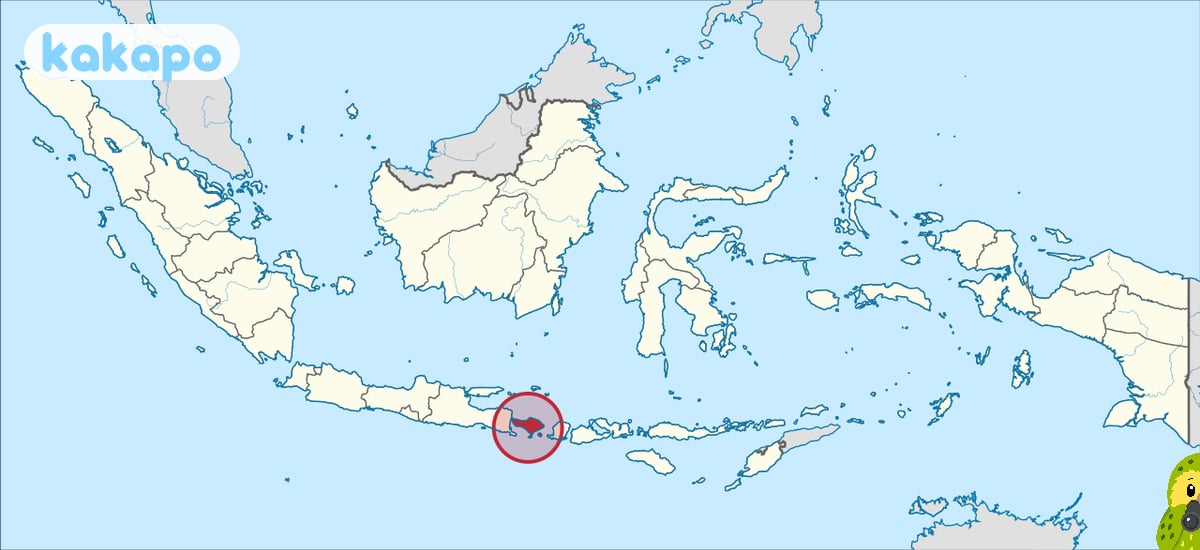
- Religious meaning: the Hindu New Year (Saka calendar). The 24-hour silence is the central religious observance — fasting, meditation, no fire, no work, no travel, no entertainment. The principles are called Catur Brata Penyepian (Four Restraints): no fire (Amati Geni), no work (Amati Karya), no travel (Amati Lelungan), no entertainment (Amati Lelanguan).
- 2026 dates: Ogoh-Ogoh parades evening of Wednesday March 18. Nyepi itself 06:00 Thursday March 19 to 06:00 Friday March 20. Ngembak Geni (the "let the fire be again" day) Friday March 20.
- The Ogoh-Ogoh parades: monstrous papier-mâché demon figures paraded through every Balinese village on the eve of Nyepi, then burned. Designed to cleanse evil spirits before the new year. Spectacular visual cultural event.
- The astronomical context: Bali is the only place on Earth that observes a complete switch-off of artificial light for 24 hours. Bali during Nyepi is one of the rare modern opportunities to see truly dark skies in a populated area.
- The legal status: Nyepi is enforced by traditional village authorities (the Pecalang), who patrol streets in costume to ensure compliance. Tourists are expected to follow the rules; serious infractions can result in fines or being asked to leave Bali.
What shuts down — and what doesn't
- Ngurah Rai International Airport (DPS): completely closed from 06:00 the day before Nyepi to 06:00 the day after. No flights in or out for 24 hours. This is the one airport closure of this kind in the world.
- Ports and roads: ferries from/to Bali (Java, Lombok, Nusa Penida) cancelled. Roads closed; no taxis, no Grab, no scooter movement except for emergencies.
- Restaurants, bars, shops: closed. Hotel restaurants serve guests-only, generally with reduced lights and quiet service.
- Internet and mobile data: ISPs and mobile carriers traditionally throttle or shut down data on Nyepi to encourage reflection. In 2024-25 this was substantially relaxed (most carriers maintain data with reduced speeds); plan for the possibility your phone may have limited data.
- Beaches: closed; no swimming, no surfing.
- Hotel pools: typically open for guests-only; quiet observance encouraged.
- Hospitals: emergency services run as normal. Non-emergency services (clinics, dental, scheduled appointments) shut.
- Lights: must be minimised. Outdoor lights off; indoor lights dimmed to the minimum needed. Pecalang patrols may knock on doors to ask for compliance.
Planning around Nyepi — the airport closure
- Arriving on Nyepi day: you cannot. All flights are diverted or rescheduled.
- Departing on Nyepi day: you cannot. Flights resume from 06:00 Ngembak Geni (the day after Nyepi).
- If your flight is the day before: it must land before 06:00 the morning before Nyepi. Some flights arriving the evening before are technically OK but tight; build slack into the arrival.
- If your flight is the day after (Ngembak Geni): traffic resumes 06:00; airport operations resume but there's a one-day backlog of cancelled flights catching up. Plan for delays.
- The booking advice: if you're not specifically wanting the Nyepi experience, avoid flying to Bali on the 3 days centred on Nyepi. If you are, book at least 2 days clear on either side.
- The hotel-stuck strategy: pick a Bali hotel where you'll be happy spending 24 hours without leaving. Beach resorts, villa compounds with garden and pool, hotels with a substantial restaurant operation. Avoid hotels where the room is small and the surroundings are the appeal.
Medical emergencies during Nyepi
- Hospital emergency rooms: BIMC Hospital Kuta, BIMC Nusa Dua, Siloam Denpasar, Sanglah Denpasar — all maintain full emergency-room operations during Nyepi. Ambulances do run.
- Hospital access: roads are technically closed but the Pecalang allow medical-emergency movement. Hotel front desks can call an ambulance; ambulances will be allowed through.
- What's harder: non-urgent medical care. A toothache, a non-acute injury, anything that can wait — must wait until Friday morning. Clinics shut entirely.
- If a serious incident happens before Nyepi and treatment continues: hospitals continue inpatient care normally. Visitors are restricted (no incoming visitors during Nyepi).
- Insurance documentation: medical insurance claims for Nyepi-day treatment are processed normally; document with hospital paperwork and inform your insurer's emergency line.
- Pharmacies: closed. Bring your regular medications in sufficient quantity before Nyepi; pharmacy chains (Kimia Farma, Apotik K-24) reopen Friday morning.
The experience itself — what Nyepi is actually like
- Wednesday March 18 evening (Ogoh-Ogoh): every Balinese village hosts a parade of papier-mâché monsters carried by 20-50 men. Spectacular, loud, visually unforgettable. Most resorts arrange a viewing point or a visit to a nearby village's parade. Free; tourists welcome.
- Thursday March 19 06:00 onwards (Nyepi): the silence begins. From your hotel room, you may hear nothing — no traffic, no music, no aircraft, no construction. By midday the silence becomes profound.
- Thursday evening: the famous star-viewing opportunity. No light pollution; the Milky Way visible across the equatorial sky like almost nowhere else on Earth. Hotel rooftops, the resort beach (if your hotel allows discreet outdoor access for guests), and quiet poolside observation are the experience.
- The mental experience: many travellers report it as one of the most memorable days of their Bali trip. The forced quiet, the absence of consumption opportunities, the prompt to actually rest and read — many find it deeply restorative.
- Friday March 20 06:00 (Ngembak Geni): traffic resumes; the airport reopens; restaurants and shops reopen. The transition is sudden — Bali goes from total silence to normal Bali within an hour.
- The "first new-year ceremonies": Friday morning many Balinese families hold blessing ceremonies. If your hotel is near a temple, witnessing the start of the new year is the cultural complement to Nyepi.
Practical prep — what to have in your hotel room
- Food: hotel restaurants serve guests-only with reduced service. Stock your hotel-room minibar with extra snacks, fruits, bottled water from the night before.
- Reading material: a stack of books or a fully-charged Kindle. With limited internet and total silence, traditional analogue activities become the day.
- Charged devices: phone, laptop, e-reader, camera. Power generally stays on but plan as if it might not.
- Cash: ATMs work; supermarkets and restaurants are closed. Have IDR 1-2 million in cash for tips, ceremony offerings, and post-Nyepi purchases.
- Medications: pharmacies are closed for 24 hours. Refill anything you might need.
- A torch/flashlight: in case the hotel's evening lighting is heavily reduced. Headlamps are useful for reading after dark.
- Insect repellent: dusk-and-dawn mosquito exposure is higher when you're spending more time on patios and balconies.
- A telescope or binoculars: optional but recommended for the star-viewing. Bali's Milky Way on a moonless Nyepi night is genuinely worth seeing.
Frequently asked questions
When is Nyepi 2026?
Nyepi 2026 falls on Thursday March 19. The 24-hour silence runs from 06:00 Thursday March 19 to 06:00 Friday March 20. The Ogoh-Ogoh parades are the evening of Wednesday March 18; Ngembak Geni (the post-Nyepi new year) is Friday March 20. Bali's Ngurah Rai International Airport is closed for those 24 hours — the only annual airport closure of this kind in the world.
Is Bali safe during Nyepi?
Yes — actually safer than usual. The entire island is completely still for 24 hours, no traffic, no nightlife, no movement. Pecalang (traditional village patrols) ensure compliance with the silence rules. The catch is that tourists must remain inside their hotel/villa compound for 24 hours, with no beach access, no restaurant trips, no transport, and (in most years) reduced internet and mobile data.
Can I fly to Bali on Nyepi?
No. Ngurah Rai International Airport is completely closed from 06:00 the day before Nyepi to 06:00 the day after. No flights in or out for 24 hours. If you have flights booked into Bali on Nyepi day, they will be diverted to Surabaya, Lombok or Singapore. The airport reopens 06:00 Ngembak Geni (Friday March 20 in 2026) with a backlog catching up.
What can I do on Nyepi?
Stay in your hotel/villa. Read, swim in the pool, rest, sleep, watch the stars (Nyepi night is one of the world's rare dark-sky opportunities in a populated area). Most hotels run a reduced-service restaurant for guests. The pre-Nyepi Ogoh-Ogoh parades (evening of March 18 in 2026) are the spectacular visual event of the festival and one of the world's most distinctive cultural experiences.
What if I have a medical emergency during Nyepi?
Hospital emergency rooms (BIMC Kuta, BIMC Nusa Dua, Siloam Denpasar, Sanglah Denpasar) maintain full operations during Nyepi. Ambulances run; the Pecalang allow medical-emergency road movement. Hotel front desks can call an ambulance. Non-emergency clinics, dentists and pharmacies are all closed — bring sufficient medications and don't plan elective treatments on Nyepi day.
Will my hotel be open during Nyepi?
Yes — hotels remain operational with reduced services. Restaurants serve guests-only with quiet service and dimmed lighting; pools usually open for guests with quiet observance encouraged; outdoor lights minimised. The Pecalang patrols ensure compliance, occasionally knocking to ask hotels to dim further. Pick a hotel where you'd be content spending 24 hours not leaving the compound.
How should I prepare for Nyepi?
Stock up on snacks, bottled water, books, fully-charged devices, and IDR 1-2 million in cash (ATMs work but shops are closed). Refill any medications before Nyepi — pharmacies are closed for 24 hours. Bring a torch in case evening lighting is heavily reduced. If you're not specifically wanting the Nyepi experience, avoid arriving or departing Bali within 2 days either side of the date.
Recent travel news for Bali
All travel news →Bali court jails Swiss tourist for a year over Nyepi Day of Silence posts
A Denpasar court sentenced a 26 year old Swiss visitor to one year in prison for social media posts mocking Nyepi, the Balinese Day of Silence. It is the first custodial sentence for a foreign tourist over the observance, and it signals that Bali is now prosecuting religious disrespect rather than handling it informally.
Bali unaffected by magnitude 7.7 Flores earthquake, but Ende flights cancelled and central Flores travel disrupted
A magnitude 7.7 earthquake off Flores on 15 August has killed at least 68 people in East Nusa Tenggara, around 685 km east of Bali. Bali and its airport are operating normally, Labuan Bajo and Komodo are open, but central Flores around Ende should be avoided.
Sources
Run a business in Bali?
Show visitors your Bali business is a safe choice. The free Verified by Kakapo badge puts Bali's live safety score on your website, links back to your verified page, and updates itself. No cost.
Get the free badge →