What happened
Delhi is experiencing severe heat with temperatures reaching 45°C (113°F) as the city enters peak summer conditions, according to BBC News. The extreme temperatures are particularly affecting the city's informal workers, who continue their outdoor labor despite growing health risks from the heat exposure.
The report highlights that for many of Delhi's poorest residents, economic survival takes precedence over safety concerns, forcing them to work in dangerous heat conditions. This situation reflects a broader public health crisis unfolding across India's capital as the pre-monsoon heat wave intensifies. The temperatures recorded represent some of the highest seasonal readings for late May, a period when Delhi typically experiences its most intense heat before monsoon rains arrive in June or July.
The extreme heat is not limited to specific neighborhoods but affects the entire National Capital Territory, with particular intensity in areas with limited tree cover and high concentrations of concrete and asphalt. The situation has created hazardous conditions not only for workers but also for anyone spending extended time outdoors, including travelers exploring the city's monuments, markets, and tourist districts.
Background and context
Delhi regularly experiences extreme summer heat, with temperatures above 40°C common from April through June. However, 45°C represents the upper range of typical conditions and approaches dangerous thresholds for heat-related illness. The city's vulnerability to heat waves has been increasing in recent decades due to urban heat island effects, where dense construction and limited green space amplify temperatures beyond surrounding rural areas.
India's meteorological department typically issues heat wave warnings when temperatures exceed 45°C or when they are 4-5°C above normal for the region. These conditions can lead to heat exhaustion, heat stroke, and dehydration, particularly among those without access to air conditioning or adequate hydration. Delhi's population of over 30 million people includes millions of outdoor workers—construction laborers, street vendors, rickshaw drivers, and others who cannot avoid midday sun exposure.
For context, the human body begins to struggle with heat regulation above 35°C when humidity is high, and at 45°C even low humidity poses serious risks. The elderly, children, and those with pre-existing health conditions face the highest risks. Past heat waves in Delhi have resulted in hundreds of deaths across the broader region, though official fatality counts are often disputed and may underrepresent the true toll.
The timing of this heat wave—late May—is significant as it comes just before the expected monsoon onset in late June or early July. This is historically one of Delhi's hottest periods, and travelers visiting during this window face the most challenging weather conditions of the year.
Why it matters for travelers
Visitors to Delhi during this period face significant health risks from heat exposure, particularly those unaccustomed to extreme temperatures. The 45°C heat affects all outdoor activities, from visiting monuments like India Gate, Humayun's Tomb, and the Red Fort, to exploring markets in Chandni Chowk or Connaught Place. Even short walks between Metro stations and destinations can pose risks without proper precautions.
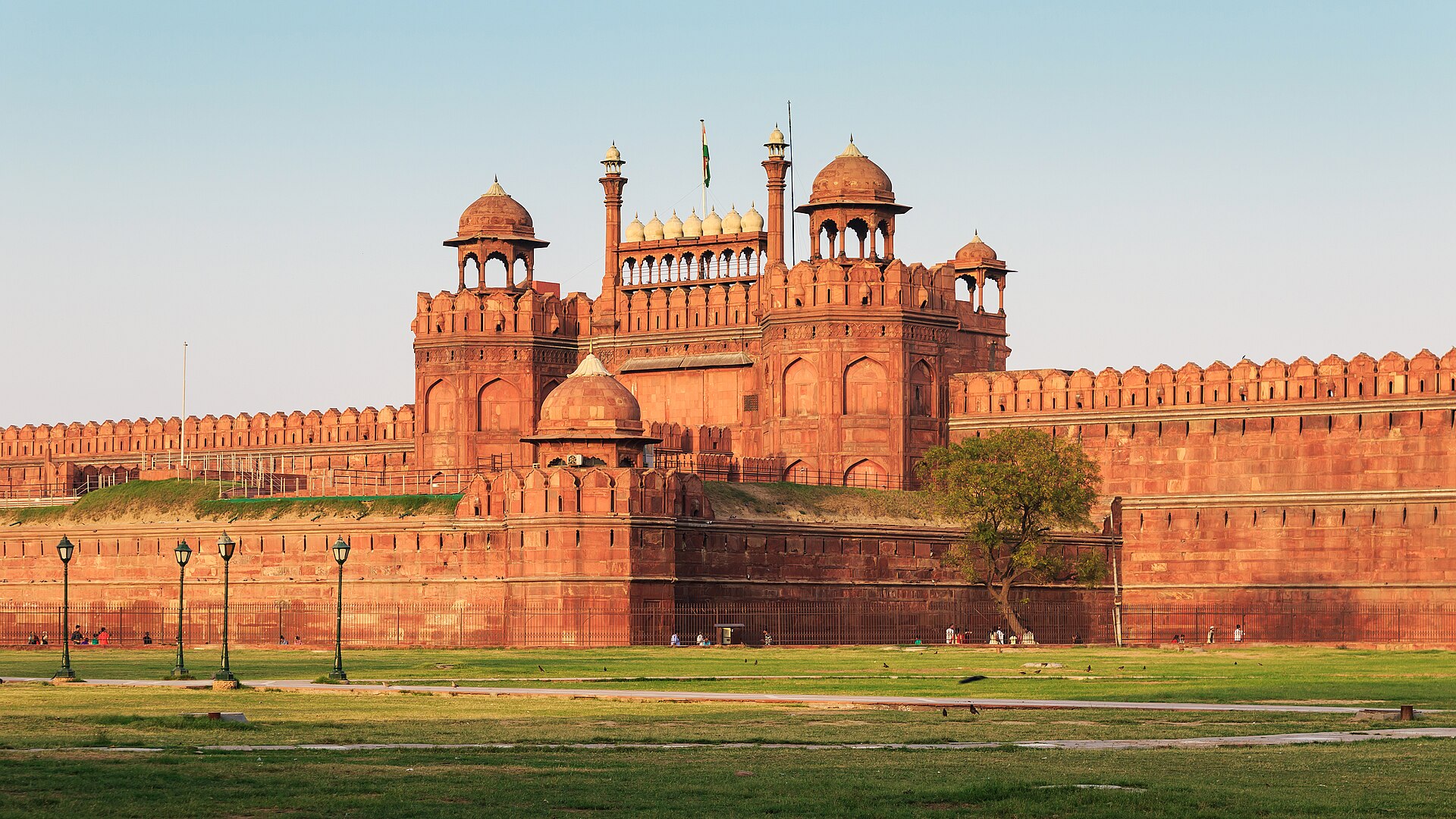
Many of Delhi's major tourist attractions are outdoor or semi-outdoor environments. The Qutub Minar complex, the vast grounds of the Red Fort, and the open-air markets that form a key part of Delhi's appeal all require extended outdoor exposure. Heat exhaustion can develop within 30-45 minutes of intense sun exposure at these temperatures, particularly for travelers arriving from cooler climates whose bodies have not acclimatized to extreme heat.
The heat also affects transportation reliability and comfort. While Delhi's Metro system is air-conditioned, many auto-rickshaws and some buses lack adequate cooling. Traffic congestion can trap travelers in vehicles under intense sun. Additionally, the heat can exacerbate Delhi's air quality issues, as stagnant air conditions often accompany heat waves, combining two environmental health stressors.
What to do
- Limit outdoor activity to early morning hours (before 10 AM) and evening (after 6 PM) when temperatures are 5-10°C cooler than midday peaks
- Carry at least 3-4 liters of water daily and drink continuously, not just when thirsty; bottled water is widely available at markets and metro stations
- Wear loose, light-colored cotton clothing that covers arms and legs to prevent sun exposure while allowing heat dissipation; include a wide-brimmed hat or light scarf
- Use air-conditioned transportation including Metro for longer distances; avoid non-AC auto-rickshaws during peak heat hours (11 AM - 5 PM)
- Book accommodations with reliable air conditioning and verify cooling systems are functional before checking in; power cuts can occur during peak demand
- Visit indoor attractions during peak heat: National Museum, National Gallery of Modern Art, and indoor temples and mosques provide respite
- Recognize heat exhaustion symptoms: heavy sweating, weakness, dizziness, nausea, headache; move to shade immediately and hydrate if symptoms appear
- Carry oral rehydration salts (ORS) available at any pharmacy; plain water may not replace electrolytes lost through heavy sweating
- Avoid alcohol and caffeine during daytime as both contribute to dehydration
- Monitor local weather services and heat wave warnings from India Meteorological Department
- Consider rescheduling visits to major outdoor monuments to September-March when temperatures are 15-20°C cooler
- Keep emergency contacts accessible: local hospital numbers and your embassy contact information
Affected areas
| Area | Heat Impact | Notes |
|---|---|---|
| Old Delhi (Chandni Chowk, Red Fort) | Very High | Dense construction, limited shade; market areas trap heat |
| Central Delhi (Connaught Place, India Gate) | High | Open spaces with intense sun exposure; limited natural shade |
| South Delhi (Qutub Minar, Hauz Khas) | High | Monument complexes require extended outdoor time |
| East Delhi | Very High | Industrial areas with minimal green cover intensify heat |
| North Delhi (Majnu ka Tilla, Civil Lines) | High | Mix of dense urban and open areas |
| Diplomatic Enclave / Chanakyapuri | Moderate | Better tree cover reduces heat island effect slightly |
| Gurgaon (NCR) | Very High | Glass-and-concrete development amplifies temperatures |
| Noida (NCR) | High | Newer development with some green planning |
Official response
The BBC report does not cite specific statements from Delhi government officials or the India Meteorological Department regarding the current heat conditions. However, Delhi authorities typically issue public health advisories during extreme heat events, recommending that residents avoid outdoor activity during peak hours and stay hydrated.
The Delhi Disaster Management Authority generally activates heat wave response protocols when temperatures exceed 45°C, which may include opening public cooling centers and increasing health worker presence in vulnerable areas. Travelers can monitor updates from the India Meteorological Department at mausam.imd.gov.in for official heat wave warnings and forecasts.
Foreign embassies in Delhi, including the US, UK, Canadian, and Australian missions, typically update their travel advisories to note extreme weather conditions when heat waves occur, though these updates may lag behind real-time conditions by several days.
What we don't know yet
The BBC report does not specify how long the current heat wave is expected to last or whether temperatures will climb further beyond 45°C. We don't have information on whether any heat-related fatalities have been recorded during this current event, or what hospital admission rates look like for heat-related illnesses. The report does not indicate whether Delhi authorities have formally declared a heat wave emergency or what specific public health measures are currently in effect.
Additionally, it's unclear whether this heat event is affecting flight operations at Indira Gandhi International Airport, as extreme heat can impact aircraft performance and cause delays. We also lack specifics on whether any major tourist sites have adjusted their operating hours in response to the heat.
Bottom line
Delhi is experiencing dangerous heat conditions with temperatures at 45°C, requiring travelers to take serious precautions. Anyone visiting the city in late May and early June should minimize midday outdoor activity, maintain constant hydration, and be prepared to recognize heat illness symptoms. Those with flexibility should consider visiting Delhi during the cooler months from October through March, when temperatures are far more comfortable for sightseeing and outdoor exploration.
Cited sources
Reporting from the outlets below.
Frequently asked questions
Is Delhi safe to travel to right now?
Delhi faces extreme heat with temperatures reaching 45°C, posing serious health risks to informal workers and travelers during peak summer season. See Kakapo's live Delhi safety report for the up-to-date composite score, neighbourhood-by-neighbourhood breakdown, and per-source advisories from US State Dept, UK FCDO, Canadian government, and Australian Smartraveller.
What happened in Delhi?
Delhi Temperatures Hit 45°C as Extreme Heat Poses Health Risks to Workers and Visitors. Delhi faces extreme heat with temperatures reaching 45°C, posing serious health risks to informal workers and travelers during peak summer season. This is a incident based on reporting from major travel-news outlets — see the cited sources below for the original coverage.
Should I cancel my trip to Delhi?
Most travel-safety events do not require cancelling a planned trip. Read the "What it means for travelers" section above for the specific guidance, check the live Delhi safety report for the current overall score, and consult your travel insurance for cancellation eligibility. Kakapo updates the Delhi safety profile as new advisories land.
Where can I find more travel safety news?
Kakapo publishes new travel-safety updates as events develop, sourced from BBC, Reuters, the Guardian, Al Jazeera, Deutsche Welle, France 24, US State Dept, and UK FCDO. Visit the live travel-news feed at kakapo.travel/travel-news for the latest.