


Is Xalapa, Veracruz Safe? A 2026 Travel Safety Guide
The cool-cloud-forest state capital, Veracruz cartel context (state-wide), the Anthropology Museum, the road from Mexico City, and the realistic risks.

Xalapa is the Veracruz state capital — a cool-cloud-forest mountain city in eastern Mexico. Limited tourism; mostly state-government visitors + university students. Crime against visitors in tourist-relevant areas (Centro, around Parque Juárez) is moderate. Veracruz state has documented elevated cartel violence; Xalapa city itself is calmer than coastal cities.
Mexico sits at Level 2; Veracruz state at Level 2 with carve-outs. UK FCDO is similar. The honest framing: Xalapa is medium (~480,000 city, 700,000 metro). Anthropology Museum (one of Mexico's best — Olmec heads), Parque Juárez, the colonial centre, and day trips to Cofre de Perote (volcano) + Coatepec (coffee village) are visitor anchors.
| Night safety | 53/100 |
|---|---|
| Scam / petty-crime risk | Medium |
| Violent crime (tourists) | Medium |
| Most common scams | robbery incidents on the Mexico-City-to-Xalapa road; phone-snatch from passing motorbikes; 'express' kidnapping at ATMs |
| Safer neighbourhoods | Centro Histórico, Cuauhtémoc, Pacho Viejo |
| Data sources cited | 4 |
| Last verified |
What the score means — 74/100
- Air quality (84) — clean cloud-forest air.
- Personal safety (64) — moderate. Veracruz state context drags down.
- Transport (70) — buses + Uber.
- Healthcare (70) — Hospital Civil + Clínica IMSS basic; complex cases evacuate to Mexico City.
Museum of Anthropology
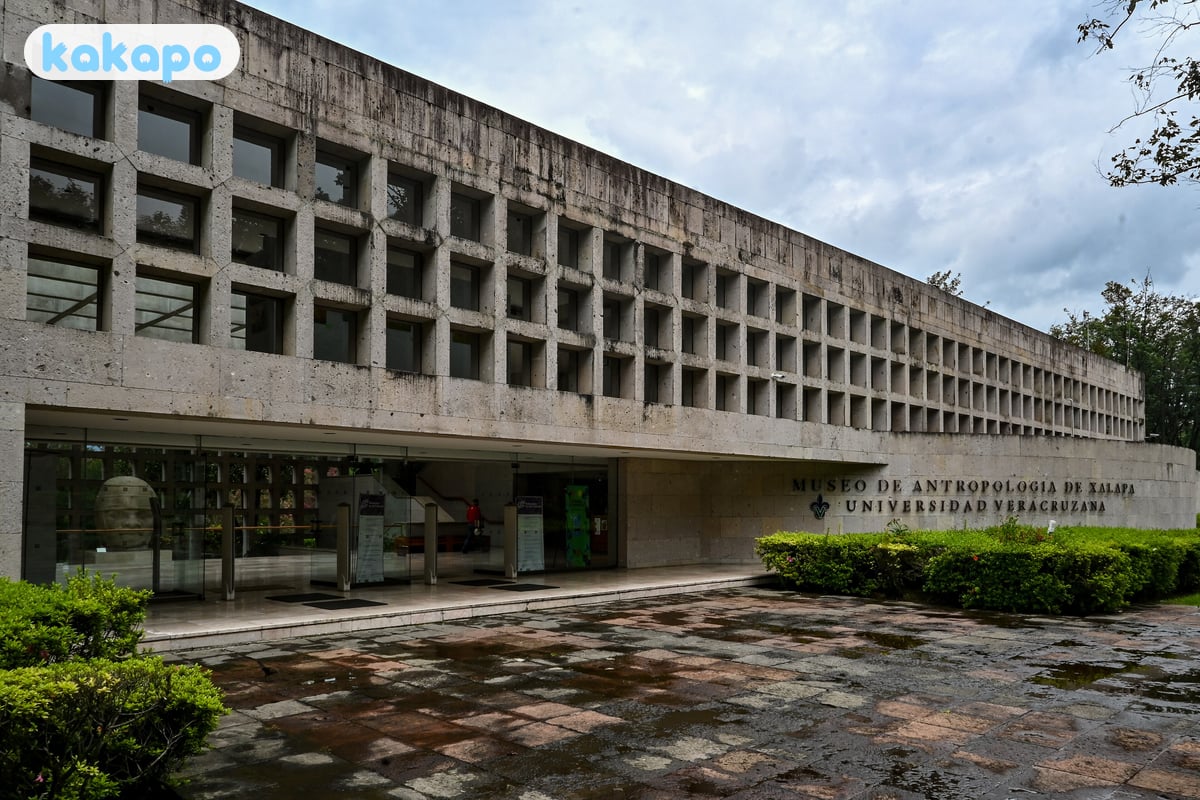
- Museo de Antropología de Xalapa (MAX): world-class. Second only to Mexico City's National Anthropology Museum.
- Olmec colossal heads: 7 of the 17 known. Massive.
- Entry: MXN 75. Free Sundays for Mexicans.
- Plan 3-4 hours.
- Photography: allowed without flash.
Veracruz state cartel context
- Veracruz state: documented cartel violence (Zetas + CJNG + others) since 2010s. Mostly affects coastal cities (Veracruz, Coatzacoalcos, Poza Rica).
- Xalapa city: calmer than coastal but not immune. Avoid outer barrios at night.
- Don't drive remote rural Veracruz roads at night: highway carjackings documented.
- Pre-arranged transport: from Mexico City via ADO bus or rental car (5h drive).
Areas — Centro, Cuauhtémoc
Recommended for visitors: Centro Histórico (Parque Juárez, the cathedral, walkable colonial), Cuauhtémoc (modern + university area), Pacho Viejo (residential).
Stay aware: around the bus terminal at night, outer barrios.
Cloud-forest climate
- Year-round: 12-25°C. Cool by Mexican standards (1,400 m altitude).
- Heavy rainfall: 1,500 mm/year. Foggy mornings.
- Bring: layered clothing + rain jacket.
- Best season: November-April (dry).
Coatepec, Xico, and the Veracruz coffee belt
Xalapa sits at 1,400 m in the eastern Sierra Madre, the centre of Mexico's specialty-coffee country. Three of the country's best small coffee towns are within 30 minutes.
- Coatepec: 15 km south, a "Pueblo Mágico". Cobbled streets, working coffee fincas you can tour, and a clutch of named third-wave roasters along the central plaza. Ask your hotel for current café recommendations — the scene rotates faster than any guide can keep up.
- Xico: 25 km south, even smaller. Famous for the Texolo waterfalls (a short signposted walk from town) and traditional mole xiqueño. Pre-Hispanic festival days in late July fill the streets.
- Naolinco: 30 km north — leather workshops, less-discovered, less-touristed.
- Finca tours: most coffee fincas above Coatepec offer half-day tours (~MXN 300-500 / $15-25 per person). Visit Veracruz tourism site or your hotel concierge maintains an updated list — operators come and go.
- Best season: harvest October-March. October-November sees Coatepec Coffee Fair.
- Day-trip transport: Auto-Transportes Xalapa-Coatepec runs micro-buses every 10 min from the second-class bus terminal. MXN 25-40 each way. Uber works for return.
- Don't drink the local water from cafe fountains — buy bottled. Brewed coffee at fincas is filtered and safe.
Scams + the Mexico-City-to-Xalapa road
- Don't drive the Mexico City-Xalapa road at night: the autopista (190D / 150D) is well-maintained but the parallel federal road (190) has documented robbery incidents and runs through some Veracruz state hotspots. ADO and ADO Platino bus from Mexico City TAPO terminal are the safer default (5-6 hours).
- Police checkpoints: legitimate on Veracruz state highways. Have passport + tourist card (FMM) ready. Don't pay cash to a uniformed officer who claims "fine"; ask for a written ticket or to speak with a supervisor.
- Tourist-rate restaurant menus: tiny issue in Xalapa — the city has limited tourism so prices are honest. Watch only for the upcharge on imported wine at the touristy spots around Parque Juárez.
- Phone-snatch from passing motorbikes: rare in Xalapa but documented in Veracruz state more broadly. Don't walk talking on a phone held in hand near busy avenues.
- "Express" kidnapping at ATMs: low risk in Xalapa proper but the pattern exists statewide. Use ATMs inside bank branches during business hours (Banamex, BBVA, Santander, HSBC).
- Counterfeit MXN notes: the 500-peso note has been faked more often than smaller bills. Spot-check change.
- Tour-tout pressure for Cofre de Perote: a small number of unlicensed guides offer "summit hikes" of the dormant 4,282 m volcano. Conditions can be severe; book through Mexico Mountain Tours or Estación Biológica de Pedregal for proper experienced guides.
Transport — Uber + ADO bus
- Uber + DiDi: both work; cheap.
- ADO from Mexico City: 5-6h, ~MXN 600-900 ($30-45).
- Xalapa Airport (JAL): 13 km west. Limited flights.
- Don't drive at night on Veracruz rural roads.
Money + cost
- Currency: Mexican peso.
- Cards: at hotels + bigger restaurants.
- Tipping: 10-15%.
- Cost: cheap. Mid-range hotel $60-130.
- Tap water: not safe.
Practical info — emergency numbers
- Emergency: 911.
- Tourist Police: at Parque Juárez.
- Hospital Médica Sur Xalapa: +52 228 818 6868.
Bring: layered clothing + rain jacket, a Mexican SIM, contactless card, US-valid travel insurance with full medical.
Frequently asked questions
Is Xalapa safe to visit in 2026?
Mostly yes, with state-context caveats. Xalapa scores 70/100 here — the Veracruz state advisory drags down what is otherwise a calmer, cooler mountain city. Mexico sits at US State Department Level 2 overall, with Veracruz state at Level 2 with specific carve-outs for cartel-affected zones. UK FCDO advises increased caution. Crime against visitors in tourist-relevant areas (Centro, around Parque Juárez, Cuauhtémoc university zone) is moderate. The state's documented cartel violence (Zetas, CJNG, and others since the 2010s) is concentrated in coastal cities like Veracruz, Coatzacoalcos, and Poza Rica — Xalapa city itself is genuinely calmer, but not immune, and the road from Mexico City requires care.
Is Xalapa safe at night?
Yes in the recommended areas. Centro Histórico around Parque Juárez (the cathedral, the colonial walkable core), Cuauhtémoc (the modern university area), and Pacho Viejo (residential) are all comfortable late. The bigger after-dark concern is the area around the ADO bus terminal which gets chaotic, and the outer barrios which are not on tourist itineraries. Don't drive remote rural Veracruz roads at night — highway carjackings are documented and Xalapa-area state highways pass through some cartel-influenced rural zones. Use Uber and DiDi inside the city; both work and are cheap. Pre-arranged airport or ADO bus from Mexico City is the safer arrival option than self-drive.
What scams should I watch for in Xalapa?
The Mexico-City-to-Xalapa road is the headline concern — the autopista 190D/150D is well-maintained, but the parallel federal road 190 has documented robbery incidents and runs through Veracruz state hotspots. Use ADO or ADO Platino bus from Mexico City TAPO terminal (5-6 hours). Police checkpoints on Veracruz highways are legitimate — have your passport and FMM tourist card ready, but never pay cash to an officer claiming an immediate 'fine'; ask for a written ticket or to speak with a supervisor. Other patterns: phone-snatch from passing motorbikes (rare in Xalapa proper, statewide pattern), 'express' kidnapping at ATMs (use bank-branch ATMs during business hours), counterfeit MXN 500 notes, and unlicensed Cofre de Perote 'summit guides' — book through Mexico Mountain Tours or Estación Biológica de Pedregal.
Can you drink tap water in Xalapa?
No — Xalapa tap water is not safe for drinking by visitor standards. Stick to bottled (check the seal; Ciel, Bonafont, Epura are reliable national brands) or filtered. Most hotels provide complimentary bottles. The cool cloud-forest climate means dehydration is less of an issue than in coastal Mexico, but you still want 2-3 L/day of safe water. Don't drink from cafe fountains in Coatepec or Xico either. Brewed coffee at coffee fincas is safe — filtered through the brewing process. Ice in chain restaurants is generally fine; smaller cafés use uncertain ice.
What's worth doing in Xalapa beyond the city itself?
The headline anchor is the Museo de Antropología de Xalapa (MAX) — world-class, second only to Mexico City's National Anthropology Museum, with 7 of the 17 known Olmec colossal heads. MXN 75 entry, plan 3-4 hours. Day-trips: Coatepec, the 'Pueblo Mágico' 15 km south, is the centre of Veracruz specialty coffee with cobbled streets, working coffee fincas (half-day tours MXN 300-500), and a cluster of third-wave roasters around the central plaza. Xico, 25 km south, is smaller — Texolo waterfalls and traditional mole xiqueño, with pre-Hispanic festival days in late July. Naolinco 30 km north for leather workshops. The Cofre de Perote dormant volcano (4,282 m) is climbable but conditions can be severe — go with experienced licensed guides only. October-November is the Coatepec Coffee Fair and the best time to visit; November-April is the dry, pleasant season generally.
Sources
Run a business in Xalapa?
Show visitors your Xalapa business is a safe choice. The free Verified by Kakapo badge puts Xalapa's live safety score on your website, links back to your verified page, and updates itself. No cost.
Get the free badge →