


Is Split, Croatia Safe? A 2026 Travel Safety Guide
Diocletian's Palace pickpockets, ferry-port chaos, summer heat, and the realistic visitor risks of the Dalmatian Coast's main hub.

Split is one of Croatia's safer mid-sized cities for tourists, with the realistic concerns being pickpocketing in the dense Diocletian's Palace lanes, the genuinely chaotic ferry-port at peak summer (Split is the gateway for ferries to Hvar, Brač, Vis, Šolta), summer heat that hits 35°C+, and the standard cobble-slip pattern.
Croatia sits at low advisory levels. Crime against tourists in Split is rare; pickpocketing in tourist crowds is the dominant pattern; violent crime against tourists essentially unreported.
The honest framing for first-time visitors: Split's Old Town is built INSIDE Diocletian's Palace — a 1,700-year-old Roman palace where 3,000 people still live. The Riva (waterfront promenade), Marjan Park, and the Old Town make up the visitor core. Most "incidents" are heat-related or twisted-ankle injuries.
Visiting Split for the first time, the thing that catches most travellers off-guard isn't crime — it's how the Diocletian's Palace ISN'T a museum, it's a residential neighbourhood with bars, churches and apartment laundry hanging over Roman foundations. The Peristyle (the central Roman square) is also the path locals use to get to the supermarket. Open with "Dobar dan" (good day) or just "Hello"; English is universal in tourist zones; "Hvala" closes every transaction. A coffee at a Riva café is €2-3, a peka (slow-cooked meat) dinner at a Veli Varoš konoba €25-35, a ferry to Hvar €7-30 depending on catamaran or car ferry, a konoba carafe of house wine €8-12 for a half-litre. Croatia is now Eurozone and Schengen — kuna is gone since 2023.
In 2026, the specific things that have changed since pre-pandemic include: Croatia adopted the euro and joined Schengen on 1 January 2023 — both major changes for travellers; the Pelješac Bridge opened in 2022 connecting Split to Dubrovnik without the awkward Bosnia border crossing on the old Neum coastal route; Promet Split tap-to-pay rolled out on every bus reader (€2 single, €5 day); Krilo Shipping and Jadrolinija ferry online booking is now mandatory in summer (day-of catamaran tickets to Hvar are typically sold out by 10am in July-August); and the post-2023 short-term-rental tightening has slightly eased the Palace housing pressure but pushed Apartment-in-Palace prices up — Veli Varoš and Bačvice remain the cheaper alternatives.
| Night safety | 77/100 |
|---|---|
| Scam / petty-crime risk | Medium |
| Violent crime (tourists) | Low |
| Most common scams | taxi pickup scam at the ferry port; free boat-tour leaflets on the Riva; sunbed scam at Bačvice |
| Safer neighbourhoods | Riva, Veli Varoš, Marjan Park |
| Data sources cited | 4 |
| Last verified |
What the score means — 86/100
- Personal safety (86) — high. Pickpocketing concentrated at the Palace; otherwise low.
- Night (84) — Old Town and Riva alive late and policed.
- Healthcare (82) — KBC Split is the major emergency hospital. EHIC for EU.
- Transport (80) — Promet Split city buses; ferry hub.
The ferry port — peak-summer chaos
Split is the Dalmatian Coast's ferry hub. In July-August, the port handles 50,000+ daily passengers across Jadrolinija and Krilo Shipping operators. Things get crowded.
- Pre-book ferries to Hvar / Brač / Vis in summer. Day-of tickets often sold out.
- Catamarans (faster) vs car ferries (slower, cheaper): the catamarans book up first.
- Pickpocketing on the port plaza: meaningful at peak. Phone in front pocket while you queue.
- Weather cancellations: the Bura wind cancels catamarans more than the larger car ferries.
- Best ferry timings: avoid Friday/Saturday morning rush; arrive 60+ min before departure.
Areas — Old Town, Riva, Marjan, Bačvice
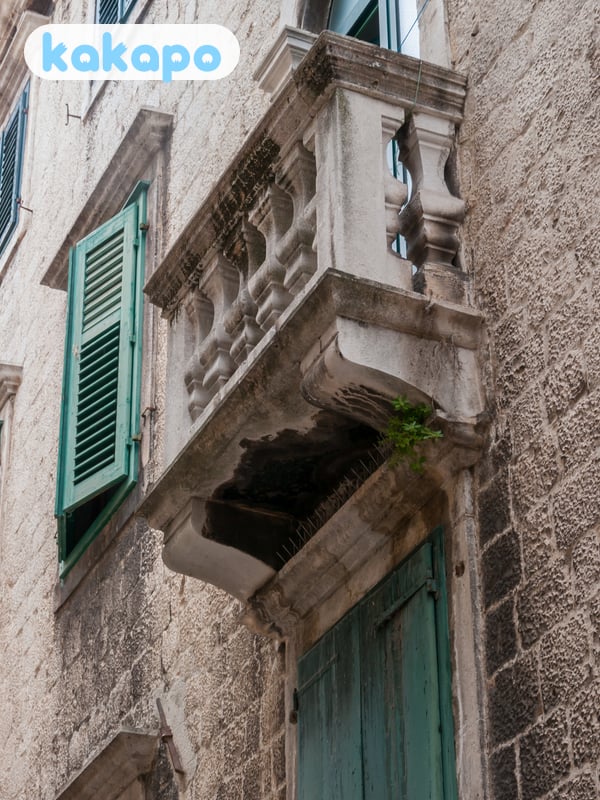
Recommended for visitors: Diocletian's Palace / Old Town (the historic core), Riva (waterfront promenade), Marjan Park (the forested hill west of the centre — hiking, viewpoints), Bačvice (the famous shallow-water beach), Veli Varoš (gentrified residential).
There are no specific "no-go" zones for tourists in Split.
Day trips — Hvar, Brač, Plitvice
- Hvar Island: 1h catamaran. Famous for nightlife and cruise scene. See its own page if interested.
- Brač Island (Bol, Zlatni Rat beach): 1h ferry to Supetar, then bus to Bol.
- Plitvice Lakes: 3.5h drive. Pre-book park tickets.
- Krka National Park: 1h drive — closer alternative to Plitvice; you can swim under the waterfalls (in some seasons).
- Trogir: 30 min west — UNESCO old town day trip.
Scams, overcharging, and the Palace at peak
Split's small-but-real scam scene operates almost entirely between June and mid-September, almost entirely inside Diocletian's Palace and on the immediate Riva.
- Konoba / restaurant overcharge: a handful of tourist-strip places near the Peristyle charge €40+ for a plate of grilled fish that's €15 inland. Ask for the cjenik (price list) before sitting; pay only what's printed.
- Taxi pickup at the ferry port: legitimate Split taxis are uniformed white cabs with rooftop signs and meters. Decline anyone approaching you with "ride to your hotel?" inside the port. Use Bolt for transparent fares.
- "Free" boat-tour leaflets on the Riva: there's no such thing as a free tour. The leaflet leads to a high-pressure timeshare-style pitch.
- Sunbed scam at Bačvice: the public beach is free; the rented sunbeds are €15-25/day. A few hawkers extract payment for "your" stretch of public sand — refuse, the beach is free.
- Cash-only "ATM" inside the Palace: a few freestanding machines in the inner lanes charge €5-8 fees and offer terrible DCC rates. Use bank ATMs on the Riva (PBZ, Zagrebačka, Erste).
- Croatian kuna is gone: Croatia adopted the euro 1 January 2023. Anyone quoting prices in HRK is using an old menu; insist on the euro price.
Heat, Bura wind, and the swimming season
- July-August temperatures: 30-35°C day, 22-25°C night. Stone-paved Palace lanes retain heat well after sunset.
- Bura: the cold dry north-east wind. Strongest October-April but can occur off-season. When the Bura blows hard, catamarans cancel, the airport delays, and the Riva gets sandblasted.
- Jugo: the warm southerly counterpart, brings humidity and rain.
- Swimming season: late May through October. Adriatic at 25°C+ June-September; 18-20°C in May and October.
- Sea urchins: real risk on rocky beaches (most of Dalmatia). Reef shoes recommended; a vinegar bottle from the supermarket is the standard local remedy for embedded spines.
- Best shoulder season: late May to mid-June, and mid-September to early October. Half the crowds, full swimming weather, ferries running normal schedules.
Transport, taxis, the airport
- Split Airport (SPU): 25 km from Old Town. Pleso shuttle bus €8. Taxi €40-50. Bolt €25-35.
- Old Town is fully walkable.
- Bolt: works in Split; cheaper than taxis.
Neighbourhood-by-neighbourhood breakdown
- Diocletian's Palace (Old Town) — the 1,700-year-old Roman palace where 3,000 residents still live. The Peristyle, the Cathedral of St Domnius (the world's oldest still-functioning Catholic cathedral, built into Diocletian's mausoleum), the substructures. Heavily walked; pickpockets in summer crowds; konoba overcharge a few specific tourist-strip restaurants.
- Riva — the waterfront promenade along the Old Town's southern wall. Cafés, palm trees, sunset gathering point. Heavily policed, very safe, lovely evening walks.
- Veli Varoš — gentrified residential west of the Palace, narrow stone-stair lanes climbing toward Marjan. Authentic konobas, cheaper accommodation, very safe. The most enjoyable evening neighbourhood.
- Marjan Park — the forested hill west, hiking trails, viewpoints (Telegrin), small chapels. Day-trip destination, very safe, hugely refreshing in summer heat.
- Bačvice — east of the ferry port, the famous shallow-sand beach, family-friendly, lively bar scene at night, the home of "picigin" (the local sand-shallow-water sport). Daytime fine, evening lively, very safe.
- Matejuška — small fishing harbour at the western end of the Riva, working boats, gathering spot for sunset drinks. Very safe.
- Manuš / Gripe — east of Old Town, residential, the Croatian Maritime Museum. Quiet, safe.
- Around the ferry port (Gat sv. Petra) — chaotic in summer (50,000+ daily passengers in peak), functional. Daytime busy, late-night calmer but rougher around the edges with departing/arriving drunk groups.
- Žnjan — east beachfront 3 km from the centre, modern, family-friendly. Daytime and evening fine.
If it's your first time visiting
- Best arrival airport: Split (SPU), 25 km west. To Old Town: Pleso shuttle bus €8 in 40 min, Promet bus 37 €2 in 50 min (the budget option), Bolt €25-35, taxi €40-50 flat.
- Public transport: Promet Split city buses. Tap-to-pay on every reader. €2 single, €5 day pass. Old Town is fully walkable end-to-end in 8 minutes.
- Best neighbourhood for your first night: Veli Varoš for atmosphere and the konoba scene, around the Riva for centrality, inside the Palace for the wow-factor (but loud and pricey). Avoid first-time bookings right at the ferry port unless you have an early morning catamaran.
- Day 1, jet-lag friendly: walk through Diocletian's Palace at dusk (the Peristyle, the cathedral, the substructures), dinner at a Veli Varoš konoba for peka (€25-35), evening drink on the Riva watching the sunset over the Adriatic.
- Day trips: Hvar Island (1h catamaran from Split, €7-30), Brač Island for Zlatni Rat beach at Bol (1h ferry to Supetar, then bus to Bol), Krka National Park (1h drive, swimming under waterfalls in some seasons), Trogir UNESCO old town (30 min west), Plitvice Lakes (3.5h drive, pre-book park tickets). Ferries pre-book in summer — day-of catamaran tickets sold out by 10am.
- Common rookie mistakes: sitting at a Peristyle restaurant without checking the cjenik (€40+ grilled fish that's €15 inland); driving the old Neum-Bosnia route to Dubrovnik (use Pelješac Bridge — no border crossing); skipping sun shoes for the Bačvice rocky beach extensions (sea urchins are real); paying €5-8 fees at Palace freestanding ATMs (use bank ATMs on the Riva — PBZ, Zagrebačka, Erste); pricing things in kuna (gone since 2023, only euros now).
- For ferries: Krilo Shipping and Jadrolinija. Pre-book in summer. Arrive 60 min early. Catamarans are faster (1h to Hvar) but more weather-cancellable in Bura wind; car ferries are slower (2h) and more weather-resilient.
- Tap water from the Jadro river source is excellent. Ask for "voda iz slavine" — free at restaurants. Carry a refillable bottle; 35°C August days need 3+ litres.
Practical info — emergency numbers
- European emergency: 112.
- Police: 192.
- KBC Split (Firule): +385 21 556 111.
Bring: shoes with grip, reef-safe sunscreen, a hat, an unlocked phone (Croatian SIM at the airport), a card without foreign-transaction fees, and travel insurance. Tap water is safe.
Frequently asked questions
Is Split safe to visit in 2026?
Yes — Split scores 82/100 here, one of Croatia's safer mid-sized cities. Croatia sits at low advisory levels in both UK FCDO and US State Department guidance. Crime against tourists is rare and violent crime essentially unreported. The realistic concerns are pickpocketing in the dense Diocletian's Palace lanes during summer cruise peaks, ferry-port chaos when Jadrolinija and Krilo handle 50,000+ daily passengers in July-August, 30-35°C summer heat in the stone-paved Palace lanes that retain heat after sunset, the cobble-slip pattern shared with the rest of Dalmatia, and a small konoba overcharge scene around the Peristyle.
Is Split safe at night?
Yes. The Riva (waterfront promenade), Diocletian's Palace, Veli Varoš and the Marjan Park approach are all comfortable late and well-policed. The Old Town stays alive until 1-2am in summer, then quiets. Solo walking from a Palace-area restaurant back to a Riva hotel is routine. The ferry port at night sees more drunk arriving/departing groups than danger. Drink-spiking is rare. The biggest night risks are heat — 22-25°C night minimums in August prevent recovery — and slippery polished limestone after the evening cleaning hosing. Stone Palace lanes can feel maze-like after dark; download offline maps.
Is Split safe for solo female travellers?
Yes. Split is one of the easier Dalmatian cities for solo women — low harassment, friendly atmosphere, and the Old Town is small enough that you'll recognise staff repeatedly. Solo dining at konobas in Veli Varoš or along the Riva works fine. Bačvice beach is family-saturated. Marjan Park hiking is routine solo in daylight. Day-trip ferries to Hvar, Brač and Vis are standard solo experiences. The Diocletian's Palace lanes are policed and busy through the evening. Standard awareness: bag in front in the ferry-port queue and cruise-day Palace density, watch for the konoba 'no menu' overcharge trick (always ask for the cjenik before sitting).
Can you drink tap water in Split?
Yes — Split tap water is excellent, drawn from the Jadro river source nearby and meeting Croatian/EU standards. Locals drink it and the city has public fountains around the Riva and parks. Restaurants will serve tap water (voda iz slavine) on request, though bottled is the cultural default. Carry a refillable bottle — at 35°C August heat you need 3+ litres a day. On ferry day-trips to Hvar, Brač or Vis bring water; island fountains exist but supply varies. The Adriatic sea is bathing-quality at Bačvice and Marjan beaches but not drinkable raw and seriously salty if you swallow a mouthful.
What's the biggest scam to avoid in Split?
Konoba 'no price list' overcharging around the Peristyle — a handful of tourist-strip places near Diocletian's Palace charge €40+ for grilled fish that's €15 inland. Always ask for the cjenik (price list) before sitting; pay only what's printed. Second-place: unmarked taxi pickups at the ferry port (use Bolt or licensed white cabs with rooftop signs and meters). 'Free' boat-tour leaflets on the Riva lead to timeshare-style pitches. The Bačvice sunbed scam — public beach is free, hawkers extract payment for 'your' stretch of public sand; refuse. Cash-only ATMs inside the Palace charge €5-8 fees — use bank ATMs on the Riva (PBZ, Zagrebačka, Erste). Pay in EUR — Croatia adopted the euro in 2023.
How chaotic is the Split ferry port in summer and what's the smart approach?
Genuinely chaotic in July-August. Split is the Dalmatian Coast's ferry hub: Jadrolinija and Krilo move 50,000+ daily passengers across catamarans to Hvar (1h), Brač (1h to Supetar then bus to Bol), Vis and Šolta. Catamarans book up first — pre-book in summer, day-of tickets often sold out. Avoid Friday/Saturday morning rush. Pickpockets work the port-plaza queue density: phone in front pocket, bag in front. Bura wind cancels catamarans more than the larger car ferries — check before arriving. Arrive 60+ minutes before departure. Bring water for the queue; there's limited shade.
Sources
Run a business in Split?
Show visitors your Split business is a safe choice. The free Verified by Kakapo badge puts Split's live safety score on your website, links back to your verified page, and updates itself. No cost.
Get the free badge →