


Is Skopje, North Macedonia Safe? A 2026 Travel Safety Guide
Europe's worst-recorded winter air quality, the road to Lake Ohrid, the Old Bazaar, and the realistic risks of the Macedonian capital.

Skopje is one of Europe's safer small capitals for tourists by violent-crime measures. Crime against visitors is rare. The single defining safety story of Skopje is its air quality: in November-February, the city regularly tops European pollution charts, with PM2.5 readings 5-10× WHO limits on bad days.
Beyond the air quality, the realistic risks for visitors are the standard pickpocket-at-tourist-sites caution, the "Skopje 2014" architectural-disorientation experience (the city was reskinned with neo-classical statues and faux-classical buildings between 2010-2014, leaving a kitschy, controversial centre that some visitors find disconcerting), and the road conditions on the popular drive to Lake Ohrid.
North Macedonia sits at Level 1 on the US State Department's advisory list. UK FCDO is the same. The honest framing for first-time visitors: Skopje is small (~530,000 in city, 600,000 metro), built on the Vardar river under the Skopska Crna Gora mountain. The Old Bazaar (Stara Čaršija) on the north bank is the most authentic part. Most visitors continue to Lake Ohrid (3 hours south) or use Skopje as a Balkan transit point.
The geography to know: the Vardar river splits Skopje into the north bank (Old Bazaar / Stara Čaršija — Ottoman-era, mosques, ćevap stalls, the genuine pre-earthquake old town) and the south bank (Macedonia Square + Centar — the "Skopje 2014" neo-classical-statue-and-fake-marble centre that splits opinions). The Stone Bridge (Kameni Most) links the two — itself a 15th-century Ottoman bridge that survived the 1963 earthquake. The Kale Fortress sits on a hill above the Old Bazaar; Mount Vodno with the Millennium Cross rises directly south. The bus station (Avtokomanda) and main train station (Hlavná stanica equivalent) sit on the south-east side. Distances are tiny — you can walk the entire tourist core in 90 minutes.
In 2026, the specific things that have changed since pre-pandemic include: the cross-border bus to Ohrid (3-3.5h, ~MKD 600 / €10) now departs from Avtokomanda hourly with Galeb Bus and Polet running the busiest schedules; air-quality public-alerting via airquality.gov.mk and IQAir has improved (the city now publishes hourly PM2.5 by district); Mother Teresa Memorial House (her birthplace was here — Skopje was Ottoman Üsküb when she was born in 1910) has been refurbished with multilingual displays; and the EU-accession-related infrastructure upgrades have begun improving the A2/A3 motorway to Ohrid, though winter snow-chain laws are now strictly enforced.
| Night safety | 60/100 |
|---|---|
| Scam / petty-crime risk | Medium |
| Violent crime (tourists) | Low |
| Most common scams | Skopje 2014 architectural disorientation; road conditions on the drive to Lake Ohrid |
| Safer neighbourhoods | Centar, Old Bazaar, Debar Maalo |
| Data sources cited | 4 |
| Last verified |
What the score means — 76/100
- Personal safety (84) — high. Crime against tourists is rare.
- Transport (76) — buses; no metro; walkable centre.
- Healthcare (74) — Mother Teresa Clinical Centre is the major facility; Acibadem Sistina (private) for non-residents.
- Air quality (60) — the lowest sub-band. Winter pollution is severe.
Air quality — the genuine winter risk
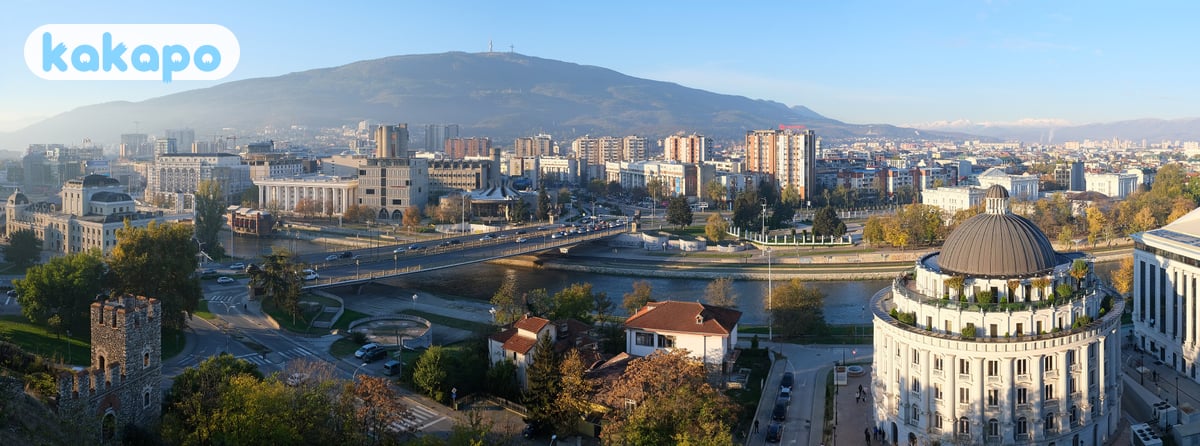
- The pollution problem: Skopje's basin geography traps pollution. Winter inversions combine vehicle emissions, lignite-coal heating, wood-burning, and an old industrial fleet to produce some of the world's worst-recorded urban PM2.5 readings.
- Numbers: PM2.5 routinely 200-400+ in November-February (WHO 24h limit is 25). Skopje has registered higher than Beijing on the worst days.
- Health effects: severe — eye irritation, sore throat, cough, asthma exacerbation. Long-term residents see real cardiovascular impact.
- If you have asthma or COPD: avoid Skopje in winter, or stay only briefly with N95 masks. Bring inhalers.
- Best season: April-October. Summer air is hot (35°C+) but cleaner.
- Apps: IQAir, AirQuality. Check before booking; check daily during the trip.
- Schools: Skopje schools sometimes close on the worst smog days.
The 'Skopje 2014' centre — what it is
- "Skopje 2014": a 2010-2014 government rebranding project that added neo-classical statues, fake-marble facades, fake-Roman bridges, and giant historical figures across the city centre.
- Result: love-it-or-hate-it. Some find it kitschy and amusing; others find it disorienting after the original 1960s-Brutalist buildings (which still survive behind the new facades).
- Major sites: Macedonia Square with the Alexander the Great statue, the Stone Bridge, the Bridge of Civilizations, the Bridge of Art.
- Earthquake context: Skopje was destroyed by a 1963 earthquake; most of what's "old" in the centre is post-1963 reconstruction.
- The Old Bazaar (Stara Čaršija): across the Stone Bridge. The genuinely old part of the city, mostly Ottoman-era. Ćevap, baklava, mosques, churches. Recommended.
Areas — Centar, Old Bazaar, the city
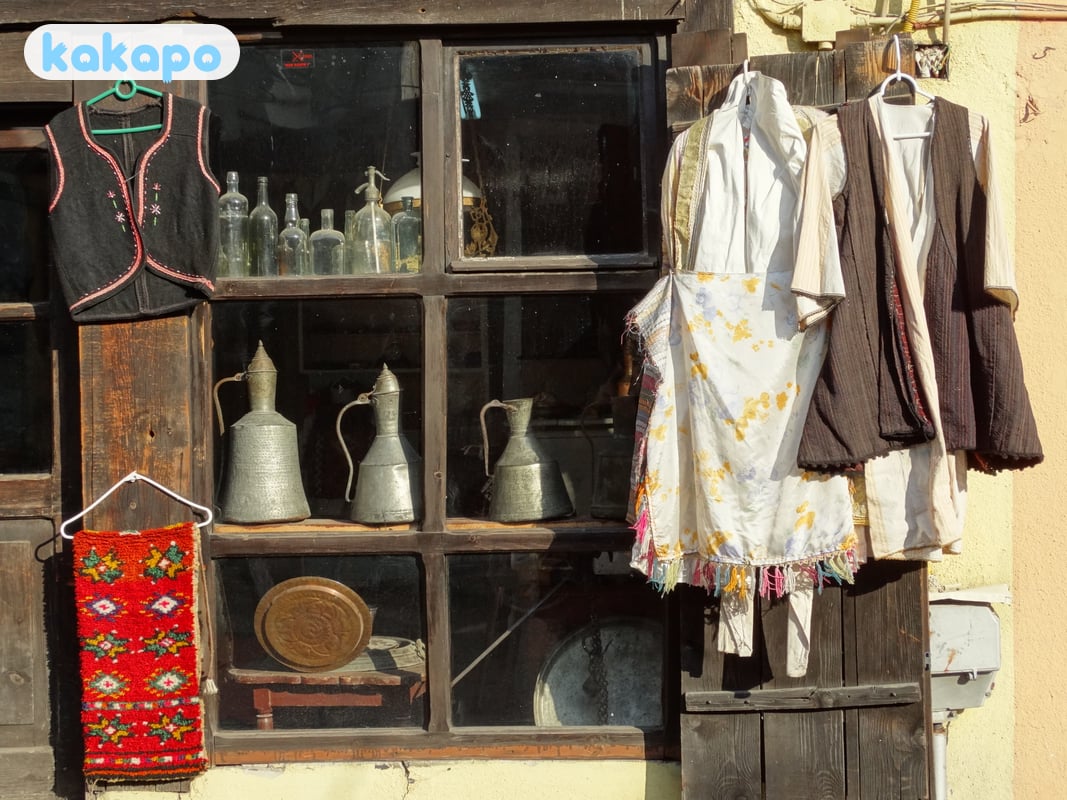
Recommended for visitors: Centar (the centre, including Macedonia Square) — pedestrianised, café-rich, well-policed. Old Bazaar (Stara Čaršija) — the Ottoman district, restaurants and craftsmen. Debar Maalo — old residential area, café/bar street.
Stay aware: Šuto Orizari (Šutka) — Europe's largest Roma settlement; not unsafe but not on the typical tourist itinerary. Around the bus station at night.
Skopje has no specific "no-go" zones for tourists.
Lake Ohrid — the day trip / overnight
- Lake Ohrid: 3 hours south. UNESCO-listed lake town and natural site. The most beautiful part of North Macedonia.
- Driving: A2/A3 motorway then mountain road. Doable as long day trip; better as overnight.
- By bus: ~3-3.5h, ~MKD 600 (€10).
- Lake swimming: warm in summer (22-24°C), generally safe at lifeguarded beaches.
- Boat trips: to St Naum monastery, the lakeside churches.
- Albanian border: visible across the lake. Cross-border boats run.
Transport, taxis, the airport
- Buses (JSP): extensive. ~MKD 35 single (~€0.60).
- Taxis: insist on the meter. Bolt operates and is the easiest option.
- Yandex Go: also operates.
- Skopje Airport (SKP): 17 km east. Vardar Express bus 199 to centre MKD 175 (~€3). Taxi MKD 1,500 (~€25). Bolt cheaper.
- Walking: the centre is walkable end-to-end.
Money, food, the cost story
- Currency: Macedonian denar (MKD). $1 ≈ MKD 56.
- Cards: widely accepted in centre.
- Tipping: 5-10%.
- Cost: among the cheapest in Europe. Dinner MKD 600-1,500 (€10-25).
- Tap water: safe.
- Local food: ajvar, kebapi, šopska salata, tavče gravče (baked beans).
Skopje area-by-area — the Square, the Bazaar, Mother Teresa
- Macedonia Square (Plostad Makedonija) — the controversial central square, dominated by the 22m Alexander the Great equestrian statue (officially "Warrior on a Horse" to placate Greece) and the neo-classical "Skopje 2014" facades. Love-it-or-hate-it kitsch; the most photographed spot. Pedestrian, café-rich, well-policed.
- Old Bazaar (Stara Čaršija) — the genuinely-old Ottoman district across the Stone Bridge on the north bank. Mosques (Mustafa Pasha, Sultan Murat), churches (Church of the Holy Salvation with the carved iconostasis), the Bezisten covered market, ćevap and tavče gravče (baked beans) stalls, jewellery and copper craftsmen. Worth a full half-day; cheaper and more atmospheric than Centar.
- Stone Bridge (Kameni Most) — the 15th-century Ottoman bridge linking the two halves of the city, survived the 1963 earthquake. The single most evocative spot in Skopje.
- Mother Teresa Memorial House — small museum at the spot where Mother Teresa was born in 1910 (when this was Ottoman Üsküb). Free entry; multilingual displays. 5-min walk from Macedonia Square.
- "Skopje 2014" sculptures + bridges — Bridge of Civilizations, Bridge of Art, the 22m Alexander statue, the 7m Philip II statue, the giant golden Triumphal Arch (Porta Macedonia). The €600M+ government rebuild project (2010-2014). Controversial internationally and locally; a love-it-or-hate-it tourist experience.
- Kale Fortress — 6th-century Byzantine + Ottoman fortress on the hill above the Old Bazaar. Free entry; sweeping city views.
- Debar Maalo — old residential neighbourhood west of Centar; the city's main café/bar street, lively until late. Quieter and more local than the centre.
- Bus to Ohrid (3-3.5h, ~MKD 600 / €10) — departs from Avtokomanda bus station, hourly with Galeb Bus and Polet. Lake Ohrid is the most beautiful part of North Macedonia (UNESCO-listed lake, St Naum monastery, mountain backdrop). Better as overnight than day-trip.
- Skopje Airport (SKP) — 17 km east. Vardar Express bus 199 to centre MKD 175 (~€3); taxi flat-rate MKD 1,500 (~€25); Bolt cheaper than taxi.
If it's your first time visiting
- Check air quality before you book and daily during the trip. IQAir + airquality.gov.mk. November-February PM2.5 routinely 200-400 µg/m³ (WHO 24h limit 25). If you have asthma/COPD, visit April-October instead, or stay briefly with N95/FFP2 masks + rescue inhalers.
- Spend your time in the Old Bazaar, not just Macedonia Square. The "Skopje 2014" centre is the divisive tourist spectacle; the Old Bazaar across the Stone Bridge is the genuinely-old Ottoman district where you'll eat best and see real craft. Half a day minimum.
- Eat at Destan or Pelister for the ćevap, Stara Gradska Kuća for traditional Macedonian. Mains MKD 300-800 (€5-14). Macedonian food (ajvar pepper relish, kebapi, šopska salata, tavče gravče baked beans) is genuinely excellent and one of the cheapest dinners in Europe.
- Use Bolt or Yandex Go over street taxis. Both operate; Bolt is dominant. Airport ride MKD 600-1,000 (€10-17) vs MKD 1,500+ (€25+) for a street taxi. Always insist on the meter if using a non-app taxi.
- SKP airport: Vardar Express bus 199 to centre MKD 175 (€3), every 30 min until 23:00. Bolt from airport MKD 600-1,000.
- Always pay in MKD on card terminals — decline DCC. Most ATMs charge 5-10% worse than your bank if you accept "your home currency". Use Komercijalna Banka, NLB, or Stopanska Banka ATMs over Euronet kiosks.
- Day-trip to Lake Ohrid by bus (3-3.5h, MKD 600), or overnight there. Galeb Bus and Polet run hourly from Avtokomanda. Lake Ohrid is the UNESCO highlight of North Macedonia; the bus is fine but the journey through mountain roads is winding.
- Tap water is safe and locals drink it. Carry a refillable bottle; summer hits 35°C+ in Skopje. Public fountains in the Old Bazaar and Macedonia Square are drinkable.
- Modest dress at mosques (Mustafa Pasha, Sultan Murat) and Orthodox churches. Cover knees, shoulders; women cover hair at mosques. Shoes off at mosques.
Practical info — emergency numbers
- Police: 192.
- Ambulance: 194.
- Fire: 193.
- European emergency: 112.
- Acibadem Sistina (private hospital): +389 2 309 0500.
Bring: an N95 mask if visiting in winter, a contactless card, an unlocked phone (A1, Telekom MK prepaid SIMs at the airport), comfortable walking shoes, and travel insurance.
Frequently asked questions
Is Skopje safe to visit in 2026?
Yes by ordinary-crime measures — Skopje scores 76/100 here and is one of Europe's safer small capitals for tourists. North Macedonia sits at US State Department Level 1 with no specific UK FCDO warning. Violent crime against tourists is rare. The single defining safety story is air quality: in November-February, Skopje's basin geography traps coal-heating and traffic emissions and PM2.5 routinely runs 200-400 µg/m³ (WHO 24h limit is 25). For asthma/COPD travellers this is a meaningful health risk. Other concerns are mild pickpocketing at the Old Bazaar and bus station and road conditions on the Lake Ohrid drive.
Is Skopje safe at night?
Yes. Macedonia Square, Stone Bridge, the Old Bazaar (Stara Čaršija), and the Debar Maalo café/bar street are all comfortable and policed late. The pedestrianised centre stays alive until 23:00-midnight in season. Solo walking from an Old Bazaar dinner back to a central hotel is routine. The area around the main bus station thins out and is best avoided alone after dark. Bolt and Yandex Go operate for late-night taxi rides. Drink-spiking is rare.
Is Skopje safe for solo female travellers?
Yes. Skopje is one of the easier Balkan capitals for solo women — low harassment, friendly atmosphere, and the centre is small enough to learn quickly. Solo dining in Debar Maalo or the Old Bazaar konobas works fine. Use Bolt rather than negotiating with street taxis at night. Modest dress is sensible at mosques and Orthodox churches (cover knees, shoulders, hair). The Šuto Orizari (Šutka) Roma district is not unsafe for visitors but isn't a typical tourist itinerary. Standard nightlife drink-watching applies.
Can you drink tap water in Skopje?
Yes — Skopje tap water is safe, meeting EU/Macedonian standards, and locals drink it without issue. Restaurants serve tap on request, though bottled is the cultural default. Carry a refillable bottle for sightseeing — summer hits 35°C+ and the city has no shade. Lake Ohrid water on day trips is clean for swimming at lifeguarded beaches but not drinkable raw. On rural Macedonian day trips bring bottled water.
What's the biggest health/safety risk in Skopje winter?
Air pollution, no contest. Skopje's basin topography combined with lignite-coal heating, wood-burning, vehicle emissions, and an old industrial fleet produces some of the world's worst-recorded urban PM2.5 readings in November-February. Numbers routinely hit 200-400 µg/m³ on inversion days — Skopje has registered higher than Beijing on the worst days. Schools occasionally close. If you have asthma, COPD, or cardiovascular conditions, avoid Skopje in winter or stay only briefly with N95/FFP2 masks and rescue inhalers. Check IQAir or airquality.gov.mk daily during your trip. The cleaner months are April-October — summer is hot but the air is dramatically better.
Is the 'Skopje 2014' rebuild project actually a tourist trap?
Not a scam — but it's a love-it-or-hate-it experience worth understanding before you arrive. Between 2010-2014 the government added neo-classical statues, fake-marble facades, fake-Roman bridges, and giant historical figures (including a 22m Alexander the Great) across the centre. Total cost reportedly €600M+, controversial both internationally and locally. The genuinely old part of Skopje is the Old Bazaar (Stara Čaršija) across the Stone Bridge — Ottoman-era, mosques, churches, ćevap stalls, baklava shops, craftsmen. That's where to spend your time. The 1963 earthquake destroyed most pre-existing Skopje, so much of the 'old' city centre is actually post-1963 reconstruction.
Sources
Run a business in Skopje?
Show visitors your Skopje business is a safe choice. The free Verified by Kakapo badge puts Skopje's live safety score on your website, links back to your verified page, and updates itself. No cost.
Get the free badge →