


Is Rhodes, Greece Safe? A 2026 Travel Safety Guide
The 2023 wildfire context, scooter realism, Lindos stairs, summer heat, and the realistic risks of the Dodecanese' biggest island.

Rhodes is one of the safer Greek islands for tourists, with the realistic visitor risks being scooter and ATV accidents on the island's coastal road, the genuinely extreme summer heat (Rhodes had the worst 2023 wildfires, with mass tourist evacuations in July of that year), the Lindos cliff-stair safety, and the standard Cycladic-style ferry-port logistics.
Greece sits at low advisory levels. Crime against tourists in Rhodes is rare; petty theft is uncommon; violent crime against tourists essentially unreported. The 2023 wildfire emergency caused unprecedented evacuations but didn't directly target tourists; the response infrastructure has since been substantially upgraded.
The honest framing for first-time visitors: Rhodes is the largest of the Dodecanese islands. The Old Town is one of Europe's best-preserved medieval walled cities (UNESCO). Lindos (45 km south) is the iconic cliff-village + Acropolis. The east coast has the resort beaches; the west coast is windier and less developed.
| Solo female safety | 90/100 |
|---|---|
| Night safety | 73/100 |
| Scam / petty-crime risk | Low |
| Violent crime (tourists) | Low |
| Most common scams | Old Town restaurant overcharge; free boat trip to Symi; donkey-ride pressure at Lindos |
| Safer neighbourhoods | Old Town, Lindos, Faliraki |
| Data sources cited | 4 |
| Last verified |
What the score means — 84/100
- Personal safety (90) — high. Crime against tourists is rare.
- Night (84) — Old Town and Lindos alive late and well-policed.
- Healthcare (80) — Rhodes General Hospital handles most cases. Athens for major.
- Transport (72) — scooter accidents and the road from Lindos to the south coast are the main risks.
The 2023 wildfire context — what changed
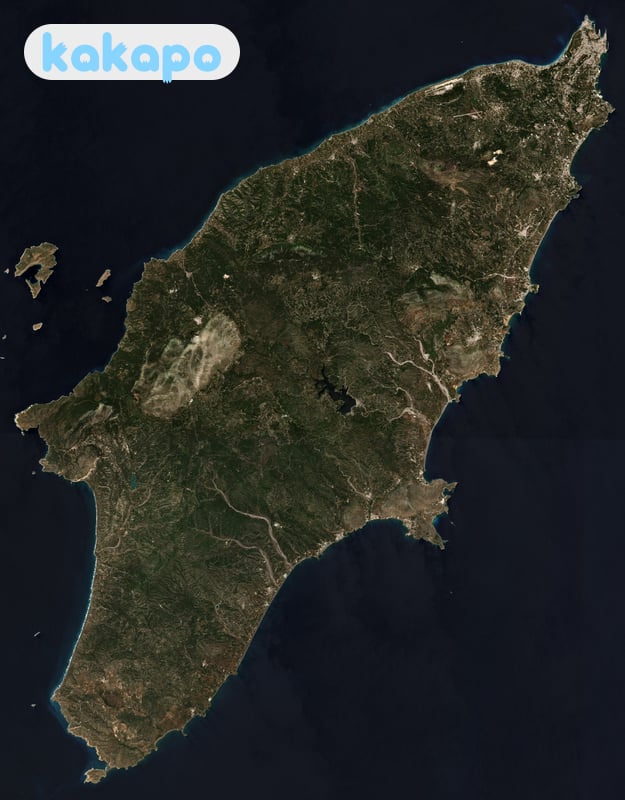
- July 2023: Rhodes had its worst wildfires in modern history. Mass evacuations from the south coast resorts (Kiotari, Lardos, Pefkos). 19,000 people evacuated, including thousands of tourists.
- The response: Greek civil protection has substantially upgraded its wildfire-response infrastructure since. Earlier alerts, more aerial firefighting capacity, better resort-evacuation drills.
- For 2026 visitors: the burned areas are partially rehabilitated; tourism has fully returned. Risk of repeat events depends on the season's heat and wind patterns.
- If a wildfire warning is issued during your stay: follow your hotel's evacuation guidance. Don't drive toward the fire to "see it." The 2023 evacuation was orderly because tourists followed staff instructions.
- Best summer-fire-risk practices: pre-register your accommodation with your country's embassy, keep your passport on you during high-risk days, follow the Greek civil protection app (112 alerts).
Lindos — stairs, donkeys, the Acropolis
- Lindos Acropolis: ancient hilltop fortress + temple. Reached via 200+ stone steps.
- Donkey rides up: animal welfare debate is real; many travellers choose to walk. Walking is doable in 15-20 min for fit visitors.
- The stone stairs: polished, slippery when wet. Wear shoes with grip.
- Heat at the top: no shade. Hat + water mandatory in summer.
- Lindos village itself: photogenic whitewashed cliff village. Narrow lanes; cars not allowed in centre.
Scooters and the coastal road
- Helmets required by Greek law.
- EU + IDP licence rules as elsewhere.
- The east coast road (Faliraki to Lindos): busy in summer with rental traffic. Single-vehicle scooter spills routine.
- Drink-driving: don't.
- Bus alternative: KTEL Rhodes runs reliable east-coast services.
Areas — Rhodes Town, Lindos, Faliraki
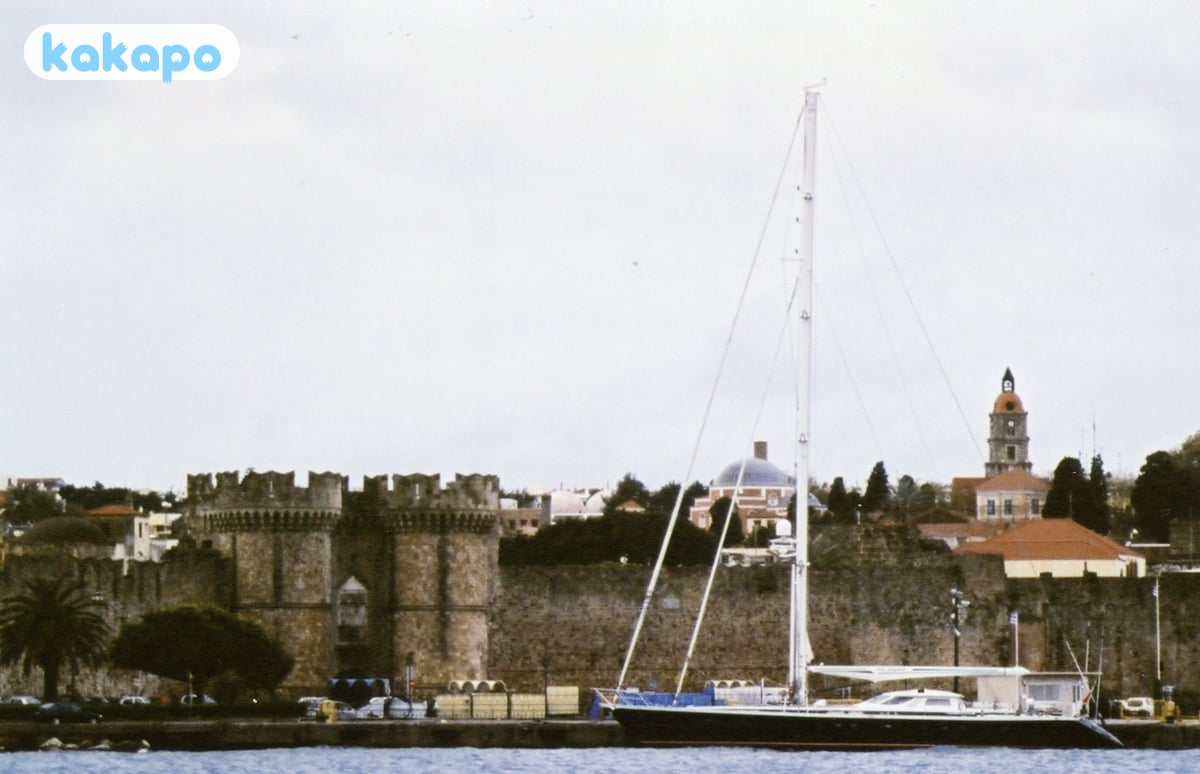
Rhodes Town (Old Town + New Town): medieval UNESCO walls + modern marina. Where most visitors stay for first day.
Lindos: 45 km south, photogenic cliff village + Acropolis.
Faliraki: family-friendly beach resort 12 km south of Rhodes Town.
Tsambika, Anthony Quinn Bay: smaller scenic coves. Tsambika has rip-current potential at the beach edge.
Pefkos / Lardos / Kiotari: south coast resort villages (these were the 2023 evacuation zones; rebuilt and operating).
Beach safety — rip currents, sea urchins, the meltemi
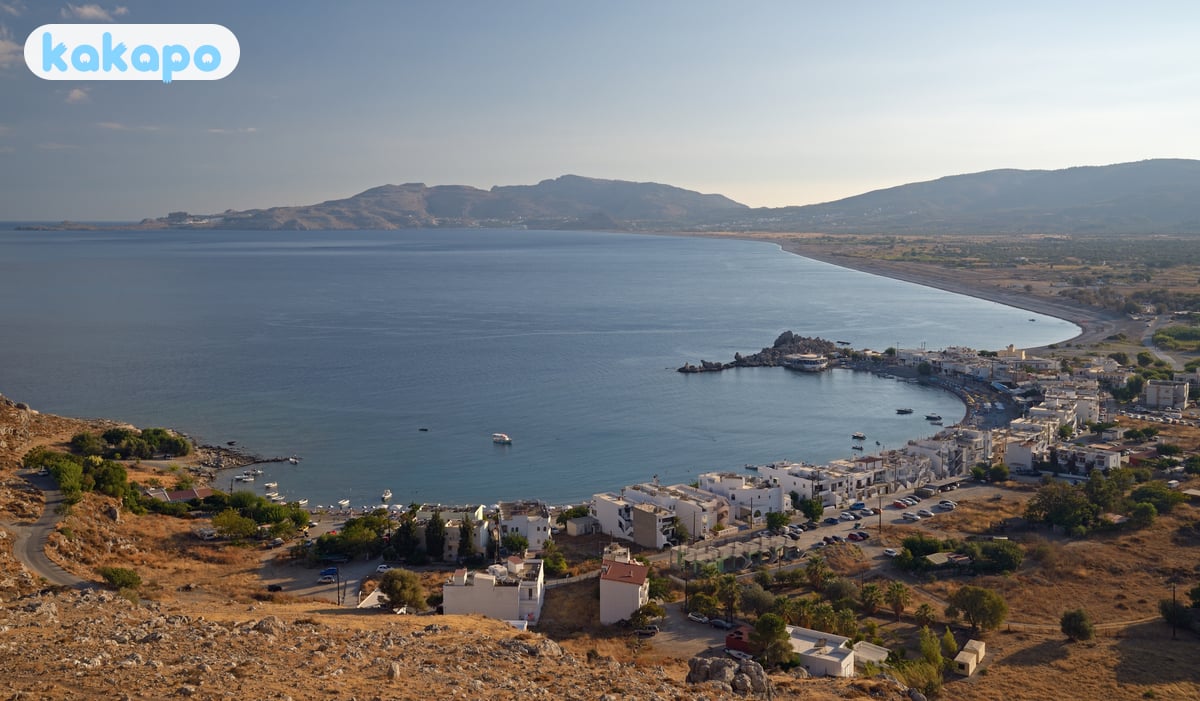
- East coast (Faliraki, Tsambika, Kallithea, Anthony Quinn Bay): calmer, generally safer for swimming. The Aegean side of the island has the gentler water.
- West coast (Ialysos, Theologos, Soroni): exposed to the meltemi north-westerly that blows July-September. Strong onshore wind, larger waves, occasional rip currents. Popular for windsurfing and kitesurfing precisely because of this. Less safe for casual swimmers on windy days.
- Tsambika Beach: deceptive shallow shelf that drops off sharply. Watch children near the centre of the bay.
- Anthony Quinn Bay: small, rocky, can get crowded. Reef shoes recommended for the entry.
- Sea urchins: common on rocky entries everywhere on Rhodes. Carry vinegar (cheap at any minimarket) and tweezers if you fish them out yourself; serious cases go to Rhodes General.
- Jellyfish: occasional Mediterranean stinger blooms August-September. Beaches post yellow flags when present. Vinegar again is the local first-aid.
- Blue Flag beaches: 28 across Rhodes — Faliraki, Tsambika, Pefkos. Lifeguarded in high season.
Scams and tourist-tax surprises
- Old Town restaurant overcharge: a few places on Sokratous and around the Hospital of the Knights charge €40+ for a "fresh fish" plate that's actually frozen. Ask to see fish before ordering; pay only what's printed on the menu.
- "Free" boat trip to Symi: leaflet hawkers near the New Town port. The boat is real, the trip is fine, but there's usually a €20-30 tax / port fee not advertised. Lindos Boats and Dodekanisos Seaways are the reliable operators.
- Donkey-ride pressure at Lindos: a small number of donkey owners aggressively block the path so you'll book. Walk past — the path is public.
- Greek tourist tax (per night): €0.50-4 depending on hotel category. Paid at check-in in cash; rarely included in booking.com prices. Not a scam, but a surprise.
- "Climate Tax" since 2024: an additional €1.50-10/night high season, lower off-season. Goes to the Greek government for climate-disaster response — the 2023 wildfires triggered the policy. Disclosed at check-in.
- Card terminal DCC: always pay in EUR, never "your home currency".
Transport, taxis, the airport
- KTEL Rhodes buses: cover the east coast reliably; west coast less.
- Taxis: regulated, metered.
- Rhodes International Airport (RHO): 14 km from Rhodes Town. Bus or pre-paid transfer.
- Ferries: Rhodes connects to Athens (15h overnight ferry), other Dodecanese (Symi, Kos), and Turkey (Marmaris in 50 min by Dodekanisos Seaways).
Practical info — emergency numbers
- European emergency: 112 (also receives wildfire alerts in Greece).
- Police: 100.
- Tourist police: 1571.
- Coast Guard: 108.
- Rhodes General Hospital: +30 22413 60000.
Bring: reef-safe sunscreen, a hat, an unlocked phone (Greek SIM), a card without foreign-transaction fees, and travel insurance with weather/wildfire-disruption cover.
Frequently asked questions
Is Rhodes safe to visit in 2026?
Yes. Rhodes scores 82/100 and is one of the safer Greek islands. Greece sits at Level 1 on the US State Department advisory (the lowest level). Crime against tourists is rare; petty theft is uncommon. The realistic risks are scooter and ATV accidents on the east-coast road from Faliraki to Lindos (busy in summer with rental traffic), the genuinely extreme summer heat (Rhodes had its worst-ever wildfires in July 2023 with 19,000 evacuated including thousands of tourists), the polished Lindos cliff stairs to the Acropolis, and meltemi-driven rip currents on the west coast.
Is Rhodes safe at night?
Yes — the Old Town (a UNESCO medieval walled city) and Lindos village are alive late and well-policed. The New Town marina area stays lively. Faliraki has a young drinking scene but is generally orderly. Solo women routinely walk back from tavernas in the Old Town at midnight without issue. Scooter crashes happen at higher rates on dark coastal roads at night; if you've been drinking, take the KTEL bus or a taxi rather than ride.
Is Rhodes safe for solo female travellers?
Yes. Rhodes is among the easier Greek islands for solo women — the Old Town's small scale and tourist density mean you'll quickly know your bearings, and Greek island hospitality skews protective. Catcalling is mild. Solo dining at tavernas works fine. Solo Lindos hikes and Old Town wanders are routine. The only meaningful caution is scooter rental safety (proper licence, helmet, daylight) and west-coast meltemi swim conditions on windy days.
Can you drink tap water in Rhodes?
Yes — Rhodes' tap water is safe and tested to EU standards. Most locals drink it routinely, though some prefer bottled for taste (high mineral content in some areas). Hotel reception can advise on your specific area. Carry a refillable bottle; summer 32-37°C makes hydration essential, especially climbing to the Lindos Acropolis where there is no shade. Bottled water is around €0.50-1 for 1.5L from minimarkets.
What's the biggest scam to avoid in Rhodes?
Fresh-fish menu overcharging — a few Old Town restaurants on Sokratous and around the Hospital of the Knights charge €40+ for a 'fresh fish' plate that turns out to be frozen. Ask to see the fish before ordering and only pay what's on the menu. Other recurring cons: 'free' Symi boat-trip leaflets with undisclosed €20-30 port fees (use Dodekanisos Seaways or Lindos Boats directly); aggressive donkey-ride blocking on the Lindos path (walk past — the path is public); and DCC at card terminals (always pay in EUR). The Greek climate tax (€1.50-10/night, introduced after the 2023 wildfires) is real and disclosed at check-in.
Are wildfires still a risk on Rhodes after 2023?
The risk is real in peak summer but the response infrastructure has been substantially upgraded. The July 2023 fires were the worst in Rhodes' modern history, requiring mass evacuations from south-coast resorts including Kiotari, Lardos and Pefkos. Since then Greek civil protection has expanded aerial firefighting, earlier alerts via the 112 SMS system, and better resort-evacuation drills. The burned areas are partially rehabilitated. For 2026 visitors: pre-register your accommodation with your embassy if you're staying through high summer, keep your passport on you on high-risk days, follow Greek civil protection alerts via 112, and follow hotel staff guidance in any evacuation — the 2023 response went orderly because tourists followed instructions.
Sources
Run a business in Rhodes?
Show visitors your Rhodes business is a safe choice. The free Verified by Kakapo badge puts Rhodes's live safety score on your website, links back to your verified page, and updates itself. No cost.
Get the free badge →