


Is Pisa, Italy Safe? A 2026 Travel Safety Guide
Piazza dei Miracoli pickpockets, the Tower climb, the rail-station rough edges, the Tuscany day-trip context, and the realistic risks of a small Italian university city.

Pisa is one of Italy's safer small tourist cities. Crime against visitors is rare; the city is small (~90,000 residents) and most tourists spend only 3-5 hours here before continuing to Florence or the Tuscan countryside.
The realistic risks for visitors are pickpocketing in the dense crowds of Piazza dei Miracoli (the field where the Leaning Tower stands), the rough-edged area around Pisa Centrale rail station at night (homeless and aggressive begging — not violent, just uncomfortable), the genuine climb up the Tower itself (294 steep slanted stairs, no rest landings), and the Tuscany day-trip logistics if you plan to use Pisa as a base.
Italy sits at Level 2 on the US State Department's advisory list (terrorism). UK FCDO is similar. The honest framing for first-time visitors: most "Pisa visits" are 3-4 hours: train in, walk to Piazza dei Miracoli, photograph + climb the Tower, walk back, train out. Multi-day Pisa stays are pleasant but most visitors prefer Lucca (40 min by train), Florence (1h), or Cinque Terre (1.5h) as bases.
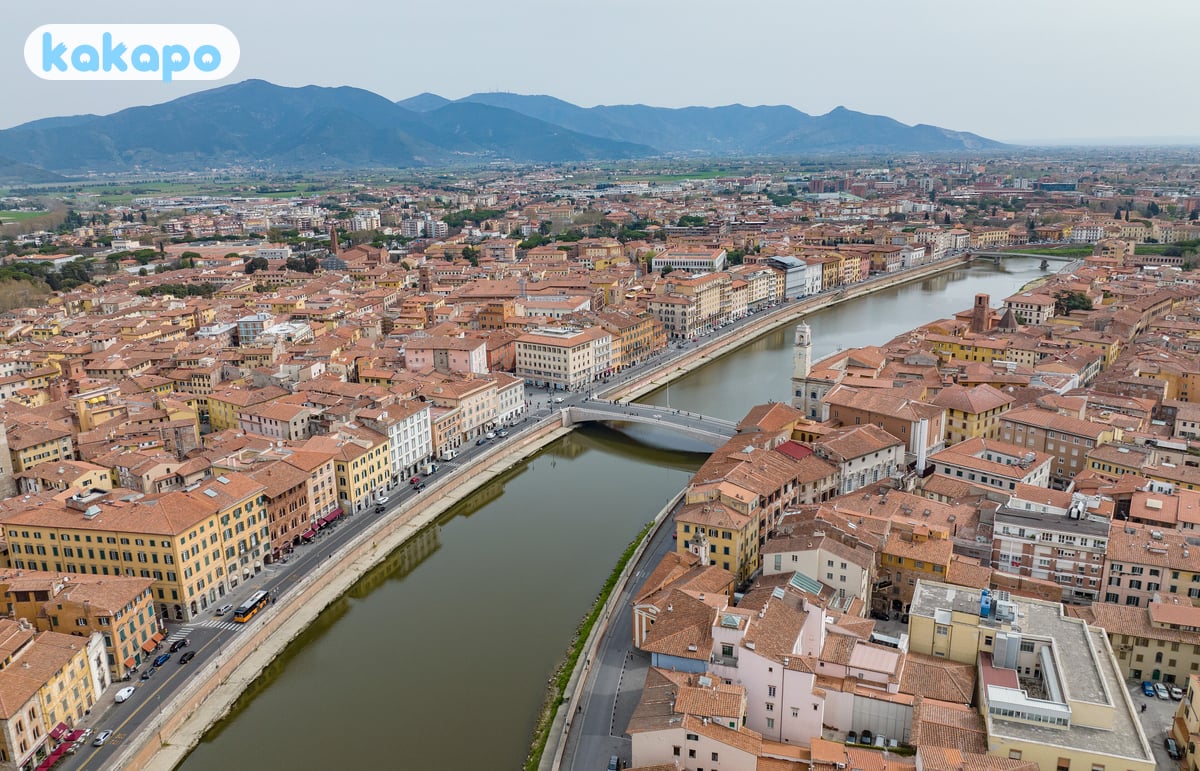
The geography to know: the Campo dei Miracoli — that grassy field where the Tower stands — is at the northern edge of Pisa, separated by 25 minutes of cobbled walking from Pisa Centrale rail station at the southern edge. In between sits a real working university city: Borgo Stretto with its arcaded medieval shopping street, Piazza dei Cavalieri with the Scuola Normale Superiore, the Arno river with its Lungarni (riverside walks lined with ochre buildings), and a sprinkling of churches and palazzi that 95% of day-trippers walk straight past. Most visitors who hate Pisa hated it because they only saw the Tower scrum; most visitors who love it lingered along the Lungarni at sunset.
In 2026, the specific things that have changed since pre-pandemic include: the Tower's online booking system (opapisa.it) now enforces a strict 15-min arrival window and lockers-only policy at the entrance (no bags above small handbags allowed up); summer Tower slots sell out 1-2 weeks ahead in July-August; Pisa Mover (the automated peoplemover from Pisa Centrale to PSA airport) runs 06:00-midnight at €5 each way and has effectively eliminated the old airport-bus chaos; the LAM Rossa bus that loops Centrale-Tower-Centrale is €1.50 with a 75-min validity and contactless tap-to-pay; and the Luminara di San Ranieri (June 16, the candle-lit Arno river festival) has become a serious crowd-management event with the Lungarni closed to traffic from 16:00.
| Night safety | 67/100 |
|---|---|
| Scam / petty-crime risk | Medium |
| Violent crime (tourists) | Low |
| Most common scams | pickpocketing in Piazza dei Miracoli; fake-rosemary fortune-tellers; aggressive begging around Pisa Centrale |
| Safer neighbourhoods | Borgo Stretto, Piazza dei Cavalieri, Lungarni |
| Data sources cited | 4 |
| Last verified |
What the score means — 83/100
- Healthcare (86) — Italian SSN; Cisanello Hospital is the major facility.
- Transport (86) — small, walkable, with regional trains.
- Air quality (84) — moderate-good; coastal-Tuscany breeze.
- Personal safety (82) — high. Pickpockets at the Tower; otherwise low.
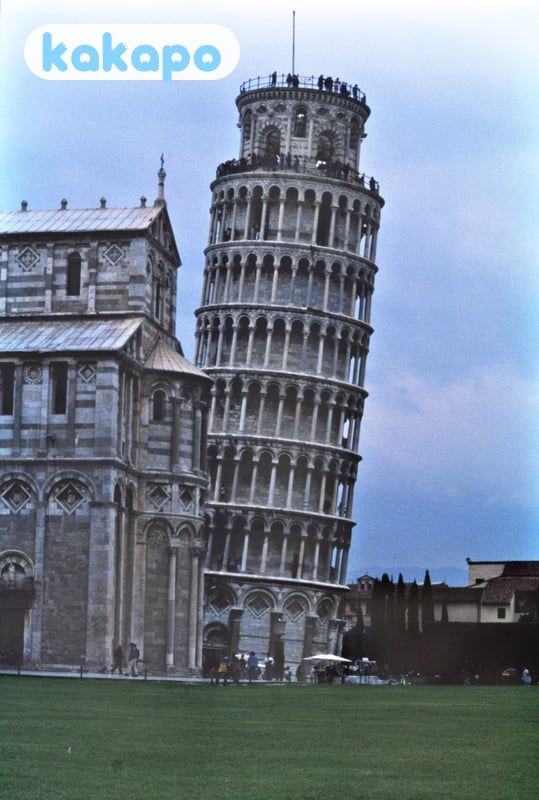
The Leaning Tower — the climb
- Pre-book: Tower tickets sell out in summer. Book at opapisa.it. €20 standard.
- Timed entry: 30-min slots, 35 visitors per slot. Show 15 min before.
- The climb: 294 stairs in a tight spiral. The slope of the Tower means the stairs feel uneven — they tilt different directions on different sides.
- Vertigo / claustrophobia: real for some people on this climb. The stairs are narrow; people with mobility, balance, or fear-of-heights issues should consider the photo from below instead.
- No bags allowed: lockers at the entrance. Phones and small cameras OK.
- No children under 8: official rule.
- The top: 56 m. Open-air with rails. Spectacular views over Pisa and the Tuscan plain.
- The "holding up the Tower" photo: harmless tradition. Just take it from outside the precinct (free) rather than buying tower entry just for the photo.
- Pickpockets: targeting visitors taking the photos. Phone in front pocket; daypack worn in front.
Piazza dei Miracoli — the whole site

- The piazza ("Field of Miracles") contains the Tower, the Cathedral (Duomo), the Baptistery, and the Camposanto cemetery. UNESCO-listed.
- Combined ticket: €13 for Cathedral + Baptistery + Camposanto + Sinopie Museum + Cathedral Museum. Add Tower for €20 more.
- Cathedral interior: free entry but you need a free timed ticket from the office (queues in summer).
- Hawker hassle: low-grade — selfie sticks, "free" bracelets that lead to demand-for-payment, fake-rosemary fortune-tellers. Polite firm "no thanks" and walk on.
- Walking around the site: unhurried, 90-180 min depending on what you enter.
- Eating around the piazza: tourist-trap restaurants. Walk 10 min into the city for fairer prices and better food.
Pisa Centrale — the station context
- Pisa Centrale: the main rail station, 25 min walk south of Piazza dei Miracoli.
- Daytime: fine.
- Late evening / late night: rough sleepers and aggressive begging in the area immediately around the station.
- The streets immediately south of the station: residential and fine but not heavily lit.
- If your overnight train is delayed: don't sleep at the station. Use a 24h café or hotel.
- Pisa San Rossore: smaller alternative station, closer to the Tower (10 min walk). Some regional trains stop here.
Transport, taxis, the airport
- Walking: the city is small. Tower-station-Tower is a 50-min round trip on foot.
- Bus + tram (LAM): useful linkage from the airport. €1.50 single.
- Pisa Mover (peoplemover): 5-min automated train from Pisa Centrale to Pisa Airport. €5 each way.
- Taxis: white, metered, honest.
- Pisa Airport (PSA): 1 km from the centre. Pisa Mover from Centrale 5 min. The airport is genuinely closer to the city than most.
- Trains: Lucca 30 min, Florence 1h, Cinque Terre (Riomaggiore/Manarola) 1h-1h30m, Rome 3h.
Day trips from Pisa
- Lucca: 30 min train. Walled medieval city, walkable on the city walls. Excellent half-day.
- Florence: 1h train. Easy day trip though the city deserves more.
- Cinque Terre: 1h-1h30m train. Long day; stay overnight ideally.
- Volterra and San Gimignano: car or bus combination. Less convenient from Pisa than Florence.
- Tirrenia / Marina di Pisa beaches: 20 min by car. Standard Italian summer beach.
Money and food
- Currency: Euro (€).
- Tipping: 5-10%.
- Coperto: €2-4/person standard at sit-down restaurants.
- Tap water: safe.
- Local food: cecina (chickpea-flour pancake), ribollita (Tuscan bean soup), fresh seafood from Marina di Pisa.
Pisa by area — the Campo, the Lungarni, the station

- Campo dei Miracoli (Piazza dei Miracoli) — the UNESCO-listed grassy field at the northern edge of the city. The Tower (Torre Pendente, €20 timed), the Cathedral (Duomo, free with timed ticket), the Baptistery, the Camposanto cemetery, the Sinopie Museum, the Cathedral Museum. Combined ticket €13 for everything except the Tower. Pickpockets and "free bracelet" hawkers concentrate here — keep hands in pockets.
- Borgo Stretto — the arcaded medieval shopping street running south from Piazza Garibaldi, with the church of San Michele in Borgo. Where actual Pisans shop. The pasticceria Salza on the corner has been making schiacciatine and torta co' bischeri since 1898.
- Lungarni (Arno riverside walks) — the most underrated part of Pisa. Lungarno Mediceo, Lungarno Pacinotti and Lungarno Galilei line both banks of the Arno with ochre palazzi, the small Santa Maria della Spina chapel on the south side, and the Palazzo Blu museum. Sunset is the best 30 minutes of any Pisa visit.
- Piazza dei Cavalieri — the second great square, after Miracoli, with Vasari's frescoed Palazzo della Carovana (now the Scuola Normale Superiore — Italy's most prestigious university). Quiet, students-only, beautiful.
- Pisa Centrale (the main rail station) — south end of the city, 25-min walk from the Tower. Trains to Lucca (30 min), Florence (1h), Cinque Terre (1-1.5h), Rome (3h). Daytime fine; the area immediately around the station has rough sleepers and aggressive begging late evening — uncomfortable rather than violent. Don't sleep at the station on a delayed connection.
- Pisa San Rossore (smaller station) — 10-min walk from the Tower. Some regional trains stop here; saves the 25-min walk from Centrale. Worth checking your specific train's stops.
- Pisa Airport (PSA / Galileo Galilei) — 1 km south of the city centre. The Pisa Mover automated peoplemover from Centrale runs 06:00-midnight at €5 each way (5 min). PSA is genuinely closer to the city than most European airports — you can walk it in 30 min if you're light.
- Day-trip from Florence reality — the most common Pisa visit is a half-day from Florence (1h train, €9-15 each way). The honest plan: 09:30 train from Firenze SMN, 10:30 at Pisa Centrale, walk or LAM Rossa bus to Miracoli, 12:00 climb the Tower (pre-booked), 13:30 lunch off Borgo Stretto, 15:00 train back. Don't try to add Lucca on the same day.
If it's your first time visiting
- Pre-book the Tower at opapisa.it — €20, summer slots sell out 1-2 weeks ahead. 30-min timed slots, 15-min arrival window, 35 visitors per slot. Show up 15 min early; lockers required at the entrance (no bags above small handbags, no kids under 8).
- The "holding up the Tower" photo doesn't need a ticket. The precinct entry is free; the iconic photo is taken from outside. Don't buy Tower entry just for the photo.
- From Pisa Centrale to the Tower: LAM Rossa bus, Pisa Mover doesn't go there, or walk 25 min. LAM Rossa €1.50 with 75-min validity, contactless tap-to-pay. The walk down Corso Italia → Borgo Stretto → Piazza dei Cavalieri → Miracoli is actually the best introduction to the city.
- Walk away from Miracoli for lunch — 10 min south, prices halve. Tourist-trap restaurants ring the piazza. Ristoro al Vecchio Teatro, Osteria dei Cavalieri, Pizzeria Il Montino (for cecina — the chickpea pancake the city is locally famous for) are all 10-15 min walk south.
- Decline the "free bracelet" / "free rose" / fake-rosemary fortune-teller approaches. Vendors tie a string on your wrist or push a rose into your hand then demand €5-10. Hands in pockets walking through the piazza approach.
- Tower climb realities: 294 stairs, no rest landings, the lean tilts the stairs unevenly. Vertigo and claustrophobia sufferers should skip the climb. Top is open-air at 56m with rails. No bags allowed up.
- Coperto is €2-4/person at sit-down restaurants. Not optional, not a tip. Italian custom; baked into the bill. Tipping 5-10% on top is generous.
- Always pay in EUR on card terminals — decline DCC. Italian merchants commonly offer to charge your home currency at 5-10% worse rates.
- Tap water is safe and locals drink it. Free public fountains across the centre and inside Piazza dei Miracoli itself. Ask for "acqua del rubinetto" at restaurants — Italian custom is bottled and waiters often assume tourists want bottled.
Practical info — emergency numbers
- European emergency: 112.
- Carabinieri: 112.
- Ambulance: 118.
- Cisanello Hospital: +39 050 992 111.
Bring: comfortable walking shoes for the Tower stairs, an unlocked phone (Iliad, TIM, Vodafone Italia or eSIM), a contactless card, and travel insurance documentation.
Frequently asked questions
Is Pisa safe to visit in 2026?
Yes. Pisa scores 84/100 and is one of Italy's safer small tourist cities. Italy sits at Level 2 on the US State Department advisory (baseline). Crime against visitors is rare; the city is small (~90,000 residents) with a calm university-town atmosphere outside the Piazza dei Miracoli tourist core. The realistic concerns are concentrated: pickpockets in the dense Piazza dei Miracoli crowds and around the Tower, rough-edged behaviour (homeless camps, aggressive begging — uncomfortable rather than violent) around Pisa Centrale station at night, and the genuine physical challenge of the Tower climb itself.
Is Pisa safe at night?
The central city is safe late — Pisa is a small university town and the area around Piazza dei Cavalieri and along the Arno embankments stays lively in term-time. The exception is the area immediately around Pisa Centrale station after 10-11pm: rough sleepers, aggressive begging and an unpleasant atmosphere rather than violent risk. If your train arrives late, take a taxi rather than walking the 25 minutes to the Tower-area hotels. The streets immediately south of the station are residential but not heavily lit.
Is Pisa safe for solo female travellers?
Yes, comfortably. Pisa is among Italy's safer small cities for solo women — the university population sets a young, relaxed tone, the historic centre is compact and well-lit, and catcalling is mild by Italian-tourist-city standards. The only realistic caution is the Pisa Centrale station area late at night (aggressive begging from rough sleepers — uncomfortable, not violent). Standard pickpocket precautions handle Piazza dei Miracoli at peak afternoons. Hostels are generally well-run.
Can you drink tap water in Pisa?
Yes. Pisa's tap water is safe, tested to EU standards, and locals drink it routinely. Public fountains across the centre and in Piazza dei Miracoli (yes, the field around the Tower has free water taps) are drinkable. Carry a refillable bottle, especially in summer when 32-35°C is common. Restaurants serve tap water (acqua del rubinetto) on request, though Italian custom is bottled and waiters often assume tourists want bottled — ask explicitly.
What's the biggest scam to avoid in Pisa?
The 'free bracelet' or 'free rose' push in Piazza dei Miracoli — a vendor ties a string bracelet on your wrist or pushes a rose into your hand 'as a gift' and then demands €5-10. Keep your hands in your pockets walking through the piazza approach and decline firmly. Other recurring cons: rosemary-sprig 'fortune teller' women near the Tower; fake-Tower-ticket touts (always buy at opapisa.it or the official ticket office, never from anyone outside); and tourist-trap restaurants in the streets immediately bordering the Piazza dei Miracoli — walk 10 minutes south for fair prices.
Is the Leaning Tower climb safe and worth it?
Yes for most adults, but it's a real climb. The Tower has 294 stairs in a tight spiral, with no rest landings, and the lean means the stairs feel uneven — they tilt in different directions on different sides of the structure, which is disorienting. The top is open-air at 56m with rails. Children under 8 are not allowed (official rule). Vertigo and claustrophobia sufferers should consider skipping the climb and just photographing from outside — the photo from below is the iconic shot, and the precinct entry is free. Pre-book at opapisa.it (€20); summer slots sell out.
Sources
Run a business in Pisa?
Show visitors your Pisa business is a safe choice. The free Verified by Kakapo badge puts Pisa's live safety score on your website, links back to your verified page, and updates itself. No cost.
Get the free badge →