


Is Ramacca, Italy Safe? A 2026 Travel Safety Guide
A quiet agricultural town on the Catania plain — minimal tourism, very low crime, the only realistic concern is driving.

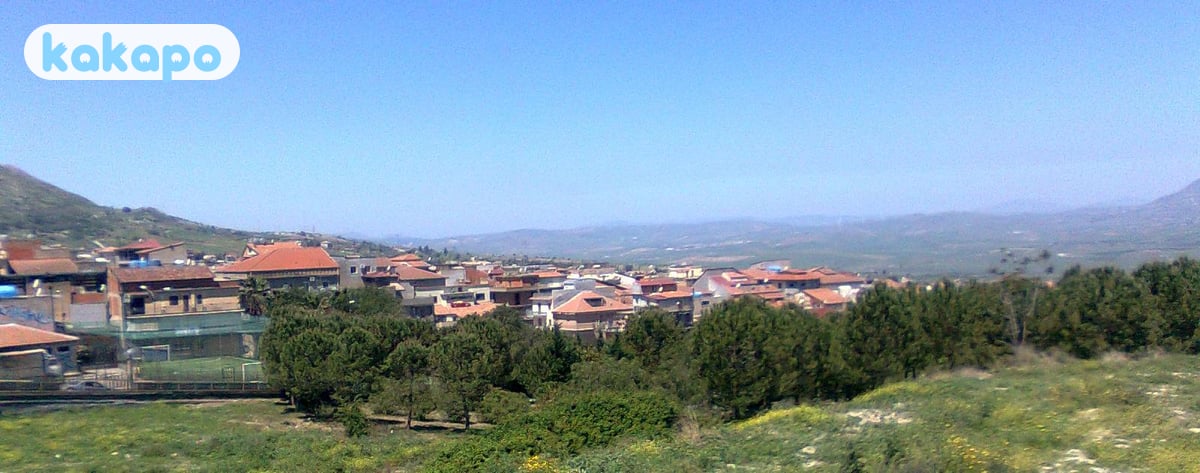
Ramacca is a town of around 10,000 people on the Catania plain in eastern Sicily, ~50 km west of Catania. It is an agricultural town — wheat, olives, artichokes (the local artichoke festival in April is a small but popular event) — with effectively no foreign tourism. Visitors passing through are generally en route between Catania and inland Sicily (Piazza Armerina, Caltagirone, Enna).
Italy sits at Level 2 in US State Department guidance. Crime against tourists in small inland Sicilian towns is essentially unreported. The realistic visitor concerns here are driving on rural roads, summer heat (the Catania plain is one of the hottest parts of Italy in July-August), and limited services outside the town centre.
Ramacca sits in the comune of the same name in the western half of Catania province (Città Metropolitana di Catania), south-west of the Etna massif on the flat alluvial plain known as the Piana di Catania. The town is built around a modest historic core with the Chiesa Madre at its centre, ringed by post-war housing and surrounded by extensive olive groves and the wheat-and-artichoke fields that define the local economy. The Margi-Iblei and Margherito olive country immediately north and west is part of the broader "Monte Etna DOP" olive zone, which is the genuine cultural and culinary draw for the few non-Italian visitors who reach the area.
| Night safety | 67/100 |
|---|---|
| Scam / petty-crime risk | Low |
| Violent crime (tourists) | Low |
| Most common scams | petty theft from cars; vehicle break-ins in Sicily |
| Safer neighbourhoods | Centro storico, Castello di Margi-Iblei, Montagna di Marzo |
| Data sources cited | 3 |
| Last verified |
What the score means — 84/100
- Personal safety (86) — small inland Sicilian towns have very low crime against visitors.
- Air quality (86) — clean rural air; some agricultural burning seasonally.
- Healthcare (78) — local services in town; full hospital in Catania (~50 km).
- Transport (74) — a rental car is the realistic plan; bus service to Catania exists but is sparse.
What to actually do here
- Sagra del Carciofo (Artichoke Festival): April. A real local event — food stalls, tastings, music.
- Local archaeology: Bronze Age and Greek-period finds in the surrounding countryside (Montagna di Marzo). Modest sites.
- Best as a stop: between Catania and Piazza Armerina (Villa Romana del Casale UNESCO mosaics, ~40 min west).
- Stay elsewhere: Catania, Taormina, or Syracuse for accommodation.
Driving + summer heat — the realistic concerns
- SS288 + SS192: the main approaches; ordinary two-lane Italian state roads, in reasonable condition.
- Heat: 38-42°C is normal in July-August on the Catania plain. Air-conditioning and water are non-negotiable.
- Sirocco wind (May-September): hot dry wind from North Africa. Reduces visibility with dust on bad days.
- Petty theft from cars: keep the cabin empty in any parked car in Sicily.
Around Ramacca — the Catania plain and inland Sicily
- Centro storico (Chiesa Madre / Piazza Umberto) — the small historic core around the Chiesa Madre San Giuseppe and Piazza Umberto I, where the evening passeggiata happens and the April Sagra del Carciofo (Artichoke Festival) sets up food stalls.
- Castello di Margi-Iblei (north) — a small Norman-Swabian fortified site in the hills, modest but worth a 20-minute stop on a driving day.
- Montagna di Marzo and the surrounding hills — the principal local archaeological zone with Bronze Age and Greek-period finds; finds are mostly in the regional museums in Catania and Enna.
- Olive country (Monte Etna DOP zone) — the surrounding groves are part of one of Sicily's recognised olive-oil DOP zones; several frantoi (olive mills) accept visits during the autumn harvest, though most do not actively cater to tourists — call ahead.
- Piazza Armerina (west) — about 40 minutes west via SS117bis and SP4; the Villa Romana del Casale UNESCO site (the most spectacular surviving late-Roman mosaics in Europe) is the genuine reason most foreign visitors come within reach of Ramacca.
- Catania (east) — about 50 km east via SS288 then SS192 / A19 autostrada; full-city services, Catania-Fontanarossa airport (CTA), and the realistic base for visiting this part of Sicily.
- Caltagirone (south) — about an hour south; the famous ceramic-staircase town of the Scala di Santa Maria del Monte.
If it's your first time visiting
- Fly into Catania-Fontanarossa (CTA): ~50 km east, ~50-min drive. Comiso (CIY) is an alternative ~80 km south. Pick up a rental car at the airport — there is no realistic public-transport route to Ramacca.
- Where to stay: base in Catania, Taormina or Syracuse for hotel inventory; an agriturismo in the Ramacca/Mineo countryside is the alternative for travellers who want a working olive-farm overnight. There is no hotel inventory in Ramacca itself.
- Time the trip: April for the Sagra del Carciofo and the wildflower season; September-October for the olive harvest. Avoid July-August unless heat-acclimatised — the Catania plain regularly hits 38-42°C with no shade.
- Driving: the SS288 and SS192 are normal two-lane Italian state roads in reasonable condition; the SP roads are narrower and a few have potholes. Drive in daylight; rural Sicilian roads run unlit between towns.
- Sirocco awareness (May-September): the hot dry wind from North Africa carries Saharan dust, drops air quality and visibility for a day or two at a time. If your trip overlaps a bad sirocco day, switch to a museum day in Catania or Piazza Armerina.
- Vehicle break-ins: a Sicily-wide pattern — keep the cabin visibly empty on any parked car, especially overnight. The Villa Romana del Casale car park has had reported incidents over the years.
- Pay in euros, cards mostly work: at the main hotels and restaurants in Piazza Armerina and Caltagirone; carry €40-60 cash for smaller stalls, the artichoke festival and frantoi visits.
- Language: Italian is essential; English is patchy outside Catania and the major tourist sites. Basic Italian phrases (and an offline phrasebook on your phone) go a long way in Ramacca itself.
Practical info — emergency numbers
- Emergency: 112.
- Carabinieri: 112.
- Ambulance: 118.
- Roadside assistance (ACI): 803 116.
- Ospedale Garibaldi (Catania): +39 095 7591111.
Bring: a rental car, plenty of water, sun protection (the plain has no shade), an unlocked phone with an Italian SIM/eSIM, a card without foreign-transaction fees.
Frequently asked questions
Is Ramacca safe to visit in 2026?
Yes — Ramacca scores 82/100 here. It's a small agricultural town of around 10,000 people on the Catania plain in eastern Sicily, with effectively no foreign tourism. US State Department lists Italy at Level 2 (baseline European vigilance, terrorism context). Crime against visitors in small inland Sicilian towns is essentially unreported. The realistic concerns are practical rather than safety-related: driving on rural state roads, extreme summer heat (38-42°C is normal in July-August on the Catania plain), and the limited services that mean Ramacca works as a stop on a route rather than a destination.
Is Ramacca safe at night?
Yes — the town is sleepy and quiet, with a small piazza social life in the evening (passeggiata) and not much else after dark. There is no nightlife to speak of and no crime against visitors. The practical evening concern is driving the rural SS288 and SS192 state roads at night — unlit two-lane country roads with occasional livestock and farm vehicles. Plan to be at your accommodation (typically in Catania, Piazza Armerina or one of the agriturismi around the area) by dusk. Carabinieri patrols are routine but visible support is thin at night.
What's the biggest risk for visitors here?
Summer heat and the related dehydration and heat-exhaustion risk. The Catania plain is one of the hottest parts of Italy in July and August; temperatures of 38-42°C are normal and 45°C+ in heatwaves is increasingly common with climate change. There is no natural shade in the agricultural landscape. Air-conditioning and water are non-negotiable; visiting between 13:00 and 16:30 is genuinely uncomfortable and locals retreat indoors. The Sirocco wind from North Africa (May-September) is a separate issue — hot dry air that carries Saharan dust, reduces visibility, and pushes air quality lower for a day or two at a time. Vehicle break-ins to parked cars are a Sicily-wide pattern; keep the cabin visibly empty.
Can you drink tap water in Ramacca?
Yes — Italian municipal tap water is treated to EU standards and is generally safe throughout rural Sicily, including Ramacca. The Catania-plain water can taste mineral and rural Sicily has had occasional drought-related supply pressure in recent summers, so check whether your accommodation has its own cistern. Bottled mineral water is the cultural default at restaurant tables across Italy. Carry a refillable bottle and refill regularly in summer.
Should I base in Ramacca or somewhere larger?
Somewhere larger, every time. Ramacca has limited accommodation, restaurants and visitor services; it works as a 30-minute stop for the April Sagra del Carciofo (Artichoke Festival, a genuinely fun small-town food event), or as a passing point between Catania and inland Sicily. The standard logic for foreign visitors to this part of Sicily is to base in Catania (about 50km east, full city services, Catania-Fontanarossa airport CTA), Taormina (the coastal resort north of Catania) or Syracuse, and day-trip through Ramacca on a wider eastern Sicily itinerary. The Villa Romana del Casale UNESCO mosaics at Piazza Armerina, about 40 minutes west of Ramacca, is the genuine archaeological draw of the area.
Sources
Run a business in Ramacca?
Show visitors your Ramacca business is a safe choice. The free Verified by Kakapo badge puts Ramacca's live safety score on your website, links back to your verified page, and updates itself. No cost.
Get the free badge →