


Is Philadelphia, United States Safe? A 2026 Travel Safety Guide
The Kensington open-air crisis, the Old City tourist core, winter cold, the Eagles game-day chaos, and the realistic risks of America's first capital.

Philadelphia is a city with a high-crime reputation by US-city standards and a tourist core (Old City, Society Hill, Center City, University City, Fishtown) that's meaningfully safer than the citywide statistics imply. Crime against tourists in tourist neighbourhoods is uncommon.
The realistic risks for visitors are property crime (car break-ins, phone snatches), the Kensington open-air drug crisis a few miles north of Center City (which visitors can accidentally drive past on the way north and find genuinely shocking — but tourists don't go there), the winter cold (-5 to -10°C with windchill), and the standard sports-event chaos when the Eagles play.
The honest framing for first-time visitors: Philly is large (~1.6 million in city, 6.2 million metro), the most walkable big American city outside NYC and Boston. Independence Hall, the Liberty Bell, the Reading Terminal Market, the Philadelphia Museum of Art (Rocky steps), and the Fishtown food scene are the visitor anchors.
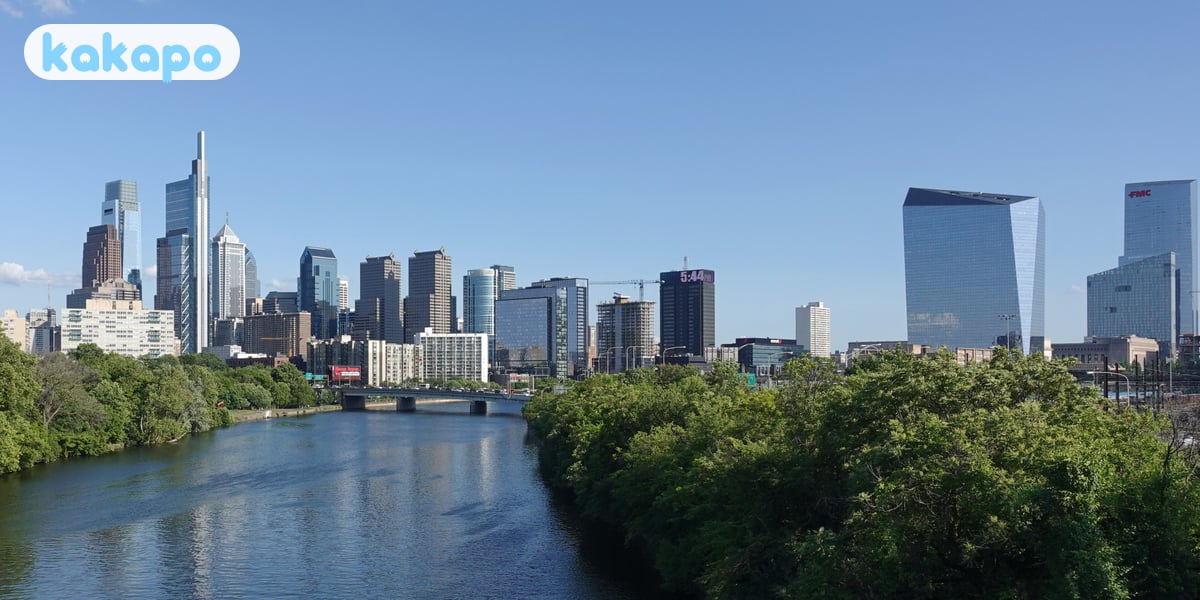
What makes Philadelphia unusually navigable is the William Penn grid — laid out in 1682, the streets run numbered north-south (with Broad Street as 14th) and named east-west (Walnut, Chestnut, Market, Arch, Race, Spring Garden). Centre City (note the British spelling — the original Penn term) is bookended by the Delaware River on the east and the Schuylkill River on the west, with most of the visitor anchors in the eastern half. The five squares Penn laid out — Washington, Franklin, Logan, Rittenhouse, and Centre (now City Hall) — still organise the city's wealth gradient: Rittenhouse is upscale, Washington is rapidly gentrifying, Franklin is rougher, Logan is the museum district at the foot of Benjamin Franklin Parkway.
In 2026, the things that have changed: SEPTA has finally rolled out contactless tap-to-pay across the Broad Street Line, Market-Frankford Line, trolleys and Regional Rail (the SEPTA Key card era is winding down — your contactless debit or credit card now works at every reader, $2.50 single, $11.50 day pass); the SEPTA Airport Line still runs every 30 minutes from PHL to Centre City at $7 (25 min), by far the easiest US airport-to-downtown transit; the cheesesteak rivalry has fragmented further with Jim's South Street, Pat's, Geno's, John's Roast Pork, Steve's Prince of Steaks, and Angelo's all claiming "best in the city" while serious eaters argue for Cosmi's or Joe's Steaks — locals have stopped trying to pick one; Mayor Cherelle Parker's 2024-onwards public-safety push has visibly increased police presence in Centre City and Kensington's encampment-clearance programme has shifted some of the open-air drug crisis east into other parts of the river wards.
| Night safety | 61/100 |
|---|---|
| Scam / petty-crime risk | Medium |
| Violent crime (tourists) | Medium |
| Most common scams | pickpockets in summer crowds; car break-ins; phone snatches |
| Safer neighbourhoods | Old City, Center City, University City |
| Data sources cited | 4 |
| Last verified |
What the score means — 75/100
- Healthcare (88) — Penn, Jefferson, Children's Hospital of Philadelphia (CHOP) are world-class.
- Transport (80) — SEPTA covers the city; some lines variable.
- Air quality (80) — moderate. Industrial legacy.
- Personal safety (70) — pulled down by city-wide crime statistics; tourist neighbourhoods are safer.
Areas — Old City, Center City, University City, Fishtown
Recommended for visitors: Old City (the historic core — Independence Mall, cobbled lanes), Society Hill (residential, brick rowhouses), Center City (downtown, hotels, Reading Terminal Market), Rittenhouse Square (upscale park district), University City (Penn campus, Drexel), Fishtown (gentrified Beltline-style restaurant strip), Manayunk (riverside village feel).
Stay aware: Kensington (see below), parts of North Philadelphia, West Philadelphia outside University City, parts of Frankford (higher-crime, not on tourist itineraries — you wouldn't end up there casually).
Kensington — what to know about the news
- Kensington: a neighbourhood ~5 km north-east of Center City. The most concentrated open-air drug-and-homelessness crisis in the eastern US. Documentary subject.
- Tourist relevance: minimal. You wouldn't walk through Kensington as a tourist; the Market-Frankford El's outer stops pass through it but tourists rarely use them.
- If you accidentally drive through: keep windows up, don't stop, don't engage. The population is overwhelmingly self-harming, not externally violent.
- What you'd see: open fentanyl use, encampments, severe physical effects of long-term opioid use ("xylazine" / "tranq" wounds in particular).
- Don't sightsee Kensington — disrespectful and unhelpful.
- If you're tempted to volunteer: Prevention Point Philadelphia and Savage Sisters Recovery accept donations.
Old City and Independence Hall
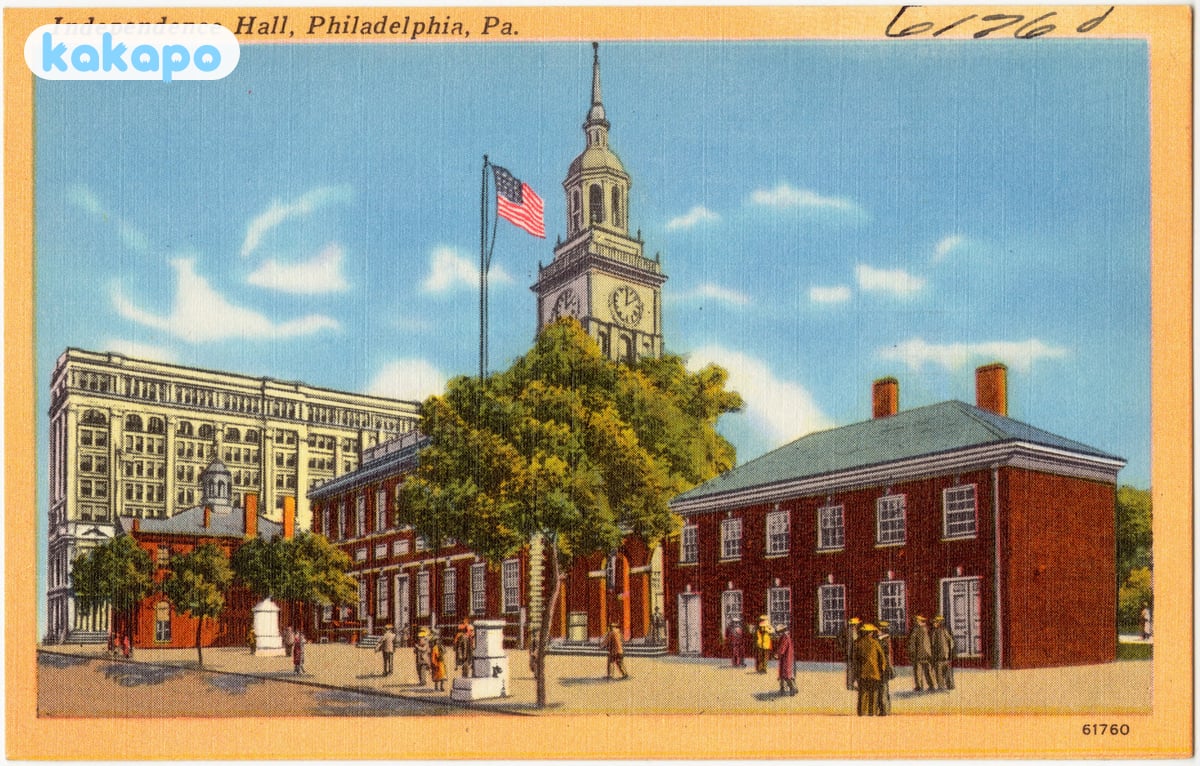
- Independence National Historical Park: free entry to most sites. Independence Hall requires timed-entry tickets (free, book at recreation.gov in summer).
- The Liberty Bell: free, indoor. Bag check at entry.
- Cobbled streets: Old City has them. Sturdy shoes.
- Pickpockets: low-level in summer crowds.
- Reading Terminal Market: lunch destination + cheesesteak debate. Pickpockets present in densest crowds.
Winter, sports, the events
- December-February: -5 to 5°C standard. Snow occasional. Boots with grip.
- Eagles, Phillies, 76ers, Flyers: Philly is a passionate-and-occasionally-rowdy sports city. Game days bring crowds; some Linc-area concourse altercations.
- Mummers Parade (New Year's Day): 100-year tradition. Street parties.
- Made in America Festival, the Roots Picnic: summer music events.
- Best summer weather: May-June, September. July-August humid (32°C + 75%).
SEPTA, taxis, the airport
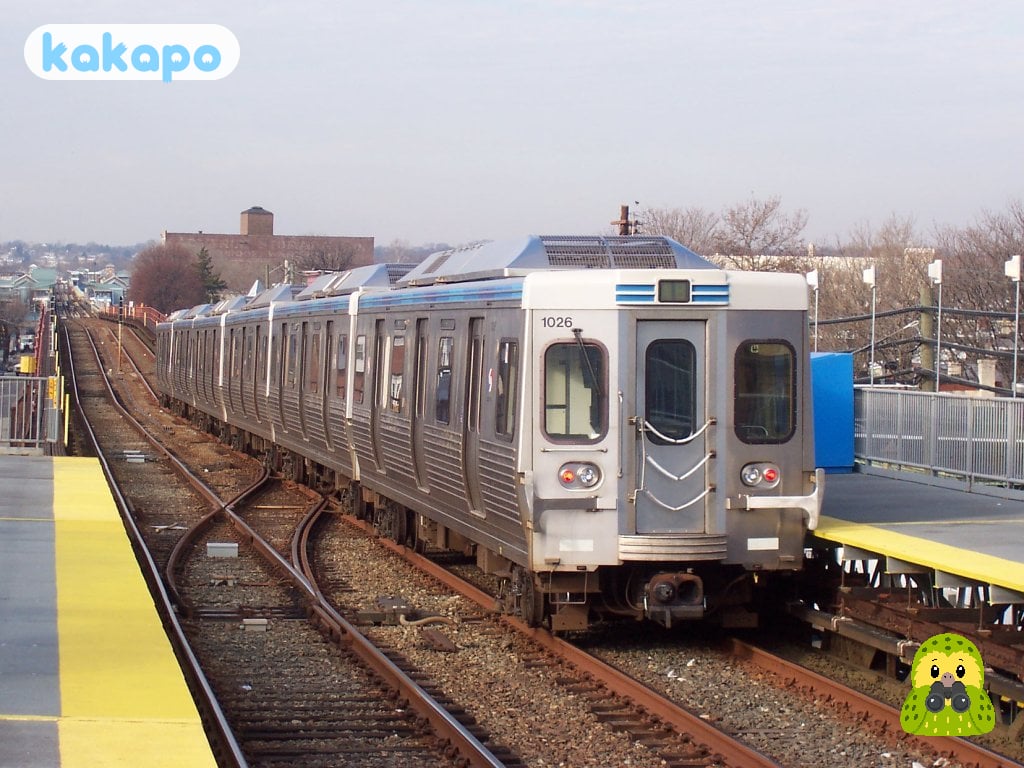
- SEPTA: subway (Broad Street Line + Market-Frankford Line), trolleys, regional rail. $2.50 single. SEPTA Key card or contactless.
- Subway safety: generally fine in central stations; Market-Frankford Line at outer stops (towards Kensington) has more incident reports.
- Uber + Lyft: cheap, ubiquitous.
- Philadelphia Airport (PHL): 11 km south. SEPTA Airport Line $7 to centre, 25 min. Taxi flat-rate $32. Uber $25-40.
- Walking: Center City + Old City are walkable end-to-end.
Money, cheesesteaks, food
- Currency: US dollar.
- Tipping: 18-22%.
- Tax: 8% sales tax in Philly.
- Cost: hotels $200-350 standard.
- Tap water: safe.
- Local food: cheesesteak (the Pat's vs Geno's argument is touristy — locals like Jim's, John's, Steve's), Italian (Reading Terminal, South Philly), pretzels, scrapple.
Neighbourhood-by-neighbourhood breakdown
- Centre City (the downtown grid) — the William Penn 1682 grid between the Delaware and Schuylkill rivers. City Hall (the largest municipal building in the US, with the William Penn statue on top), the Comcast Tower and Liberty Place skyline cluster, Reading Terminal Market (the 1893 farmers market and lunch institution), Rittenhouse Square (upscale park, Sunday farmers market). Hotels concentrate here. Heavily walked and safe day and night.
- Old City — the colonial original district along Market and Arch east of 7th Street. Independence National Historical Park (Independence Hall — free, but timed-entry tickets at recreation.gov in summer; the Liberty Bell — free, walk-up, bag check), Christ Church, the Betsy Ross House, Elfreth's Alley (continuously inhabited residential street since 1703). Cobbled, charming, family-saturated.
- Fishtown + Northern Liberties — the gentrified former working-class river wards north of Centre City, now Philly's design-restaurant-bar belt. Frankford Avenue is the spine; Suraya, Pizzeria Beddia, Wm. Mulherin's Sons, Cherry Street Pier. Safe in the corridor; the edges thin out and the Kensington crisis is just to the north — don't wander Frankford Avenue indefinitely north past York Street after dark.
- South Philly — south of South Street, the Italian-American heart with the Italian Market on 9th Street (one of America's oldest outdoor markets, since the 1880s), the cheesesteak corner of Pat's/Geno's at 9th and Passyunk, the Mummers Museum, and the Eagles/Phillies/76ers/Flyers stadium complex at South Philly Sports Complex (Lincoln Financial Field, Citizens Bank Park, Wells Fargo Center). Diverse, walkable, the older blocks have the rowhouse-and-stoop street life.
- West Philly + University City (UPenn) — across the Schuylkill, anchored by the University of Pennsylvania (Ivy League, 22,000 students) and Drexel University. The University City core around 34th Street is well-policed and walkable. Outside University City — deeper West Philly (50th and beyond) — gets quieter and tourists rarely have reason to go there.
- SEPTA — subway (Broad Street Line north-south, Market-Frankford Line east-west, both meeting at 15th Street/City Hall), trolleys (the underground 10/11/13/34/36 west of City Hall), Regional Rail (commuter to PHL airport, Manayunk, suburbs). $2.50 single, $11.50 day pass; contactless tap-to-pay on every reader since 2024. Central stations are fine; the Market-Frankford Line at outer stops toward Kensington has more incident reports.
- The cheesesteak rivalry — Philly's signature food argument. Pat's King of Steaks (9th and Passyunk, opened 1930) vs Geno's Steaks (9th and Passyunk, opened 1966, neon-lit) — both touristy and middling. Locals prefer Jim's South Street, John's Roast Pork (Snyder Avenue, James Beard winner), Steve's Prince of Steaks, Cosmi's, or Angelo's. Order "whiz wit" (Cheez Whiz with onions) for the classic; "provolone wit" for the upgrade. Lines at all of them.
- Kensington context — the most concentrated open-air drug-and-homelessness crisis in the eastern US, centred around Kensington and Allegheny Avenues 5 km northeast of Centre City. Encampment-clearance under the 2024 Parker administration has reduced visibility but the underlying crisis remains. Tourists have no reason to enter; the Market-Frankford El's outer stops pass through it but you wouldn't use them. If you accidentally drive through, windows up, don't stop. Don't sightsee.
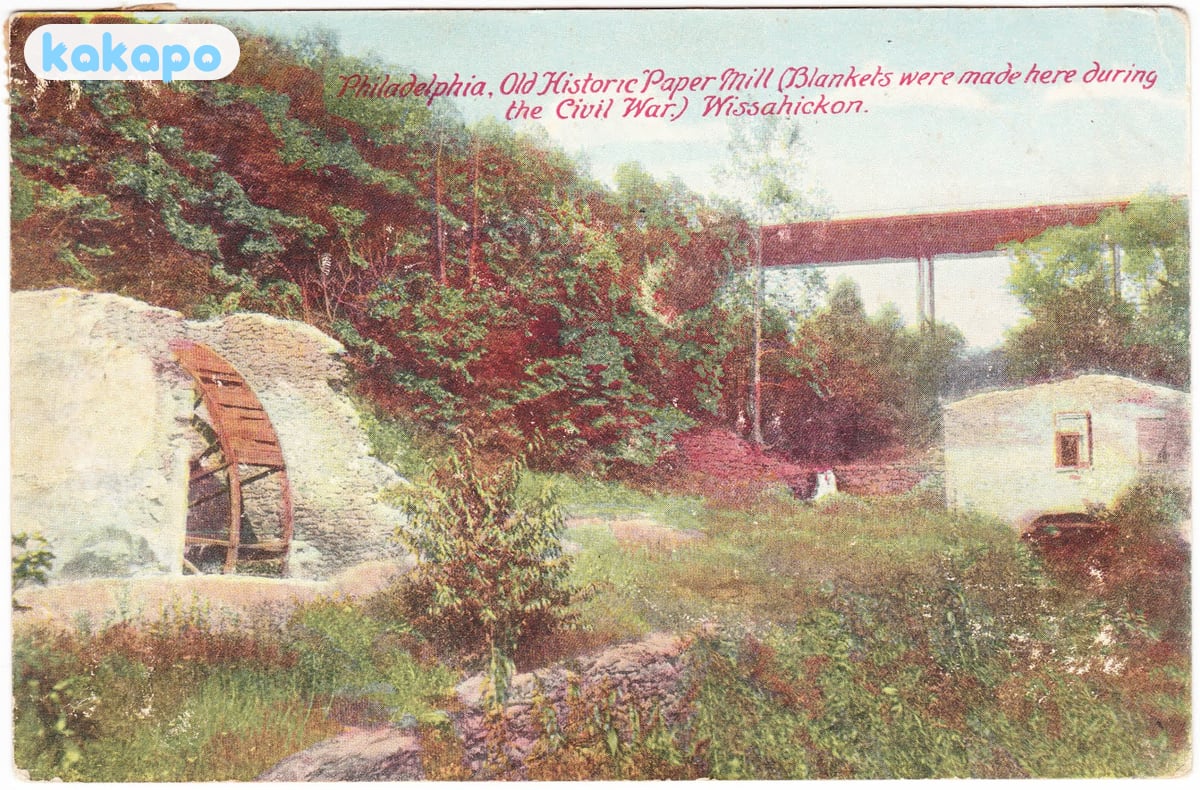
- Other neighbourhoods worth knowing: Manayunk (canalside village feel northwest, Main Street restaurants and cycling on the Schuylkill Trail), Chestnut Hill (leafy upscale northwest, Wissahickon Park), Mt. Airy (mixed and progressive northwest), East Passyunk (gentrified South Philly restaurant strip), Queen Village (residential south of South Street).
If it's your first time visiting
- Best arrival: PHL by SEPTA Airport Line — $7, 25 minutes to Centre City stations (30th Street, Suburban Station, Jefferson Station), runs every 30 minutes. Cheapest fastest US-airport-to-downtown transit there is. Uber/Lyft are $25-40; taxi flat-rate $32. From NYC, Amtrak Northeast Corridor or NJTransit to 30th Street is 1h15-2h.
- Best neighbourhood for your first night: Rittenhouse Square or Centre City near Reading Terminal for the upscale-walkable experience; Old City or Society Hill for the colonial atmosphere; Fishtown for the cool-Philly food-scene immersion. Avoid first-night bookings near the Greyhound terminal on Filbert or in North Philly.
- Day 1 jet-lag friendly: Independence Hall + Liberty Bell at 09:00 opening (timed-entry tickets from recreation.gov for Hall, free walk-up for Bell), Reading Terminal Market for lunch (DiNic's roast pork sandwich, not the cheesesteak — Philly's best sandwich is the roast pork), afternoon at the Philadelphia Museum of Art and the Rocky steps, dinner in Fishtown (Pizzeria Beddia, Suraya).
- Public transport / SEPTA: contactless tap-to-pay your debit/credit card on every reader since 2024 ($2.50 single, $11.50 day pass). Broad Street Line for north-south (City Hall to Lincoln Financial for Eagles games), Market-Frankford Line for east-west (Centre City to Fishtown and University City). Avoid Market-Frankford outer stops toward Kensington late at night.
- Common rookie mistakes: Pat's vs Geno's pilgrimage (touristy and middling — Jim's South Street, John's Roast Pork or Cosmi's are where locals go); not pre-booking Independence Hall in summer (timed-entry tickets sell out same-day); leaving anything visible in a parked car (Philly smash-and-grab is real — empty the trunk too, not just the seats); the wrong subway segments after midnight (Market-Frankford outer past Berks toward Kensington); under-tipping (Philly local norm is 20%+ at restaurants); walking the Schuylkill Trail in the dark (lovely by day, isolated at night).
- Cheesesteak rivalry: skip Pat's and Geno's unless you want the photograph. Try Jim's South Street, John's Roast Pork (best ranked, Snyder Avenue, but get there by 11:30 — they sell out and close), Steve's Prince of Steaks (Bustleton or other locations), Angelo's (Passyunk), or Cosmi's. Order "whiz wit" (Cheez Whiz with onions) for the classic, "provolone wit" for the upgrade. While you're south, get a roast pork sandwich at Tony Luke's or DiNic's — Philly's better sandwich.
- Currency and tax: US dollar. Philadelphia sales tax 8% (6% PA + 2% city). Restaurant tipping 20-22% standard. Cards everywhere; carry $50-100 in small bills for tipping and the Italian Market stalls.
- Sports day strategy: Eagles (Sundays September-January at Lincoln Financial Field), Phillies (April-October at Citizens Bank Park), 76ers + Flyers (October-April at Wells Fargo Center). All in the South Philly Sports Complex, reachable by Broad Street Line ($2.50). Tailgating culture is intense at the Linc; pickpockets thin but the bar-fight-on-concourse pattern is real if you wear opposing colours.
- The Mummers Parade: every 1 January, 100-year tradition, along Broad Street from South Philly to City Hall. Sequins, banjos, beer, costumes. Crowds dense. Pickpockets present. Cold (Philly winter); layer up.
Practical info — emergency numbers
- Emergency: 911.
- PPD non-emergency: 311.
- Penn Presbyterian ER: 215-662-9000.
- Jefferson University Hospital ER: 215-955-6840.
Bring: comfortable walking shoes, layered clothing for winter, a contactless card, an unlocked phone, and US-valid travel insurance with full medical coverage.
Frequently asked questions
Is Philadelphia safe to visit in 2026?
Yes for tourist neighbourhoods — meaningfully safer than the city-wide crime statistics imply. Old City, Society Hill, Center City, Rittenhouse Square, University City, Fishtown and Manayunk are calm and well-policed. The realistic concerns for visitors are property crime (car break-ins and phone snatches), the Kensington open-air drug crisis a few miles north of Center City (which you'd have no tourist reason to enter), winter cold from December to February, and the standard sports-event chaos when the Eagles, Phillies, 76ers or Flyers play. Crime against tourists in tourist zones is uncommon.
Is Philadelphia safe at night?
Yes in the tourist anchors. Old City, Society Hill, Rittenhouse Square, University City and Fishtown are calm after dark. SEPTA central stations are generally fine in the evening; the Market-Frankford El at outer stops (heading toward Kensington) has more incident reports and tourists rarely use those segments. Stay aware around the bus station and on parts of North Philadelphia and West Philadelphia outside University City — neither is on a standard tourist itinerary. Game days at Lincoln Financial Field bring the predictable Philly fan rowdiness but it's the bar-fight-on-concourse kind, not violent crime.
Is Philadelphia safe for solo female travellers?
Yes — Philadelphia is one of the more walkable big US cities and one of the easier for solo female travel in its tourist core. Old City, Rittenhouse Square, Fishtown and University City all support solo dining and exploration. Standard urban precautions apply — phone in front pocket, bag zipped, supervise drinks in Fishtown bars, and use Uber rather than SEPTA's outer Market-Frankford line late at night.
Can you drink tap water in Philadelphia?
Yes — Philadelphia tap water is treated by the Philadelphia Water Department from the Delaware and Schuylkill rivers to EPA standards, and is safe across the city. Lead service line replacement is ongoing in older neighbourhoods but hotels, restaurants and the tourist core run on modern plumbing. Restaurants offer it free with meals; a refillable bottle is fine.
What's the biggest scam to avoid in Philadelphia?
Philadelphia has very little organised scam culture. The recurring practical traps are car break-ins at tourist parking lots (leave nothing visible, empty trunk too), unofficial "Independence Hall private tour" brokers (Independence Hall tickets are free and timed-entry at recreation.gov in summer; the Liberty Bell is free and walk-up), and Pat's vs Geno's tourist-trap pricing on the cheesesteak comparison — locals prefer Jim's, John's or Steve's at lower prices. From PHL airport use SEPTA Airport Line for $7 (25 minutes) or licensed taxi flat-rate of $32 to Center City.
Should I worry about Kensington?
Not as a tourist — you have no reason to go there. Kensington is a neighbourhood about 5 km north-east of Center City and the site of the most concentrated open-air drug-and-homelessness crisis in the eastern US. Documentary crews and journalists visit; tourists do not. The Market-Frankford El's outer stops pass through Kensington but you wouldn't use those segments. If you accidentally drive through, keep windows up, don't stop, don't engage — the population is overwhelmingly self-harming rather than externally violent. Don't sightsee Kensington; it's disrespectful and unhelpful. If you want to do something practical, Prevention Point Philadelphia and Savage Sisters Recovery accept donations.
Sources
Run a business in Philadelphia?
Show visitors your Philadelphia business is a safe choice. The free Verified by Kakapo badge puts Philadelphia's live safety score on your website, links back to your verified page, and updates itself. No cost.
Get the free badge →