


Is Portland, United States Safe? A 2026 Travel Safety Guide
The downtown reality, the 2020-2024 protest legacy, Pacific rain, the Cascadia earthquake context, and the realistic risks of Oregon's biggest city.

Portland (Oregon) had a difficult 2020-2024 stretch — covering the protest peak of summer 2020, a sustained homelessness and addiction crisis worsened by the pandemic and by Oregon's Measure 110 drug-decriminalisation experiment, and a downtown business exodus. As of 2026, recovery is under way: police presence is rebuilt, downtown commercial activity is returning, and Measure 110 was substantially reversed in 2024.
For tourists in 2026: Portland's tourist core is meaningfully safer than the headlines of 2021-2023 suggested, but visible distress (homelessness, open drug use in some downtown corridors) remains higher than in most US cities. Realistic risks for visitors are property crime (car break-ins notably), the genuinely heavy Pacific rain (~150 days/year), wildfire smoke in summer, and the longer-term Cascadia earthquake context.
The honest framing for first-time visitors: Portland is medium-large (~635,000 in city, 2.5 million metro), built on the Willamette River. The Pearl District, Downtown, Northwest 23rd Avenue, Hawthorne, Mississippi Avenue, and Alberta Arts District are the visitor anchors. Powell's City of Books, Voodoo Doughnut, the food cart pods, and the Japanese Garden are core experiences.
| Night safety | 65/100 |
|---|---|
| Scam / petty-crime risk | Medium |
| Violent crime (tourists) | Low |
| Most common scams | car break-ins in downtown; phone snatches; aggressive begging in Old Town/Chinatown |
| Safer neighbourhoods | Pearl District, NW 23rd Avenue, Hawthorne |
| Data sources cited | 4 |
| Last verified |
What the score means — 85/100
- Healthcare (88) — OHSU is world-class.
- Transport (84) — TriMet MAX light rail + buses + streetcar are reliable.
- Air quality (80) — moderate-good. Wildfire smoke episodes (Aug-Sep) drop AQI sharply.
- Personal safety (72) — pulled down by visible-distress areas; tourist neighbourhoods are improving.
Downtown — the reality after 2020-2024
- The 2020 protest peak: nightly protests outside the federal courthouse, occasional violence, downtown vandalism. Long over.
- Measure 110 (2020-2024): Oregon decriminalised personal drug possession. Combined with pandemic homelessness it produced visible open drug use in downtown Portland. Measure 110 was largely reversed by HB 4002 (2024).
- The downtown reality in 2026: visible homelessness and occasional open drug use remain along certain corridors (parts of Old Town/Chinatown, parts of SW 4th and 5th, around the bus mall).
- Risk to tourists: violent crime is uncommon; property crime (car break-ins, phone snatches) elevated; aggressive begging happens.
- Practical advice: walk in groups after dark in Old Town/Chinatown; use rideshare for distances; don't sleep at the bus stations.
- Improvement: police presence rebuilding from 2024-onwards; downtown commercial activity returning.
Areas — Pearl, NW 23rd, Hawthorne, Alberta
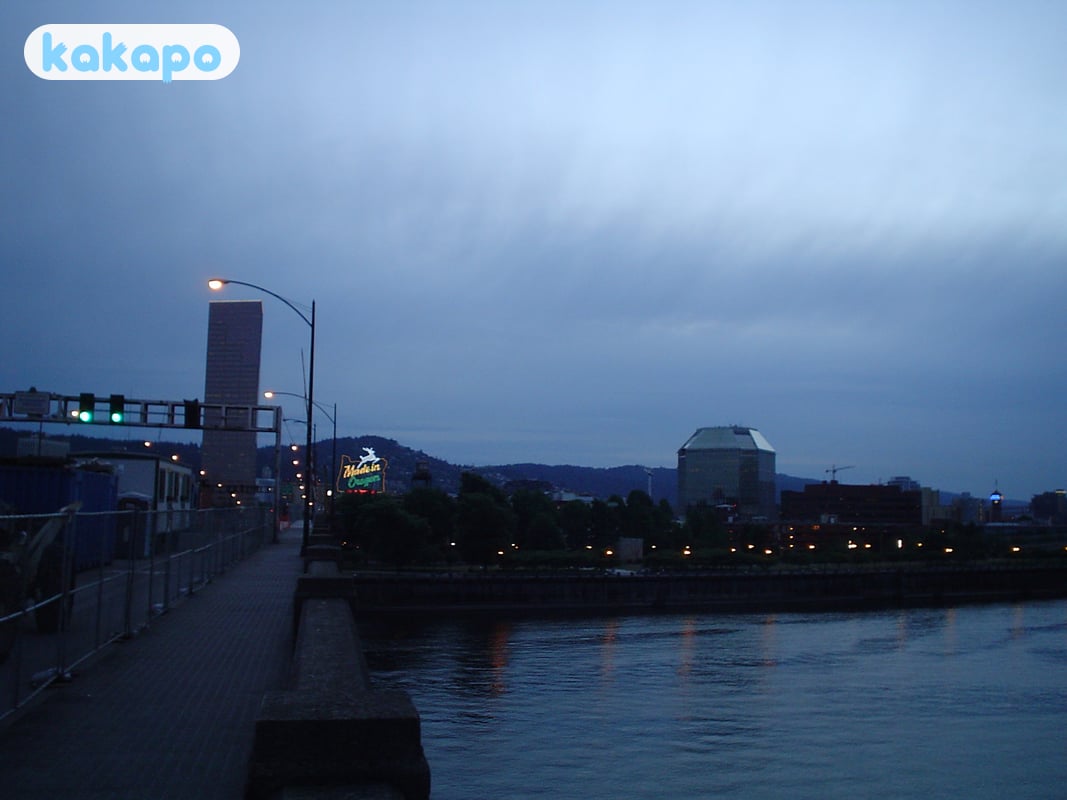
Recommended for visitors: Pearl District (gentrified former industrial, walkable), NW 23rd Avenue ("Trendy-Third") (boutiques + restaurants), Northwest Portland generally, Hawthorne (SE — bohemian, Powell's adjacent), Mississippi Avenue (gentrified), Alberta Arts District (NE), Multnomah Village.
Stay aware: Old Town/Chinatown (improving, but downtown homeless concentration), parts of downtown along the bus mall, SE 82nd Avenue corridor, parts of Lents (residential, not tourist).
Pacific rain
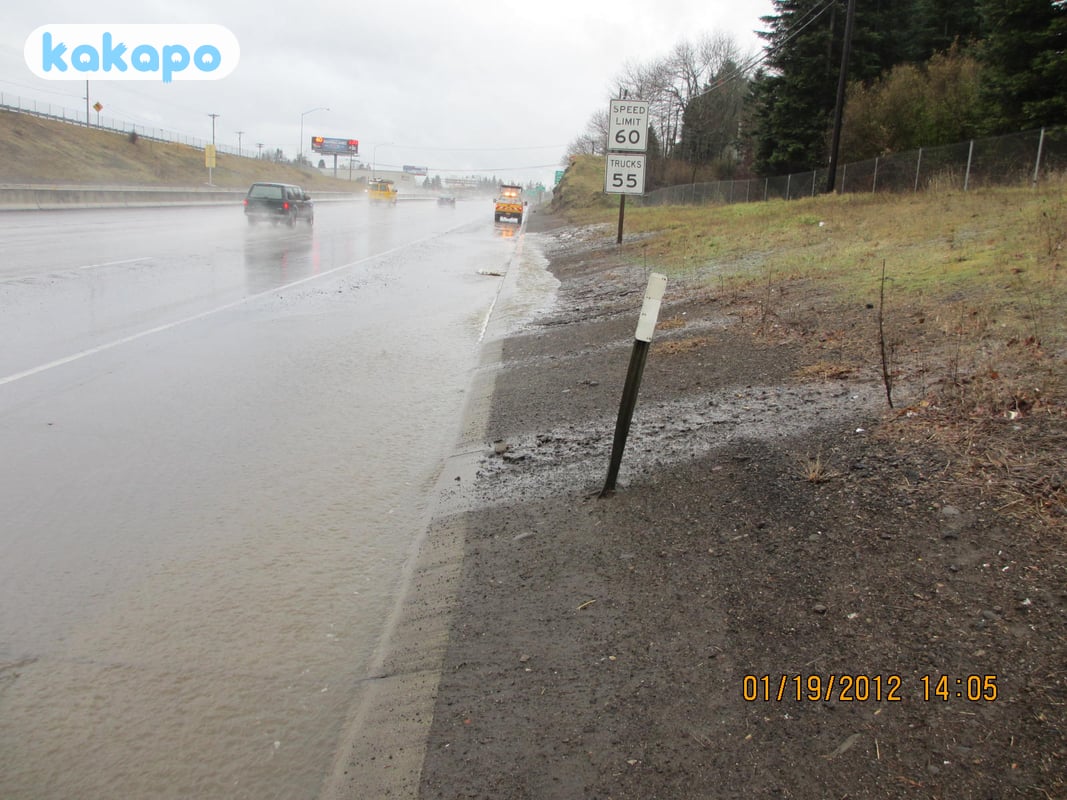
- Rainfall: ~950 mm/year across ~150 days. Like Seattle, lighter than people imagine — but persistent.
- Pattern: October-May is wet (frequent light rain). Summer (July-September) is often genuinely dry.
- Locals don't carry umbrellas: waterproof jackets.
- What to bring: proper waterproof jacket, waterproof shoes, layers.
- Best summer: July-September. 18-30°C. Dry.
Wildfire smoke
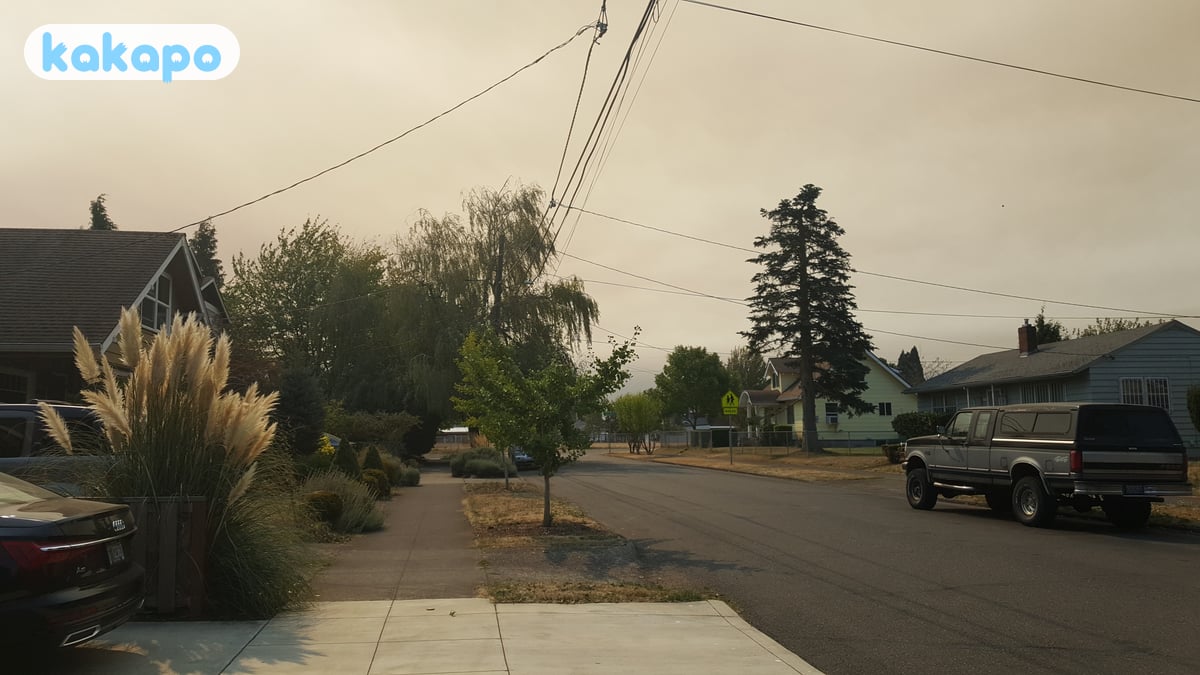
- Pacific Northwest wildfires: Oregon and Washington fires drift smoke into Portland in late summer.
- The 2020 wildfire smoke event: Portland's AQI hit 500+ for nearly two weeks. Some summers see briefer episodes.
- Asthmatics: bring inhalers. Heed AirNow alerts.
- N95 masks: useful for severe smoke.
Cascadia earthquake context
Transport — MAX, streetcar, the airport
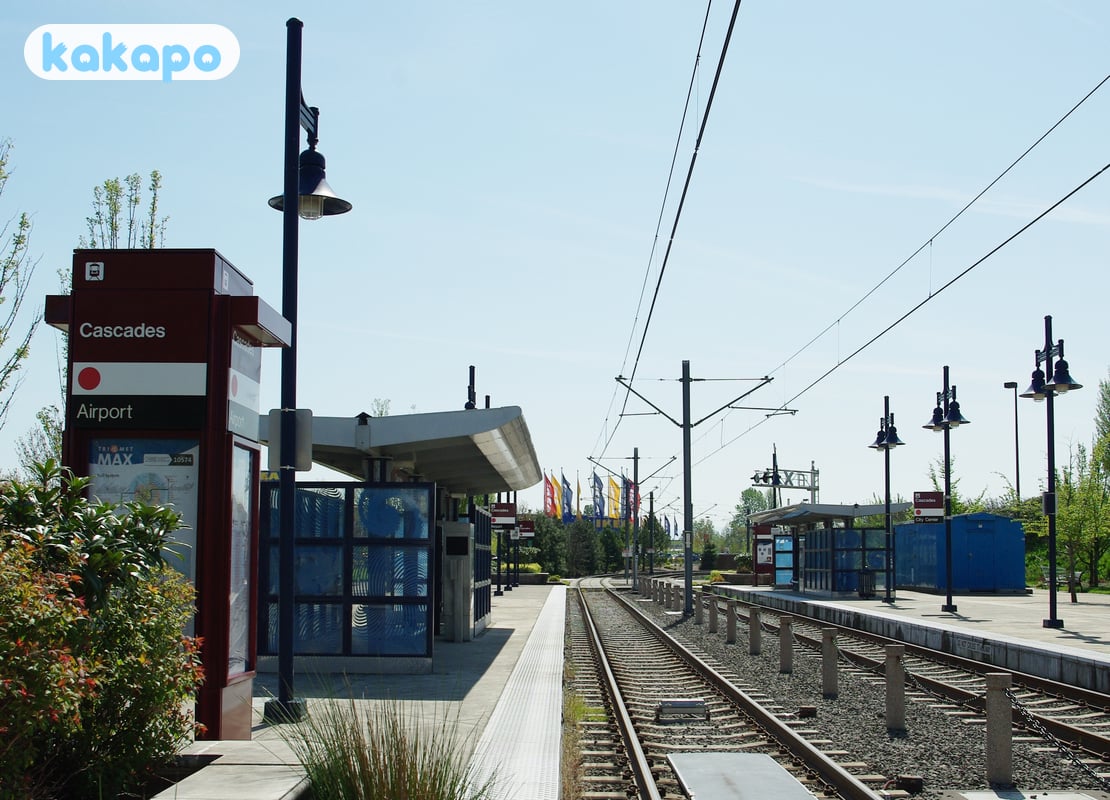
- TriMet MAX light rail: 5 lines, useful and reliable. $2.80 single, $5.60 day pass.
- Portland Streetcar: covers Pearl + downtown + east-side gentrified neighbourhoods. Slow but useful.
- Buses: extensive.
- Uber + Lyft: ubiquitous.
- Cycling: Portland's bike infrastructure is among the best in the US. Biketown is the bike-share. Excellent in summer.
- PDX (Portland International Airport): 12 km north-east. MAX Red Line $2.80 to centre, 38 min — direct and easy. PDX is regularly rated America's best airport.
Day trips — Mt Hood, Columbia Gorge, the coast
- Multnomah Falls: 30 min east on the Columbia Gorge. The most-visited natural site in Oregon. Crowded.
- Mt Hood (3,429 m): 90 min east. Year-round ski/snowboard. Timberline Lodge.
- Oregon Coast (Cannon Beach, Astoria): 90 min west. Atmospheric; cold even in summer.
- Wine country (Willamette Valley): 1-1.5 h south. Pinot Noir tastings.
- Driving: most day trips are weather-dependent in winter. Snow chains/winter tyres for Mt Hood Nov-April.
Money, food, the cost story
- Currency: US dollar.
- Tipping: 18-22%.
- Tax: Oregon has no sales tax — uniquely.
- Cost: hotels $200-350/night standard. Cheaper than Seattle or SF.
- Tap water: safe.
- Local food: food carts (in pods around the city), Pacific salmon, craft beer (Portland has more breweries per capita than any major US city), donuts (Voodoo, Blue Star, Pip's).
Practical info — emergency numbers
- Emergency: 911.
- Portland Police non-emergency: 503-823-3333.
- OHSU Hospital ER: 503-494-7551.
- Legacy Emanuel ER: 503-413-2200.
Bring: a serious waterproof jacket Oct-May, layered clothing, comfortable walking shoes, a contactless card, an unlocked phone, and US-valid travel insurance.
Frequently asked questions
Is Portland safe to visit in 2026?
Yes — Portland's tourist core is meaningfully safer than the 2021-2023 headlines suggested. Recovery is well under way: police presence has rebuilt from 2024 onwards, downtown commercial activity is returning, and Oregon's Measure 110 drug-decriminalisation experiment was substantially reversed by HB 4002 in 2024. The realistic concerns are property crime (car break-ins are notably common), the visible homelessness and open drug use that remains along certain downtown corridors, heavy Pacific rain from October through May, summer wildfire smoke, and the long-term Cascadia subduction-zone earthquake context. Tourist neighbourhoods like the Pearl District, NW 23rd, Hawthorne and Alberta are calm.
Is Portland safe at night?
Yes in tourist neighbourhoods. The Pearl District, NW 23rd, Hawthorne, Mississippi Avenue, Alberta Arts District and Multnomah Village are calm after dark. Old Town/Chinatown and parts of downtown along the bus mall and SW 4th-5th remain visibly affected by homelessness and aggressive begging — walk in groups, use Uber or Lyft for distance gaps, and don't sleep at the bus stations. The MAX light rail is reliable into the evening but late-night carriages can be sparse. Avoid the SE 82nd Avenue corridor and outer Lents at night.
Is Portland safe for solo female travellers?
Yes — Portland is one of the easier US cities for solo female travel in its tourist neighbourhoods. The bike infrastructure is among the best in the US, the food-cart pods are busy and social, and the bookshop and coffee-shop culture means you'll rarely be the only solo person somewhere. Standard precautions apply in Old Town/Chinatown after dark and on the bus mall. Car-break-in awareness matters more than personal-safety awareness — don't leave anything visible in a rental, even for ten minutes.
Can you drink tap water in Portland?
Yes — Portland tap water comes from the Bull Run Reservoir, a protected forested watershed in the Cascade foothills, and is genuinely among the best municipal water in the US. The city completed treatment-plant upgrades in 2022. It is safe everywhere and refillable bottles are standard. On Mt Hood and Columbia Gorge hikes treat any stream water.
What's the biggest scam to avoid in Portland?
Portland has very little organised scam culture — the city is famously low-pressure in commerce. The recurring practical traps are smash-and-grab car break-ins at trailheads, viewpoints and tourist parking lots (don't leave anything visible, even briefly), and the Oregon "no sales tax" gotcha — Oregon uniquely has no state sales tax, which is great, but means goods bought here can be subject to use tax when you take them home to another state. Ride PDX's MAX Red Line from the airport to downtown for $2.80 — the airport has consistently topped US best-airport rankings and the rail link is genuinely easy.
What about the Cascadia earthquake risk?
Real long-term, low day-to-day. The Cascadia subduction zone off the Pacific Northwest coast is capable of magnitude 9 earthquakes; scientists estimate a 10-15% chance of a major event in the next 50 years. For a short visit, day-to-day risk is small. Modern Portland buildings are built to current seismic code; many older buildings (especially the historic brick masonry downtown) are more vulnerable and the city has an ongoing retrofit program. If strong shaking does happen, drop, cover and hold under sturdy furniture; don't run outside. Wildfire smoke is the more likely August-September disruption — bring N95 masks if travelling in late summer and check AirNow before outdoor plans.
Sources
Run a business in Portland?
Show visitors your Portland business is a safe choice. The free Verified by Kakapo badge puts Portland's live safety score on your website, links back to your verified page, and updates itself. No cost.
Get the free badge →