


Is New Delhi, India Safe? A 2026 Travel Safety Guide
Connaught Place pickpockets, Paharganj scams, women's safety realism, the world's worst winter AQI, and the realistic visitor risks of India's capital.

New Delhi is one of the more demanding tourist cities in India for first-time visitors. The realistic concerns are heavy: pickpocketing and aggressive scams in Connaught Place / Paharganj, the genuine women's safety statistics that India's national crime bureau publishes (and that the FCDO/State Department both flag specifically), the winter air pollution that consistently ranks Delhi as the world's most-polluted major city (Nov-Feb AQI routinely 400-600), and traffic chaos that catches walking-tourists out.
India sits at Level 2 on the US State Department's advisory with explicit notes about crime against women and tourist scams. The UK FCDO has similar language. New Delhi is the country's capital and a tourist hub, but the visitor-experience curve is steeper than Mumbai or Bangalore.
The honest framing for first-time visitors: New Delhi rewards travellers who arrive with realistic expectations and structured logistics (pre-booked drivers, established hotels, daytime sight visits). It punishes the wing-it approach. The food, the monuments (Red Fort, Humayun's Tomb, Lotus Temple), and the sheer scale make it worth the effort.
The geography matters: "Delhi" is the broader 30-million-person National Capital Territory; "New Delhi" is the Lutyens-designed 1931 imperial capital that wraps around India Gate, Rajpath/Kartavya Path, Connaught Place's circular arcades, and the bungalow zone of the diplomatic enclave. Old Delhi — Shahjahanabad, the 1648 Mughal city with the Red Fort, Jama Masjid and Chandni Chowk — sits 5 km north and is a different world; South Delhi (Hauz Khas, Saket, Greater Kailash, Vasant Vihar, Defence Colony) is the modern, leafy, expat-comfortable belt where most visitors should base. Gurgaon and Noida are the satellite-city suburbs and Aerocity is the airport-hotel cluster.
What's changed in 2026: the Delhi Metro now has 12 colour-coded lines covering essentially every visitor destination — Phase 4 extensions opened the Magenta and Pink line connections through 2024 making cross-city trips faster than driving; the Aerocity-Connaught Place Airport Express runs every 10 minutes and is the cleanest first-trip into the city (INR 60, 22 minutes); the GRAP (Graded Response Action Plan) air-pollution restrictions trigger predictably each November and have closed schools, halted construction and banned older diesel vehicles — visitors haven't been restricted but the smog days are physically dystopian; the Kashmiri Gate ISBT and Anand Vihar interstate bus terminals remain the regional-coach hubs; and the macaque-monkey problem (Hanuman langurs no longer present as a deterrent, rhesus monkeys multiplying around Lutyens' Delhi and the diplomatic enclave) is now a real visitor concern — they snatch food, sunglasses, bags and can bite. The monsoon (July-September) is brief and concentrated, with the worst single-day flood event in 41 years hitting in July 2023 and the Yamuna spilling over the old Iron Bridge approaches.
| Night safety | 54/100 |
|---|---|
| Scam / petty-crime risk | High |
| Violent crime (tourists) | Medium |
| Most common scams | Connaught Place 'free guide'; 'Your hotel is closed' scam; Photo scams with women/children/monkey-handlers |
| Safer neighbourhoods | Hauz Khas, Defence Colony, Greater Kailash |
| Data sources cited | 4 |
| Last verified |
What the score means — 62/100
- Healthcare (76) — Delhi has world-class private hospitals (AIIMS public, Max Healthcare, Fortis, Apollo private). Travel insurance essential.
- Personal safety (60) — moderate-low. Tourist scams are aggressive; women's safety statistics are real.
- Transport (64) — Delhi Metro is excellent and safe; surface traffic is chaotic; auto-rickshaw and taxi scams persistent.
- Night (64) — South Delhi (Hauz Khas, Saket, Vasant Vihar) alive late and safer; central / north Delhi at night requires more awareness.
Women's safety — direct framing
Both the UK FCDO and the US State Department have explicit Delhi-specific advisories about crime against women, including foreign visitors. This isn't media exaggeration — it's reflected in the National Crime Records Bureau statistics and in repeated international advisory updates.
- Don't take auto-rickshaws or street taxis alone after dark. Use Uber or Ola exclusively.
- Stay at established hotels in South Delhi or business districts. Avoid Paharganj guesthouses solo.
- Dress modestly — covered shoulders + knees. Not legally required; very practically advised.
- Use the women-only Metro carriage (front of every train, clearly marked).
- Avoid solo evening walks — including in Connaught Place after dark.
- If something happens: 112 (national emergency) or 1091 (women's helpline).
- Tourist police: dedicated women's wing at major sites, English-speaking.
Winter air pollution — the underrated health risk
Delhi's air pollution is the worst of any major city in the world for several months each year. This is a real health risk, not a footnote.
- November-February AQI: routinely 400-600 ("hazardous" to "severe"). Some days 800+ ("emergency").
- Effects on visitors: persistent cough, eye irritation, chest tightness. Severe for asthmatics. Several-day exposures can cause measurable lung-function decline.
- Bring an N95 mask if visiting Nov-Feb. Cheap surgical/cloth masks don't filter PM2.5.
- The Taj Mahal closes during severe smog episodes; same for some monuments. Plan flexibility.
- Best time to visit: October (post-monsoon, pre-winter pollution), February-March (warming, clearer).
- Summer (April-June): opposite problem — 45°C+ heatwaves. Brutal but cleaner air.
Connaught Place + Paharganj scams
- Connaught Place "free guide": a friendly local offers to "show you Delhi for a small tip." Ends at carpet shop / spice market / "VIP government tourist office" with high-pressure sales.
- "Government Tourist Office" — there's only ONE genuine India Tourism Office (located at 88 Janpath, Connaught Place). Anyone calling theirs a "government office" elsewhere is a private agent.
- "Your hotel is closed": scam pattern. Auto-rickshaw drivers tell you the hotel you booked is closed/full and offer to take you somewhere "they recommend." Call your hotel before getting in any vehicle.
- "Festival road closure": driver claims a festival has closed roads near your destination, offers detour. Very rarely true.
- Photo scams: women / children / monkey-handlers approach for photos with you. Then demand payment.
- Paharganj area: backpacker hub adjacent to New Delhi Railway Station. Cheap hotels but scam-dense. Prefer Hauz Khas, Defence Colony, or Greater Kailash.
Metro, Uber/Ola, the airport
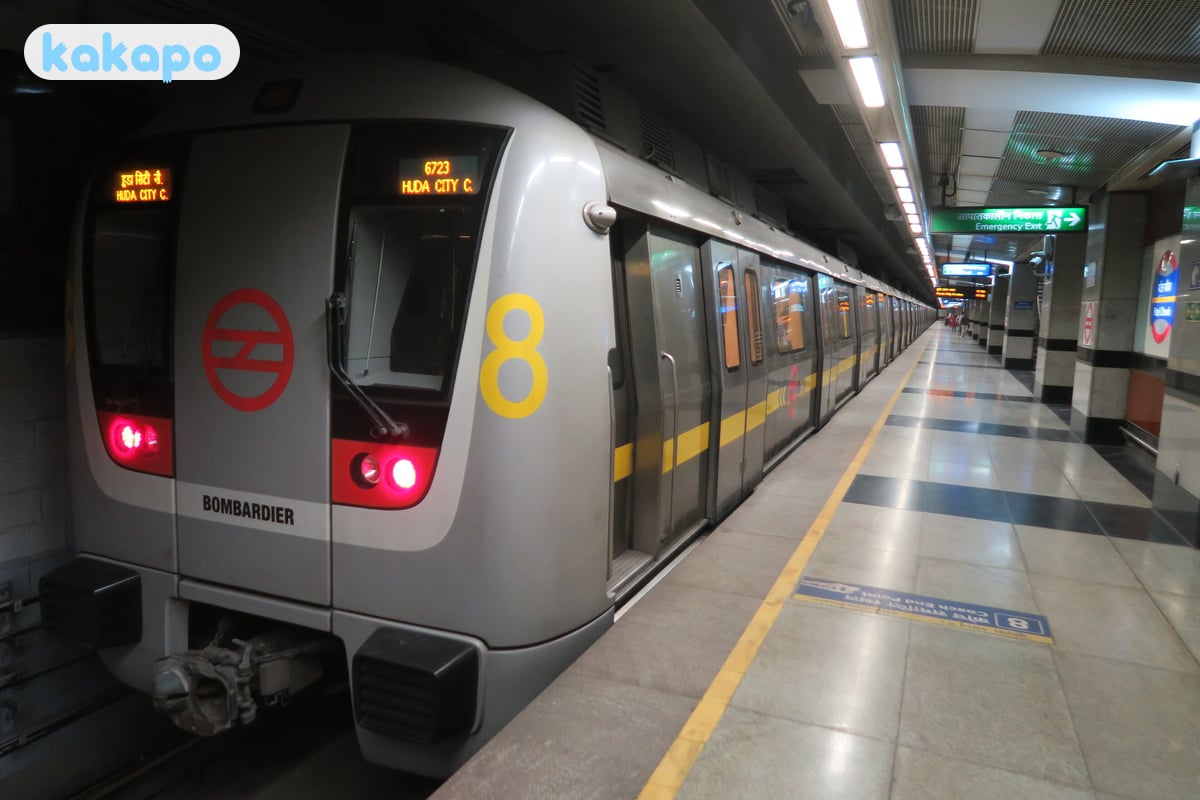
- Delhi Metro: world-class. Use it. ₹10-60 per ride. Women-only carriage on every train.
- Uber / Ola: both work; the realistic recommendation. Cheap by Western standards.
- Avoid auto-rickshaws / street taxis for first-time visits: scam patterns persistent. If you must, use the prepaid auto-rickshaw stands at major stations / airport.
- Indira Gandhi International Airport (DEL): Airport Express Metro to New Delhi station ₹60, 22 min. Uber ~₹500-700. Avoid drivers approaching you in arrivals.
- Don't drive yourself in Delhi.
Areas — South Delhi vs the rest
Recommended for visitors: Hauz Khas (gentrified, restaurants, the village + lake), Connaught Place (heart of New Delhi — by day; less so at night), Khan Market (upscale shopping, embassies), Greater Kailash / Defence Colony (residential, calm), Saket (modern), India Gate (the boulevard, Rajpath).
Visit during the day: Old Delhi (Chandni Chowk, Jama Masjid, Red Fort) — the historic core, dense, atmospheric, scam-heavy. Best with a guide.
Avoid as a tourist: parts of east Delhi at night, some outer Yamuna-bank residential areas. Tourists rarely have reason to be there.
Neighbourhood-by-neighbourhood breakdown
- Connaught Place (CP / Rajiv Chowk) — Lutyens' colonial-era circular commercial heart, the inner (A-F) and outer (M-R) blocks of white colonnaded arcades. Wenger's bakery (since 1926), Indian Coffee House, the original India Tourism Office at 88 Janpath. By day busy, well-policed, the metro pivot. By night the inner circle has rough-sleeper presence in some doorways — fine to walk through, less ideal to linger.
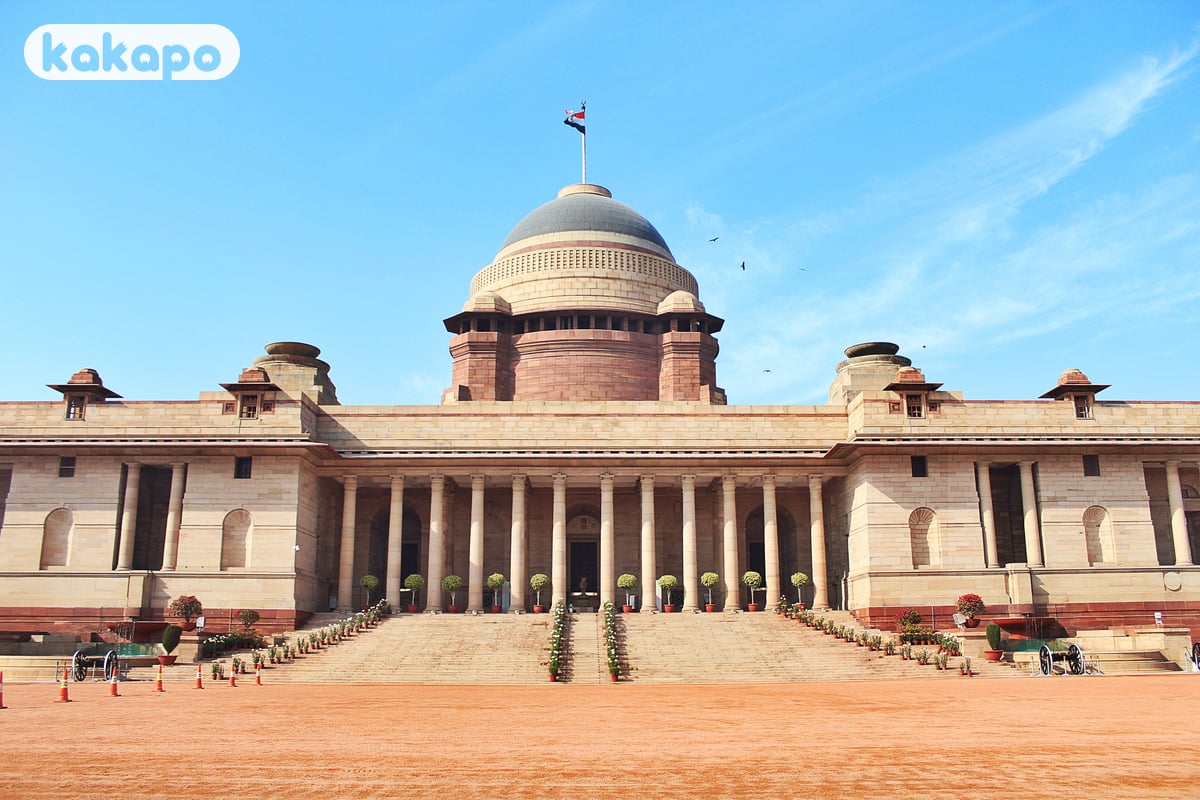
- Khan Market and the Lutyens diplomatic enclave — Khan Market is arguably India's most-expensive retail rent square, the Anokhi/Fab India anchor, Sujan Singh Park residences, the Khan Chacha kebab roll institution. Chanakyapuri (the diplomatic zone) sits adjacent — embassy bungalows, mature trees, the Indian President's estate at Rashtrapati Bhavan, India Gate. Very safe, calm, expensive.
- Hauz Khas and Hauz Khas Village (South Delhi) — the gentrified medieval reservoir, the Hauz Khas Village lanes (Social, Tabula Beach, a dense bar-restaurant scene), the Deer Park. Restaurant-heavy, evening-busy, the South Delhi base of choice for visitors who want walkable nightlife. Comfortable until late.
- Saket and Greater Kailash (GK-1, GK-2) — leafy upper-middle-class residential South Delhi, the Select Citywalk mall in Saket, the M-Block Market in GK-1 (small upscale shopping plaza). Quiet, very safe, several boutique hotels (Roseate, Andaz, smaller heritage haveli stays).
- Defence Colony and Lajpat Nagar — Defence Colony is the elegantly-laid-out armed-forces-veterans residential with a tight restaurant strip on the central market (Sweets Corner, the original Swagath South Indian). Lajpat Nagar Central Market is the dense sari-and-jewellery bazaar feeding diasporic Indian-Punjabi and the Afghan refugee community. Both safe, both worth a visit.
- Old Delhi / Shahjahanabad (Chandni Chowk, Jama Masjid, Red Fort) — the 1648 Mughal walled city, Chandni Chowk's spice and silver bazaars, Karim's and Al Jawahar at the foot of Jama Masjid, the Red Fort (entry INR 600 foreigners), Khari Baoli wholesale spice market. Day-visit territory with a guide; dense, atmospheric, exhausting, and pickpocket-active. Not where to base.
- Paharganj — the backpacker bazaar adjacent to New Delhi Railway Station, cheap guesthouses, hash-tout culture, scam-dense. Avoid solo women bookings here. Use only if you specifically want the backpacker scene and you're paired with someone experienced.
- Aerocity — the airport-hotel cluster on the city's western edge, Pullman, JW Marriott, Holiday Inn, Roseate, Andaz, all 5-10 minutes from IGI. The Worldmark food court is the social anchor. Convenient for early flights or jet-lagged first nights; soulless otherwise.
- Mehrauli and Qutub Minar — South Delhi's medieval Qutub complex (1192, UNESCO), the Mehrauli Archaeological Park's tombs and step-wells. Mid-day visit territory; the area is genuinely interesting and surprisingly under-visited.
- Gurgaon (Gurugram) and Noida — the satellite cities across the Haryana/UP borders. Tech-corporate territory; relevant only if you have business there. Skip for tourism.
If it's your first time visiting
- Best arrival: Indira Gandhi International (DEL) Terminal 3 (international) or T1 (domestic LCC). Take the Airport Express Metro to New Delhi station (INR 60, 22 minutes, every 10 minutes 05:00-23:30) or Uber from the dedicated pickup zone outside Gate 4 (INR 400-700 to South Delhi, 30-60 minutes in traffic). Skip the "freelance taxi" approaches inside arrivals — DEL has had recurring scam patterns at international arrivals for years.
- Pre-book everything for day 1: hotel transfer, a driver for the first day (₹2,500-4,000 for 8 hours through your hotel concierge or RedBus/Savaari), and any Delhi-Agra-Jaipur day-trip in advance. The first-day "winging it" approach is what produces 80% of bad-Delhi-experience reviews.
- Use the Metro and Uber, not autos or street taxis: Delhi Metro is world-class (INR 10-60 per ride, women-only carriage at the front of every train, fully air-conditioned). Uber and Ola are cheap by Western standards and end the fare-negotiation game. Auto-rickshaws are the locals' choice but the tourist-tax markup on foreigners is real.
- Best neighbourhood for your first night: Hauz Khas (Roseate House, Hauz Khas Village boutique stays) for walkable nightlife; Aerocity (JW Marriott, Pullman, Roseate) for jet-lag and early-flight convenience; Khan Market/Lutyens area (The Oberoi, The Imperial, Lodhi) for top-end calm. Skip CP budget hotels and any Paharganj guesthouse on first night.
- Air pollution gear for November-February: pack a proper N95 mask (3M Aura 9332+ or similar), eye drops, throat lozenges. The AQI app on your phone (IQAir or SAFAR-India) is the daily check. On red-alert days (AQI 400+) prioritise indoor activities (museums, Khan Market shopping) and reduce outdoor walking.
- Money: INR ~85 to USD in 2026. HDFC, ICICI, Axis, SBI ATMs everywhere; INR 10,000 per-transaction cap. Always decline DCC. Carry small notes (INR 100, 200) for autos, tips and temple donations.
- Day 1, gentle: morning at India Gate and Rajpath (now Kartavya Path), midday Humayun's Tomb (INR 600 foreigners, less crowded than Red Fort, arguably more beautiful), afternoon Khan Market and the Lodhi Garden walk, evening at Hauz Khas Village for dinner. Skip Old Delhi day 1 — it's overwhelming on jet lag.
- Common rookie mistakes: visiting Nov-Feb without an N95 mask; accepting any "free guide" approach in CP; staying in Paharganj solo; taking auto-rickshaws after dark as a solo woman; trying to do Old Delhi without a guide; feeding monkeys or letting them grab from your hand; drinking unfiltered tap water or eating cold raw vegetables at low-volume places; flying in without a pre-booked driver.
- Dress: shoulders and knees covered everywhere outside hotels and Hauz Khas Village bar scene. Long trousers, kurtas, midi-skirts. Scarf for temple entries (Lotus Temple, Akshardham, Gurudwara Bangla Sahib all require head-covering). Western dress is fine in Khan Market, Aerocity, Hauz Khas — but produces sustained attention in Chandni Chowk and Paharganj.
Practical info — emergency numbers
- National emergency: 112.
- Police: 100.
- Women's helpline: 1091.
- Tourist helpline: 1363.
- Max Smart Hospital Saket: +91 11 2651 5050.
- Apollo Indraprastha: +91 11 7179 1090.
Bring: N95 mask if Nov-Feb, oral rehydration salts, modest clothing, an unlocked phone (Airtel, Jio, Vi prepaid SIMs at the airport — registration paperwork required), a card without foreign-transaction fees, and travel insurance. Tap water not safe; bottled is universal.
Frequently asked questions
Is New Delhi safe to visit in 2026?
Yes for structured visitors but it's the more demanding end of the India tourist circuit. India sits at US State Department Level 2 with explicit Delhi-specific advisories about crime against women and tourist scams; UK FCDO has similar language. Violent crime against tourists is rare; the real concerns are aggressive Connaught Place/Paharganj scams, the genuine women's safety statistics in the National Crime Records Bureau data, the winter air pollution that ranks Delhi as the world's most-polluted major city (Nov-Feb AQI routinely 400-600), and traffic chaos. New Delhi rewards travellers with pre-booked drivers, established South Delhi hotels and daytime sight visits. Our overall score is 64/100.
Is New Delhi safe for solo female travellers?
Possible with structured precautions — thousands of solo women travel here every year without incident, but the published statistics and repeated FCDO/State Department advisories are real and shouldn't be dismissed. Don't take auto-rickshaws or street taxis alone after dark — Uber or Ola exclusively. Stay at established South Delhi hotels (Hauz Khas, Saket, Vasant Vihar) or Aerocity, not Paharganj guesthouses solo. Cover shoulders and knees (not legally required, very practically advised). Use the women-only Metro carriage at the front of every train. Avoid solo evening walks including in Connaught Place after dark. If harassed, make noise — Indian onlookers do intervene. Helplines: 112, 1091 (women).
How bad does air pollution actually get in winter?
Worst of any major city in the world for several months a year. November-February AQI routinely sits at 400-600 ('hazardous' to 'severe'), with some days exceeding 800 ('emergency'). Effects on visitors: persistent cough, eye and chest irritation, severe asthma flares, and measurable lung-function decline over multi-day exposures. Bring a proper N95 mask if visiting Nov-Feb — cheap surgical or cloth masks don't filter PM2.5. Even the Taj Mahal closes during severe smog episodes so build flexibility into Golden Triangle itineraries. Best windows: October (post-monsoon, pre-winter pollution) and February-March (warming and clearer). Summer April-June has the opposite problem — 45°C+ heatwaves but cleaner air.
What scams should I expect around Connaught Place?
Several recurring patterns. The 'free guide' pitch where a friendly local offers to show you Delhi for a small tip ends at a carpet shop, spice market or 'VIP government tourist office' with high-pressure sales. The only genuine India Tourism Office is at 88 Janpath — anywhere else calling itself a 'Government Tourist Office' is a private commission agent. The 'your hotel is closed' scam: drivers tell you your booked hotel is full and redirect to commission alternatives — call your hotel before getting in any vehicle. 'Festival road closure' detours are rarely true. Photo scams with women, children or monkey-handlers demand payment after the shot. Paharganj backpacker hotels are cheap but scam-dense — prefer Hauz Khas, Defence Colony or Greater Kailash.
Where in New Delhi should I actually stay?
South Delhi or business districts give the cleanest experience. Hauz Khas (gentrified, restaurants, the village and lake) is the sweet spot for first-time visitors. Khan Market is upscale shopping next to embassies. Greater Kailash and Defence Colony are calm residential. Saket has modern hotels and is close to Qutub Minar. Aerocity (the airport hotel cluster) is the realistic choice if you have an early flight. Connaught Place is the heart of New Delhi by day and convenient but loses polish at night. Avoid solo Paharganj stays — the backpacker hub adjacent to New Delhi Railway Station is gritty and scam-dense. Old Delhi (Chandni Chowk, Jama Masjid, Red Fort) is incredible to visit by day with a guide but not where to base yourself.
Can you drink tap water in New Delhi?
No — stick firmly to bottled or filtered. New Delhi tap is treated but the distribution network and your hotel's storage tanks make it unsafe for short-stay visitors. Bottled water is cheap (INR 20-40 for 1.5L) and ubiquitous. Avoid ice from unfiltered sources, raw vegetables and street fresh juice unless vendor turnover is obviously high. Hotel-restaurant ice (industrial cylinder with the hole) is generally safe. Carry Imodium and oral rehydration salts (Electral) — 'Delhi belly' affects most first-time visitors and typically clears in 24-48 hours. Brushing teeth with bottled is the safest standard; tap is generally fine for short stays. The Delhi heat (April-June 45°C+) makes hydration non-negotiable.
Sources
Run a business in New Delhi?
Show visitors your New Delhi business is a safe choice. The free Verified by Kakapo badge puts New Delhi's live safety score on your website, links back to your verified page, and updates itself. No cost.
Get the free badge →