


Is Lyon, France Safe? A 2026 Travel Safety Guide
Vieux Lyon stairs, Part-Dieu pickpockets, summer heat in the basin, and the realistic visitor risks of France's gastronomic capital.

Lyon is consistently among France's safer big cities — calmer than Paris, more polished than Marseille. The realistic visitor concerns are pickpocketing on Metro line A and at Part-Dieu / Perrache stations, the slippery cobbled stairs of Vieux Lyon and Croix-Rousse, the genuine summer heat (Lyon sits in a basin and bakes), and the Friday-Saturday late-night around the Opera quarter.
France sits at low advisory levels. Crime against tourists in central Lyon is moderate; pickpocketing concentrated at Part-Dieu and on the busy Metro routes. Violent crime against tourists rare.
The honest framing for first-time visitors: Lyon is France's gastronomic capital and one of Europe's most under-rated tourist cities. Two UNESCO-listed historic districts (Vieux Lyon and Croix-Rousse), the world's best bouchon restaurants, the Roman amphitheatre on Fourvière hill. Calm, walkable, photogenic.
Visiting Lyon for the first time, the thing that catches most travellers off-guard isn't crime — it's how genuinely good the food is and how easily you fall into a daily rhythm of bouchon lunches, café terraces and quenelles. Lyon takes its gastronomic capital title seriously: a proper bouchon lunch (entrée + plat + dessert + pichet of Beaujolais) runs €22-28 at Café Comptoir Abel, Daniel et Denise or Le Garet, and the locals eat like this on a normal Tuesday. The greeting is "Bonjour" before evening, "Bonsoir" after, in every shop and bistro — using English first without "bonjour" reads as rude. "Lyonnais" specialities are unapologetic: andouillette, tablier de sapeur, salade lyonnaise with frisée and lardons, tarte aux pralines roses. The neighbouring Beaujolais and Côtes du Rhône wines are €4-6 a glass at any bouchon.
In 2026, the specific things that have changed since pre-pandemic include: TCL tap-to-pay rolled out on every metro, tram, funicular and bus reader (€2 single, €6.40 day pass); the post-2016 visible armed Sentinelle patrols continue at Part-Dieu and major monuments; the Rhônexpress airport tram-train remains the standard arrival (€17, 30 min to Part-Dieu); the new bouchon-certification "Bouchon Lyonnais Authentique" label has cleaned up some tourist-trap pretenders in Vieux Lyon (look for the label); and the Fête des Lumières (5-8 December) crowd control has been visibly tightened post-pandemic with timed-entry zones around the densest installations — pre-book accommodation 4-6 months out.
| Night safety | 69/100 |
|---|---|
| Scam / petty-crime risk | Medium |
| Violent crime (tourists) | Low |
| Most common scams | petition / 'deaf-mute' clipboard at Place Bellecour; friendship bracelet at Fourvière; restaurant overcharge in Vieux Lyon |
| Safer neighbourhoods | Vieux Lyon, Presqu'île, Croix-Rousse |
| Data sources cited | 4 |
| Last verified |
What the score means — 79/100
- Healthcare (90) — Hospices Civils de Lyon — second largest hospital network in France. EHIC for EU.
- Transport (88) — TCL metro (4 lines), trams, funiculars, buses. Modern.
- Night (82) — Vieux Lyon, Presqu'île, Croix-Rousse alive late and policed.
- Personal safety (82) — high. Pickpocketing focused at Part-Dieu and Metro line A; otherwise low.
Areas — Vieux Lyon, Presqu'île, Croix-Rousse
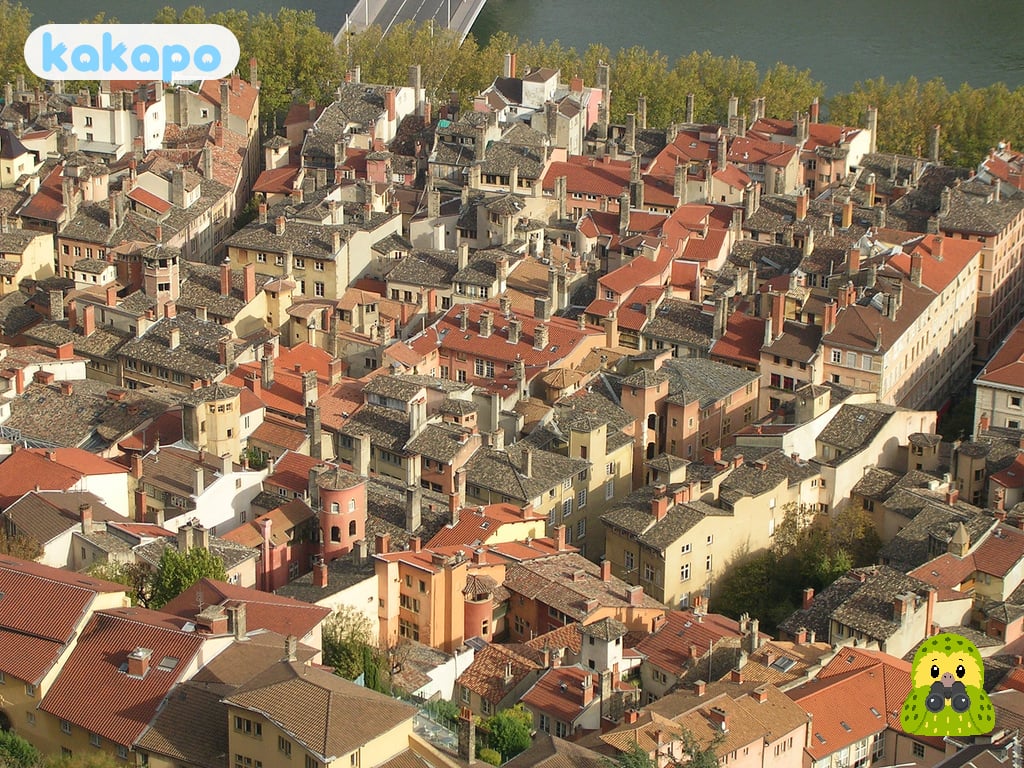
Recommended for visitors: Vieux Lyon (UNESCO Renaissance old town — traboule passages, Saint-Jean cathedral), Presqu'île (the central peninsula — Place Bellecour, Bouchons, shopping), Croix-Rousse (the silk-weavers' historic hill — bohemian, gentrified), Fourvière (the Roman hill, basilica, theatre), Confluence (modern district at the rivers' meeting), Brotteaux (residential, Belle Époque architecture).
Stay aware: parts of Guillotière after midnight (gentrifying multicultural district), around Perrache station at night (rough sleepers).
There are no zones we'd actively tell visitors to avoid in central Lyon.
Part-Dieu and Perrache

- Lyon Part-Dieu: France's second-largest rail hub. Pickpocket-active at peak times. Standard awareness.
- Lyon Perrache: smaller, slightly grittier outside the station entrance.
- Practical: arrive, take Metro A or B, don't linger.
Stairs — Croix-Rousse and Vieux Lyon
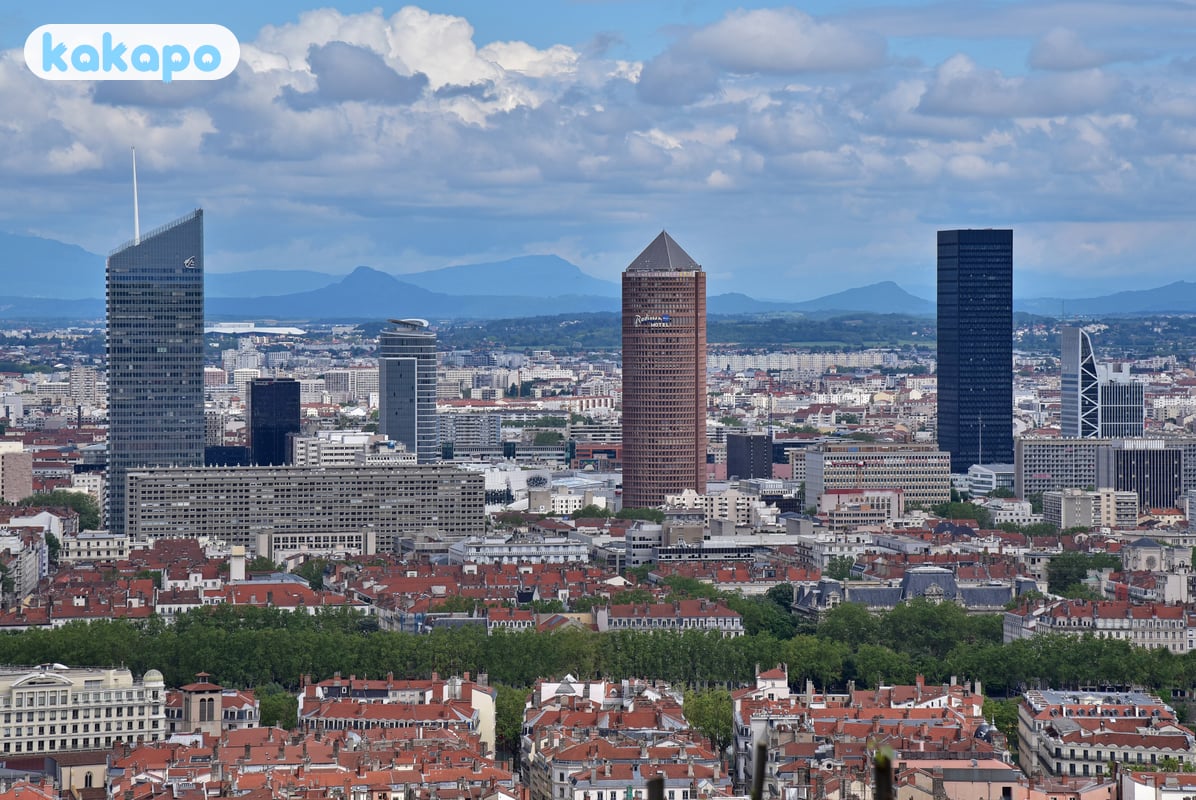
- Lyon is built on hills. Vieux Lyon sits below Fourvière; Croix-Rousse is on its own hill. The "traboule" passages and steep stone staircases connect levels.
- Funiculars (Saint-Jean → Fourvière, Saint-Jean → Saint-Just): covered by the TCL day pass.
- Cobblestones: medieval, slippery when wet. Twisted-ankle injuries common in heels.
- The 365-step climb up Fourvière: steep but rewarding. Better to take the funicular up and walk down.
Scams and street-petition crews
Lyon doesn't have Paris-level scam volume, but the same operators rotate through during high season. The hot zones are Place Bellecour, the Vieux Lyon traboule entrances, the Notre-Dame de Fourvière forecourt, and the Confluence shopping centre.
- Petition / "deaf-mute" clipboard: a young woman with a clipboard asks you to sign for a charity, then demands €20-50 in cash while a partner picks your pocket. Never sign, never reach for your wallet.
- Friendship bracelet at Fourvière: a man on the basilica steps ties a string around your wrist, then asks for money. Walk past with hands in pockets.
- "Found ring" gambit: someone picks up a "gold" ring near your feet, offers it cheap, then demands more once you take it. The ring is brass.
- Restaurant overcharge in Vieux Lyon: a few tourist bouchons charge €30+ for water-and-bread covers not on the menu. Ask for the carte with prices before ordering; pay only what's printed.
- ATM skimming: prefer ATMs inside bank lobbies (Crédit Agricole, BNP, Société Générale) over freestanding street machines around Part-Dieu and Perrache.
Summer heat in the Lyon basin

Lyon sits in a confluence basin between two rivers and the surrounding hills. The basin traps heat in July and August — daytime peaks of 35-38°C are routine, and the city has logged 40°C+ during European heat waves (2003, 2019, 2022, 2023). The basin also makes air quality dip during those weeks; older buildings without AC stay hot well after midnight.
- If you visit June-August: book accommodation with confirmed air conditioning. Many Bouchon restaurants in Vieux Lyon don't have it.
- Hydration: tap water is safe across the city. Carry a refillable bottle; public fountains on Place des Terreaux and along the Rhône banks are drinkable.
- Plages du Rhône (June-Sept): the city sets up sand "beaches" along the Rhône with shade and showers. Free.
- Heat advisories: France uses a national plan canicule with red/orange alerts. Pharmacies have free water-and-shade signage on alert days.
Fête des Lumières — the 8 December weekend
Lyon's signature event runs around 8 December every year (the four nights of 5-8 Dec) and brings 1.5-2 million visitors. Light installations cover every major façade in the centre. The atmosphere is festive, family-friendly, very safe — but crowd density and pickpocket activity both spike.
- Book a hotel 4-6 months ahead. Prices triple. Boutique hotels in Vieux Lyon and Presqu'île sell out by September.
- Metro lines A and D run later (until 02:00) those nights but are packed. Walk between Presqu'île and Vieux Lyon — it's the same route everyone takes and the bridges are part of the show.
- Pickpockets are organised in the dense crowds at Place des Terreaux and Place Bellecour. Bag in front, phone in zipped pocket.
- The other peak: the Nuits Sonores electronic-music festival in late May. Different crowd, same density rules.
Metro, taxis, the airport

Neighbourhood-by-neighbourhood breakdown
- Vieux Lyon (5th arr.) — UNESCO Renaissance old town west of the Saône, traboule passages, Saint-Jean cathedral, cobbled lanes. Heavily tourist-anchored; pickpockets at the traboule entrances. Restaurants on Rue Saint-Jean are tourist-priced — walk one street back for authentic bouchons.
- Presqu'île (1st-2nd arr.) — the central peninsula between the Rhône and Saône. Place Bellecour, the Opera, the shopping streets, the Place des Terreaux fountain. Heavily policed, very safe. The 2nd arr. has the best bouchons (Café Comptoir Abel, Daniel et Denise, Le Garet).
- Croix-Rousse (4th arr.) — the silk-weavers' historic hill north of Presqu'île, gentrified bohemian, the Boulevard de la Croix-Rousse daily market, Mur des Canuts. Calm, lived-in, very safe. The pentes (slopes) connecting down to Presqu'île have the best traboules.
- Fourvière (5th arr.) — the Roman hill west of Vieux Lyon, the Basilique Notre-Dame, the Roman theatre, the panoramic view. Funicular up from Vieux-Lyon. Day-trip and sunset destination, very safe.
- Brotteaux (6th arr.) — east of the Rhône, Belle Époque architecture, Parc de la Tête d'Or (one of France's largest urban parks). Upmarket residential, very safe.
- Confluence (2nd arr.) — the modern district at the rivers' meeting south of Perrache. The Musée des Confluences, the Confluence shopping centre. Very safe, modern, slightly soulless.
- Guillotière (3rd-7th arr.) — east of the Rhône near the centre. Gentrifying multicultural district. Daytime fine and food-rich (Tunisian, Eritrean, Vietnamese); parts after midnight have more visible disorder, particularly the Place du Pont area.
- Around Part-Dieu (3rd arr.) — the central business and rail district. Modern, functional, very safe by day. Some rougher edges immediately around the station at night.
- Around Perrache (2nd arr.) — south Presqu'île, the rail station, rougher than Part-Dieu around the perimeter. Daytime fine, late-night solo less ideal.
If it's your first time visiting
- Best arrival airport: Lyon Saint-Exupéry (LYS), 25 km east. To centre: Rhônexpress tram-train €17 in 30 min to Part-Dieu (the standard option), taxi €60 fixed-rate. Geneva (GVA) or Paris CDG with TGV connection are useful alternatives for long-haul.
- Public transport: TCL metro (4 lines), trams, funiculars, buses. Tap-to-pay on every reader. €2 single, €6.40 day pass, €18.20 three-day. Funiculars to Fourvière and Saint-Just included on the day pass.
- Best neighbourhood for your first night: Presqu'île (1st or 2nd arr.) for centrality and bouchon density, Vieux Lyon for atmosphere, Croix-Rousse for character with a slightly hilly walk. Avoid first-time bookings around Perrache.
- Day 1, jet-lag friendly: walk Place Bellecour to Place des Terreaux, cross the Saône to Vieux Lyon, lunch at a Bouchon Lyonnais Authentique-labelled restaurant (€22-28), funicular up to Fourvière for the basilica and panoramic view, sunset descent on foot through the traboules, dinner at Daniel et Denise or Le Garet (book ahead) for the classic Lyonnais experience.
- Day trips: Beaujolais wine country (1h north by train + driver), Pérouges medieval village (40 min east), Annecy (1h45m east by train), Geneva (2h by TGV), Vienne and the southern Rhône Valley (30 min south). Lyon-Paris is 2h by TGV — practical day trip in reverse.
- Common rookie mistakes: assuming any restaurant called "bouchon" is the real thing (look for the Bouchon Lyonnais Authentique label, or stick to the named classics); ordering andouillette without realising what it is (intestines, strong, divisive); paying for tap water at restaurants (free on request as "une carafe d'eau"); confusing Beaujolais Nouveau (the November release celebration) with proper Beaujolais (the real wine, much better than its reputation); not booking Fête des Lumières accommodation months out (December 5-8 sees 1.5-2 million visitors).
- Bouchon etiquette: most are tiny (8-12 covers), lunch service is sharp (12:00-14:00), reservations essential for dinner. Cash and card both work; round up the bill 5-10%.
- For Fête des Lumières (5-8 December): book 4-6 months ahead, expect tripled hotel prices, walk between Presqu'île and Vieux Lyon (everyone does — it's part of the show), pickpocket-aware in dense crowds.
Practical info — emergency numbers
- European emergency: 112.
- Police: 17.
- SAMU: 15.
- Hospices Civils de Lyon: +33 8 25 08 25 69.
Bring: shoes with grip for the cobbles, a card without foreign-transaction fees, an unlocked phone (French SIM at the airport), and travel insurance. Tap water is safe.
Frequently asked questions
Is Lyon safe to visit in 2026?
Yes. Lyon is consistently among France's safer big cities — calmer than Paris, more polished than Marseille. France sits at low advisory levels. Realistic concerns are pickpocketing at Part-Dieu and Perrache stations and on Metro line A, slippery cobbled stairs in Vieux Lyon and Croix-Rousse, and summer heat in the basin (40°C+ during heatwaves) — not violent crime.
Is Lyon safe at night?
Yes. Vieux Lyon, Presqu'île, and Croix-Rousse stay alive late and policed. Walking back to a central hotel from a bouchon dinner at midnight is fine. Quieter zones: parts of Guillotière after midnight (gentrifying multicultural district) and around Perrache station (rough sleepers, not dangerous). No central districts to actively avoid.
Is Lyon safe for solo female travellers?
Yes. Lyon ranks well for solo-female safety among French cities. The bouchon dining culture, dense central neighbourhoods, and well-lit nightlife streets all support solo travel. Standard precautions on Metro line A and at Part-Dieu (pickpocket-active), and Bolt or FREE NOW for late-night distance over walking.
Can you drink tap water in Lyon?
Yes. Lyon's tap water comes from the alluvial water table of the Rhône and is safe and extensively tested. Free at every restaurant on request. Public fountains on Place des Terreaux and along the Rhône banks are drinkable — refill bottles freely.
What's the biggest scam to avoid in Lyon?
The petition/deaf-mute clipboard pattern at Place Bellecour, Vieux Lyon traboule entrances, the Notre-Dame de Fourvière forecourt, and the Confluence shopping centre — a young woman with a clipboard asks you to sign for a charity, then demands €20-50 cash while a partner picks your pocket. Never sign, never reach for your wallet. Other recurring patterns: the friendship bracelet at Fourvière (walk past), the 'found ring' brass-ring gambit, and tourist-trap bouchons in Vieux Lyon charging €30+ for cover charges not on the menu — ask for the carte with prices before ordering.
When is Fête des Lumières and is it safe?
Around 8 December every year — the four nights of 5-8 Dec bring 1.5-2 million visitors. Atmosphere is festive, family-friendly, and very safe; but crowd density and pickpocket activity both spike sharply at Place des Terreaux and Place Bellecour. Book accommodation 4-6 months ahead (prices triple). Metro lines A and D run until 02:00 those nights but are packed — walking between Presqu'île and Vieux Lyon is the same route everyone takes, and the bridges are part of the show. Bag in front, phone in zipped pocket.
Sources
Run a business in Lyon?
Show visitors your Lyon business is a safe choice. The free Verified by Kakapo badge puts Lyon's live safety score on your website, links back to your verified page, and updates itself. No cost.
Get the free badge →