


Is Las Vegas, United States Safe? A 2026 Travel Safety Guide
Strip pickpockets, summer heat (45°C+), Grand Canyon helicopter day trips, drink-related incidents, and the realistic risks of America's biggest tourist destination.

Las Vegas's tourist core (the Strip and Downtown's Fremont Street) is one of the more heavily-policed and CCTV-monitored urban areas in the US. Crime against visitors is concentrated in pickpocketing and drink-related incidents rather than violent crime against tourists, which is uncommon.
The realistic risks for visitors are pickpockets and bag-thefts on the busy Strip and at major casino entrances, the extreme summer heat (Vegas regularly tops 45°C in July), the genuine pedestrian-crash risk on Las Vegas Boulevard (crossing on the wrong corner is a real injury source), drink-related incidents (over-pour culture + 24h drinking + heat = blackouts and falls), and the day-trip risks of Grand Canyon helicopter tours and Hoover Dam heat.
The honest framing for first-time visitors: Vegas is large (~660,000 in city, 2.3 million metro), but visitors mostly stay on the Strip — a 7-km hotel-and-casino corridor that functions as its own economy. Most don't see the rest of Vegas at all.
| Solo female safety | 80/100 |
|---|---|
| Night safety | 56/100 |
| Scam / petty-crime risk | Medium |
| Violent crime (tourists) | Low |
| Most common scams | pickpockets on the Strip; costumed character hustle near Caesars and Bellagio; CD seller hustle |
| Safer neighbourhoods | the Strip, Fremont Street, Downtown Vegas |
| Data sources cited | 4 |
| Last verified |
What the score means — 72/100
- Healthcare (84) — Sunrise and University Medical Center are major facilities.
- Transport (82) — the Strip is walkable; the monorail + buses fill gaps; rideshare ubiquitous.
- Air quality (80) — moderate-good. Desert dust, summer heat haze.
- Personal safety (78) — Strip is well-policed; off-Strip neighbourhoods have higher crime rates but you wouldn't end up there.
Summer heat — the genuine risk
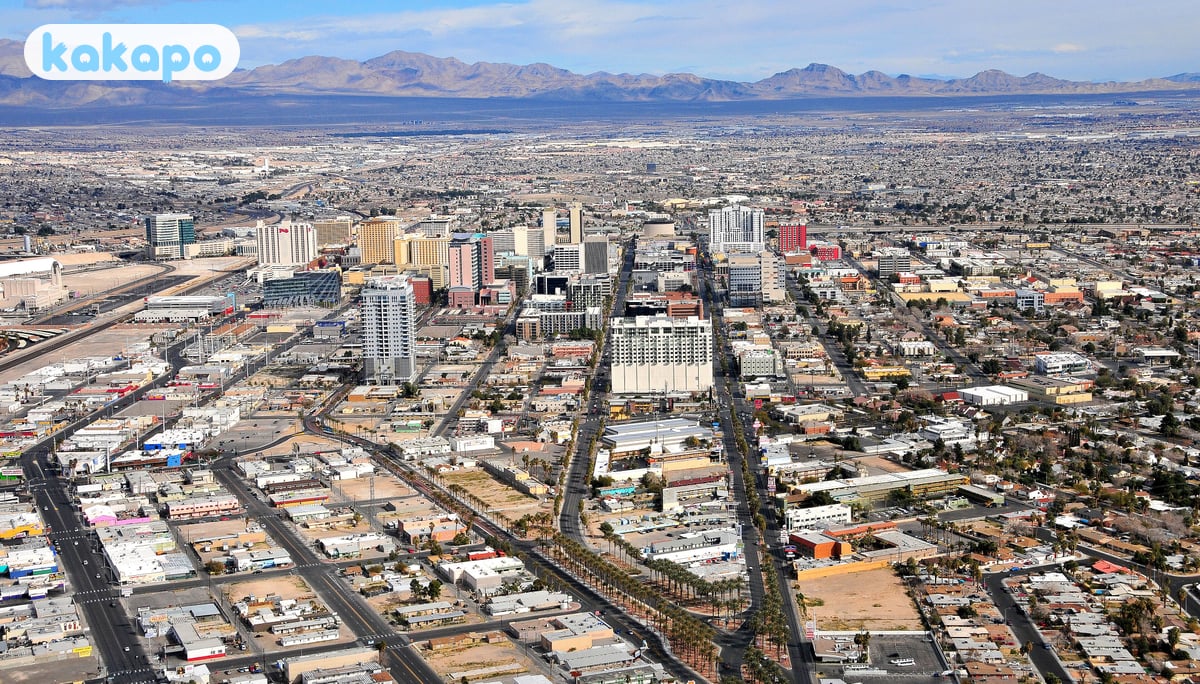
- July-August: 38-46°C standard, occasional 48°C+. The desert.
- Heat illness: heat exhaustion (headache, nausea, dizziness) progressing to heat stroke (confusion, hot dry skin, no sweating). Several visitor deaths each year, mostly at outdoor sites (Hoover Dam, Red Rock Canyon, Grand Canyon).
- Hydration: 4-6L water minimum on hot days outdoors. Don't drink alcohol all day in heat.
- Walking the Strip: 7 km end-to-end. In summer heat, do indoor casino-hopping with mid-day breaks; not a daytime walking tour.
- The pedestrian bridges: covered crossings at major intersections. Use them — and the casino interiors as A/C cool-down stops.
- Best season: October-April. December-February is genuinely cool (10-18°C).
The Strip — pickpockets and crossing the road
- Pickpockets: present in the densest crowds, especially New Year's Eve, F1 weekend, big fight nights. Front pocket only; daypack in front in crowds.
- "Costumed character" hustle: characters offer photos, then demand $20+ tip. Most are fine but firmer-tip-pressure ones operate on the Strip near Caesars and Bellagio.
- "CD seller" hustle: similar — hands you the CD, demands payment.
- Pedestrian crashes on Las Vegas Boulevard: real and recurring. Always use the bridges/crosswalks; jaywalking on the Strip can be fatal.
- Walking back to your hotel at 3am: stick to the Strip's main routes. Off-Strip side-street walking is sketchier.
Drinking culture — the over-pour issue
- Las Vegas casinos: legally serve free drinks to active gamblers; pour heavy-handed; 24/7.
- The result: visitor blackout drunkenness is a notable Vegas pattern. Falls, missed flights, lost wallets, hotel-bill surprises.
- Drink-spiking: rare but reported in pool-club and nightclub environments. Watch your drink.
- Pool-day heat + alcohol: the dangerous combination. Several visitor heat-stroke fatalities each year combine these.
- Hotel-room brought-back-strangers: theft from rooms is a notable Vegas crime pattern. Use room safes; don't bring strangers to rooms.
Day trips — Grand Canyon, Hoover Dam, Red Rock
- Grand Canyon West (Skywalk): 2.5h drive. The closest part of the Grand Canyon to Vegas. Crowds tour-bus heavy.
- Grand Canyon South Rim: 4.5h drive. The proper experience. Long day; better as overnight.
- Helicopter tours: spectacular and risky. Several fatal Grand Canyon helicopter crashes have happened over the years; reputable operators (Maverick, Papillon, Sundance) have good safety records but it's still a real risk. Confirm operator safety record.
- Hoover Dam: 45 min from Vegas. Hot in summer (45°C+) on the dam-deck; little shade. Bring water.
- Red Rock Canyon: 30 min west. Desert hiking; same heat warnings.
- Death Valley: 2h north. Hottest place on Earth in summer (54°C records). Many visitor heat-related deaths over the years. Don't go in summer; September-March is OK.
- Driving in summer: car AC failures and breakdowns in 45°C are dangerous. Carry water + phone with full battery.
Transport, monorail, the airport
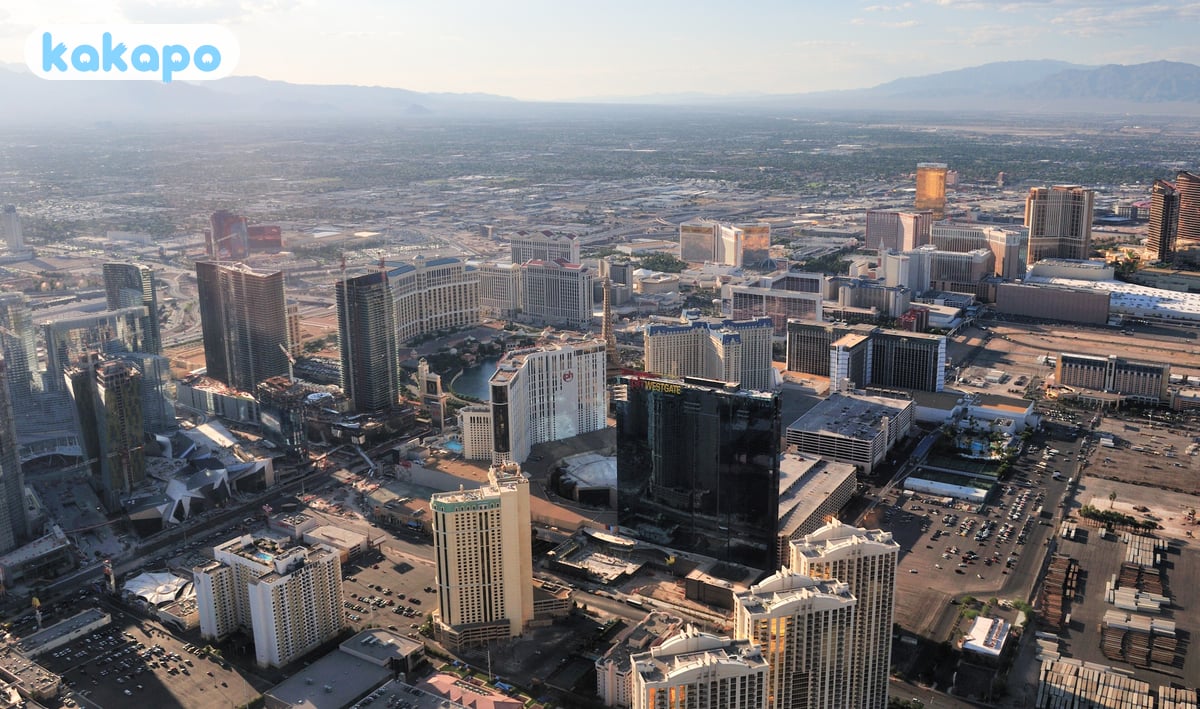
- The Las Vegas Monorail: 4-mile line along the east side of the Strip. $5 single, $13 day pass.
- Strip casino-to-casino trams: free, link a few specific casino pairs.
- The Vegas Loop (Tesla tunnel): opened 2021; expanding. Goes under the convention center; convenient for that route.
- Buses (RTC): extensive; less tourist-relevant.
- Uber + Lyft: ubiquitous, cheap.
- Harry Reid International Airport (LAS): 5 km from the Strip. Taxi flat-rate $25-30. Uber $15-25 (rideshare pickup is at a remote lot — follow signs).
- Driving: most casinos charge $15-25/night for self-parking; $20-35 for valet. Off-Strip is free.
Off-Strip — what to know
Recommended for visitors off the Strip: Fremont Street / Downtown Vegas (the original casino district, more locals, more atmosphere — Container Park, Fremont Street Experience light show).
Stay aware: North of Stratosphere on Las Vegas Boulevard (sketchy walking territory between Strip and Downtown — drive). Some North Vegas neighbourhoods have higher crime rates but aren't on tourist itineraries.
Money, food, casinos
- Currency: US dollar.
- Tipping: $1-2/drink at casino bars; 18-22% at restaurants; $1-2/bag for porters; $5-20/day for housekeeping.
- Resort fees: most Strip hotels add $40-50/night "resort fee" beyond the room rate.
- Casino chips: cash out before leaving; chips do expire eventually at some casinos.
- Tap water: safe but mineral-heavy.
- Cost: shoulder seasons (Jan-Feb, Aug-Sep) cheapest. Conventions can spike rates 3x.
Practical info — emergency numbers
- Emergency: 911.
- LVMPD non-emergency: 311 (within Las Vegas) or 702-828-3111.
- University Medical Center ER: 702-383-2000.
- Sunrise Hospital ER: 702-961-5000.
Bring: a refillable water bottle, hat, sunscreen, comfortable shoes (you'll walk further than expected), a contactless card, an unlocked phone, and US-valid travel insurance with full medical coverage.
Frequently asked questions
Is Las Vegas safe to visit in 2026?
Yes — the Las Vegas Strip and Downtown's Fremont Street are among the most heavily-policed, CCTV-monitored urban environments in the US. Crime against visitors is concentrated in pickpocketing and drink-related incidents rather than violent crime, which is uncommon in the tourist zones. The realistic risks are pickpockets on the Strip, the extreme summer heat (Vegas regularly tops 45°C in July), genuine pedestrian-crash risk crossing Las Vegas Boulevard outside the pedestrian bridges, drink-related blackouts from heavy free casino pours combined with heat, and the day-trip risks of Grand Canyon helicopter tours and Death Valley/Hoover Dam heat.
Is Las Vegas safe at night?
Yes on the Strip and Fremont Street. The main tourist corridors are heavily patrolled, brightly lit, and busy 24/7 — incident rates are low. The danger zones are stepping off the Strip into the side streets at 3am (especially north of Stratosphere toward Downtown — drive, don't walk), and the predictable casino-night-out pattern of heavy drinking, lost wallets, falls and hotel-room thefts from "brought-back" strangers. Use room safes, never leave anything in a rental car, and book Uber/Lyft rather than walking off-Strip late.
Is Las Vegas safe for solo female travellers?
Yes — the Strip is one of the easier US destinations for solo female travel because of the saturating police and CCTV presence and the round-the-clock crowds. Drink-spiking is reported in some pool clubs and nightclubs, and the over-pour casino culture amplifies any individual's risk — supervise drinks, decline opened drinks from strangers, and use Uber/Lyft for the ride back. Don't bring strangers to your hotel room; theft from rooms is a notable Vegas crime pattern. On Grand Canyon day trips, choose a reputable operator and follow heat-illness precautions.
Can you drink tap water in Las Vegas?
Yes — Vegas tap water is sourced from Lake Mead, treated by the Las Vegas Valley Water District to EPA standards, and is safe everywhere in the city and on the Strip. The taste is mineral-heavy because of desert geology; many visitors prefer bottled but tap is genuinely safe. A refillable bottle is essential in summer — heat exhaustion is the most common visitor medical emergency.
What's the biggest scam to avoid in Las Vegas?
Costumed-character photo hustles on the Strip near Caesars and Bellagio (the photo is fine; the demand for $20+ "tips" afterwards is the catch — agree on the price before the photo, or politely decline). CD-seller hustles work the same way. "Discount helicopter tour" booths and time-share-pitch "welcome desks" off the Strip pull people into 4-hour sales presentations. Hotel resort fees of $40-50/night are baked into bills beyond the booked rate — check before booking. Counterfeit show tickets on resale sites are common; buy directly through official channels (Ticketmaster, individual show sites, hotel concierges).
How dangerous is the summer heat in Vegas?
Genuinely dangerous, and tourists are over-represented in heat fatalities. July and August routinely run 38-46°C with occasional 48°C-plus days, and outdoor sites like Hoover Dam, Red Rock Canyon and Death Valley see several visitor deaths each summer. The classic mistake is combining alcohol with all-day pool exposure. Drink 4-6 litres of water on hot outdoor days, don't drink alcohol all day in heat, walk the Strip in short indoor-AC hops via the casino interiors and pedestrian bridges rather than as a daytime tour, and treat any visit to Death Valley as a winter (October-March) destination only. Car AC failures in 45°C are dangerous — carry water and a charged phone on any drive.
Sources
Run a business in Las Vegas?
Show visitors your Las Vegas business is a safe choice. The free Verified by Kakapo badge puts Las Vegas's live safety score on your website, links back to your verified page, and updates itself. No cost.
Get the free badge →