


Is Cusco, Peru Safe? A 2026 Travel Safety Guide
Altitude is the headline risk, the Plaza de Armas pickpockets are the next, and the road-blockage protests can derail your Machu Picchu trip.

Cusco's defining safety story is altitude. At 3,400m above sea level — twice as high as Denver — acute mountain sickness affects a meaningful fraction of unprepared visitors, and severe cases are genuinely life-threatening. Crime against tourists is otherwise moderate; pickpocketing concentrated at Plaza de Armas and on the Sacred Valley tourist circuit; violent crime against tourists rare.
Peru sits at Level 2 on the US State Department's advisory ("exercise increased caution") — the higher-risk zones (parts of the VRAEM in the central jungle, parts of the Colombian border) are far from Cusco and the Sacred Valley. Cusco itself, Aguas Calientes, and Machu Picchu are the country's tourism heartland with established infrastructure and visible police presence.
The 2022-2024 political-protest period saw Machu Picchu access blocked multiple times by road blockades — the Indian-rights and Castillo-supporter protest movements occasionally shut down the rail link or the Aguas Calientes road. The 2024-2025 environment has been calmer, but it's worth checking the FCDO advisory and PromPerú updates for the week of your trip.
Geographically Cusco sits in a steep Andean bowl: Plaza de Armas at the bottom (3,400m), and the four colonial neighbourhoods climbing the hills around it like the petals of a flower. San Blas climbs north-east — the cobbled artist's quarter with the white houses and the panoramic-restaurant strip. San Cristóbal climbs north-west to the Sacsayhuamán fortress overlooking the city. San Pedro and Santiago drop south-west toward the central market and the train stations. Most visitors stay within a 600m radius of Plaza de Armas; the further you climb in any direction, the harder the altitude hits. The Sacred Valley (Valle Sagrado) — Pisac, Urubamba, Ollantaytambo — sits 600m lower at 2,800-2,900m, making it the smart first-night base for visitors arriving from sea level.
| Night safety | 49/100 |
|---|---|
| Scam / petty-crime risk | Medium |
| Violent crime (tourists) | Low |
| Most common scams | pickpocketing at Plaza de Armas; photo with a llama scams; fake Machu Picchu tickets sold by touts |
| Safer neighbourhoods | Plaza de Armas / Centro Histórico, San Blas, Sacred Valley |
| Data sources cited | 4 |
| Last verified |
What the score means — 69/100
- Night (84) — Cusco's central tourist zone (Plaza de Armas, San Blas) is alive late and well-policed. The narrow lanes are atmospheric and safe.
- Personal safety (76) — moderate. Pickpocketing at Plaza de Armas and on the Sacred Valley tour stops; otherwise low-violence.
- Transport (72) — buses, taxis, Uber, the PeruRail train to Machu Picchu. The strikes occasionally affect access.
- Healthcare (64) — the lowest sub-band. Cusco has private clinics (Clínica San Juan de Dios, Clínica Pardo) but serious altitude-related cases evacuate to Lima. Travel insurance with air-evacuation cover essential.
Altitude — the actual #1 risk
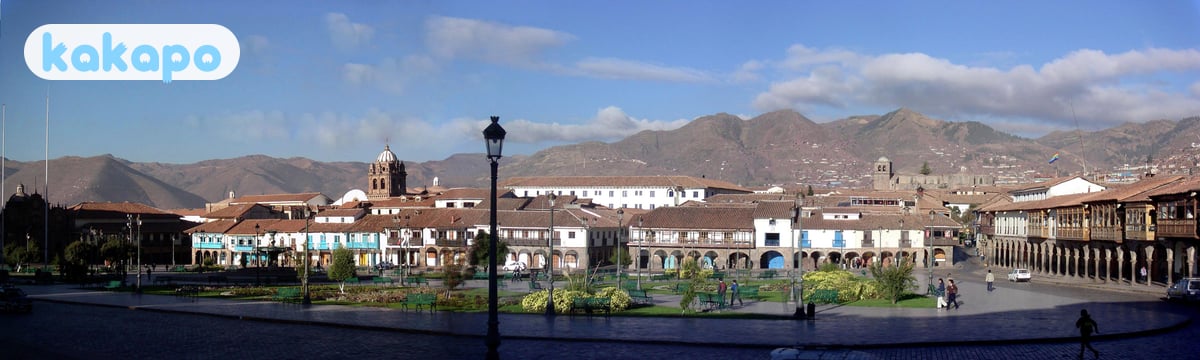
Cusco at 3,400m is high enough that altitude affects most visitors, sometimes severely. This is the section to actually read before your trip.
- Day 1 symptoms for most visitors: mild headache, breathlessness on stairs, tiredness, slightly disrupted sleep. Normal acclimatisation.
- Acute Mountain Sickness (AMS): persistent severe headache, nausea, vomiting, dizziness. Affects ~30% of visitors at this altitude. Treatment: rest, hydrate, descend if severe.
- High-Altitude Pulmonary Edema (HAPE) and Cerebral Edema (HACE): rare but life-threatening. Symptoms: shortness of breath at rest, gurgling cough, confusion, ataxia. Descend immediately and seek medical attention. Multiple tourist deaths from HAPE/HACE happen annually in the Cusco region.
- Coca tea / coca leaves: traditional altitude aid; mild effect; available in every hotel and corner shop. Safe.
- Diamox (acetazolamide): prescription medication that helps acclimatisation. Discuss with your doctor before the trip.
- Don't drink heavily on day 1. Don't smoke. Hydrate aggressively (3+ litres/day).
- Acclimatise in Cusco for 2-3 days before doing the Inca Trail or higher hikes (4,200m passes).
- Sacred Valley altitude is lower (Urubamba 2,870m, Ollantaytambo 2,790m). Some visitors choose to acclimatise there instead — gentler.
- Machu Picchu (2,430m) is actually lower than Cusco. The trip down is restful.
Plaza de Armas and pickpocketing

- Pickpocket teams work the Plaza de Armas at peak afternoon hours, especially around the cathedral entrance and the picture-taking spots. Phone in front pocket.
- "Photo with a llama" scams: women in traditional dress with llamas approach for a "free photo," then demand 20-50 soles. Agree the fee beforehand (5-10 soles is fair).
- "Where are you from?" + extended conversation: most are genuinely friendly. A few are setups for shop-redirect or "let me show you a special bar" pitches that end at clip-joints.
- Fake Machu Picchu tickets sold by touts. Buy only at the official MINCETUR ticket office in Aguas Calientes or via the official online portal.
- "I'll get you a cheap Inca Trail permit": permits are limited and sold months in advance. Anyone offering a "last-minute" permit is selling fake or stolen.
Machu Picchu access — and the strike risk
- Permits: Machu Picchu requires a timed entry ticket purchased in advance. Bookable at tuboleto.cultura.pe. Daily caps; sold out 2-4 weeks ahead in peak season.
- Train + bus access: PeruRail or Inca Rail from Ollantaytambo or Cusco to Aguas Calientes (90 min - 4h depending on origin), then bus up to the citadel.
- Inca Trail: 4-day classic trail, 500 permits/day, sold out 4-6 months ahead. Reputable operators only (Llama Path, Wayki Trek, Alpaca Expeditions, SAS Travel).
- Strike risk: in 2022-2023 multiple political-protest periods produced road blockades that cut Aguas Calientes off from the rest of Peru. Trains stopped; tourists stranded for days. The situation has been calmer since 2024 but isn't permanently resolved.
- Travel insurance with strike/political-disruption cover useful.
- Buy buffer days: don't book Machu Picchu on the last day of your trip. Build 2-3 day flexibility.
- Latest situation: check FCDO Peru and PromPerú website before departure.
Taxis, buses, Uber, and the airport
- InDriver and Uber: both work in Cusco. Cheaper than haggled street taxis.
- Street taxis: agree fare before getting in. Centro to airport ~20 soles; Plaza de Armas to Sacsayhuamán ~10 soles.
- Don't take random unmarked taxis at night. Use rideshare or have your hotel call one.
- Buses to Sacred Valley: cheap and frequent from Cusco's terminal. Most tourists go with day-tour operators.
- PeruRail to Machu Picchu: pre-book; tickets sell out. 3 service classes (Expedition, Vistadome, Hiram Bingham).
- Cusco Airport (CUZ): 10 min from central Cusco. Domestic flights from Lima ~75 min.
Areas — Cusco's safe and welcoming
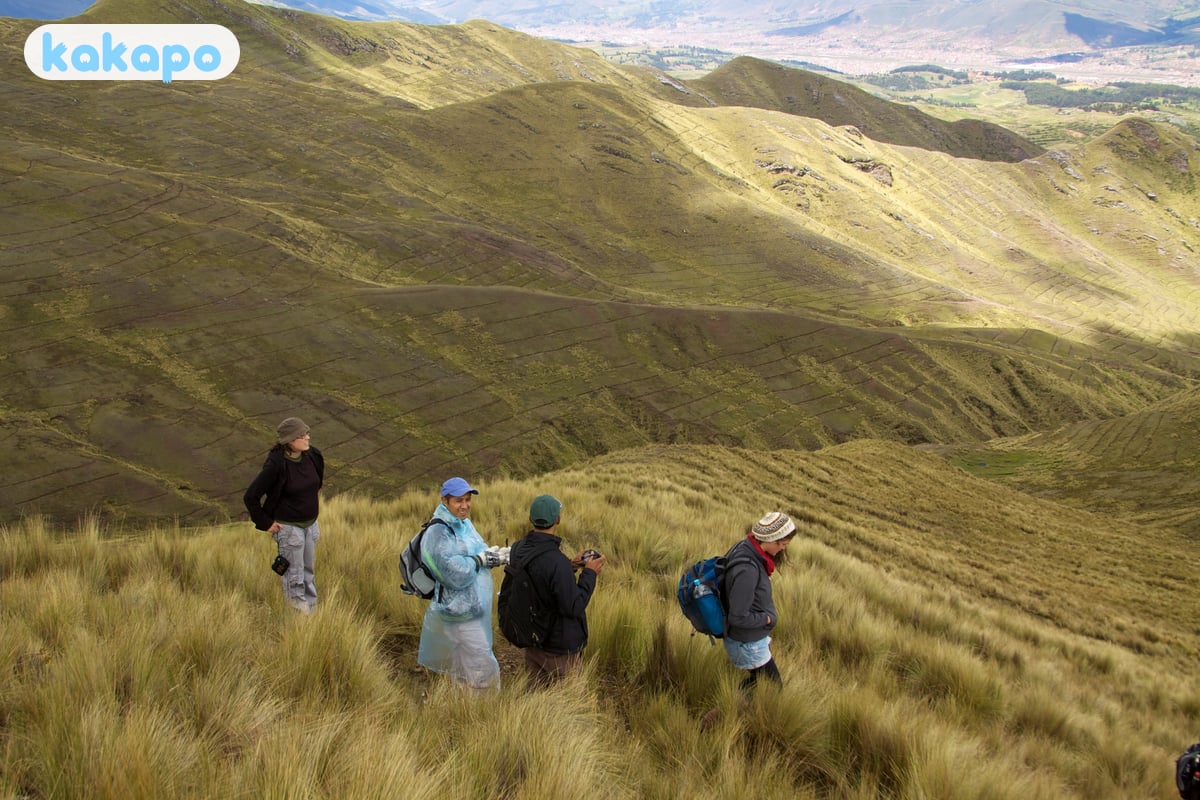
Recommended for visitors: Plaza de Armas / Centro Histórico (the main tourist zone), San Blas (the artisan neighbourhood up the hill — bohemian, restaurants, very photogenic), San Pedro / San Cristóbal (markets and historic), Avenida El Sol (commercial, modern hotels).
Sacred Valley: Pisac, Urubamba, Ollantaytambo, Yucay. All very safe, more relaxed than Cusco.
Aware after dark: San Cristóbal hill area at night (atmospheric narrow streets, walk in pairs after midnight), parts of San Sebastián and Wanchaq outer suburbs (residential, no tourist relevance).
There are no specific "no-go" zones for tourists in Cusco proper.
Neighbourhood-by-neighbourhood breakdown
- Plaza de Armas and Centro Histórico — the ceremonial heart, the Cathedral, La Compañía Jesuit church, the colonial arcades, the iconic Inca-foundation walls. Heavily touristed and policed; restaurants and bars run to 23:00-01:00. Pickpocket teams work the afternoon peak — phone in front pocket near the cathedral entrance.
- San Blas — the bohemian artist's quarter climbing north-east from the plaza on steep cobbled lanes. White houses with blue doors, the panoramic restaurant strip (Limbus, Pachapapa), workshops (Hilario Mendívil's family on Plazoleta San Blas), the early-morning San Blas Sunday market. The base of choice for visitors who want character.
- San Cristóbal and Sacsayhuamán — climbing north-west from the plaza up to the Sacsayhuamán fortress at 3,701m (an extra 300m of altitude — feel it on the walk). The Cristo Blanco statue overlooks the city. Day-visit territory; San Cristóbal lanes are atmospheric but empty late.
- San Pedro and the Central Market — south-west of the plaza, the working San Pedro Mercado Central (built by Eiffel's engineers), juice stalls, fresh ingredients, the choclo-con-queso institution. Cheap, real, slightly chaotic.
- Santiago and Coricancha — south of the plaza, the Coricancha (the Inca Sun Temple, now Santo Domingo monastery), the wider commercial zone. Avenida El Sol runs through with the modern hotels and the bus to the airport.
- Wanchaq and San Sebastián — outer modern residential, no tourist anchor, useful only if you have a specific reason.
- Sacred Valley villages — Pisac (the market and citadel, 32 km), Urubamba (the valley's largest town, the agricultural heart, 2,870m), Ollantaytambo (the citadel and the PeruRail train station to Machu Picchu, 2,790m), Yucay (smaller, calmer, several heritage hotels). All 600m lower than Cusco — gentler acclimatisation base.
- Aguas Calientes (Machu Picchu Pueblo) — the cramped one-street town below Machu Picchu, the train station, the hot springs, the bus to the citadel. Touristy and inflated; one night only.
- Stay aware — Cusco proper has no specific "no-go" tourist zones. The upper San Blas lanes after midnight are quiet rather than dangerous; outer Wanchaq/San Sebastián are residential and irrelevant. Don't walk back from Sacsayhuamán alone at night — descent in the dark is the practical risk.
If it's your first time visiting
- Best arrival: Velasco Astete International (CUZ) sits 10 minutes east of central Cusco — flights from Lima (~75 min, LATAM, Sky, JetSmart) or direct from Bogotá. Many visitors fly through Lima same-day; better to overnight in Lima first to break the altitude jump. Pre-paid taxi from CUZ to centre is 25-30 soles; Uber/InDriver works (15-20 soles).
- Acclimatise smart: don't try the Inca Trail or Rainbow Mountain on day 1-2. Spend the first 48 hours in Cusco (or better, in the Sacred Valley at 2,800m) drinking coca tea, walking gently and sleeping. If you're going straight from sea level to Cusco, consider starting your Diamox (acetazolamide) 24 hours before the flight — discuss with your GP.
- Best neighbourhood for your first night: lower-altitude Sacred Valley (Urubamba, Ollantaytambo — Sol y Luna, Inkaterra Hacienda, Tambo del Inka) for genuinely gentler acclimatisation; San Blas (Quinta San Blas, Casa San Blas, Antigua Casona) for Cusco character; near Plaza de Armas (Palacio del Inka, JW Marriott El Convento, Inkaterra La Casona) for the convenience-and-views package.
- Pre-book Machu Picchu permits and PeruRail tickets: Machu Picchu's daily caps sell out 2-4 weeks ahead in peak season (June-August, December) — buy at tuboleto.cultura.pe before the trip. Add Huayna Picchu or Machu Picchu Mountain summit if you want the climb (additional permit, sells out faster). PeruRail Vistadome or Inca Rail 360 are the comfortable middle-class trains; the Hiram Bingham is the luxury option ($600+ one-way).
- Money: Peruvian sol (PEN), ~3.7 to USD in 2026. ATMs (BCP, Interbank, Scotiabank) cluster around Plaza de Armas. Always decline DCC. Carry small notes for autos, market purchases and tips (5-10% in restaurants if service charge not included).
- Day 1, very gentle: morning walking the Plaza de Armas, Cathedral and Coricancha at a slow pace; lunch at Pachapapa or Cicciolina; afternoon nap; early evening coca tea and a low-altitude restaurant within 200m of the hotel. Don't drink alcohol day 1. Don't climb up to Sacsayhuamán day 1.
- Common rookie mistakes: doing the Inca Trail with no acclimatisation; drinking pisco sours on arrival night; ignoring early AMS symptoms ("it's just a headache"); buying Machu Picchu tickets from street touts; arriving without travel insurance that covers air evacuation; wearing thin layers (Cusco is cold at night even in summer); paying full price for "photo with a llama" without negotiating.
- Buffer days for Machu Picchu strikes: 2022-2023 saw multiple political-protest road blockades cutting Aguas Calientes off for days; the 2024-2025 environment has been calmer but not permanently resolved. Don't book Machu Picchu on the last day of your trip — build 2-3 days of flexibility. Check FCDO Peru and PromPerú updates the week of travel.
- The Inca Trail itself: 4-day classic trek, 500 permits/day, sold out 4-6 months ahead (closed February for maintenance). Reputable operators only: Llama Path, Alpaca Expeditions, Wayki Trek, SAS Travel. Salkantay (5-day alternative) doesn't require permits and is increasingly popular as the Inca-Trail-replacement.
Practical info — emergency numbers
- Police: 105.
- Ambulance / Fire: 116.
- Tourist Police (POLTUR): stations at Plaza de Armas — English-speaking. +51 84 235 123.
- Clínica San Juan de Dios (private, Cusco): +51 84 240 387.
- Clínica Pardo: +51 84 240 404.
Bring: layered clothing (Cusco is cold at night even in summer), a hat (the high-altitude sun is intense), Diamox if your doctor approves, oral rehydration salts, sturdy walking shoes, an unlocked phone (Claro Peru, Movistar prepaid SIMs), a card without foreign-transaction fees, and travel insurance with explicit air-evacuation cover. Tap water not safe; bottled is universal.
Frequently asked questions
Is Cusco safe to visit in 2026?
Yes. US State Department lists Peru at Level 2 (exercise increased caution) with Level 4 zones only in the VRAEM jungle and parts of the Colombian border, neither of which are near Cusco. UK FCDO is similar. Cusco itself, Aguas Calientes, and Machu Picchu are the country's tourism heartland with established infrastructure, visible Tourist Police (POLTUR), and Tourism-Police booths at every major site. Crime against tourists is moderate — pickpocketing at Plaza de Armas, occasional photo-and-llama overcharges, fake Machu Picchu ticket touts — but violent crime against tourists is rare. The realistic risks are altitude and the occasional protest-related road blockages, not crime.
Is Cusco safe at night?
Yes. Plaza de Armas, San Blas, and the central tourist lanes are alive late and well-policed; restaurants and bars run to 11pm-1am. The atmospheric narrow uphill streets in San Cristóbal and the upper San Blas are best walked in pairs after midnight — not because of crime but because they're empty and slippery on cobbles. Use InDriver or Uber for cross-town rides rather than unmarked street taxis. Don't drink heavily on day 1 (altitude combines badly with alcohol).
Is Cusco safe for solo female travellers?
Yes — Cusco is one of the easier South American cities for solo women. The Plaza de Armas and San Blas tourist zones are busy with international travellers and Tourist Police are visible. Catcalling exists but is lower-intensity than coastal Peru. Use InDriver or Uber after dark rather than street taxis. Group day-tours to Rainbow Mountain, the Sacred Valley, and Machu Picchu are mixed-crowd and feel comfortable solo. Modest layering is practical for the cold nights and intense altitude sun, not a cultural requirement.
Can you drink tap water in Cusco?
No — stick firmly to bottled. Cusco's tap supply is treated but the high altitude, mineral content, and older building plumbing make it unsuitable for visitor consumption, and combined with altitude effects can cause significant GI issues. Bottled water is cheap (3-5 soles for 1.5L) and ubiquitous. Avoid ice in non-tourist-grade venues, raw vegetables outside reputable restaurants, and street fresh juice. Coca tea is widely served and helps both with altitude and hydration.
What's the biggest scam to avoid in Cusco?
Fake Machu Picchu tickets and Inca Trail permits from touts in Plaza de Armas and around San Pedro market — Machu Picchu permits are only sold via the official MINCETUR portal (tuboleto.cultura.pe) and the official window in Cusco/Aguas Calientes, and Inca Trail permits sell out 4-6 months ahead so any 'last-minute' offer is fake or stolen. Use reputable Inca Trail operators (Llama Path, Wayki Trek, Alpaca Expeditions, SAS Travel). Other recurring patterns: 'photo with a llama' women in traditional dress demanding 20-50 soles after the photo (agree 5-10 soles first); unmetered street taxis at Cusco Airport (use Uber/InDriver); and ATM skimming at outdoor machines (use bank-branch ATMs in daylight).
Is Cusco's altitude really that bad?
Genuinely yes — this is the single biggest risk and the most-underestimated. Cusco sits at 3,400m, twice as high as Denver. Most visitors feel mild effects on day 1 (headache, breathlessness on stairs, disrupted sleep). About 30% develop Acute Mountain Sickness (persistent severe headache, nausea, vomiting); rare but real cases of High-Altitude Pulmonary Edema (HAPE) and Cerebral Edema (HACE) are life-threatening — tourist deaths from these happen annually in the Cusco region. Plan: acclimatise 2-3 days in Cusco before any high hike, hydrate aggressively (3+ litres/day), don't drink heavily on day 1, consider Diamox (acetazolamide) prescribed by your doctor before the trip, drink coca tea liberally. The Sacred Valley (Urubamba 2,870m, Ollantaytambo 2,790m) is lower than Cusco and some visitors choose to acclimatise there instead. Travel insurance with explicit air-evacuation cover is non-negotiable.
Sources
Run a business in Cusco?
Show visitors your Cusco business is a safe choice. The free Verified by Kakapo badge puts Cusco's live safety score on your website, links back to your verified page, and updates itself. No cost.
Get the free badge →