


Is the Galápagos, Ecuador Safe? A 2026 Travel Safety Guide
Wildlife encounter rules, boat-tour seasickness, snorkel operator quality, the strict park regulations, and the realistic risks of Ecuador's wildlife archipelago.

The Galápagos Islands are one of the safest tourist destinations in Latin America. Crime against visitors is essentially nonexistent (the visitor population is tightly controlled and the local population is small). The realistic risks are environmental and procedural: wildlife-encounter rules (legally enforced — touching a sea lion can mean a fine and deportation), boat-tour seasickness (the Pacific crossings between islands can be rough), snorkel and dive operator quality variation, navigating the Galápagos National Park's strict regulations, and the inter-island ferry safety question.
Ecuador sits at Level 2 on the US State Department's advisory list — most "exercise increased caution" language is about Guayaquil, Esmeraldas, and the Colombian border. Galápagos sits at Level 1 / 2 with no real concerns. UK FCDO is similar.
The honest framing for first-time visitors: the Galápagos are 19 islands ~1,000 km west of mainland Ecuador. Most visitors choose between two trip styles: land-based (sleep in Puerto Ayora on Santa Cruz, take day trips to other islands) or cruise-based (live on a small ship, 4-15 days, sleeping at sea between islands). Cruises see more islands; land-based is cheaper.
| Night safety | 92/100 |
|---|---|
| Scam / petty-crime risk | Low |
| Violent crime (tourists) | Low |
| Most common scams | walk-up touts for day-tour boats; wildlife encounter fines |
| Safer neighbourhoods | Puerto Ayora, Puerto Baquerizo Moreno, Puerto Villamil |
| Data sources cited | 4 |
| Last verified |
What the score means — 86/100
- Personal safety (92) — exceptional. Tourist crime essentially nonexistent.
- Air quality (92) — pristine.
- Transport (78) — inter-island ferries are the variable; flights and within-island transport fine.
- Healthcare (70) — Puerto Ayora has a hospital; San Cristóbal has a clinic; serious cases evacuate to Quito or Guayaquil (1.5h flight + transfer).
Wildlife rules — strictly enforced
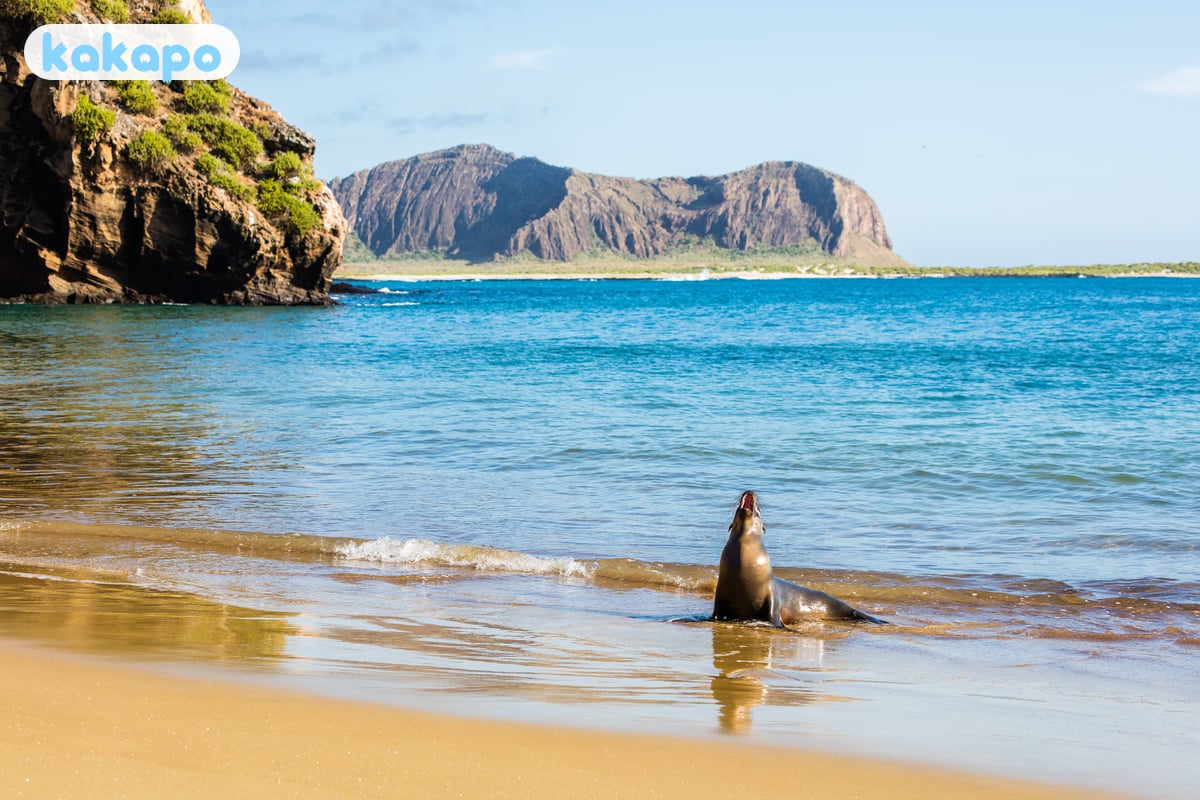
- The 2-metre rule: stay 2 metres away from wildlife. Sea lions, iguanas, blue-footed boobies, tortoises — they may approach you, but you must not approach them.
- Touching wildlife is illegal: fines up to $20,000 USD; deportation possible. Yes, even sea lion pups.
- Don't feed: anything. Bananas to sea lions, crackers to finches — all illegal.
- Flash photography: prohibited at most sites.
- Stay on marked paths: National Park rules. Trampling vegetation is policed.
- Sea lion territoriality: bull sea lions can charge if you get between them and pups. Don't.
- Sharks: present (Galápagos sharks, hammerheads, white-tips). Attacks on tourists essentially zero — sharks here are habituated to swimmers ignoring them.
Park fees and visitor logistics
- Galápagos National Park entry fee: $200 USD per adult (since August 2024 — it doubled from $100). Cash only on arrival at SCY/GPS airport.
- Transit Control Card (TCT): $20 USD, purchased at the Quito or Guayaquil mainland airport before flying out.
- Daily-cap visitor limits: cruises with permits. Some site visits restricted to small groups.
- Mandatory naturalist guide: required for most national-park sites.
- Don't bring fresh food, plants, or seeds: bag-checks at airport are real. Confiscated.
Boats and seasickness
- Inter-island public ferries: small open-deck speedboats. 2-3 hours each crossing. Pacific can be rough; many passengers vomit. Take dimenhydrinate or scopolamine 90 min before.
- Routes: Santa Cruz ↔ San Cristóbal; Santa Cruz ↔ Isabela. ~$30-35/leg.
- Cruise ships: small (16-100 passengers). Naturalist-guided; meals included. $3,000-7,000 per person for a 4-7 day trip.
- Yacht and catamaran cruises: smaller boats; rougher in chop. Choose larger cruise ships if you're prone to seasickness.
- Day-tour boats: from Puerto Ayora to Bartolomé, North Seymour, etc. Book through reputable operators (Galagents, Metropolitan Touring) rather than walk-up touts.
- Life jackets: provided. Wear them on inter-island ferries.
Snorkel and dive — the operator question
- Snorkelling: world-class. Sea lions playing with you, sea turtles, iguanas swimming, dozens of fish species.
- Reputable operators: Galápagos Sub-Aqua, Macarron Diving, Ecuagringo. PADI-certified.
- Cold water: surprising. 18-22°C. A 3mm wetsuit is recommended even in summer.
- Strong currents: at Gordon Rocks, Cousins, Roca Redonda. Advanced-diver only. Don't book without divemaster confirmation of your level.
- Hammerhead diving at Wolf and Darwin Islands: liveaboard-only; advanced; multi-day.
- Don't touch the wildlife underwater either — same rules apply.
- Reef-safe sunscreen: required at all in-water activities.
Towns — Puerto Ayora, Puerto Baquerizo Moreno, Puerto Villamil
- Puerto Ayora (Santa Cruz): largest town. Charles Darwin Research Station, restaurants, hotels, dive shops.
- Puerto Baquerizo Moreno (San Cristóbal): provincial capital. Sea lions sleep on town benches.
- Puerto Villamil (Isabela): smallest, sleepiest. Best for flamingos, lava-tunnel snorkelling.
- All three towns: very safe day or night.
- Mosquitoes: present at low elevations. Bug spray.
- Tap water: not safe. Bottled or filtered.
When to visit
- December-May (warm/wet season): 25-30°C, occasional rain, water 22-26°C. Sea more swimmable; some species peak (sea-turtle nesting).
- June-November (cool/dry season): 18-25°C, low rain, water 18-22°C. More cloud, choppier sea, but better whale-watching and richer marine life from cold currents.
- El Niño years: unusual warming, low marine biomass. Marine-iguana populations crash; bird breeding fails.
- Storms: rare but possible. Cruises sometimes adjust itineraries.
Transport — flights and getting there
- Flights from mainland: only Avianca, LATAM, Equair fly. Quito (UIO) or Guayaquil (GYE) → Baltra (GPS, serves Santa Cruz) or San Cristóbal (SCY). 1.5h. $300-500 round trip.
- Buy mainland-airport TCT: $20 cash before boarding.
- On Baltra: bus + ferry to Santa Cruz Island (45 min combined).
- Within-island: taxis (white pickup trucks). $3-5 within town. Cheap.
- Bicycle rental: in Puerto Ayora and Puerto Villamil. Useful and fun.
Practical info — emergency numbers
- Unified emergency: 911.
- Hospital Oskar Jandl (Puerto Ayora): +593 5 2526-103.
- Galápagos National Park Service: rangers at every visitor site.
- Marine rescue: ECU 911.
Bring: reef-safe sunscreen (legally required), 3mm wetsuit (rentable), seasickness medication, a hat, an Ecuadorian SIM (Claro, Movistar) at Quito/Guayaquil, a contactless card, $200 USD in cash for the Park entry fee, and travel insurance with watersports cover.
Frequently asked questions
Are the Galápagos safe to visit in 2026?
Yes — the Galápagos score 86/100 with personal safety at 92, exceptional even by Latin American standards. Crime against visitors is essentially nonexistent because visitor numbers are tightly controlled by the Galápagos National Park and the local population is small. Ecuador sits at Level 2 on the US State Department's advisory list (the Level 2 language is about Guayaquil, Esmeraldas and the Colombian border, not the islands). The realistic risks are environmental and procedural: wildlife rules, inter-island ferry seasickness, snorkel/dive operator quality and the strict National Park regulations.
Are the Galápagos safe at night?
Yes — Puerto Ayora (Santa Cruz), Puerto Baquerizo Moreno (San Cristóbal, the provincial capital where sea lions sleep on town benches) and Puerto Villamil (Isabela) are completely safe day or night. The main night hazards are physical: mosquitoes at low elevations (bug spray), and the simple darkness once you leave town lights (limited street lighting). Within-island taxis (white pickup trucks) cost $3–5 across town. Marine rescue: ECU 911. Hospital Oskar Jandl in Puerto Ayora is +593 5 2526-103.
What are the INGALA migration card and National Park rules I need to follow?
Two paperwork items and one cash hit. First, the Transit Control Card (TCT, sometimes called the INGALA card) — $20 USD, purchased at the Quito or Guayaquil mainland airport before boarding your Galápagos flight. Second, the Galápagos National Park entry fee — $200 USD cash per adult, doubled from $100 in August 2024, paid on arrival at GPS (Baltra/Santa Cruz) or SCY (San Cristóbal). Then the wildlife rules: stay 2 metres from animals (even if they approach you — sea lions, iguanas, blue-footed boobies, tortoises), no touching (fines up to $20,000 USD and deportation possible), no feeding, no flash photography at most sites, stay on marked paths. Don't bring fresh food, plants or seeds — bag checks are real.
Can you drink tap water in the Galápagos?
Not reliably — tap water on Santa Cruz, San Cristóbal and Isabela should not be drunk straight. Hotels and restaurants in Puerto Ayora and Puerto Baquerizo Moreno typically serve filtered or bottled water. Carry a refillable bottle and use refill stations at reputable hotels. Reef-safe sunscreen is required at all in-water activities (legally enforced). Currency is USD (Ecuador uses the US dollar); bring $200 cash for the Park entry, and small bills for tips and taxis. Mosquitoes are present at low elevations.
How rough are the inter-island ferries?
Genuinely rough — the Santa Cruz ↔ San Cristóbal and Santa Cruz ↔ Isabela routes use small open-deck speedboats for 2–3 hour Pacific crossings, and many passengers vomit. Take dimenhydrinate or scopolamine 90 minutes before sailing. Cost is around $30–35 per leg. Life jackets are provided — wear them. If you're prone to seasickness, a small-ship cruise (16–100 passengers) is much steadier than a yacht or catamaran, though it costs $3,000–7,000 for 4–7 days. Avoid the cheapest day-tour boats from Puerto Ayora; book through reputable operators (Galagents, Metropolitan Touring) rather than walk-up touts.
Sources
Run a business in Galápagos?
Show visitors your Galápagos business is a safe choice. The free Verified by Kakapo badge puts Galápagos's live safety score on your website, links back to your verified page, and updates itself. No cost.
Get the free badge →