


Is Bắc Giang, Vietnam Safe? A 2026 Travel Safety Guide
The K-pop-electronics manufacturing belt, monsoon flooding, motorbike traffic, the Samsung/Foxconn industrial reality, and what visiting one of northern Vietnam's least-touristed provinces actually involves.

Bắc Giang — population ~1.8 million across the province, ~200,000 in the capital city — is a northern Vietnamese industrial province 50 km northeast of Hanoi. It's not a typical tourist destination; the visitors it does receive are mostly business travellers tied to the Samsung Electronics Vietnam complex, the Foxconn / Goertek campuses, and the broader supplier ecosystem that has made Bắc Giang one of the world's largest concentrations of consumer-electronics manufacturing.
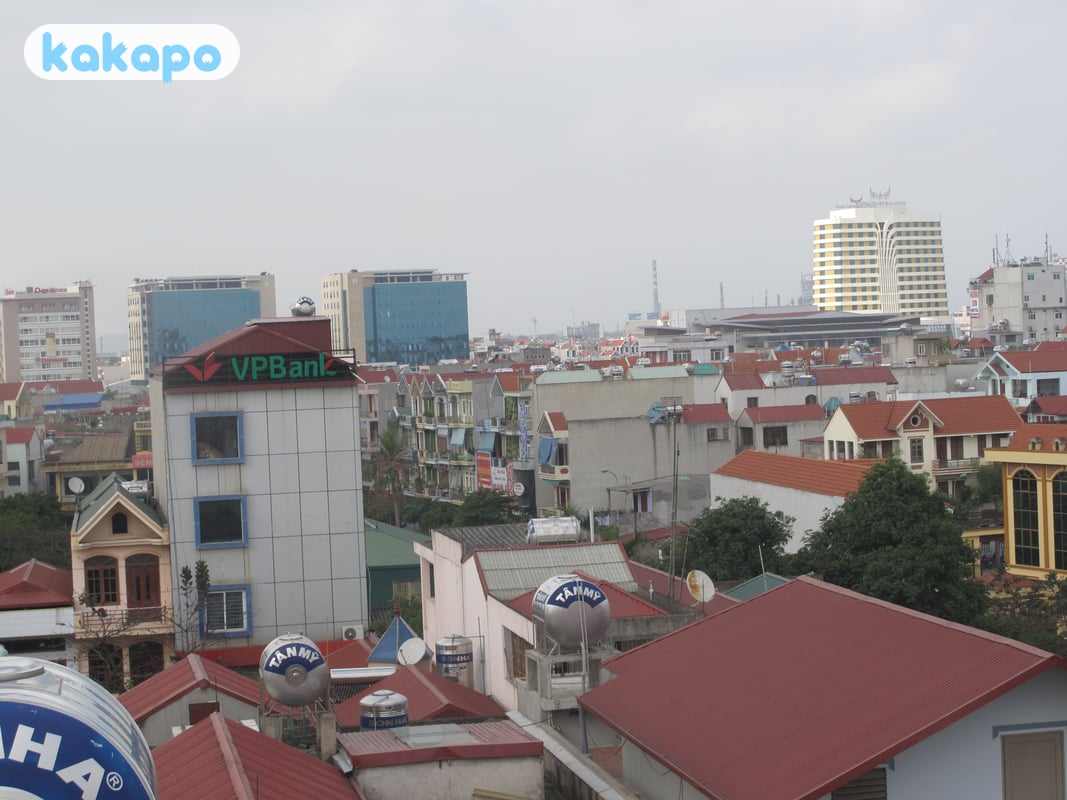
The honest framing: tourist infrastructure is minimal (a handful of business hotels in the city centre, the Tay Yen Tu spiritual mountain pilgrimage area, the Bo Da Pagoda, and the famous lychee growing region around Luc Ngan). Crime against tourists is rare — Bắc Giang is calm in the way working provincial Vietnamese towns are calm — but the practical concerns are real. Motorbike traffic on Highway QL1A and the industrial corridors at shift changes is intense and dangerous; monsoon flooding in low-lying areas of the province is a recurring issue (the September 2024 Typhoon Yagi caused widespread flooding here, with the Cau River breaching banks); industrial labour disputes occasionally produce short-notice protests around the manufacturing parks (rare, but documented in 2021 and 2024). Healthcare in Bắc Giang City is adequate for basics; serious cases evacuate to Hanoi (90 min by motorway).
The US State Department lists Vietnam at Level 1; UK FCDO has no advisories against travel to Bắc Giang specifically. Both note the standard road-safety and monsoon-flooding context.
| Night safety | 64/100 |
|---|---|
| Scam / petty-crime risk | Low |
| Violent crime (tourists) | Low |
| Safer neighbourhoods | Bắc Giang City centre, Quang Chau, Van Trung |
| Data sources cited | 4 |
| Last verified |
What the score means — 76/100
- Personal safety (84) — high. Crime against foreigners is rare; Bắc Giang is a working town, not a tourist scam zone.
- Transport (64) — Hanoi-Bắc Giang motorway (CT15) is fast; in-city traffic is chaotic motorbike-dominated; no urban rail.
- Healthcare (66) — Bắc Giang Provincial General Hospital adequate for basics; serious cases ambulance to Hanoi (Vinmec, FV, Bach Mai).
- Air quality (64) — moderate; affected by industrial corridors and the Hanoi region's chronic winter PM2.5.
The manufacturing reality — why people actually visit
- The complex: Samsung Electronics Vietnam (Bac Ninh + Bac Giang campuses produce a large share of global Samsung phones); Foxconn assembles AirPods, MacBooks; Goertek (audio components); Luxshare; large supplier base. Bắc Giang and the neighbouring Bắc Ninh province together form one of the world's biggest electronics-manufacturing clusters.
- Industrial parks: Quang Chau, Van Trung, Dinh Tram, Song Khe-Noi Hoang. Foreigners visiting are almost always on business in one of these.
- Don't photograph factory campuses: most are gated and posted with no-photography signs; Vietnamese security takes this seriously, foreigners have been detained for a few hours over phone photos.
- Industrial labour disputes: occasional. May 2021 wildcat strikes at Luxshare, July 2024 protests at Foxconn Bac Giang campus over working conditions. Rare but happen; usually resolved within hours; foreign visitors not targeted.
- Visiting Samsung / Foxconn: visitor passes pre-arranged through your business contact; passport on entry; no personal phones in many production areas.
- Don't bring undeclared electronics: customs occasionally inspect arrivals to electronics-belt provinces; commercial samples should have proper paperwork.
What tourism actually exists — Tay Yen Tu, Bo Da, lychee
- Tay Yen Tu: Buddhist mountain pilgrimage site (the western flank of the Yen Tu massif sacred to Truc Lam Zen). Cable car, hiking trails to summit pagodas. Best Feb-Apr after Lunar New Year pilgrims thin.
- Bo Da Pagoda (Chùa Bổ Đà): Viet Yen district; one of northern Vietnam's most atmospheric working monasteries, ancient pottery cemetery, less touristed than the Hanoi pagoda circuit. Modest dress; respectful behaviour.
- Luc Ngan lychee region: late May-mid June is the famous "vai" (lychee) harvest; the orchards run red with fruit; small-scale fruit tourism. Some homestays around Luc Ngan town.
- Khe Ro Nature Reserve: small primary forest in Son Dong district; hiking and ethnic-minority village visits; basic facilities.
- What's NOT here: backpacker scene, English-friendly hostels, a beach. Bắc Giang isn't on the tourist trail and pretending otherwise will produce disappointment.
- Photography: standard Vietnam etiquette; ask before photographing villagers and monks; drone restrictions apply.
Motorbike traffic and the QL1A reality
- QL1A: Vietnam's main north-south highway runs through Bắc Giang province; truck-and-motorbike-dominated; one of Vietnam's most accident-prone road sections.
- CT15 motorway (Hanoi-Bac Giang-Lang Son): newer, safer, tolled; the recommended route from Hanoi.
- Shift change at industrial parks: 06:00-07:00, 14:00-15:00, 22:00-23:00 — tens of thousands of factory-worker motorbikes flood the corridors. Drive defensively or stay off the roads at these times.
- Don't rent a motorbike here: tourist motorbike infrastructure doesn't exist; legal IDP-and-licence requirements still apply (Vietnam requires 1968 Vienna IDP, which most countries don't issue). Insurance voided.
- Hire a car-and-driver instead: $40-80/day from Hanoi-based providers; takes you door-to-door without the road risk.
- Grab: works in Bắc Giang City but driver coverage is thin; pre-book.
- Hanoi-Bắc Giang transfer: 90 min motorway; Limousine van $8-15; private taxi $25-40.
Monsoon, typhoons, and the September 2024 Yagi context
- Monsoon: May-October. Heavy rain from afternoon thunderstorms.
- September 2024 Typhoon Yagi: the most powerful Asian typhoon to hit Vietnam in decades — devastating across northern provinces. Bắc Giang's Cau River and Thuong River breached banks; Luc Ngan and Yen Dung districts inundated; multiple deaths in the province.
- Recovery: largely complete in towns; some lychee orchards still rebuilding through 2025-26 season.
- If a tropical storm warning is issued: stay at hotel; expect motorway and airport disruption; stock 24-48h supplies.
- Best windows: October-April (dry, mild); avoid June-September if you have inflexible schedule.
- Don't wade flood streets: leptospirosis (Vietnam high incidence); sewage backup; electrocution.
- Cold snaps: northern Vietnam winter (Dec-Feb) gets cold mornings (8-15°C); pack a fleece. Industrial-park visits can be cold in unheated factory canteens.
Health, water, food
- Dengue: present in northern Vietnam; lower than central/southern Vietnam. DEET, long sleeves at dusk.
- Other diseases: Japanese encephalitis (rural areas), Hep A/B, typhoid (vaccinate). Malaria risk negligible in northern lowlands.
- Tap water: not drinkable. Bottled.
- Food: northern Vietnamese (pho ga, bun cha, banh cuon); local Bắc Giang specialty is "vai thieu" (Luc Ngan lychee, May-June). Hotel restaurants and large city restaurants safer than roadside near factories.
- Air quality: northern Vietnam winter has chronic PM2.5 issues; Bắc Giang sits in the Hanoi-region pollution basin. AQI 100-200 normal Nov-Mar.
- Heat / humidity: 30-35°C in summer; 5-15°C in winter mornings.
Where to stay — the small reality
Recommended bases: Bắc Giang City centre (Mường Thanh Bac Giang, Mira Hotel, Long Vy Hotel) — business-traveller-focused, basic but functional. Quang Chau / Van Trung industrial park outskirts — Samsung/Foxconn supplier-staff hotels; very basic; convenient if working at the parks.
Stay aware: Bắc Giang is a working industrial city, not a tourist resort. Expect karaoke parlours, massage parlours of varying ethics, and a noticeable expat-male/local-female bar scene around the industrial-park towns. Standard precautions.
There are no genuinely dangerous neighbourhoods. The province is calm.
If you want a real Vietnamese tourism stay, base in Hanoi (90 min away) and day-trip Bắc Giang.
Money, transport, emergency numbers
- Currency: Vietnamese dong (VND). $1 ≈ 25,400 VND.
- Cards: business hotels yes; small restaurants and roadside cash. Vietcombank and BIDV ATMs in Bắc Giang City.
- Tipping: not traditional; round up at tourist-style restaurants.
- Hanoi Noi Bai Airport (HAN): 60 km southwest of Bắc Giang City via CT15 motorway. Limousine van $8-15; taxi $40-60; pre-arranged corporate transfer standard.
- Driving: drive on the RIGHT.
- Visa: e-visa or visa-on-arrival; most Western nationalities get 15-45 days.
- Emergency: 113 (police), 114 (fire), 115 (ambulance). Tourist hotline (Hanoi) +84 24 3942 4001.
- Hospital: Bắc Giang Provincial General Hospital (+84 204 3854 037); serious cases Vinmec Times City Hanoi (+84 24 3974 3556) or FV Hanoi.
- SIM: Viettel best northern coverage; buy at Hanoi airport — 200,000 VND for 30-day data. Or eSIM (Airalo).
- Combine with Hanoi visit: most leisure visitors will get more out of basing in Hanoi and day-tripping any specific Bắc Giang interest.
Frequently asked questions
Is Bắc Giang safe to visit in 2026?
Yes — Bắc Giang scores 76/100 and is calm in the way working provincial Vietnamese towns are calm. The US State Department lists Vietnam at Level 1; UK FCDO has no advisories against travel to Bắc Giang specifically. Crime against foreigners is rare because there are essentially no foreign tourists (the visitors are mostly business travellers tied to Samsung Electronics Vietnam, Foxconn, Goertek and Luxshare campuses). Realistic risks are practical: intense motorbike traffic on Highway QL1A and the industrial corridors at shift changes, monsoon flooding (September 2024 Typhoon Yagi caused the Cau River to breach banks in Luc Ngan and Yen Dung with multiple provincial deaths), and chronic winter PM2.5 in the Hanoi pollution basin.
Is Bắc Giang safe at night?
Yes broadly. Bắc Giang City centre around Mường Thanh Bac Giang, Mira Hotel and Long Vy Hotel is a quiet provincial-capital night. The industrial-park town outskirts (Quang Chau, Van Trung) have a noticeable karaoke / massage / expat-male bar economy serving Samsung and Foxconn shift workers — standard precautions, ask hotel reception about which venues are reputable. There are no genuinely dangerous neighbourhoods. Grab works in Bắc Giang City but driver coverage is thin after 22:00 — pre-book. The realistic 'night' concern is the QL1A at shift changes (06:00-07:00, 14:00-15:00, 22:00-23:00) when tens of thousands of factory-worker motorbikes flood the corridors. Stay off the roads at these times. Police: 113; ambulance: 115.
What's the deal with photographing the Samsung and Foxconn factories?
Don't. The industrial parks (Quang Chau, Van Trung, Dinh Tram, Song Khe-Noi Hoang) are gated and posted with no-photography signs; Vietnamese security takes this seriously and foreigners have been detained for a few hours over phone photos of factory perimeters. Drone use is restricted across most of northern Vietnam and especially over industrial sites — flying one near Samsung or Foxconn campuses will get you arrested. If you're visiting on business, your contact arranges a visitor pass; passports on entry; many production areas don't allow personal phones inside. Don't bring undeclared electronics — customs occasionally inspect arrivals to electronics-belt provinces and commercial samples need proper paperwork.
Can you drink tap water in Bắc Giang?
No — Vietnamese tap water is not drinkable for visitors and Bắc Giang is no exception. Bottled is universal and cheap (10,000-15,000 VND for 500ml from any minimart). Don't take ice in roadside food stalls; large city restaurants and hotel restaurants use filtered ice and are fine. Don't wade flood streets during monsoon — leptospirosis is high incidence in Vietnam, sewage backup is real, and live electrical lines into flooded buildings cause electrocutions. The local 'vai thieu' (Luc Ngan lychee, harvested May-June) is the famous Bắc Giang specialty and is safe — buy at the orchards or central market.
Why would I actually visit Bắc Giang instead of basing in Hanoi?
Honest answer: usually you shouldn't. Bắc Giang's tourist infrastructure is minimal and Hanoi is 90 minutes away on the CT15 motorway with vastly better hotels, food and English coverage — base there and day-trip whatever you need. The exceptions are: business travel to the Samsung/Foxconn/Goertek manufacturing cluster (pre-arranged through your corporate contact), Tay Yen Tu Buddhist mountain pilgrimage (best Feb-Apr after Lunar New Year pilgrims thin, less crowded than the Hanoi pagoda circuit), Bo Da Pagoda in Viet Yen district (one of northern Vietnam's most atmospheric working monasteries with its ancient pottery cemetery), and the late-May-to-mid-June lychee harvest around Luc Ngan. Hanoi-Bắc Giang transfer: Limousine van $8-15 or private taxi $25-40 via CT15.
Sources
Run a business in Bắc Giang?
Show visitors your Bắc Giang business is a safe choice. The free Verified by Kakapo badge puts Bắc Giang's live safety score on your website, links back to your verified page, and updates itself. No cost.
Get the free badge →