


Is Da Nang, Vietnam Safe? A 2026 Travel Safety Guide
My Khe Beach rip currents, Ba Na Hills crowd density, the Marble Mountains, and the realistic visitor risks of Vietnam's beach city.

Da Nang is one of Vietnam's safer beach cities and one of its more modern. The realistic visitor risks are rip currents on My Khe Beach (the famous "China Beach" of the Vietnam War era — beautiful and currents are real), the genuine crowd density at Ba Na Hills (the Golden Bridge tourist trap), motorbike traffic — and the standard Vietnamese tropical-city baseline.
Vietnam sits at low advisory levels. Crime against tourists in Da Nang is rare; pickpocketing in beach areas; violent crime against tourists essentially unreported.
The honest framing for first-time visitors: Da Nang is the gateway for Hoi An (30 min south) and Hue (3h north). Most international visitors fly into DAD, transfer immediately to Hoi An. If you stay in Da Nang itself, the beach + Marble Mountains + Han River area is safe and easy.
| Night safety | 66/100 |
|---|---|
| Scam / petty-crime risk | Medium |
| Violent crime (tourists) | Low |
| Most common scams | broken meter taxi from DAD airport; restaurant tourist menu near the Dragon Bridge; free coffee, look at my shop pitch |
| Safer neighbourhoods | My Khe Beach strip, Han Riverfront, Marble Mountains |
| Data sources cited | 4 |
| Last verified |
What the score means — 85/100
- Night (84) — beach strip and Han River bridges alive late.
- Personal safety (84) — high. Beach pickpocketing is the dominant property crime.
- Healthcare (80) — Vinmec Da Nang and Hoan My Da Nang are international-standard.
- Transport (76) — motorbike-traffic risk for riders; otherwise calm.
My Khe Beach — rip currents and lifeguards
- My Khe Beach (also called "China Beach") is the famous 9 km beach east of central Da Nang. Lovely, popular, and rip-current-active.
- Lifeguarded zones: marked with red-yellow flags. Stay between them.
- Outside the flags: rip currents pull swimmers offshore. Multiple tourist drowning fatalities per year.
- Worst conditions: post-storm (especially monsoon), sudden swell.
- If caught in a rip: don't swim against it. Float, wave for the lifeguard, swim parallel to the shore.
- Sun: tropical UV. SPF 50+, hat, hydrate.
Ba Na Hills — what the Golden Bridge is actually like
- Ba Na Hills (the famous Golden Bridge / Sun World theme park): 1h drive west from Da Nang, accessed by the world's longest cable car.
- Crowd density: extreme. The Golden Bridge photo op gets 4,000-6,000 people per peak day. Be prepared.
- It's a theme park, not a natural site. The "French Village" and "Fantasy Park" are kitschy.
- Best timing: arrive at opening (8am), photograph the Golden Bridge before the crowds.
- Cable car safety: world-class. Maintenance is rigorous.
- Weather: Ba Na is at altitude (1,400m); it's often misty, cloudy, or cooler than Da Nang. Bring a layer.
Areas — beach, Old Town, Han River
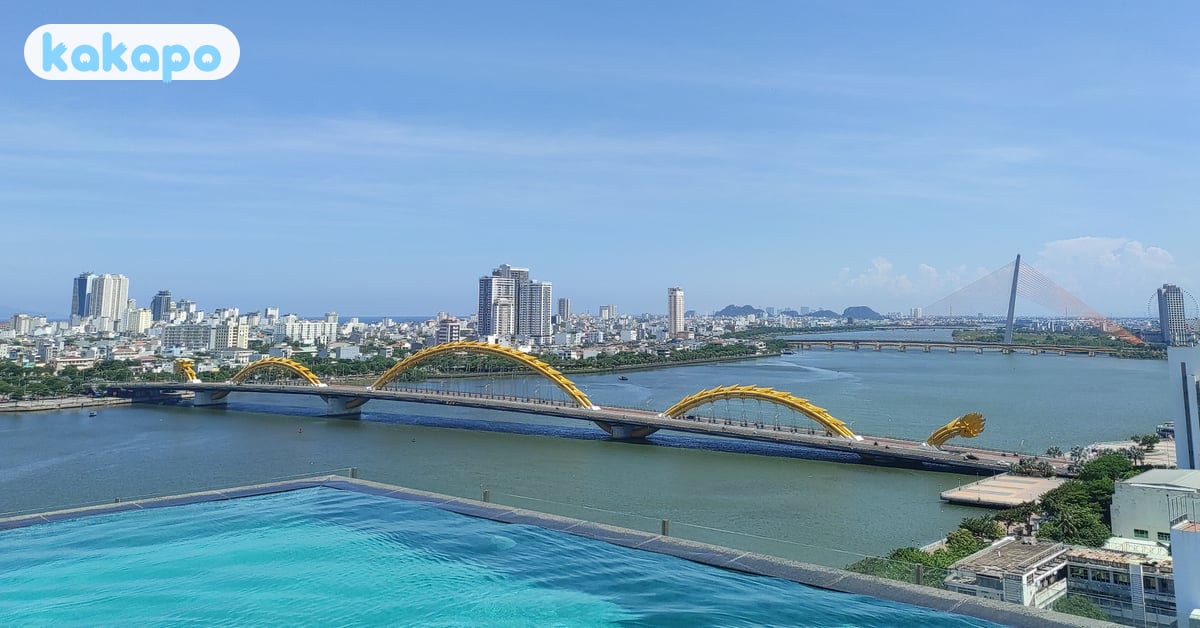
Recommended for visitors: My Khe Beach strip (resort hotels, restaurants), Han Riverfront (modern, the Dragon Bridge), Marble Mountains (10 km south — Buddhist temples in caves), Han Market (downtown, food).
Day trips: Hue (3h north — imperial city, see separate framing). Hoi An (30 min south — see our Hoi An guide).
Motorbikes — the highest real risk in Vietnam
Vietnam's main tourist-injury source is motorbike crashes. Da Nang is calmer than Saigon or Hanoi, but the coastal road and the run to Hoi An see regular accidents involving foreign riders. The honest framing: most riders who get hurt are doing something the locals know not to do.
- Renting: ~150,000-300,000 VND/day for a scooter (Honda Lead, Vision, or Wave). Most rentals don't check your licence; police enforcement does. You technically need a Vietnamese-converted licence or an IDP with category A (most foreign IDPs don't have it).
- Insurance: most travel-insurance policies exclude motorbike accidents unless you have a licence for that engine size in your home country. Medical-evacuation from a serious accident costs $20,000-50,000. Read the exclusions before you ride.
- Helmet: required by law. Rental helmets are flimsy — buy a proper one at a bike shop (~₫400,000-800,000) if you're riding for more than a couple of days.
- Day-tripping to Hoi An: 30 min along the coast. The road is straight, calm, scenic — the safest stretch around. If you've never ridden a scooter, this is the road to learn on, not Saigon.
- The Hai Van Pass to Hue: stunning but technical 22 km mountain ride. Don't tackle it as a first-time rider. Easy Riders, LOCA, Vietnam Backpacker Hostels run safer pillion/transfer options.
- Police bribes: routine stops sometimes turn into "no licence? 500,000 VND". Negotiate down, pay if you must, get a receipt-shaped piece of paper if possible.
Monsoon, typhoon, and the flood months
- Dry season: February-August. Hot (32-36°C July-August), sunny, low humidity by Vietnamese standards. Best swimming May-July.
- Rainy / monsoon season: September-January. October-November is the heaviest — the Han River regularly bursts, central Hoi An floods to waist-deep every couple of years.
- Typhoon corridor: Central Vietnam takes 3-5 typhoons a year. Major recent: Molave (2020), Noru (2022). Damages mostly to infrastructure; tourist hotels rebuild quickly.
- Air quality: cleaner than Hanoi or Saigon. Coastal breeze keeps PM2.5 moderate even in winter.
- Best window for first-timers: March to early June. Warm enough to swim, dry enough to bike, before the heat peaks.
- Worst window: late September to mid-November. Even non-typhoon days have heavy rain and rough seas; My Khe lifeguards close the swimming zones for days at a time.
Scams — the short list for a comparatively honest city
- Taxi from DAD airport: only use Mai Linh (green) or Vinasun (white with red logo) at the official rank. Grab is the cleanest — book before leaving the terminal.
- "Broken meter" taxi: ask for the meter ("đồng hồ"); if the driver refuses, walk to the next cab.
- Tailoring overcharge: more of a Hoi An problem but a few Da Nang touts pull tourists toward "the best tailor". Bespoke suits/dresses can be excellent value, but get measured at established shops (Yaly, BeBe in Hoi An; Da Nang's stable shops are inside Han Market).
- "Free coffee, look at my shop" pitch: low-pressure version of the Egyptian carpet scam. Tea or coffee is fine, walk away from the merchandise.
- Restaurant "tourist menu": a few places near the Dragon Bridge keep two menus with different prices. Ask for the menu locals use (the bánh mì stand has one price for everyone).
- Card-skimming: rare in Da Nang. Use bank ATMs (Vietcombank, BIDV, Vietinbank) inside lobbies; avoid freestanding ATMs in less-trafficked alleys.
Practical info — emergency numbers
- Police: 113.
- Ambulance: 115.
- Vinmec Da Nang: +84 236 3711 111. International-standard.
Bring: reef-safe sunscreen, mosquito repellent, an unlocked phone (Viettel, Mobifone, Vinaphone prepaid SIMs at the airport), a card without foreign-transaction fees, and travel insurance. Tap water not safe.
Frequently asked questions
Is Da Nang safe to visit in 2026?
Yes — Da Nang is one of Vietnam's safer and more modern beach cities. Vietnam sits at low UK FCDO and US State Department advisory levels, and crime against tourists in Da Nang is rare with violent crime essentially unreported. The realistic concerns are rip currents on My Khe Beach, motorbike traffic if you ride yourself, the extreme tourist density at Ba Na Hills, and central-Vietnam monsoon flooding October-November. Most visitors land at DAD and transfer straight to Hoi An; if you stay in Da Nang itself the beach, Han River and Marble Mountains area is easy. Our overall score is 82/100.
Is My Khe Beach safe for swimming?
Yes between the red-yellow lifeguard flags. Outside the flagged zones, rip currents on the 9 km beach pull swimmers offshore and cause multiple tourist drowning fatalities per year. Worst conditions are post-storm, especially during the September-January monsoon when lifeguards close the swim zones for days at a time. If caught in a rip don't swim against it — float, wave for the lifeguard and swim parallel to the shore until the current releases you. Tropical UV is intense; SPF 50+ and a hat are not optional.
Is Ba Na Hills and the Golden Bridge worth it?
Depends on your tolerance for crowds and theme parks. The Golden Bridge photo gets 4,000-6,000 visitors per peak day and the wider Sun World complex is a kitschy theme park with a 'French Village' and 'Fantasy Park' — not a natural site. The world's longest cable car ride up is genuinely impressive and maintenance is world-class. To get the bridge photo without thousands of strangers in it, arrive at the 8am opening. Ba Na is at 1,400m altitude so it's often misty, cloudy and 5-10°C cooler than Da Nang — bring a layer.
When is monsoon season in Da Nang?
September-January, with October-November the heaviest. The Han River regularly bursts and central Hoi An (30 min south) floods to waist-deep every couple of years. Central Vietnam takes 3-5 typhoons annually — recent major ones include Molave (2020) and Noru (2022). Best window for first-timers is March to early June: warm enough to swim, dry enough to ride a scooter, before peak summer heat. Worst window is late September to mid-November, when even non-typhoon days bring heavy rain and rough seas.
Should I rent a motorbike in Da Nang?
Only if you've ridden before, and ideally only on the calm coastal road to Hoi An (the safest stretch in central Vietnam to learn on). Most travel insurance excludes motorbike accidents unless you have a licence for that engine size at home — medical evacuation from a serious crash costs $20,000-50,000. You technically need a Vietnamese licence or an IDP with category A (most foreign IDPs don't have it), and police checkpoints do enforce. Rental helmets are flimsy; buy a proper one for longer trips. Don't tackle the Hai Van Pass to Hue as a first-time rider — use Easy Riders or LOCA pillion services.
Which taxis and rideshares are safe in Da Nang?
Use Grab as the default — app-based, fixed price, cleanest experience and the realistic recommendation for getting from DAD airport. If hailing, only use Mai Linh (green) or Vinasun (white with red logo) at the official rank and insist on the meter ('đồng hồ'); if the driver claims it's broken, walk to the next cab. Avoid lookalike operators and any driver approaching you in the terminal. ATM use is generally safe — stick to bank-branch ATMs (Vietcombank, BIDV, Vietinbank) inside lobbies.
Sources
Run a business in Da Nang?
Show visitors your Da Nang business is a safe choice. The free Verified by Kakapo badge puts Da Nang's live safety score on your website, links back to your verified page, and updates itself. No cost.
Get the free badge →