


Is Bacolod, Philippines Safe? A 2026 Travel Safety Guide
MassKara Festival crowd density, Mt Kanlaon volcanic activity, the Bacolod-Silay airport, sugar-region road conditions, and the realities of the Philippines' City of Smiles.

Bacolod — population ~600,000, the capital of Negros Occidental on the western half of Negros Island — is one of the calmer mid-sized Philippine cities. The "City of Smiles" identity is built around the MassKara Festival (the third weekend of October), the sugar-industry heritage (haciendas, ancestral mansions in Silay), and a lively local food scene (chicken inasal originated here).
The honest concerns are about festival crowds, volcanic neighbours, and the wider Negros island context. The MassKara Festival draws ~500,000 visitors over 7-10 days; pickpocketing, accommodation prices triple, and the central Lacson Street nightlife block becomes intensely crowded. Mt Kanlaon (2,465m) — an active volcano 35 km southeast of Bacolod — has been at PHIVOLCS Alert Level 2-3 with periodic explosive eruptions; a December 2024 eruption scattered ash across western Negros and prompted evacuation of villages within 6 km of the summit. The Bacolod-Silay International Airport (the main gateway) is small with weather-affected flights from Manila and Cebu. Negros island has a documented New People's Army (NPA, communist insurgent) presence in remote mountain areas of Negros Oriental — Bacolod itself is unaffected but the wider provincial context produces occasional headlines.
The US State Department lists the Philippines at Level 2 ("exercise increased caution") with Level 3 advisories for parts of Mindanao and Sulu — Negros is NOT in those zones. UK FCDO has the same regional pattern. Both note the standard typhoon and tropical-disease context.
| Night safety | 63/100 |
|---|---|
| Scam / petty-crime risk | Medium |
| Violent crime (tourists) | Low |
| Most common scams | festival pickpocketing during MassKara; drink-spiking during festival; overpriced accommodation during MassKara |
| Safer neighbourhoods | Lacson Street, Silay, Talisay |
| Data sources cited | 4 |
| Last verified |
What the score means — 80/100
- Personal safety (82) — high. Bacolod is genuinely calm; festival pickpocketing is the asterisk.
- Transport (70) — Bacolod-Silay International Airport (BCD); jeepneys and Grab; mountain road conditions outside city are mixed.
- Healthcare (74) — Riverside Medical Center, Doctors' Hospital, Corazon Locsin Montelibano Memorial — the regional referral options; serious cases medevac to Cebu or Manila.
- Air quality (84) — generally clean; localised sugar-mill smoke during milling season; Mt Kanlaon ashfall in volcanic episodes.
MassKara Festival — third weekend of October
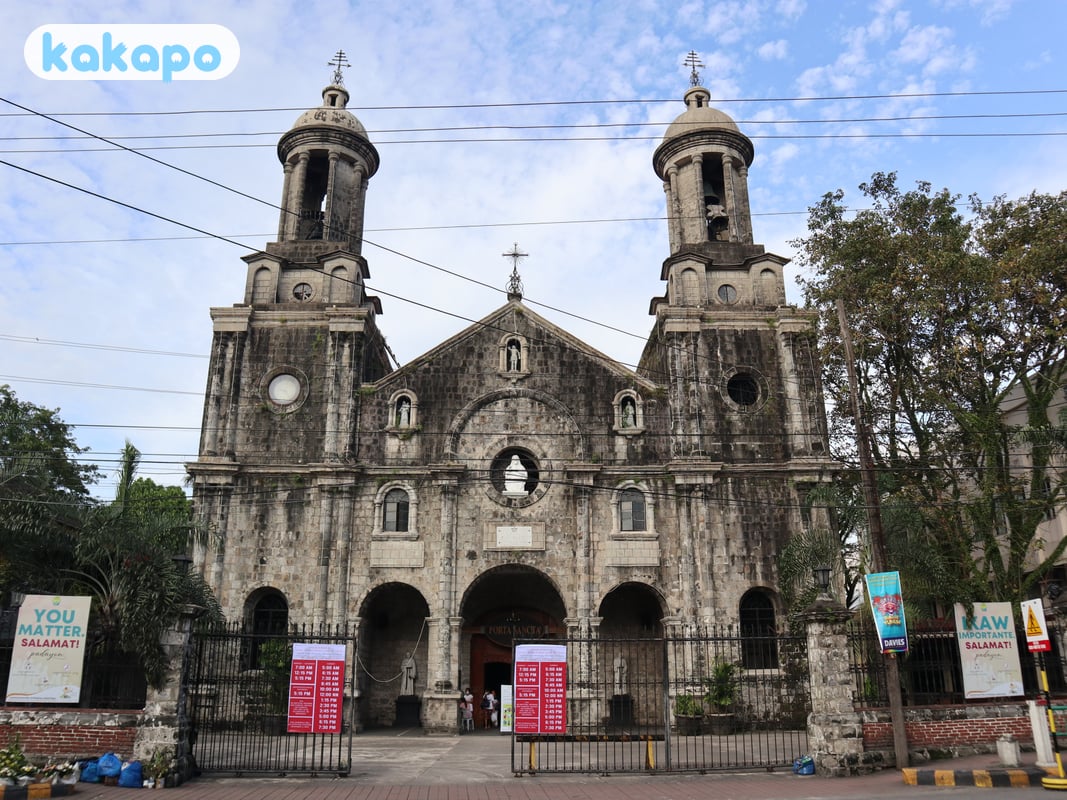
MassKara is Bacolod's signature festival — held the third weekend of October each year (since 1980). 7-10 days of events; the headline event is the Saturday street-dancing competition with elaborate "smiling mask" costumes.
- Crowds: ~500,000 visitors in peak festival week. Lacson Street (the food and parade strip) is genuinely packed; pickpocketing risk peaks; accommodation prices triple and book out 6+ months ahead.
- Pickpocket precautions: front-zip bags only; phones not in back pockets; valuables in hotel safe.
- Drink-spiking: occasional reports during festival; standard precautions (don't accept open drinks; don't leave drinks unattended).
- Heatstroke: October-Bacolod is 28-32°C with humidity; long parade-watching in sun causes ED visits. Hydrate.
- Drug-related crime: Bacolod has had heavier drug-policing emphasis in recent years; foreign visitors caught with even small amounts face severe penalties.
- Where to stay during MassKara: walk-in is essentially impossible. Book by April-May for October. Reputable hotels: L'Fisher, Seda Capitol Central, Stonehill Suites; Lacson Street area for atmosphere.
- Outside MassKara: Bacolod is calm — Lacson Street is a normal restaurant strip; the festival energy is unique to that one weekend.
Mt Kanlaon — the active volcano next door
- Mt Kanlaon: 2,465m active stratovolcano 35 km southeast of Bacolod; one of the Philippines' most active volcanoes.
- December 2024 eruption: explosive eruption sent ash plume 5 km high; ashfall across western Negros (visible in Bacolod streets); evacuation of villages within 6 km radius. PHIVOLCS Alert Level 3 declared.
- Recurring activity: Kanlaon has erupted in 2016, 2017, 2020, 2024. The pattern of small-to-moderate explosive eruptions continues.
- What you'll experience in Bacolod: mostly nothing. Distance from the volcano + prevailing wind direction means central Bacolod gets occasional ashfall during major eruptions (gritty residue on cars, mild eye irritation) but no direct hazard.
- Climbing Mt Kanlaon: closed during Alert Level 2+ (which has been the case much of 2024-25). Even when open, requires permit through DENR-PAWB and licensed guide; multi-day climb; serious altitude and weather.
- Don't try to climb during ash advisory: deaths have happened (Kanlaon's "Dean's South Trail" incident 2006 killed 3 climbers).
- If a major eruption is declared: stay indoors during ashfall; N95 masks; close windows; rinse vehicles before driving (ash-rain chemistry can damage paint).
- PHIVOLCS alerts: real-time at phivolcs.dost.gov.ph.
The wider Negros island security context
- NPA presence: the New People's Army communist insurgency has historic and ongoing presence in remote mountain areas of Negros Oriental (eastern half of the island, different province from Bacolod). Periodic clashes with military.
- Tourist impact: zero in Bacolod and the western (Negros Occidental) sugar belt. Standard tourist itineraries on Negros (Bacolod-Silay, Apo Island, Dumaguete) are unaffected.
- Where to be cautious: rural mountain areas of Canlaon City, Guihulngan, Vallehermoso. Don't bushwhack off-trail or take unlicensed local guides into remote forest.
- UK FCDO and US State Department do NOT advise against travel to Negros tourism areas; check current advisories before booking.
- Local martial-law-era memory: 2018-2019 saw a brief martial-law declaration in parts of Negros Oriental; lifted 2020. Doesn't affect Bacolod.
Bacolod-Silay airport and getting around
- Bacolod-Silay International Airport (BCD): 16 km north of Bacolod City; opened 2008. Direct flights from Manila and Cebu (Philippine Airlines, Cebu Pacific, AirAsia). 1 hr from Manila; 30 min from Cebu.
- Airport-to-city: van transfer PHP 200; taxi PHP 400-600; Grab PHP 350-450. ~25 minute drive.
- Weather diversions: tropical storms occasionally divert flights to Iloilo or Cebu; build buffer time.
- Within Bacolod: jeepneys (PHP 13 base), tricycles (PHP 15-30 short rides), Grab (works, drivers thinner than Manila/Cebu), local taxis.
- Driving: drive on the RIGHT. Bacolod streets are grid-based and easier than Manila; rural Negros roads winding.
- Boat to Iloilo (Panay island): 1 hour fast craft from Bacolod port to Iloilo City; useful for combining Western Visayas trip.
- Boat to Cebu: longer (overnight) RoRo or Cebu-Toledo route; flying cheaper and faster.
Sugar haciendas and the Silay heritage circuit
- Silay City: 14 km north of Bacolod; "Paris of Negros" — preserved Spanish-era / American-colonial sugar-baron mansions. Half-day visit standard.
- Featured houses: Balay Negrense (Victor Gaston ancestral home), Bernardino Jalandoni "Pink House", Hofileña Heritage House. PHP 60-100 entry each.
- Hacienda visits: Hacienda Rosalia, Hacienda Marcosita are working sugar plantations open for tours; book through Bacolod tour operators.
- Sugar mill operating season: October-April (milling); ash and smoke from mills more noticeable then.
- The Ruins (Talisay): 6 km north of Bacolod; spectacular fire-damaged 1920s mansion ruin — the most photographed sight in Negros Occidental. PHP 120 entry.
- Negros etiquette: hacienda labour history is sensitive; the sugar-baron-vs-sacada-worker relationship was harsh historically. Visitors are welcome but politically-charged commentary best avoided in mixed company.
Heat, monsoon, typhoons
- Climate: tropical monsoon. Two seasons: wet (June-November) and dry (December-May).
- Typhoon season: June-November. Negros is not in the worst typhoon-strike zone (most heavy strikes pass north over Luzon) but can catch rain bands and storm surge.
- Best windows: January-April (dry, mild); October for MassKara (warm, late wet season ending).
- Heat: 28-33°C with humidity; April-May hottest; October-MassKara still warm.
- Dengue: endemic; outbreaks frequent. DEET, long sleeves at dawn/dusk, AC accommodation.
- Other diseases: typhoid (vaccinate); leptospirosis (don't wade flood streets).
- Tap water: not drinkable. Bottled.
Money, food, emergency numbers
- Currency: Philippine peso (PHP). $1 ≈ PHP 58.
- Cards: hotels, malls, chain restaurants yes; markets and tricycles cash. ATMs at BPI, BDO, Metrobank.
- Tipping: 10% restaurants if not on bill; PHP 50-100 for tricycle drivers.
- Food: chicken inasal (Bacolod's signature char-grilled chicken — Manokan Country food strip is the classic); kansi (sour ribs soup); piaya; Calea Pastries (the famous cake shop).
- Emergency: 911 (national); local Bacolod City Disaster Risk Reduction +63 34 432 3185.
- Hospital: Riverside Medical Center (+63 34 433 1721); Doctors' Hospital Bacolod (+63 34 432 0712); Corazon Locsin Montelibano Memorial.
- Visa: 30 days visa-free for most Western nationalities at Manila/Cebu arrival.
- Sun: SPF50+; reef-safe at Apo Island day-trip area.
- SIM: Globe or Smart at BCD or any mall; PHP 500-800 tourist data packages.
Frequently asked questions
Is Bacolod safe to visit in 2026?
Yes — Bacolod scores 78/100 and is one of the calmer mid-sized Philippine cities. The US State Department lists the Philippines at Level 2 with Level 3 advisories carved out for parts of Mindanao and Sulu — Negros is NOT in those zones. UK FCDO follows the same regional pattern. The real risks aren't street crime: Mt Kanlaon (2,465m active stratovolcano, 35km southeast) erupted explosively in December 2024 and remains at PHIVOLCS Alert Level 2-3 with ashfall reaching Bacolod streets during eruption episodes; MassKara Festival crowds in October produce a pickpocket spike on Lacson Street; dengue is endemic year-round; and the wider Negros island has historic NPA (communist insurgent) presence in remote mountain areas of Negros Oriental (different province from Bacolod).
Is Bacolod safe at night?
Yes — Lacson Street (the main restaurant and bar strip), the Bacolod Public Plaza area, and the neighbourhoods around L'Fisher Hotel and Seda Capitol Central are routinely walked late by locals and tourists. Manokan Country (the famous chicken inasal food strip) is a standard evening destination. Avoid wandering the back streets behind Burgos Market and the port area after midnight. Grab works in Bacolod but driver coverage is thinner than Manila or Cebu — pre-book or expect 10-15 minute waits. Local taxis are metered (PHP 40 flagdown). Tricycles handle short hops PHP 15-30. Bacolod City emergency: 911; Disaster Risk Reduction +63 34 432 3185.
What happens during MassKara Festival and should I be worried?
MassKara is Bacolod's signature festival (third weekend of October every year since 1980), with ~500,000 visitors over 7-10 days and the Saturday street-dancing competition with elaborate smiling-mask costumes as the headline. Lacson Street becomes genuinely packed — pickpocketing risk peaks (front-zip bags only, phones not in back pockets, valuables in hotel safe), accommodation prices triple and book out 6+ months ahead (book by April-May for October). Drink-spiking reports occur during festival nights — standard precautions. October-Bacolod is 28-32°C with humidity, and long parade-watching in sun causes ED visits — hydrate aggressively. Outside MassKara week, Bacolod is calm; the festival energy is unique to that one weekend.
Can you drink tap water in Bacolod?
No — tap water in Bacolod and across the Philippines is not safe for visitors. Stick to bottled (cheap, PHP 20-40 for 1.5L from any 7-Eleven or sari-sari store) or hotel-supplied. Don't take ice in informal carinderias and roadside chicken inasal stalls; mall restaurants, Manokan Country's larger establishments and the hotel restaurants use filtered ice. The bigger health issues are dengue (DEET, long sleeves at dawn and dusk, AC accommodation — Negros Occidental has outbreaks frequently), leptospirosis if you wade flood streets during typhoon season, and Mt Kanlaon ashfall during eruption episodes (N95 masks, close windows, rinse vehicles before driving).
Should I climb Mt Kanlaon?
Probably not in 2026. Kanlaon has been at PHIVOLCS Alert Level 2-3 through much of 2024-25 after the December 2024 explosive eruption that sent a 5km ash plume over western Negros and prompted evacuation of villages within 6km of the summit. The mountain is closed to climbers during Alert Level 2+. Even when open it requires a DENR-PAWB permit, a licensed guide and a multi-day climb with serious altitude and weather challenges — the 2006 'Dean's South Trail' incident killed 3 climbers. Check phivolcs.dost.gov.ph for real-time alerts before any plans. The safer Negros volcanic experience is the dormant Kanlaon viewpoint from Don Salvador Benedicto.
Sources
Run a business in Bacolod?
Show visitors your Bacolod business is a safe choice. The free Verified by Kakapo badge puts Bacolod's live safety score on your website, links back to your verified page, and updates itself. No cost.
Get the free badge →