

Is Bhutan Safe in 2026? A Country Safety Guide
Thimphu reality, Paro Tiger's Nest trail, the famous Sustainable Development Fee, Gross National Happiness, and the realistic visitor risks of the Himalayan kingdom that bases its policy on happiness.
Bhutan is among the world's safest countries — consistently top-15 on the Global Peace Index. Crime against tourists is genuinely rare. The realistic concerns are operational + structural: altitude (Paro 2,200m, Thimphu 2,300m), the famous Tiger's Nest steep trail (4-5 hour hike at altitude), and the mandatory Sustainable Development Fee ($100/day for most visitors, $200/day pre-2022) that funds the country's conservation + tourism-quality model.
US State Department Level 1. UK FCDO no overall advisory against travel.
| Solo female safety | 92/100 |
|---|---|
| Scam / petty-crime risk | Low |
| Violent crime (tourists) | Low |
| Safer neighbourhoods | Thimphu, Paro, Punakha |
| Data sources cited | 3 |
| Last verified |
Bhutan's high-value tourism model
- Sustainable Development Fee (SDF): $100/day for most foreign visitors (significant reduction from pre-2022 $200/day). Funds conservation + free healthcare + education + tourism infrastructure.
- Required guide: independent tourism not permitted for most visitors. Licensed tour operator + guide required; arranges visa + accommodation + transport + activities.
- Indian + Bangladeshi citizens: different rules (SDF reduced/waived; independent travel possible).
- What this means: Bhutan is more expensive + structured than most destinations but guided + curated experience makes safety + cultural depth dramatically easier.
Regional risk picture
- Thimphu: capital (2,300m). Very safe + heavily-policed. Score band: 92.
- Paro: airport gateway + Tiger's Nest. Very safe; trail altitude is the friction.
- Punakha: former capital + dzong + valley. Calm + safe + warmer (lower altitude 1,250m).
- Bumthang Valley: cultural heartland. Calm + safe; remote-area logistics.
- Phobjikha Valley: black-necked crane wintering ground. Calm + safe.
Tiger's Nest (Paro Taktsang) trail
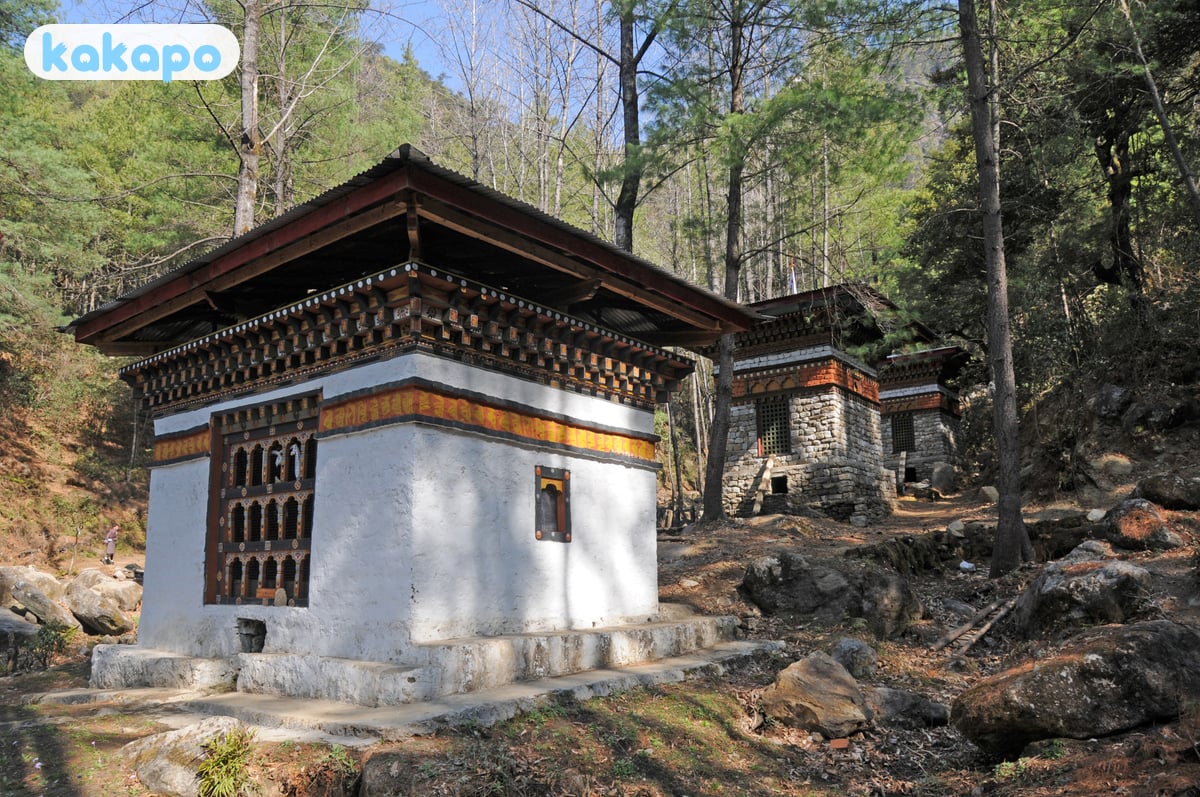
- Bhutan's most-famous visit: 17th-century monastery clinging to a cliff at 3,120m.
- Trail logistics: 4-5 hour round-trip hike. Steep with significant altitude gain (650m). Horses can take you 2/3 up.
- Altitude consideration: visitors flying in same day from sea level will feel altitude. Acclimatise in Paro 1-2 days first.
- Best time of day: start before 8am to beat heat + crowds + afternoon cloud.
- Modest dress: shoulders + knees covered to enter the monastery (women + men).
Featured cities in Bhutan
Frequently asked questions
Is Bhutan safe to visit in 2026?
Yes — among the world's safest countries (top-15 Global Peace Index). US State Department Level 1; UK FCDO no overall advisory. Real concerns: altitude (Paro 2,200m, Thimphu 2,300m), Tiger's Nest steep trail, mandatory Sustainable Development Fee ($100/day) that funds the high-value tourism model.
What's the Sustainable Development Fee?
$100/day for most foreign visitors (reduced from $200/day pre-2022). Funds conservation + free healthcare + education + tourism infrastructure. Indian + Bangladeshi citizens have different rules. Most foreign visitors book through licensed Bhutanese tour operators who handle SDF + visa + accommodation + transport + guide.
Do I need a guide?
Yes for most foreign visitors. Independent tourism is not permitted for most nationalities. Licensed tour operator arranges visa + accommodation + transport + activities + cultural-context guide. The guided-tourism model means Bhutan is more structured but dramatically smoother + more culturally-deep than independent travel would be.
Is Tiger's Nest worth the climb?
Yes — among the world's most iconic monastery visits. 4-5 hour round-trip steep hike at altitude (3,120m). Horses available for 2/3 of the ascent. Start before 8am. Acclimatise in Paro 1-2 days first if flying in from sea level. Modest dress to enter the monastery (shoulders + knees covered).
Is Bhutan safe for solo female travellers?
Yes — Bhutan ranks among the world's safest. The mandatory guide-tourism model dramatically reduces friction for solo female travellers. Modest dress respectful at religious sites. Catcalling baseline very low.
Can you drink tap water in Bhutan?
Stick to bottled or filtered. Hotels in Thimphu + Paro provide filtered water. Bottled is widely available.
When is the best time to visit Bhutan?
March-May (spring + rhododendron bloom) and September-November (autumn + clear mountain views) are peak seasons. June-August is monsoon (cloudy + wet). December-February cold + clear (good Himalayan views, festivals like Punakha Tshechu).
Is Bhutan really happy?
Bhutan officially bases policy on Gross National Happiness rather than GDP. The country's environmental + cultural + community-focus is genuine. Visitors notice the calm + warmth + cultural pride. The 'happy' framing is real + visible in tourism infrastructure.