


Most Dangerous Areas in Caracas for Tourists
Petare, 23 de Enero, the barrios on the hillsides — and why the Altamira / Las Mercedes / La Castellana bubble is a small island in one of the world's most violent cities.

Caracas remains one of the most violent capital cities in the world. The 2024 OVV (Venezuelan Violence Observatory) homicide rate for Caracas Metropolitana was 56.3 per 100,000 — down from the 2018 peak (~70+) but still ~10x the global average and higher than Cape Town's national rate. The single most useful fact: both the UK FCDO and US State Department maintain Level 4 / "Do Not Travel" advisories for Venezuela as of 2026. The advisory cites violent crime, kidnapping, arbitrary detention by the Maduro regime, and a non-functional consular environment. Most travel insurance policies are void.
This guide exists because some travellers will go anyway — diaspora visits, journalism, NGO work, occasional business trips — and the harm-reduction information is genuinely useful. It is not a recommendation to visit.
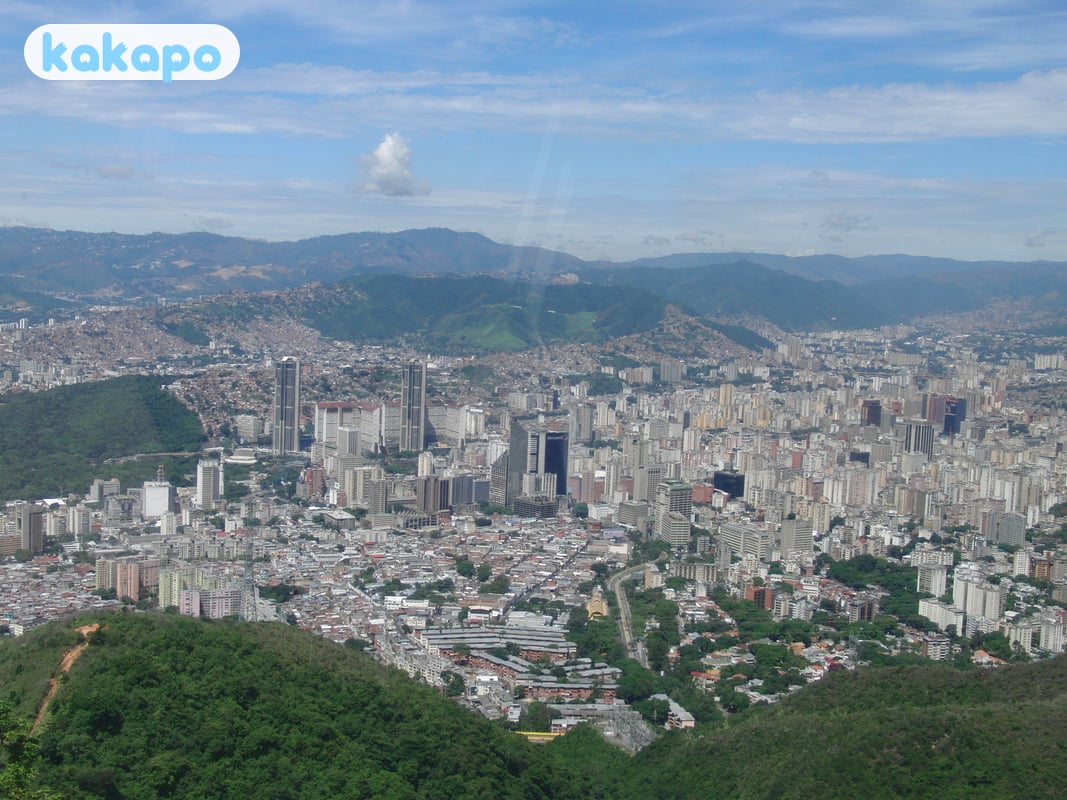
The geography is starker than any other city in this audit. Caracas sits in a narrow east-west valley with the El Ávila mountain to the north. The valley floor — the formal city — is ringed and overlooked by ranchos (informal hillside barrios) built up on every slope. Roughly half the metro population lives in these barrios; many are controlled by colectivos (armed pro-government civilian militias), the Tren de Aragua and other criminal organisations, and the FAES (the regime's special forces) that conduct periodic raids. The barrios are not tourist territory under any circumstances.
The tourist-relevant Caracas — and the diaspora-visitor Caracas — is the eastern valley floor: Altamira, La Castellana, Los Palos Grandes, Las Mercedes, Chuao, the diplomatic district around the embassies. These neighbourhoods have private security envelopes, gated apartment blocks and restaurants with armed door staff. They are functionally a different city.
| Night safety | 5/100 |
|---|---|
| Scam / petty-crime risk | High |
| Violent crime (tourists) | High |
| Most common scams | express kidnapping at ATMs; armed robbery at traffic lights; police bribery and extortion |
| Safer neighbourhoods | Altamira, La Castellana, Las Mercedes |
| Data sources cited | 4 |
| Last verified |
The barrios — the no-go list
- Petare (eastern hillside, Sucre municipality) — largest barrio in Latin America by some measures (~400,000+ residents). Controlled by competing gangs and colectivos. Among the most violent neighbourhoods in the Americas. Tourists do not enter.
- 23 de Enero (western central Caracas) — built as 1950s social housing; politically symbolic; colectivos-controlled. Hostile to outsiders.
- La Vega (south-west) — sprawling hillside barrio; gang-controlled; high homicide rate.
- Catia (north-west) — large barrio; chronic violence.
- Antímano (west) — hillside barrio; gang activity + FAES operations.
- Cota 905 (south central) — formerly a "peace zone" controlled by El Coqui's gang; FAES dismantled the gang in a 2021 operation but the area remains tense.
- La Pastora, San Agustín, El Valle (central/south barrios) — varying degrees of gang control + violence.
- Caricuao (south-west) — large residential + barrio mix.
- Specific roads where tourists have been ambushed: the road from Caracas to Maiquetía airport (the Caracas-La Guaira highway, especially the tunnels + the Cota Mil); the Caracas-Valencia highway; the Caracas-Los Teques highway.
The Altamira / Las Mercedes bubble — where visitors actually stay
- Altamira — eastern Caracas; Plaza Altamira (named for the obelisk + the colour-changing fountain); restaurants + cafes; safe daytime + early evening within the bubble.
- La Castellana — adjacent to Altamira; Plaza La Castellana; the most famous business hotel (JW Marriott Caracas) is here.
- Los Palos Grandes — leafy residential; Avenida Andrés Bello + Avenida San Juan Bosco restaurants; safe within the bubble.
- Las Mercedes — restaurants, nightlife, the diplomatic district. Avenida Principal de Las Mercedes is the city's premier restaurant strip (Casa Bistro, Alto, El Buffet Vegetariano). Heavy private security; the Centro Lido area.
- Chuao — adjacent to Las Mercedes; restaurants + the Eurobuilding hotel.
- El Rosal — financial district; mixed; safe daytime.
- Country Club — exclusive residential; behind walls.
- El Hatillo (southeast, outside central Caracas) — colonial village + restaurants; daytime tourist visit; pre-booked driver required.
- What "safe within the bubble" means: armed door staff at restaurants, gated apartment blocks, private-security checkpoints at major intersections in some neighbourhoods, but still standard urban-Latin-America caution. Walking outside the bubble is not done.
The real tourist + visitor risks
- Express kidnapping (secuestro express) — tourists taken at ATMs, restaurant exits, traffic lights; held for a few hours while ATM withdrawals are made; released. Documented in 2024-2025 incident reports.
- Armed robbery at traffic lights — motorcycle teams approach cars stopped at lights; armed; demand phone + wallet. Common across the city; particularly the Cota Mil, the Autopista Francisco Fajardo, the Av. Libertador. Most Caracas residents drive with windows up + doors locked + don't stop fully at lights at night.
- Arbitrary detention by SEBIN / DGCIM (intelligence services) — journalists, dual nationals, and visitors with NGO connections at risk. Several US + UK citizens have been held for political leverage. FCDO has specific warnings for dual nationals.
- Carjacking — the same motorcycle teams. Hand over keys + phone; insurance won't pay anyway.
- Pickpocketing + phone snatching — endemic in all public spaces.
- Metro security — Caracas Metro (Lines 1-4) is heavily used but stations near barrios have ongoing safety issues. Tourists rarely use the metro; private driver is standard.
- Currency + ATM scams — the bolivar has hyperinflated multiple times; most transactions are now in USD cash or via Zelle. Carry small USD bills.
- Police bribery + extortion — police checkpoints regularly demand "fines" from drivers. Calm compliance + small USD bills is the operating norm.
Maiquetía airport (CCS) transfer — the highest-risk hour
- Caracas's only international airport (Simón Bolívar / Maiquetía) is 21km north of central Caracas, on the Caribbean coast. The road between airport and city is the Caracas-La Guaira highway through a mountain tunnel and the Cota Mil.
- The pattern: arrivals are profiled; teams follow tourists in rented or unmarked vehicles; armed robbery at apartment driveway or hotel entrance.
- The fix: only ever use a pre-arranged transfer through your hotel, embassy, host, or a known operator. Confirm driver name + vehicle plate before leaving. Wait inside the terminal until your driver arrives.
- Never accept a taxi at the airport from anyone approaching you — the unmetered "tachado" taxis are the canonical pre-kidnap vehicle.
- Departures: leave for the airport with significant time buffer; the road can close suddenly from traffic accidents, protests, or military operations.
- Cost: a pre-arranged private transfer in 2026 is USD 60-100 one-way. Pay in cash USD.
Diaspora visits and dual nationals — the specific risk
- Venezuelan diaspora returning to visit family are the majority of "tourist" travel in 2026. The visit is feasible with discipline and host coordination.
- Dual nationals (Venezuelan + US/UK/EU) are at elevated risk of arbitrary detention by SEBIN / DGCIM. The Maduro regime has used dual nationals as political bargaining chips multiple times since 2020.
- FCDO + State Dept guidance: dual nationals should travel on Venezuelan passport entry / exit; consular protection from the second nationality may not be available.
- Hosts as security infrastructure: stay with family or trusted hosts who manage transport, neighbourhood awareness, and which areas to visit when. The visitor never moves alone.
- Cellular + internet: Venezuelan internet is unreliable; VPNs are needed for some services; carry an unlocked phone + buy a local SIM (Movistar, Digitel, Movilnet) on arrival.
- Banking: international cards are largely useless. Zelle is the operating standard for USD transfers; Reserve, Binance + USD cash work. Bring USD cash in small bills.
The hard rules for any Caracas trip
- Pre-arrange every transfer: airport pickup, restaurant arrival, evening returns. No walk-ups, no street-hailed taxis.
- Stay in the Altamira / La Castellana / Las Mercedes bubble: don't venture into barrios at any time.
- Hotel choice: JW Marriott Caracas (La Castellana), Eurobuilding (Chuao), Renaissance Caracas La Castellana. Avoid budget options; you're paying for the security envelope.
- Phone: cheap secondary handset; never primary; never visible at intersections or restaurant exits.
- Cash: USD small bills (1s, 5s, 10s, 20s); no large amounts visible.
- Traffic-light rule: keep moving at red lights when safe; don't sit stopped with the engine off after dark.
- Dual nationals: travel on Venezuelan documents only; avoid journalistic + NGO connections; brief family hosts on consular contacts.
- Embassy registration: register with your embassy before arrival (STEP for US, FCDO LOCATE for UK).
- Emergency: 171 (single number). Embassy emergency lines are the more useful contact for foreigners.
- Hospital: Centro Médico Docente La Trinidad, Clínica Ávila, Hospital de Clínicas Caracas — private + functional. Public hospitals are in severe crisis.
- Travel insurance: most policies void Venezuela. Specialist medical-evacuation policies (Global Rescue, Medjet) cover political emergencies and are the only meaningful coverage.
Frequently asked questions
Is Caracas safe for tourists in 2026?
No — both the UK FCDO and US State Department maintain Level 4 / 'Do Not Travel' advisories for Venezuela. Caracas's 2024 homicide rate (56.3 per 100,000) is ~10x the global average. Most travel insurance policies are void. The advice is not to visit. This guide is harm-reduction for diaspora visitors, journalists, and NGO workers who will go anyway.
What are the most dangerous areas in Caracas?
The hillside barrios that ring the city: Petare (largest barrio in Latin America, ~400,000+ residents), 23 de Enero, La Vega, Catia, Antímano, Cota 905, La Pastora. All controlled by competing gangs, colectivos and the Tren de Aragua. Tourists do not enter any of these. The Caracas-Maiquetía airport road is the highest-risk specific corridor.
Where do visitors actually stay in Caracas?
The Altamira / La Castellana / Las Mercedes / Los Palos Grandes / Chuao bubble in eastern Caracas. Hotels: JW Marriott Caracas (La Castellana), Eurobuilding (Chuao), Renaissance Caracas. Armed door staff, gated entrances, private-security envelope. Walking outside the bubble is not done; pre-arranged drivers for every movement.
What's express kidnapping in Caracas?
Tourists or visitors taken briefly at ATMs, restaurant exits or traffic lights; held for a few hours while ATM withdrawals are made; usually released. Documented in 2024-2025 incident reports across the city. The protocol if it happens: comply silently; ATM withdrawals are processed; resistance is the dangerous variable. Travel insurance and embassies cannot intervene in real time.
Is the Caracas-Maiquetía airport transfer safe?
Only with a pre-arranged transfer through your hotel, embassy, host, or a known operator. Confirm driver name + plate before leaving the terminal. Wait inside arrivals until your driver arrives — never accept a taxi from anyone approaching you. USD 60-100 one-way in cash. The road is the canonical pre-kidnap intercept zone for tourists.
Can dual nationals visit Caracas?
It's possible but carries elevated risk of arbitrary detention by SEBIN / DGCIM (intelligence services). The Maduro regime has used dual nationals (US-Venezuelan, UK-Venezuelan) as political bargaining chips multiple times since 2020. FCDO + State Dept guidance: travel on Venezuelan passport only; consular protection from the second nationality may not be available.
What about travel insurance for Venezuela?
Most standard policies void Venezuela. Only specialist medical-evacuation policies (Global Rescue, Medjet) cover political emergencies — and these are the only meaningful coverage for the trip. Standard travel-insurance + credit-card-travel-coverage will not pay out on Venezuela-incurred medical or evacuation costs.
Sources
Run a business in Caracas?
Show visitors your Caracas business is a safe choice. The free Verified by Kakapo badge puts Caracas's live safety score on your website, links back to your verified page, and updates itself. No cost.
Get the free badge →