


Is Panama City, Panama Safe? A 2026 Travel Safety Guide
Casco Viejo, Calidonia awareness, the Panama Canal day trip, and the realistic visitor risks of one of Central America's safer capitals.

Panama City is one of the safer Central American capitals for tourists, with the realistic visitor concerns being the gentrification-edge of Casco Viejo (the colonial historic centre — beautifully restored core, less polished side streets), the awareness needed in the Calidonia and Santa Ana districts immediately adjacent to it, and the standard tropical-city baseline (humidity, dengue, occasional flooding). Crime against tourists in central Panama City is moderate; violent crime against tourists rare.
Panama sits at Level 2 on the US State Department's advisory ("exercise increased caution"). Both governments note the Darién Gap on the Colombian border as "do not travel" — but that's hundreds of kilometres south of Panama City and not a place tourists go. The advisory doesn't restrict Panama City tourism.
The honest framing for first-time visitors: Panama City is genuinely modern, surprisingly skyscraper-dense (the second-largest skyline in Latin America after São Paulo), and a hub for Central American flights. The Canal is the headline experience. Casco Viejo is the photogenic centre. The tropical climate is consistent (28-32°C year-round).
What makes Panama City easy for visitors: the US dollar is the de facto currency — circulates alongside the balboa (1:1 peg, same notes and many shared coins) — so there's no currency-change scam economy and the airport-arrival "what should I pay" calculation is one less thing to think about. The Panama Metro is the only true metro in Central America (2 lines, with Line 3 to the western suburbs in commissioning), modern and tap-to-pay with the Rapipass card at USD 0.35 per ride. Uber operates fully and is the working ride-hail. English is widely spoken in tourist Casco Viejo and the financial district. The skyline along Avenida Balboa and the Punta Pacífica peninsula is genuinely impressive — Panama has had 50+ skyscrapers since the 2008 banking-secrecy era and the JW Marriott Trump Ocean Club tower at 70 storeys remains the second-tallest in Central America (Trump dropped the branding in 2018).
In 2026, the practical updates: Metro Line 3 (the monorail to the western suburbs across the canal) is commissioning, due to open mid-2026 — it will eventually reach Tocumen airport via Line 2 extension; until then airport transfer is Uber at USD 25-35 or the airport-taxi voucher system at USD 30 flat. The Cinta Costera waterfront has been further extended; the Casco Viejo gentrification has fully bedded in and the area is now one of Latin America's most-recommended walkable colonial centres. The Darién Gap migration crisis (2022-onwards) is a separate story 250 km south of the city, with the new Mulino government in 2024 cracking down on the route through a US-funded repatriation programme — none of this affects tourist Panama City. Bocas del Toro on the Caribbean side and Boquete in the highlands remain the standard onward-from-Panama-City destinations.
| Night safety | 49/100 |
|---|---|
| Scam / petty-crime risk | Medium |
| Violent crime (tourists) | Low |
| Most common scams | pickpocketing in Casco Viejo; pickpocketing on buses; awareness needed in Calidonia and Santa Ana |
| Safer neighbourhoods | Casco Viejo, Bella Vista, Punta Pacífica |
| Data sources cited | 4 |
| Last verified |
What the score means — 71/100
- Healthcare (80) — Panama has world-class private hospitals (Punta Pacífica — affiliated with Johns Hopkins, Hospital Nacional). International-standard.
- Transport (80) — Panama Metro (2 lines), MetroBus, Uber. Modern.
- Night (76) — Casco Viejo nightlife strip alive late and policed.
- Personal safety (76) — moderate. Pickpocketing in Casco Viejo and on buses; standard awareness.
Areas — Casco Viejo, Bella Vista, Calidonia
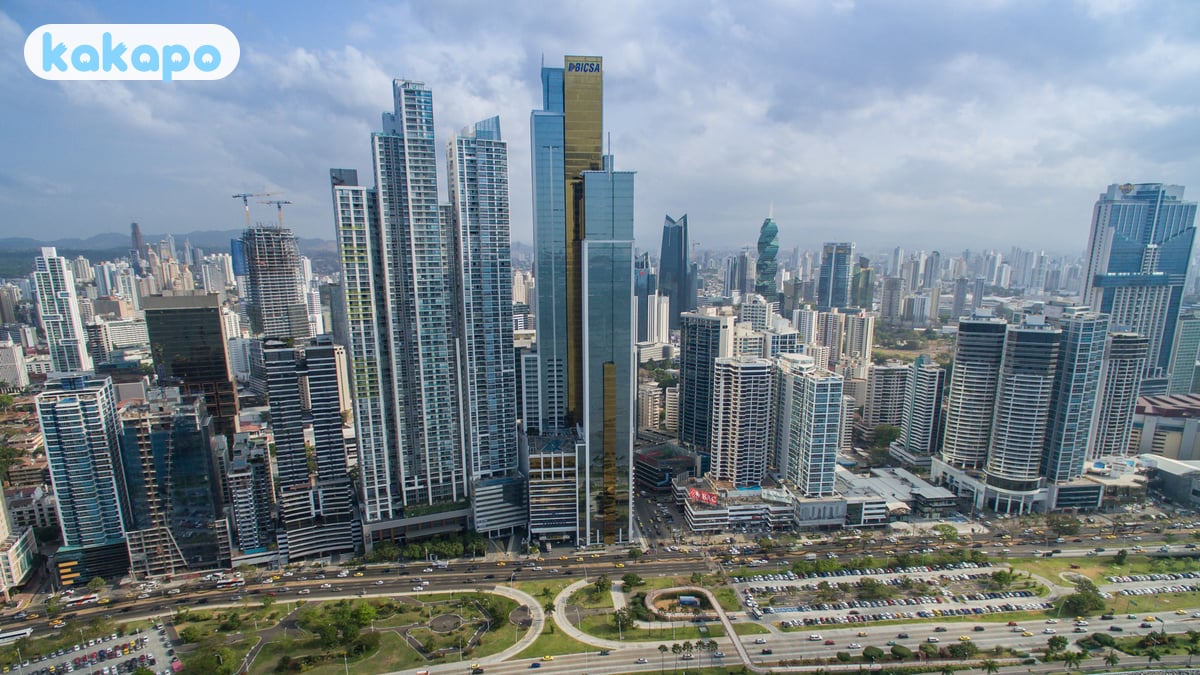
Recommended for visitors: Casco Viejo (San Felipe) — UNESCO colonial historic centre, restored. Restaurants, boutique hotels, plazas. The most-recommended area to stay. Bella Vista — modern, financial-adjacent, residential. Punta Pacífica — modern high-rises, expensive. Punta Paitilla — upscale residential. Amador Causeway — modern peninsula with restaurants and the Frank Gehry-designed Biomuseo.
Visit during the day, careful at night: El Cangrejo — gentrifying, restaurants. Daytime fine; late less polished.
Stay aware: Calidonia and Santa Ana — the working-class districts immediately west of Casco Viejo. Bus terminal area; pickpocket-active. Don't walk through after dark; take a taxi.
Avoid as a tourist: El Chorrillo — historic working-class district with high reported crime. Tourists rarely have reason to be there. Curundú, San Miguelito outer areas — residential, no tourist relevance.
Panama Canal — the day trip
- Miraflores Locks: the most-visited section. Visitor centre, viewing platforms, museum, IMAX. ~30 min from Casco Viejo.
- Best timing: 9am-11am or 2pm-5pm to see ships passing through.
- Agua Clara Locks (Atlantic side): less touristy, requires more travel.
- Partial transit cruises: half-day boat trips through one set of locks. Various operators.
- Full transit: full-day. More expensive, dramatic.
- Don't drive yourself to the Canal if it's your first day in Panama. Use a tour operator or taxi.
The Darién Gap — far from anywhere you'll be
- The Darién Gap: the dense roadless jungle on the Panama-Colombia border. Has been a major migration corridor since 2022, with associated security risks.
- Practical impact for Panama City tourists: zero. The Darién is 250+ km south of the city, not on any tourist itinerary.
- If you see it in news headlines alongside Panama tourism, the news article is about the migration crisis or about Panama's broader security concerns — not about Panama City visitors.
- Don't try to overland into Colombia: the border is closed for tourist travel; violence, criminal control, and dangerous terrain are real.
Metro, Uber, taxis, the airport
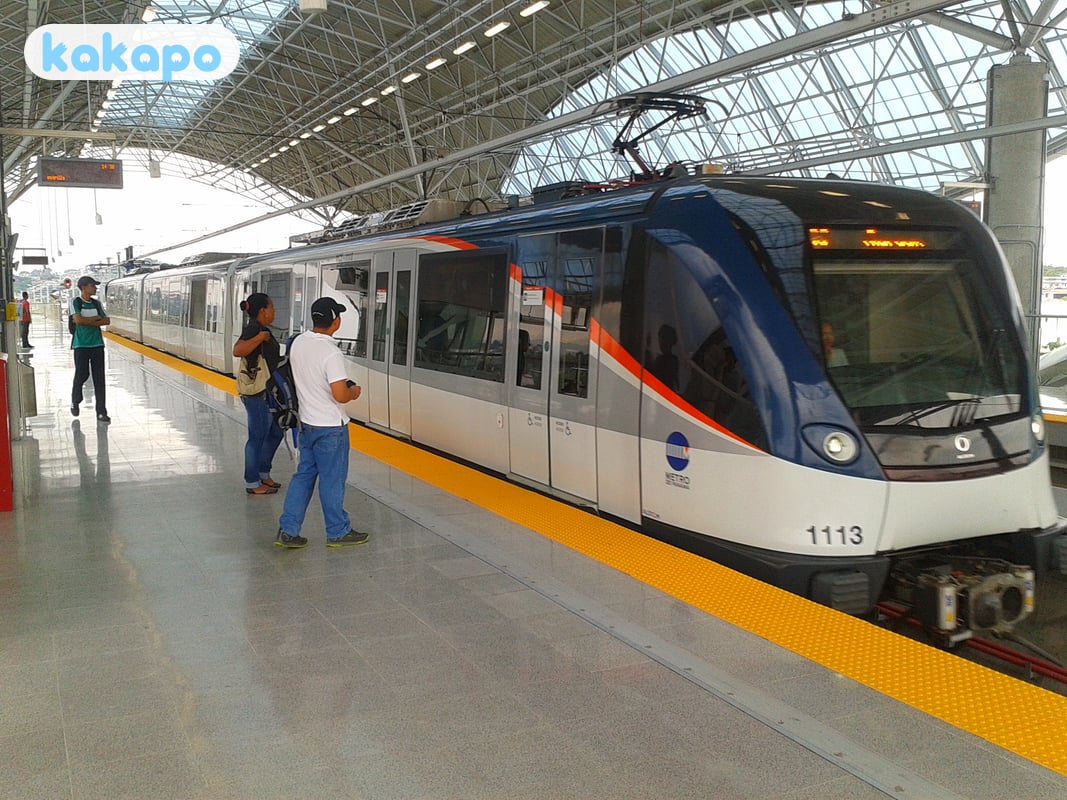
- Panama Metro: 2 lines, modern, cheap (USD $0.35 single). Useful for Casco Viejo to Albrook.
- Uber: works in Panama City. Realistic visitor recommendation.
- Yellow taxis: regulated, mostly metered. Insist on the meter.
- MetroBus: extensive. Tarjeta required.
- Tocumen International Airport (PTY): 35 min from city centre. Uber ~$25, taxi ~$30 fixed-rate.
- Driving in Panama City: traffic heavy; parking limited. Not recommended for first-time visitors.
Tropical climate, dengue, water
- Climate: 28-32°C year-round with high humidity. No "winter."
- Wet season (May-November): afternoon thunderstorms routine. Occasional flooding.
- Dengue: present; concentrated in poorer districts. Mosquito repellent (DEET 30%+) at dawn/dusk.
- Tap water: technically safe in Panama City (the country is famous for treated water), but most visitors stick to bottled.
- Vaccinations: Hep A, Typhoid recommended. Yellow fever certificate required if travelling to Darién province.
Neighbourhood-by-neighbourhood breakdown
- Casco Viejo (San Felipe) — the UNESCO-listed colonial historic centre on the western promontory, with restored 17th-19th century buildings around Plaza de la Independencia, Plaza Bolívar, Plaza Catedral, and the Iglesia de San José (with the famous golden altar that was hidden from Henry Morgan in 1671). Boutique hotels (American Trade Hotel, Casa Sucre, Las Clementinas), the Tantalo rooftop bar, the Lazotea sunset rooftop. The most-recommended area to stay. Tourist police on every corner; safe day and evening; calm late at night with normal urban awareness.
- Punta Pacífica — the modern high-rise peninsula east of the financial district, with the JW Marriott Trump Ocean Club tower (70 storeys), the Punta Pacifica Hospital (Johns Hopkins affiliated), and several upscale residential towers. Quiet, secure, where business travellers stay. Walkable to Cinta Costera waterfront.
- Bella Vista + El Cangrejo — the financial district and the gentrifying neighbourhood immediately north of it. Bella Vista is mid-rise residential and where many embassies sit. El Cangrejo is the gentrifying restaurant strip with a noticeably Lebanese influence (Lebanese restaurants, sheesha bars — the diaspora is large). Daytime fine; late less polished.
- Amador Causeway — the 6 km causeway extending from the city out to the four islands (Naos, Perico, Culebra, Flamenco) at the Pacific entrance to the Canal. Built from canal-excavation rocks; the Frank Gehry-designed Biomuseo (the only Gehry building in Latin America, opened 2014, the swirling coloured-roof structure), the Punta Culebra Nature Center, marina restaurants. Family-saturated and safe; the cycling-and-walking path along the causeway is one of the city's best.
- El Chorrillo — the working-class district immediately west of Casco Viejo, where the 1989 US invasion of Panama caused major civilian casualties. The boundary between Casco Viejo and El Chorrillo is a single block and tourists occasionally walk past without realising. Higher street-crime rates; no tourist draw; daytime walk-through with care, evening avoid. Take a taxi rather than walking from Casco Viejo to anywhere west.
- Calidonia + Santa Ana — the working-class districts between Casco Viejo and the financial district, including the bus terminal at Albrook. Pickpocket-active, busy daytime markets, sketchy evenings. Don't walk through after dark; take an Uber or Metro.
- Panama Metro Line 1 + Line 2 — Central America's only true metro, opened 2014 (Line 1 north-south) and 2019 (Line 2 east-west). 16 stations on Line 1, 21 on Line 2, modern Alstom Metropolis trains, CCTV throughout. USD 0.35 per ride with the Rapipass card (USD 2 deposit). Useful for Albrook (Line 1 northern terminus, bus station), the financial district, and Cinta Costera. Line 3 (monorail to the western suburbs) is commissioning 2026; eventually Line 2 will extend to Tocumen airport.
- USD currency context — Panama uses the US dollar as its de facto currency since 1904, alongside the balboa (1:1 peg, same notes; balboa coins exist in identical sizes to USD coins and circulate interchangeably). There's no currency-change scam economy and no DCC confusion. USD ATMs are everywhere; foreign-card withdrawal fees are USD 5-8 per transaction.
- Tocumen International Airport (PTY) — Central America's busiest airport and the COPA Airlines Star Alliance hub. 35 min from Casco Viejo by Uber (USD 25-35) or airport-taxi voucher (USD 30 flat). The Metro Line 2 extension to PTY is in commissioning; should open by late 2026. Terminal 2 (the newer one) handles the bulk of international traffic.
- Darién Gap is far — 250+ km south of Panama City and not on any tourist itinerary. The migration corridor and associated criminality are a separate story; the FCDO and State Department "do not travel" carve-out for Darién province has no relevance to a Panama City visit.
If it's your first time visiting
- Best arrival: Tocumen International (PTY), 35 min from Casco Viejo. Uber USD 25-35 (the working option), airport-taxi voucher USD 30 flat at the official rank (refuse touts inside the hall), Metro Line 2 extension to PTY commissioning late 2026.
- Best neighbourhood for your first night: Casco Viejo for the once-in-a-lifetime colonial-walkable experience (American Trade Hotel, Casa Sucre, Las Clementinas, Tantalo Hotel); Punta Pacífica or Punta Paitilla for the modern-high-rise experience (JW Marriott, Hard Rock Hotel Megapolis, Hilton Panama). Avoid first-night bookings in Calidonia or Santa Ana.
- Day 1 jet-lag friendly: walk Casco Viejo from Plaza de Francia to Iglesia de San José (the golden altar), lunch at Diablo Rosso or Tantalo, sunset rooftop drinks at Lazotea or Casa Casco, dinner at Donde José (book ahead — chef Jose Olmedo Carles's tasting menu is the city's standout). No canal yet.
- Day 2 canal + Amador: morning at Miraflores Locks (USD 20 entry, observation deck + 4D theatre + museum, best transit times 9-11am Pacific-bound and 3-5pm Atlantic-bound — check Canal Authority webcam), lunch at Mi Ranchito on Amador Causeway, afternoon at the Biomuseo (Frank Gehry, USD 22), sunset cycle along Amador Causeway.
- Public transport: Panama Metro is modern, cheap (USD 0.35 per ride with Rapipass card, USD 2 card deposit), 2 lines plus Line 3 commissioning. Useful for Casco Viejo to Albrook and to the financial district. Uber works fully and is the easy default. Yellow taxis are regulated, mostly metered, USD 3-5 short hops, USD 10-15 to the financial district — agree price first.
- Common rookie mistakes: walking west out of Casco Viejo without realising you've crossed into El Chorrillo (boundary is a single block, change of feel is instant); paying USD 50+ for an airport taxi by hailing inside the terminal (Uber USD 25-35, official rank voucher USD 30); changing money on arrival (don't — Panama uses USD already, the balboa is 1:1); ignoring the dengue context in wet season (DEET 30%+ at dawn/dusk, mosquito coils in hotel rooms); buying Kuna-Yala / Guna Yala mola textiles from intermediaries in Casco Viejo gift shops (markup 3-5x — buy from the Guna women's collective at the Mercado de Artesanías on Amador Causeway); attempting to drive yourself (traffic heavy, parking impossible).
- Currency: US dollar (USD) is the de facto currency. Cards everywhere; carry USD 100-200 in small notes for taxis, market, tipping. ATMs at major banks (BAC, Banco General, Multibank) — USD 5-8 foreign-card fee per transaction.
- Tropical context: 28-32°C year-round, high humidity, no real winter. Wet season May-November has afternoon thunderstorms (typically 14:00-17:00) and occasional flooding. Dengue is present — DEET 30%+ at dawn/dusk, mosquito coils in your room. Tap water is technically safe (Panama treats it to US standards) but many visitors stick to bottled. Yellow fever certificate required only if travelling to Darién province (not Panama City).
- Day-trip alternatives from PTY: Bocas del Toro (Caribbean archipelago, 1h flight + boat); Boquete (highland coffee region, 1h flight to David then 1h drive); San Blas / Guna Yala islands (3h drive plus boat — the autonomous indigenous archipelago, requires permit through a Guna-licensed operator); Portobelo (Caribbean coast, 2h drive); Anton Valley (volcanic crater, 2h drive).
Practical info — emergency numbers
- Police: 104.
- Ambulance: 911.
- Fire: 103.
- Tourist Police (PTT): stations at major sites; English-speaking.
- Hospital Punta Pacífica (Johns Hopkins-affiliated): +507 204 8000.
- Hospital Nacional: +507 207 8100.
Bring: a card without foreign-transaction fees, an unlocked phone (Más Móvil, Digicel, Tigo Panama prepaid SIMs), modest USD cash (the local currency is the Balboa, pegged 1:1 to USD; USD is universally accepted), reef-safe sunscreen, and travel insurance documentation.
Frequently asked questions
Is Panama City safe to visit in 2026?
Panama City scores 76/100 here — among the more comfortable Central American capitals for tourists. UK FCDO and US State Department keep Panama at low-to-moderate advisory levels (lower than most of the region). The realistic risks are geographic: Casco Viejo, Cinta Costera, the financial district, Punta Pacifica and Amador are well-policed and easy to walk; El Chorrillo, Curundú and parts of San Miguelito remain higher-crime zones tourists rarely have reason to enter. Petty theft and ATM card-skimming are the main visitor crimes. The US dollar circulates as the national currency alongside the balboa (1:1, identical pegs), so currency-change scams don't exist.
Which neighbourhoods should I stay in or avoid?
Casco Viejo (the colonial old town, UNESCO-listed) is the visitor headquarters — restaurants, rooftop bars, boutique hotels, tourist police on every corner, very safe day and evening, calm late at night with normal urban awareness. Cinta Costera and the Punta Paitilla / Punta Pacifica financial district are modern, secure and a sensible alternative base. Amador Causeway is calm and family-friendly. Where to be aware: El Chorrillo borders Casco Viejo to the west — the boundary is a single block and tourists occasionally walk past it without realising. Curundú, parts of San Miguelito and Río Abajo have meaningful street-crime risk and no real tourist draw. Calidonia and Santa Ana are mixed; daylight is fine, evenings less so.
Is the Panama City Metro safe and what about taxis?
Yes — the Panama City Metro (Lines 1 and 2, with Line 3 to the western suburbs nearing completion) is modern, cheap (USD 0.35 a ride with the Metrobus rapipass card) and a genuinely useful way to move between the airport-bound suburbs, Albrook, San Miguelito and the financial district. Stations are CCTV-monitored. Petty theft on packed rush-hour trains exists but is moderate. Street taxis (yellow) negotiate fares; agree the price before getting in, USD 3-5 for short hops in Casco Viejo, USD 10-15 to the financial district. Uber works in Panama City and is the lower-friction choice. For Tocumen airport (PTY) use Uber, an official airport-taxi voucher (around USD 30), or the Metro/Metrobus combination.
Can you drink tap water in Panama City?
Yes — Panama City is one of only a few Latin American capitals where the municipal tap water is genuinely safe to drink. IDAAN (the national water utility) treats supply to standards equivalent to North American drinking water, and locals routinely drink from the tap. Hotels often provide bottled water as a courtesy rather than a necessity. The exception is the Bocas del Toro archipelago and remote Darién — bottled there. Carry a refillable bottle in Panama City to limit plastic.
Is a day-trip to the Panama Canal safe and worthwhile?
Yes, and very easy. The Miraflores Locks visitor centre is about 20 minutes from Casco Viejo by Uber (USD 10-15) and has an observation deck, a 4D theatre and a museum. Best transit-viewing times are roughly 9-11am (Pacific-bound) and 3-5pm (Atlantic-bound) — check the Canal Authority webcam before you go. The Agua Clara expansion locks on the Atlantic side are visitable as a longer day-trip via the Panama Canal Railway (PCRC) — a scenic 1-hour train ride between Panama City and Colón. Colón itself has serious street-crime problems and isn't a casual-walking destination; book a tour or a return rail ticket and stay in the cruise/canal precinct. For a full transit experience, half-day partial-transit cruises depart from Flamenco Marina on the Amador Causeway.
Sources
Run a business in Panama City?
Show visitors your Panama City business is a safe choice. The free Verified by Kakapo badge puts Panama City's live safety score on your website, links back to your verified page, and updates itself. No cost.
Get the free badge →