


Is Oxford, United Kingdom Safe? A 2026 Travel Safety Guide
College tour booking, bicycle traffic, the Bodleian and Christ Church queues, the Cotswolds drives, and the realistic risks of England's oldest university city.

Oxford is one of the safer UK tourist cities. Crime against visitors is rare. The realistic risks for visitors are the heavy bicycle traffic on city streets (Oxford has more bikes per capita than any other UK city), the college-access logistics (most colleges have visiting hours that close for exams and special events), the cobbled centre at peak summer, and standard low-grade pickpocket caution at the Bodleian and Christ Church queues.
The honest framing for first-time visitors: Oxford is small (~155,000 in city), built around the 38 colleges of the University of Oxford. The Radcliffe Camera, the Bodleian Library, Christ Church College (which doubled for Hogwarts in some Harry Potter scenes), the Ashmolean Museum, the Covered Market, and the riverside paths along the Cherwell and Thames are the visitor anchors. Most visitors do Oxford in a long day; multi-day stays are pleasant.
Oxford's distinguishing quirk for visitors is that the city's working geography is shaped by an institution older than most European nation-states. Term dates dictate when colleges open, where the crowds are, and what's loud after midnight. The eight-week terms (Michaelmas, Hilary, Trinity) bring 24,000 students; the long vacations bring tourist coaches and language schools. Late May through mid-June is exam season — sub fusc gowns and white carnations everywhere, but many colleges close to visitors entirely. Graduation weeks (Encaenia in late June) close even more. The Oxford-specific rookie mistake is showing up in late May expecting Christ Church and the Bodleian Divinity School to be visitable; they routinely are not.
2026 logistical details worth knowing: Oxford's Zero Emission Zone covers a small inner core where non-electric vehicles pay £10/day; the council's "Connecting Oxford" workplace parking levy is now live and has cut central traffic noticeably; the long-awaited East-West Rail link is partially open (Oxford to Bletchley); the Pear Tree, Thornhill, Seacourt, Redbridge and Water Eaton Park-and-Ride sites all run every 10-15 minutes for £4-6 return parking-plus-bus; and Oxford Bus Company introduced contactless capping (£4.80 day cap) across the city in 2024, which means tap on every bus and it stops charging once you hit the cap.
| Night safety | 73/100 |
|---|---|
| Scam / petty-crime risk | Medium |
| Violent crime (tourists) | Low |
| Safer neighbourhoods | City Centre, Jericho, Headington |
| Data sources cited | 4 |
| Last verified |
What the score means — 87/100
- Personal safety (92) — exceptional.
- Healthcare (90) — John Radcliffe Hospital is one of the UK's largest.
- Transport (86) — buses + trains + walking + cycling all work; no Tube.
- Air quality (84) — moderate. Oxford's "ZEZ" (Zero Emission Zone) covers the centre; some traffic on the ring roads.
Visiting the colleges — what's actually possible
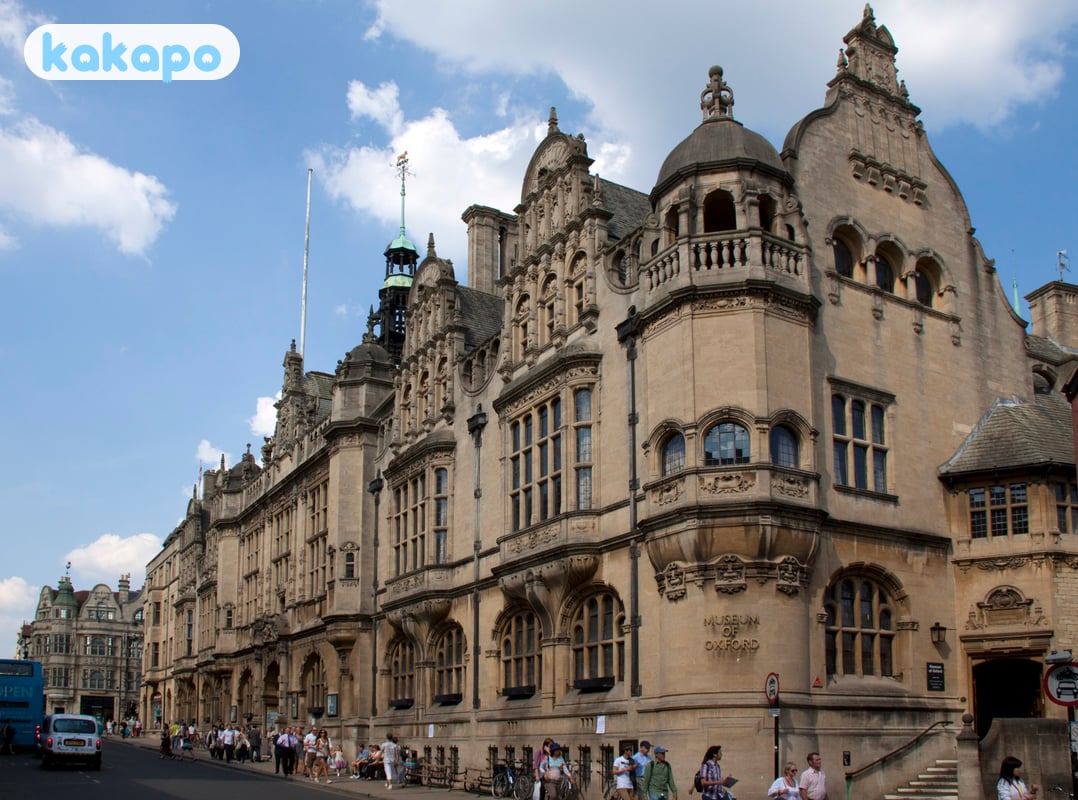
- Most colleges open to visitors part of the day: typically 2-5pm, sometimes mornings too. Each college has its own rules; check websites.
- Christ Church College: pre-book online. £18-20. Don't show up without a ticket.
- Magdalen College: £8 entry, walk-in usually fine. Beautiful deer park.
- New College: £8. Cloisters from Harry Potter. Walk-in.
- Closed during exam season: late May - mid June, many colleges close to visitors entirely.
- Closed for events: graduations, formal hall, Encaenia. Check before going.
- The Bodleian Library: book a tour (£10-30 depending on which rooms). The Divinity School is the cheapest stand-alone visit.
- Photography in college quads: usually fine; never inside chapels during services.
Bicycles — the city's defining traffic mode
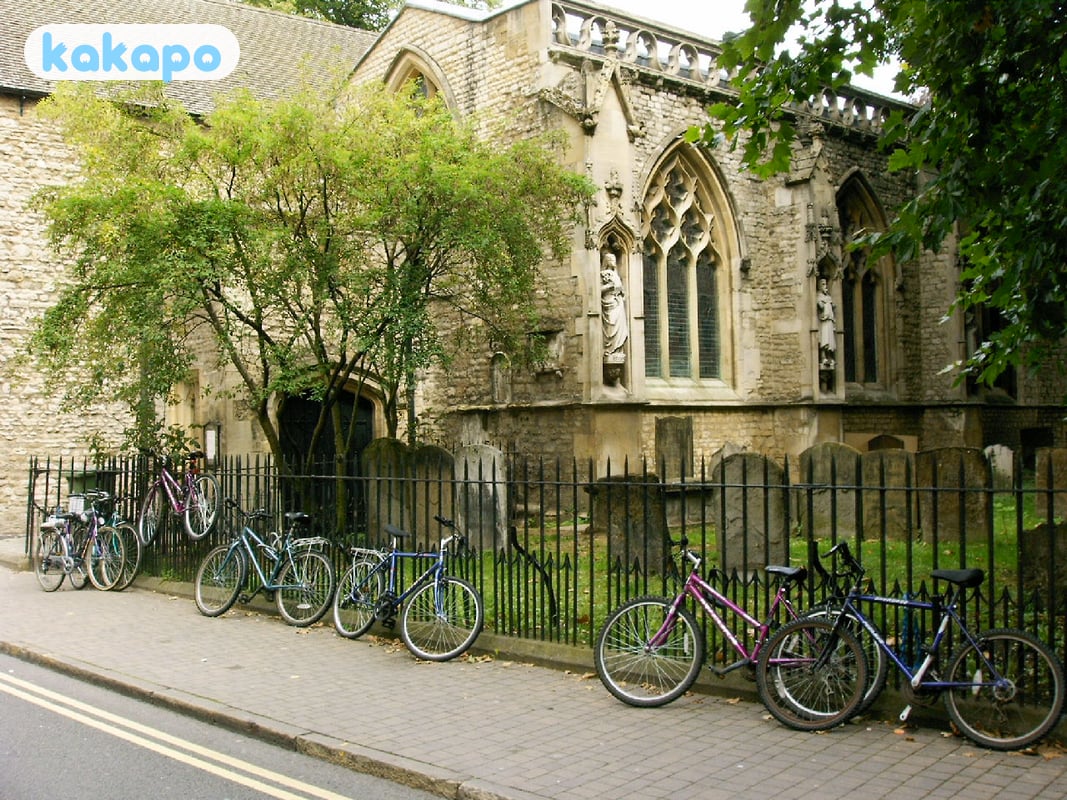
- Oxford is the most bike-dense large UK city. Students cycle everywhere; pedestrians need to watch.
- Pedestrian safety: look both ways at crossings. Cyclists on Broad Street and Magdalen Bridge can be moving fast.
- If you cycle: helmets recommended (not legally required); a real lock if leaving outside (Oxford bike theft is a real problem).
- Rental bikes: Bainton Bikes, Cycle Heroes, Donkey Republic dock-share.
- Bike theft from racks: Oxford has the UK's highest bike-theft rate. Two locks if your own bike.
Areas — Centre, Jericho, Cowley Road
Recommended for visitors: City Centre (the colleges, Bodleian, Radcliffe Camera, Covered Market), Jericho (gentrified café district north of centre), St Clement's / Cowley Road (the multicultural east-Oxford strip — restaurants, indie bars, gentrifying), Headington (residential).
Stay aware: around Oxford Bus Station and rail station at night (rough sleepers; otherwise low-crime). Some Cowley estates / Blackbird Leys: residential, no tourist relevance — you wouldn't end up there.
Oxford has no specific "no-go" zones for tourists.
Punting — the boat ride
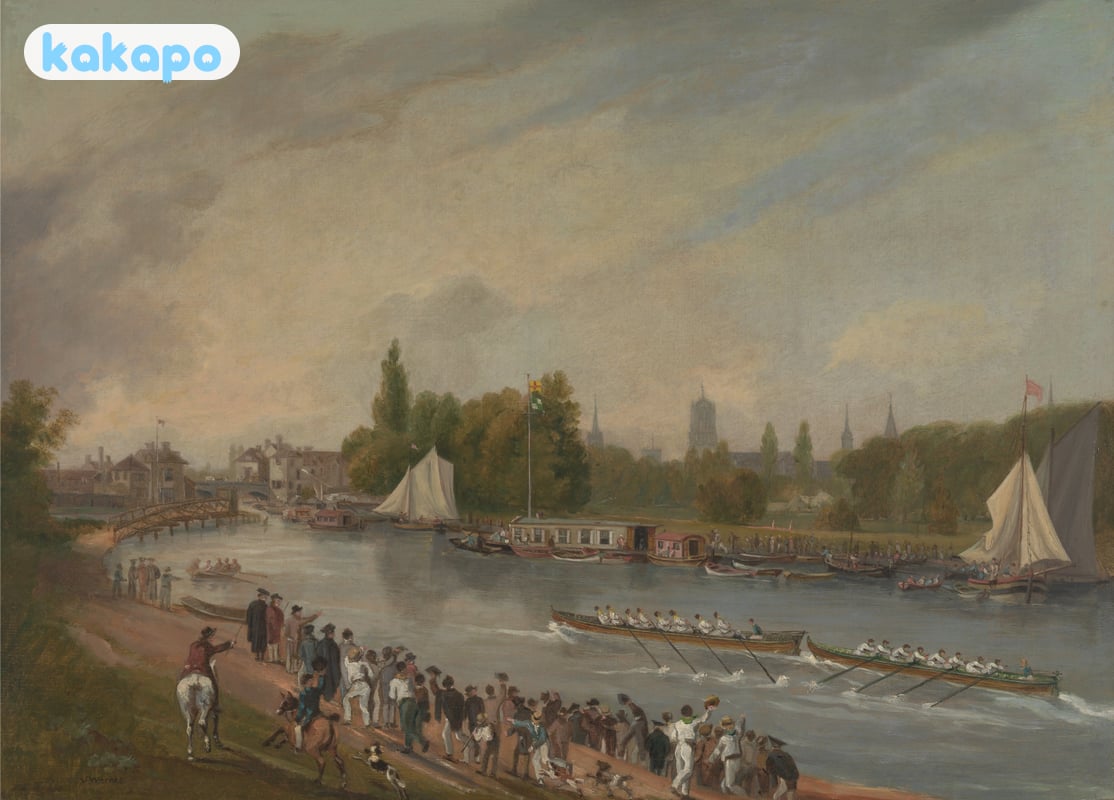
- Punting: pole-propelled flat boats on the River Cherwell. £30-40/hour for a chauffeured punt; £25-35/hour to rent and pole yourself.
- Self-poling: deceptively hard. Falling in is common in summer. The river is shallow but cold and not clean.
- Magdalen Bridge Boathouse: the main rental.
- Cherwell Boathouse: alternative; less central.
- Don't punt if: you've been drinking, can't swim, or have valuables you can't risk.
Transport — buses, train, the airport
- Walking: city centre is small; most attractions are within 10 min walk.
- Buses (Oxford Bus Company, Stagecoach): extensive. Contactless tap.
- Park-and-ride: 5 lots around the ring road. £4-6 day. Drive to one of these and bus in.
- Oxford station: trains to London Paddington 1h (~£25-50).
- Oxford Tube / Oxford Express: 24-hour bus services to London. £15-20.
- From London Heathrow: Airline coach (Heathrow-Oxford bus) 90 min, £30.
Money, food, the cost story
- Currency: Pound sterling (£).
- Cards: universal.
- Tipping: 10-12.5% in restaurants if not included.
- Cost: hotels £130-300/night; matriculation/graduation weeks higher.
- Tap water: safe.
- Local food: Sunday roast at The Trout Inn (river-side), Indian on Cowley Road, the Covered Market.
Neighbourhood-by-neighbourhood breakdown
- Carfax + Cornmarket — the dead-centre crossroads at the top of High Street, Queen Street and St Aldate's, with the Carfax Tower (climbable for views, £4) and the pedestrianised Cornmarket shopping street running north. Pickpocket-aware on Cornmarket on Saturday afternoons; otherwise central and walkable.
- High Street + Catte Street — the spine of "Oxford" in postcards: the All Souls / Queen's / University College / Magdalen frontage on High Street, the Radcliffe Camera on Catte Street, the Bodleian and Sheldonian on Broad Street. The walk from Carfax to Magdalen Bridge is the canonical Oxford-in-30-minutes route.
- Jericho — north-west of the centre, the gentrified Victorian terrace district. Walton Street has independent restaurants (Branca, Pierre Victoire), the Phoenix Picturehouse cinema, the Oxford University Press building, and the canal towpath running through. Comfortable any hour.
- Cowley Road — east of Magdalen Bridge, the multi-ethnic restaurant strip with serious South Asian, Caribbean, Middle Eastern food (Aziz, Atomic Burger, Tuk Tuk). Friday-Saturday nights get lively; the bus from the centre is the X1 and X3. Some scattered pubs run late.
- Headington — east of the centre, beyond Cowley Road; suburban-residential, home to the John Radcliffe Hospital, Brookes University, and the famous "Headington Shark" sculpture sticking out of a house roof. Bus 8 from the centre, 15 minutes.
- John Radcliffe Hospital (JR) — Oxford's main NHS hospital, on Headley Way in Headington. Major A&E and trauma centre for the region; 24-hour service. The Churchill Hospital and Nuffield Orthopaedic Centre are also in the Headington cluster.
- The Bodleian + Old Schools Quadrangle — Catte Street; the Divinity School is the cheapest stand-alone visit (£2.50), the Convocation House and Duke Humfrey's Reading Room require a £10-30 guided tour. The Weston Library across Broad Street holds the Bodleian's special exhibitions (often free, rotating).
- Park & Ride — five sites on the ring road (Pear Tree, Water Eaton, Thornhill, Seacourt, Redbridge), each £4-6 day including return bus. Buses run every 10-15 minutes. The default arrival method if driving — central Oxford parking is genuinely terrible.
- Stay aware — around Oxford Bus Station and Oxford rail station after midnight you'll see some rough sleepers; otherwise low-crime. Blackbird Leys and parts of outer Cowley are residential and have no tourist relevance.
If it's your first time visiting
- Best arrival: GWR train from London Paddington to Oxford station (1 hour, £25-50 advance, every 30 min off-peak). The Oxford Tube (Megabus competitor, 24-hour service, £15-20) and Oxford Bus Company X90 to London Victoria are direct cheaper coach alternatives. From Heathrow, the Airline coach 90 minutes for £30. From Birmingham, the Cross-Country train 1h15m.
- Don't drive into central Oxford — use one of the five Park-and-Ride sites (Pear Tree, Water Eaton, Thornhill, Seacourt, Redbridge), £4-6 all-in. The Zero Emission Zone charges £10/day for non-electric vehicles in the inner core; congestion in the High Street is intentionally bad to favour buses, taxis and bikes.
- Christ Church needs pre-booking — £18-20 timed tickets online, sold out most days in summer. Magdalen College (£8) and New College (£8) usually accept walk-ins. The Bodleian Library tours sell out 1-2 weeks ahead in peak season.
- Best neighbourhood for your first night: a hotel within 15 minutes' walk of Carfax — The Old Parsonage, The Randolph (Graduate), Vanbrugh House — means you walk to dinner and back without buses. Jericho is the better dining neighbourhood (Branca, Pierre Victoire); Cowley Road for cheap-and-good ethnic food.
- Watch the bikes — Oxford has more cyclists per capita than any UK city. Look both ways crossing Broad Street, Magdalen Bridge and any college quad gateway. Don't step backwards for a photo without checking.
- Punting — book at Magdalen Bridge Boathouse (£35/hour chauffeured, £30/hour self-pole, May-September). Self-poling is harder than it looks; you will probably get wet. The Cherwell is shallow but cold and the river runs grey-green.
- Food beyond pubs — Covered Market for cheap lunch (Brothers, Georgina's, the cake shops); Cowley Road for South Asian (Aziz, Mirch Masala); Jericho for evening dining (Branca £30 a head); pub Sunday roast at The Trout Inn at Wolvercote (riverside, £20-25 for a roast). Tea at The Rose on High Street.
- Common rookie mistakes — showing up at colleges during late-May to mid-June exam season (most close to visitors); trying to walk into the Bodleian Reading Room without a Reader's Card (you can't — tour only); cycling without lights after dark (police do fine, £50); leaving a bike with a single cable lock (Oxford has the UK's highest bike-theft rate); forgetting matriculation weekend (mid-October) doubles hotel prices.
Practical info — emergency numbers
- Emergency: 999 (or 112).
- Police non-emergency: 101.
- NHS non-emergency: 111.
- John Radcliffe Hospital ER: 0300 304 7777.
Bring: a waterproof jacket, comfortable walking shoes, an unlocked phone (Three, EE, O2, Vodafone UK), a contactless card, and travel insurance.
Frequently asked questions
Is Oxford safe to visit in 2026?
Yes. Oxford is one of the safer UK tourist cities. US State Department lists the UK at Level 2 (terrorism baseline). Crime against visitors is rare; the realistic risks are heavy bicycle traffic on city streets, college-access logistics during exam season, and standard low-grade pickpocket caution at the Bodleian and Christ Church queues.
Is Oxford safe at night?
Yes. Oxford's centre is small, well-lit, and quiet after midnight outside of term-time student nightlife. There are no specific 'no-go' zones for tourists. Around the bus and rail stations you'll see some rough sleepers; otherwise low-crime. Solo walks back to central hotels are fine; Bolt and Uber both operate.
Is Oxford safe for solo female travellers?
Yes — Oxford is among the safer UK destinations for solo women. The compact walkable centre, heavy CCTV around college quads, and student-town atmosphere all support solo travel. Cowley Road (the multicultural east-Oxford strip) is fine by day and busy in the evening with bars and restaurants.
Can you drink tap water in Oxford?
Yes. Thames Water supply is safe and extensively tested. The water is hard (mineral-rich, calcium-heavy) which affects taste; some hotels stock filter jugs. Free at restaurants on request.
How do I actually get into the colleges?
Plan ahead. Each of Oxford's 38 colleges sets its own visiting hours — typically afternoons 2-5pm. Christ Church requires pre-booked tickets online (£18-20). Magdalen and New College usually accept walk-ins (~£8). Most colleges close to visitors entirely during late-May to mid-June exam season, and close for graduations, formal hall, and Encaenia. Check websites the day of.
Is Oxford's bicycle traffic actually dangerous for pedestrians?
Worth noting, not catastrophic. Oxford has more bikes per capita than any other UK city; on Broad Street, Magdalen Bridge, and around the Bodleian cyclists move fast and often through pedestrian zones. Look both ways at crossings. If you cycle yourself, Oxford has the UK's highest bike-theft rate — two locks if you own the bike, hire from Bainton Bikes or Donkey Republic for short visits.
Sources
Run a business in Oxford?
Show visitors your Oxford business is a safe choice. The free Verified by Kakapo badge puts Oxford's live safety score on your website, links back to your verified page, and updates itself. No cost.
Get the free badge →