


Is the NYC Subway Safe at Night in 2026?
The 24/7 system, late-night carriage choice, the conductor-position rule, NYPD MTA Bureau patrols, and the lines where the calculus is genuinely different after midnight.

The NYC subway is the only major-city subway in the world that runs 24/7, and crime per ride is, by NYPD MTA Bureau data, lower in 2026 than it was in 2019 — but the late-night ride feel varies sharply by line, hour and carriage. The single most useful fact: subway crime is highly concentrated. About 30% of major subway crime happens in 10 stations; the other ~470 stations sit at incident rates similar to outer-borough crime overall. Knowing which stations and lines those are, and the simple rules for late-night carriages, makes the practical difference.
The MTA carries ~3.6 million passenger rides per day across 472 stations and 24 lettered/numbered services. The 2026 fare is $2.90 single via OMNY (contactless tap), or the legacy MetroCard. The single most-asked tourist question — "is the subway safe at night?" — is more useful when reframed as "is this specific train and carriage safe at this specific hour?", because the answer varies enormously across that combination.
Felony assault on the subway in 2025 ran approximately 1 incident per 1.3 million rides. Pickpocketing and lift-snatching is more common but still low by world city standards. The 2024-26 NYPD MTA Bureau expansion put two officers in many late-night stations during the 21:00-06:00 window.
| Night safety | 64/100 |
|---|---|
| Scam / petty-crime risk | Medium |
| Violent crime (tourists) | Low |
| Most common scams | phone-snatch at station doors; sleeping/intoxicated passenger theft; harassment by mentally-ill or intoxicated passengers |
| Safer neighbourhoods | Upper East Side, Upper West Side, Times Square |
| Data sources cited | 4 |
| Last verified |
The simple rules that work
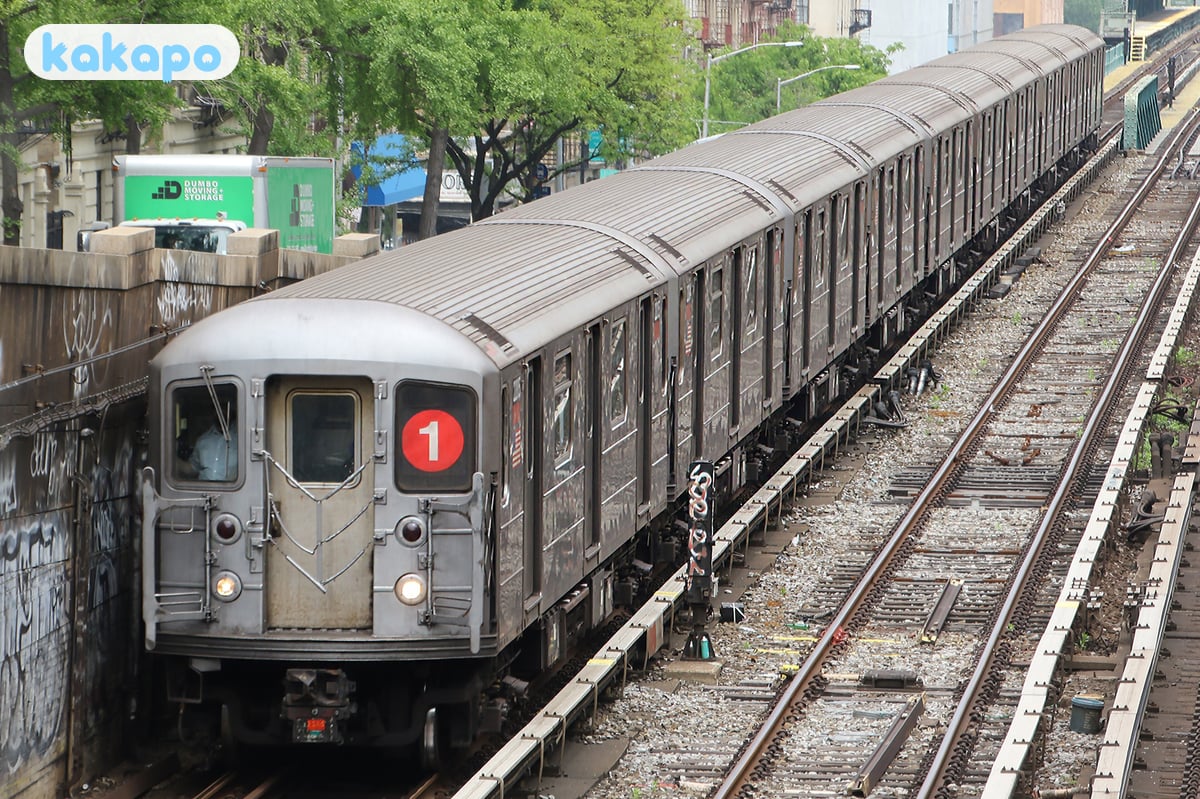
- The conductor-position rule: every train has a conductor in the middle carriage; the middle of the platform has a striped marker (zebra board) showing where to wait. Standing or sitting in the conductor's carriage at night means an MTA employee is 20 feet from you the whole ride.
- Carriage choice: avoid empty carriages. A train with one passenger in your carriage and 30 in the next is telling you something — switch at the next station.
- Phone in front pocket: phone-snatch is the highest-volume subway crime in 2026. Loose hand on the carriage door at the station, headphones on, phone out — that's the snatch profile. Phone in front trouser pocket, no headphones at the station, glance up when doors open.
- Don't sleep on the train: solo sleeping passengers are the highest-risk profile. If you're tired late, get off and Uber.
- Off-peak carriage selection: 2024-26 MTA-NYPD posture is to consolidate riders in fewer carriages during overnight. Following the crowd is the right move.
Lines by late-night feel
- 4, 5, 6 (Lexington) — green line, the East Side spine. Crowded later than most; safe late-night feel through the Upper East Side, dropping off through East Harlem.
- 1, 2, 3 (Broadway / 7th Ave) — red line. The 1 to the Upper West Side stays busy late; the 2/3 north of 96th into Harlem/the Bronx is where tourists most often have first late-night experience that feels different. Still safe; just thinner.
- N, Q, R, W (Broadway) — yellow. Busy through Times Square, Herald Square, Union Square, Brooklyn Atlantic Ave-Barclays Center. Comfortable late.
- L (14th St crosstown to Brooklyn) — grey. Among the busiest late-night lines because of the Williamsburg/Bushwick nightlife. Generally fine.
- A, C, E (8th Ave) — blue. The A is the longest single subway route in the city (Inwood to Far Rockaway, 31 miles); the late-night A through Brooklyn feels different to the late-night A through Manhattan. Standard carriage-choice rule applies.
- F, G, J, M, Z, 7 — outer-borough emphasis; late-night ridership varies and the carriage-choice rule matters more.
- Staten Island Ferry — not a subway but the 25-minute Manhattan-Staten Island ferry runs 24/7 free and is consistently safe.
Stations that account for most subway crime
- Times Square-42nd St — highest absolute incident count because of ridership volume (~200,000 a day). Late-night feel changes; the 42nd-Eighth Av/Port Authority side is rougher than the Times Square / Bryant Park side.
- 34th St-Penn Station, 34th St-Herald Square — busy, mixed; some late-night intoxication.
- 14th St-Union Square — major interchange; late-night thins faster than Times Square but stays reasonable.
- Atlantic Av-Barclays Center (Brooklyn) — large interchange; event-day crowds late.
- 125th St (2/3, 4/5/6) — Harlem entry. Late-night fine but a different feel than midtown.
- Jamaica Center-Parsons/Archer, Sutphin Blvd-Archer Av (Queens) — major Queens interchanges with elevated incident rates.
- Stations to be alert at after midnight: outdoor elevated stations on the J/Z through Brooklyn, the A through Far Rockaway, the 7 through eastern Queens — quieter, more exposed. Indoor underground midtown stations stay busy late.
What incidents actually look like
- Phone-snatch at station doors: the highest-volume crime. Standing near the doors with phone out, doors open, hand reaches in, runner exits onto platform as doors close. Defence: phone in front pocket while approaching/leaving station.
- Sleeping/intoxicated passenger theft: easy targets. Defence: don't sleep.
- Harassment by mentally-ill or intoxicated passengers: more common than violent crime. Move carriages at the next station; alert the conductor via the carriage emergency button or the platform red call-box.
- Push attacks on the platform: extremely rare but high-profile. Defence: stand back from the platform edge.
- Group nuisance (teen hijinx, fare-evasion mass-board): more annoying than dangerous. Move carriages.
If something happens
- Inside the train: carriage-end emergency strip pull will alert the conductor and stop the train at the next station rather than mid-tunnel. Each carriage has visible NYPD-MTA Bureau contact info.
- On the platform: red emergency call-box on every platform; intercom to the station agent. NYPD MTA Bureau patrols every station overnight in 2026.
- Emergency: 911 works underground in most stations now (2024-25 5G extension). Otherwise the red call-box or any MTA agent in a kiosk.
- Phone stolen: Find My iPhone / Find My Device; report at next station; file police report online at NYPD CompStat or in person at the precinct covering the station.
- Lost/stolen OMNY card: app account is linked to the card; you can freeze the card via the OMNY app in seconds.
- Sexual harassment / "groping" reports: the MTA's Project Guardian-style reporting via the OMNY app and the 311 line is responsive; NYPD MTA Bureau treats these reports as priority.
Frequently asked questions
Is the NYC subway safe at night in 2026?
Yes, statistically — felony assault on the subway runs around one incident per 1.3 million rides, and 2026 levels are below 2019. Late-night feel varies sharply by line, station and hour; the simple rules (conductor-carriage, avoid empty carriages, phone in front pocket, don't sleep) cover most of the actual risk. NYPD MTA Bureau patrols every station overnight.
Which subway carriage is safest at night?
The conductor's carriage — the middle one. Every platform has a striped zebra board marking where to wait for it. An MTA employee is 20 feet from you the whole ride, with direct radio to NYPD MTA Bureau. After midnight, this single choice is the biggest move.
What time does the NYC subway stop running?
It doesn't — the NYC subway is 24/7. Frequencies drop overnight (every 20-25 minutes between ~01:00 and 05:00 on most lines) and trains run shorter; planned overnight construction can divert routes. Use the MTA TrainTime or Citymapper app for live overnight service.
Which NYC subway lines should I avoid at night?
No line should be avoided categorically; the carriage-choice rule matters more than the line. That said, late-night the 4/5 north of 125th, the A south through eastern Brooklyn, and the J/Z outdoor elevated stations in eastern Brooklyn and Queens feel quieter and more exposed than midtown lines. Take the conductor carriage and you're fine on all of them.
Is the Times Square subway safe at night?
Yes in the busy sense — it's the highest-ridership station in the system and stays crowded late. The 42nd-Eighth Av / Port Authority side is rougher than the Bryant Park / Times Square side; the inter-station passage between them is one of the longer underground walks in the system and feels different after midnight. Use the conductor-carriage rule and you're fine.
What do I do if someone harasses me on the NYC subway?
Move carriages at the next station — don't wait. Pull the orange carriage-end emergency strip if you need the train to stop at the next station rather than mid-tunnel. On the platform, the red emergency call-box connects to the station agent and NYPD MTA Bureau. 911 works underground in most 2026 stations.
How much does the NYC subway cost in 2026?
$2.90 per ride via OMNY contactless tap or the legacy MetroCard. The OMNY weekly cap is $34 — after 12 paid taps in a Mon-Sun week, the rest are free. Linking your OMNY card to the app gives you the auto-cap; tap with a contactless bank card and the cap still applies to that card.
Sources
Run a business in New York City Subway?
Show visitors your New York City Subway business is a safe choice. The free Verified by Kakapo badge puts New York City Subway's live safety score on your website, links back to your verified page, and updates itself. No cost.
Get the free badge →