


Is New York City Safe? A 2026 Travel Safety Guide
What's actually safe in NYC — subway awareness, Times Square realities, and the gap between headlines and tourist experience.

New York City has the lowest tourist-facing crime rate in three decades, and the realistic risks for visitors in central Manhattan are pickpocketing, the subway awareness everyone learns by their second day, and the occasional aggressive panhandler in Times Square or near major transit hubs.
NYC's reputation oscillates between two distortions: the 1990s "Death Wish" image (no longer relevant) and post-2020 headlines about retail theft and subway incidents (real but concentrated in specific stations and times). The actual current picture is closer to "comparable to London or Paris for tourist risk" than to either narrative.
The US doesn't issue self-advisories, but Canadian (and most European) advisories list the US generally at low advisory levels, with city-specific reminders. NYC's homicide rate is below the US national average. The most-reported tourist-affecting crimes are: pickpocketing on Times Square / Broadway, occasional bag-grabs on subway platforms, and the standard credit-card-skimming risk at touristy ATMs.
Visiting New York for the first time, the thing that catches most travellers off-guard isn't crime — it's the cost. A standard sit-down dinner with one drink runs $60-90 per person before tip; a 10-minute taxi is $20; the same Times Square breakfast that's $12 in Chicago is $24 here. The "$15 minimum wage means tipping matters less" idea is wrong — restaurant tipping remains 18-22% and is genuinely expected. Visitors who come with a European tipping model end up insulting their servers all week without realising it.
In 2026, the specific things that have changed since pre-pandemic include: OMNY contactless tap-to-pay has replaced the MetroCard for most purposes (no need to ever buy a card again — just tap your bank card); the congestion charge for cars entering Manhattan below 60th Street launched January 2025 at $9, which means Ubers below Midtown are now $5-7 more expensive than they were; the subway is now noticeably cleaner and better-staffed after the 2024 NYPD-in-stations push, but the visible-disorder problem at Penn Station and Port Authority remains real; and Broadway prices have crossed the $250-average ticket threshold, making the TKTS booth in Times Square more relevant than ever for same-day discounts.
| Night safety | 66/100 |
|---|---|
| Scam / petty-crime risk | Medium |
| Violent crime (tourists) | Low |
| Most common scams | Unmarked taxis touting at JFK/LaGuardia; High-fee tourist "hotel ATMs"; Broadway ticket scalpers |
| Safer neighbourhoods | Midtown Manhattan, Greenwich & West Village, Williamsburg & DUMBO |
| Data sources cited | 4 |
| Last verified |
What the score means — 77/100
- Healthcare (86) — NYC has world-class hospitals (Mount Sinai, NYU Langone, Presbyterian, Bellevue). Emergency rooms accept anyone; uninsured visits run $1,500-5,000+ — travel insurance essential for non-residents.
- Transport (76) — the subway is 24/7, extensive, and used by everyone. Older stations are grim; the system itself is functional.
- Night (76) — central Manhattan is alive late and policed. Outer-borough subway transfers after midnight need awareness.
- Personal safety (72) — moderate. NYPD CompStat data shows decreasing felony assault rates citywide; the visible "disorder" issues (homelessness, mental health crises in transit) are real but rarely produce tourist-affecting violent incidents.
Subway — the awareness everyone learns by day 2
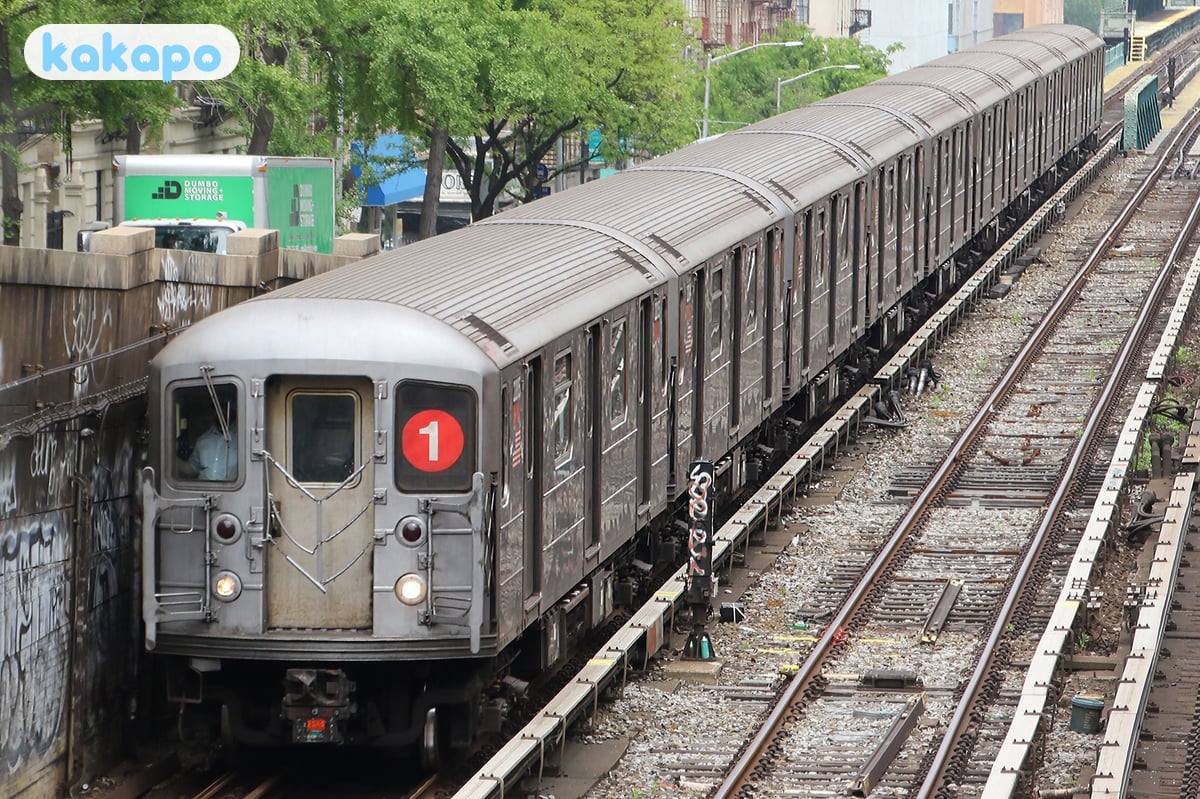
The NYC subway is the single most-used public transit system in the US, with ~4 million daily riders. It is broadly safe for tourists during normal hours. The patterns to know:
- Don't ride empty cars at night. If a car is empty when others are full, it's empty for a reason (stench, an unwell passenger). Walk to the next car at the next stop.
- Stand back from the platform edge. Subway-pushing incidents are very rare but the consequence is severe. Stand behind the yellow line.
- Major Manhattan stations stay busy 24/7: Times Square-42 St, Grand Central, 14 St-Union Square, Penn Station, 86 St, Columbus Circle.
- Specific outer-borough stations late at night can feel less comfortable: parts of Bronx (149 St, Woodlawn), parts of Brooklyn (Atlantic Av-Barclays Center late, Broadway Junction). Tourists rarely have a reason to be there at 2am.
- OMNY (contactless): tap your bank card or phone at the turnstile. No need to buy a MetroCard. Free transfers within 2 hours.
- Pickpocketing: concentrated at Times Square, Grand Central, 34 St-Herald Square. Front-pocket phone, day-bag in front.
Times Square and Midtown realities
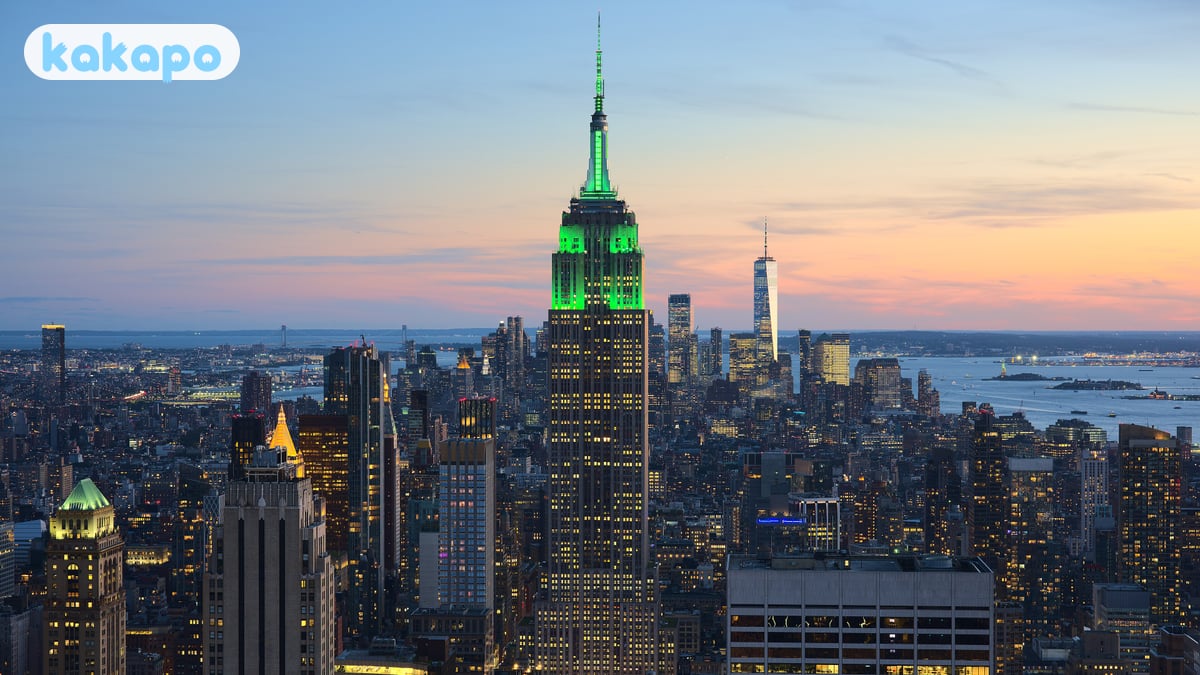
- Times Square is heavily policed — NYPD presence is constant, lighting is constant. Petty theft and aggressive panhandling are the realistic concerns, not violence.
- Costumed characters (Elmo, Spider-Man, Statue of Liberty) work for tips. Some get aggressive about payment after photos. NYC has designated "activity zones" to manage them; politely refuse if you didn't initiate.
- "CD seller" scam — performer hands you a CD, then demands $20-50. Don't accept anything from anyone.
- Comedy-club ticket touts on Times Square pavements — the shows are usually real but quality varies; check reviews before paying.
- Penn Station and Port Authority — busy transit hubs with a higher concentration of homeless and mentally-ill individuals. Disorder is visible; targeted-violence rare. Walk through, don't linger.
Areas — what tourists actually visit
Comfortable virtually everywhere a tourist would go: All of Manhattan below 96th Street (Lower Manhattan, Tribeca, SoHo, Greenwich Village, Chelsea, Midtown, Upper East Side, Upper West Side, Harlem main streets); DUMBO and Williamsburg in Brooklyn; Long Island City and Astoria in Queens.
Tourist-active and well-policed but use awareness: Times Square, Penn Station/Port Authority area, late-night Bowery, Lower East Side weekend nightlife.
Outer-borough zones tourists don't typically visit: parts of the South Bronx, Brownsville/East New York in Brooklyn, parts of southeast Queens. These are working-class residential. Mention them only because they appear in NYC crime headlines; visitors rarely have a reason to be there.
Central Park: safe day and night. Major paths are policed; the Park itself reports very low crime. Don't go off-trail in the Ramble at 2am alone but otherwise use it freely.
Demonstrations: NYC has frequent political demonstrations, especially at Times Square, Washington Square, and outside the UN. They're peaceful; police presence is heavy.
Taxis, ride-shares, airports
- Yellow cabs — only the official medallion taxis. Hailable on the street. Metered, honest. Card payment standard.
- Uber, Lyft — both work. Surge pricing during rush, weekends, weather.
- Black-car services ("livery cabs") — pre-booked. Usually fine; verify the driver before getting in.
- Don't accept rides from drivers who approach you at JFK or LaGuardia. Use the official taxi rank or rideshare zones only.
- JFK to Manhattan: taxi flat rate $70 + tolls + tip. AirTrain + LIRR is $15.25, ~50 min to Penn Station. Subway A train via Howard Beach is $2.90 but slow (~75 min).
- LaGuardia to Manhattan: taxi $35-50 + tolls + tip. M60 bus + subway is cheap. New LGA AirTrain coming online.
- Newark (EWR): New Jersey Transit train $15.50, ~25 min to Penn Station.
Scams and money
- Unmarked taxis at airports: refuse. Use official ranks only.
- Tourist hotel "ATMs" — high fees ($5-7 per transaction). Use major bank ATMs (Chase, Citi, Bank of America) instead.
- Ticket scalpers for Broadway shows: TKTS booth in Times Square is the legit discount source. StubHub is fine for major events.
- Restaurant tipping: 18-22% is standard. Many touristy restaurants now auto-add a "service charge" and still expect tip on top — read the bill.
- Bag fees / hidden charges at Yellow Cab — the meter has surcharges for night ($1), peak ($2.50), and the Manhattan congestion charge ($2.50). All legitimate.
Neighbourhood-by-neighbourhood breakdown
- Midtown Manhattan (Times Square to 59th St) — the tourist core. Times Square, Broadway theatres, Rockefeller Center, Bryant Park. Heavily-policed 24/7. The visible "disorder" is panhandlers and costumed performers, not crime. Very safe to walk at any hour.
- Lower Manhattan (Tribeca, SoHo, Financial District) — Wall Street, 9/11 Memorial, the historic streets. Quiet on weekends in the FiDi proper, lively in SoHo and Tribeca for restaurants and shopping. Very safe.
- Greenwich Village, West Village, East Village — Washington Square, the old NYU streets, the cobbled West Village by Magnolia Bakery, the East Village's nightlife strip on Avenue A. Safe and walkable. Late-night Lower East Side and Avenue B get drunk-crowd messy but not dangerous.
- Upper East Side and Upper West Side — residential, Central Park-flanking, museum-heavy (Met, Guggenheim, AMNH). Very safe day and night. Quiet by 11pm midweek.
- Harlem (above 110th St) — the historic central Harlem main streets (125th St, Lenox Ave around Sylvia's) are heavily visited and safe. The further east into East Harlem or further west into Hamilton Heights you go off the main avenues at 2am, the more local-knowledge it requires — but tourist itineraries stay on the main streets.
- Brooklyn — Williamsburg, DUMBO, Park Slope, Brooklyn Heights — the visitor's Brooklyn. All very safe, all walkable, all foody. DUMBO at dusk is one of the postcard views of the city.
- Queens — Long Island City, Astoria, Flushing — LIC for views back at Manhattan, Astoria for Greek food, Flushing for serious Chinese and Korean. All safe. Outer Queens and the South Bronx are residential and not on standard tourist routes.
If it's your first time visiting
- Best arrival airport: JFK has the most flights but is the furthest out (45-75 min into Manhattan depending on traffic, $70 flat-rate taxi + tolls + tip = ~$90, or AirTrain + LIRR for $15.25 in 50 min to Penn Station). LaGuardia (LGA) is closer and now has the new Terminal B but no direct train; taxi $35-50 + tolls. Newark (EWR) is fine if you can take New Jersey Transit ($15.50, 25 min to Penn).
- Just use OMNY (contactless tap) on subways and buses. Tap your bank card or phone at the turnstile. $2.90 per ride, weekly cap at $34 — no need to buy a MetroCard ever again.
- Best neighbourhood for your first night: Midtown (proximity to everything but soulless), the West Village or Chelsea (atmospheric, walkable), or Lower East Side (younger, nightlife). Avoid first-time hotel bookings in the Financial District (dead at night), Long Island City or Williamsburg unless you specifically want a Brooklyn-base trip, or anything advertised as "near LaGuardia" or "JFK area" (you'll be an hour from everything).
- Day 1, jet-lag friendly: walk the High Line south to Chelsea Market, then Hudson Yards or back across to Times Square. Or do the classic loop — start at Bryant Park, up to Rockefeller, over to Central Park's south edge. All flat, all walkable.
- Common rookie mistakes: undertipping (18-22% on restaurants is the floor, not the ceiling; $1-2 per drink at a bar; $1-2 per bag for hotel porters); ignoring the "Don't Walk" signs (New Yorkers cross against the light constantly, but cars don't slow); expecting Uber/Lyft to be cheaper than a yellow cab (they're often not in Manhattan and surge during rain); buying Empire State or Statue of Liberty tickets at the door (book online, save 30 minutes); and trying to do the whole island on foot (Manhattan is 13 miles long — pick a zone per day).
- Sales tax surprise: the price on the menu/tag isn't the price you pay. NYC sales tax is 8.875% on most goods and meals (clothing under $110 is exempt). Add to that the 18-22% restaurant tip and a $20 menu item costs ~$26.
- Subway after midnight: it runs 24/7 (unique among major US cities) but specific outer-borough stops get sparse. For trips that involve outer-Brooklyn or upper-Bronx connections at 2am, take an Uber or Lyft instead. In Manhattan below 96th, subway is fine at any hour.
- Pack walking shoes. NYC averages 6-10 miles of walking per tourist day. The cute boots will be returned to Amazon on day 4 in tears.
Practical info — emergency numbers
- National emergency: 911.
- Non-emergency police / city services: 311.
- Bellevue Hospital (major public ER, Manhattan): +1 212 562 4141.
- NYU Langone, Mount Sinai, Presbyterian — major private hospitals with 24h ER.
- Tourist info: NYC & Company visitor centers in Times Square and Macy's Herald Square.
Bring: a contactless bank card (subway/bus payment via OMNY), comfortable shoes (NYC distances are walkable but feet-killing), an unlocked phone (T-Mobile, AT&T, Verizon prepaid SIMs at airport stores), and travel insurance — US healthcare bills without insurance are catastrophic. Tap water is excellent (NYC's water is famously good).
Frequently asked questions
Is New York City safe to visit in 2026?
Yes — NYC is among the safer major US tourist cities, dramatically improved since the 1990s. Tourist Manhattan + Brooklyn (Times Square, Midtown, Lower Manhattan, Williamsburg, Dumbo, Park Slope) are heavily-policed + safe day + night. Real concerns: subway awareness, occasional petty theft + tourist scams in Times Square, summer heat humidity.
Is the NYC subway safe?
Yes for most lines + hours. The system carries 3-4 million riders a day with low incident rates. Standard urban precautions: don't sleep on trains, stay near the conductor's car after midnight, avoid empty cars at off-peak hours, don't engage with aggressive subway preachers/panhandlers. Some specific stations (parts of the A/C/E in Far Rockaway, parts of the 1 in Washington Heights at 2-4am) feel less safe — use Uber for late-night outer trips.
Is NYC safe at night?
Yes for Manhattan + most central Brooklyn + Queens. Times Square + Midtown are alive until 2-3am with heavy police presence. Avoid Central Park north end + East Harlem + South Bronx solo after midnight unless you know the area. Use Uber/Lyft for unfamiliar outer-borough night trips.
What's the most dangerous area of NYC for tourists?
Most tourist-relevant areas of NYC are safe. Some neighbourhoods in the South Bronx, East New York (Brooklyn), parts of Far Rockaway + East Flatbush have higher crime statistics — these aren't on tourist itineraries. Times Square attracts costume-character + CD-rapper scams (not violent, just annoying); the subway has occasional unhinged behaviour but very rare violent attacks on tourists.
Is NYC safe for solo female travellers?
Yes. NYC ranks well on solo-female-safety indices. The city's culture is gruff but not predatory; women routinely travel solo at all hours. Standard precautions: subway awareness at 2-4am, Uber for outer-borough night trips, watch your drink in Meatpacking + Lower East Side clubs. Catcalling is common in summer but typically non-aggressive.
Can you drink tap water in NYC?
Yes — NYC tap water is famously among the best in the US, sourced from Catskill + Delaware watersheds. Drinkable + free at every restaurant. Many bagel + pizza shops credit the water for their product quality.
What's the biggest scam to avoid in NYC?
Times Square: costumed characters (Spider-Mans, Elmos, Statues of Liberty) demanding $20-50 after photos — decline the photo at start. CD-rappers handing you a 'mixtape' then demanding $20 — don't accept. Pedicabs without posted prices — agree price in writing before sitting. 'Black car' taxi touts at JFK/LGA — use Uber/Lyft or the official yellow-cab/green-cab rank, fares are regulated ($70 flat-rate from JFK to Manhattan).
Recent travel news for New York City
All travel news →Flash flooding hits New York City streets and subway stations after overnight storms
Severe thunderstorms dropped up to 2.3 inches of rain on New York City on the night of Thursday 20 August, flooding streets in all five boroughs, sending water into subway stations and briefly closing LaGuardia. The weather threat cleared by Friday, but transit and flight disruption lingered.
Fatal New York Harbor capsizing near Liberty Island puts unlicensed boat tours under scrutiny
A small powerboat carrying 14 people capsized near Liberty Island on the night of 8 August 2026, killing a 27 year old woman and her five month old daughter. Federal prosecutors have charged the operator, who they say had no captain's licence and was running the trip as an unlicensed charter.
NYC faces LIRR strike disruption and flooding impacts transit and infrastructure
Long Island Rail Road strike and recent flooding have disrupted transit and infrastructure across New York City, affecting commuter rail service and roadways.
Sources
Run a business in New York City?
Show visitors your New York City business is a safe choice. The free Verified by Kakapo badge puts New York City's live safety score on your website, links back to your verified page, and updates itself. No cost.
Get the free badge →