


Is Moscow Safe for Tourists in 2026?
Western governments advise against all travel; Russian visas for most Western citizens are functionally suspended; Visa/Mastercard don't work. The street-level safety question is almost beside the point.

The question "is Moscow safe for tourists in 2026?" can't be answered as a street-crime question alone, because for most Western travellers the bigger barriers are upstream: visa availability, payment systems, sanctions exposure, conscription risk for dual citizens, and the explicit travel advisories from the UK FCDO, US State Department, Canadian, Australian and most EU foreign ministries advising against all travel to Russia.
Setting all of that aside: on the streets of Moscow itself, ordinary violent crime against Western tourists is statistically rare. Pickpocketing, taxi scams (mostly solved by Yandex Go), and counterfeit-money scams are the petty-crime baseline — much like any large European capital. The Moscow Metro is one of the safest urban transit systems in the world by crime metrics. Russian police (politsiya) are visible, and the city's CCTV surveillance is extreme — Moscow has more CCTV per square kilometre than London.
What makes Moscow risky in 2026 isn't muggings. It's the much-longer list of structural problems: you probably can't get a visa; if you can, your Visa/Mastercard won't work inside Russia; medical evacuation insurance won't cover you because most Western insurers exclude Russia; the FCDO is asking you not to be there; the war is ongoing; and the legal environment for foreigners — especially journalists, anyone with vaguely-political social-media posts, and dual citizens of conscription age — has hardened significantly. This page is structured around those realities.
| Night safety | 59/100 |
|---|---|
| Scam / petty-crime risk | Medium |
| Violent crime (tourists) | Low |
| Most common scams | pickpocketing on the Metro; counterfeit ruble notes; taxi scams at Sheremetyevo airport |
| Safer neighbourhoods | Tverskaya, Kitay-Gorod, Arbat |
| Data sources cited | 4 |
| Last verified |
What Western governments say in 2026
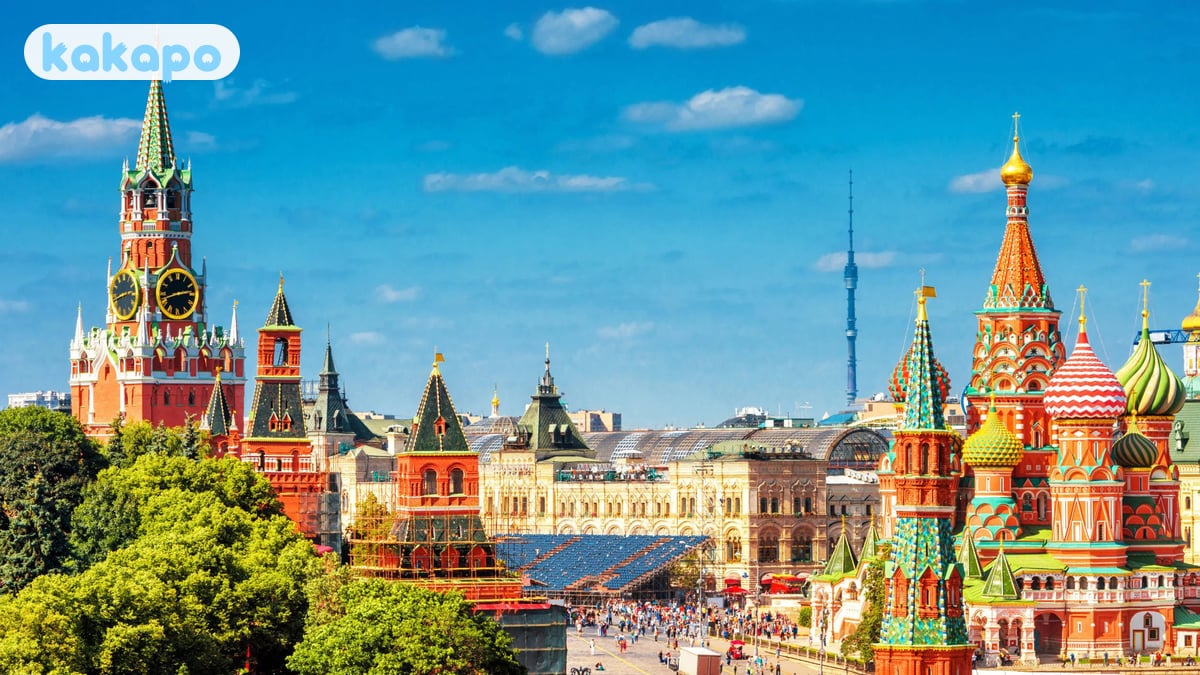
- UK FCDO: "Advise against all travel to Russia" — unchanged since 2022, reaffirmed in 2025 and 2026.
- US State Department: Level 4 — Do Not Travel. Specific warnings about wrongful detention of US citizens; the State Department's "K" indicator for Russia means US citizens have been detained in this country without due process.
- Australian DFAT, Canadian Global Affairs, German Foreign Office, French MEAE: all advise against all travel.
- What this means practically: travel insurance from most major Western providers excludes Russia entirely; consular assistance is limited — most Western embassies in Moscow have reduced staff or operate on minimal services; air-evacuation services for medical emergencies don't operate.
- Wrongful-detention risk — multiple high-profile cases (Brittney Griner, Evan Gershkovich, Paul Whelan) and ongoing detentions of less-prominent foreigners have established this as a category, not an outlier. The risk applies particularly to anyone with media, NGO, defence, or government work history; for ordinary tourists the risk is lower but non-zero.
Visa, money, and getting in (if you can)
- Russian visa for Western citizens 2026: tourism visas for UK, US, EU, Canadian and Australian citizens are functionally suspended in most consulates; the e-Visa system (briefly available in 2023-2024) is suspended for most Western nationalities. Some travellers have obtained visas via third-country consulates (Turkey, UAE, Serbia) but the process is unreliable and slow.
- Visa/Mastercard inside Russia: don't work. International Visa, Mastercard and American Express cards issued outside Russia have not functioned in Russia since March 2022. Apple Pay and Google Pay don't work. ATMs reject foreign cards.
- Cash: bring USD or EUR in cash to exchange for rubles on arrival. Exchange offices at major hotels and airports are functional but check rates. Carrying large cash amounts is its own security exposure.
- Mir card: the Russian domestic card system. Foreigners can technically open a Mir-card account at some Russian banks (VTB, Sovcombank) but this requires a Russian tax ID and is bureaucratically slow. Not realistic for a short tourist trip.
- UnionPay: Chinese UnionPay cards issued by Chinese banks work in Russia at most ATMs and many merchants. Some Western travellers route through this; the process to open a Chinese UnionPay account requires being in China.
- Bringing more than US$10,000 cash: requires Russian customs declaration on arrival; bring it back out requires the same paperwork on exit.
Street crime — the realistic ground-level picture
- Violent crime against tourists is statistically rare in central Moscow. Moscow Police (politsiya) have heavy CCTV-supported coverage of the central districts (Tverskaya, Kitay-Gorod, Arbat, Patriarshy Ponds, Khamovniki).
- Pickpocketing — concentrated on the Metro (Komsomolskaya, Kievskaya interchanges) and at the major tourist sites (Red Square, GUM area, Arbat). The pattern is unremarkable: hands in outside pockets, sleight-of-hand bag dips on crowded escalators.
- Counterfeit ruble notes — a long-running scam, especially with 5,000 RUB notes. Inspect notes received as change; the watermark, microprint and color-shifting ink are the checks. Refuse suspect notes.
- Taxi scams — the "100% no meter, fixed price" scam at Sheremetyevo/Domodedovo/Vnukovo airport arrival halls quotes 5,000-8,000 RUB (US$55-90) for rides to central Moscow that Yandex Go quotes at 1,500-2,500 RUB. Use Yandex Go, not the airport touts.
- Document checks — Russian police can ask any foreigner to produce passport, visa, and migration card for inspection. Comply politely; carry photocopies (originals in the hotel safe is fine — Russian law accepts photocopies if originals are accessible).
- Areas to avoid — outer industrial districts (Lyublino, Tekstilshchiki, Biryulyovo) have higher street-crime rates, especially at night. Inner Moscow tourist districts have crime rates comparable to or lower than central Berlin or Paris.
Getting around — Metro and Yandex Go
- Moscow Metro is one of the world's largest, cheapest and safest urban transit systems. 2026 fares: single ride 65 RUB (US$0.72) on the Troika card, 70 RUB cash. Hours 05:30-01:00 daily. Stations are heavily-staffed, CCTV-saturated, and policed. Solo women using the Metro at midnight is normal.
- Yandex Go — the Russian Uber-equivalent. Works fine in Moscow without sanctions issues for the user, but the app requires a Russian phone number for SMS verification and a Mir card or cash. Many tourists pay in cash via the app's cash-payment option.
- Citymobil / GetTaxi — secondary ride-hail apps; same constraints.
- Aeroexpress trains from the three Moscow airports to central terminals — Sheremetyevo to Belorusskaya, Domodedovo to Paveletsky, Vnukovo to Kievsky. 500-600 RUB, 35-45 minutes; safe and reliable.
- Buses, trams and trolleybuses — extensive network, Troika card pays everywhere, safe at any hour.
- Walking central Moscow at night — Tverskaya, the Boulevard Ring, Arbat, Patriarshy Ponds, Kitay-Gorod all stay safely walkable until late. Lighting and police presence are good; central Moscow's drinking culture is moderate by Russian standards (heavier in the outer districts).
Non-crime risks: detention, war, conscription, sanctions exposure
- Wrongful detention — Russia has detained US, UK and other Western citizens on charges Western governments characterise as fabricated or politically motivated. Journalists, NGO workers, defence-industry employees and former military personnel are at higher risk. Detentions can last months before any consular contact.
- Social media — Russian law criminalises "discreditation of the Russian armed forces" (Article 280.3 Criminal Code) and "false information about military operations" (Article 207.3). Foreign tourists have been arrested on these charges for old social-media posts critical of the war. Audit your social-media history before considering travel.
- Anti-LGBTQ+ law — the 2023 law expanded the "LGBT extremism" framework; foreign LGBTQ+ travellers face meaningfully heightened risk. Russia is on most international LGBTQ+ travel-do-not-go lists in 2026.
- Conscription risk for dual citizens — anyone with Russian citizenship (including by-birth or by-parent) of conscription age (18-30 for general conscription, expanded categories for contract service) can be conscripted on entry to Russia regardless of their other passport. Russian-born Western citizens with unrenounced Russian citizenship are at material risk.
- Drone strikes and missile attacks — Moscow has been targeted by Ukrainian drone strikes intermittently since 2023. Most strikes are intercepted; rare ones reach city limits. The frequency in 2026 remains low for tourists but the risk is non-zero.
- Sanctions exposure — visiting Russia is not itself prohibited under Western sanctions, but financial transactions can put you in violation depending on counterparty. Tourist spending is generally below enforcement thresholds; consulting fees, NGO payments, or business transactions are more exposed.
If you've decided to go anyway
- Bring cash — USD or EUR — sufficient for the entire stay. Plan on no card use inside Russia. Exchange in regulated bank counters, not street kiosks.
- Buy an eSIM with Russian coverage before arrival or buy a local SIM (Beeline, MTS, MegaFon) at any Moscow shop — Russian phone number is required for Yandex Go and most services.
- Travel insurance: most Western policies exclude Russia. Specialist providers (Battleface, World Nomads "high risk" tier) cover some scenarios; read the exclusions carefully.
- Register with your embassy (UK FCDO STEP equivalent; US Smart Traveler Enrollment Program) before arrival so they know you're in country.
- Keep digital and paper copies of passport, visa, migration card; carry copies daily and lock originals in the hotel safe.
- Audit your social media for any posts about the war, Putin, Ukraine, NATO, or Russian politics. Russian border control reads phones. Most experienced travellers travel with a clean burner phone.
- Choose hotels with Western brand exposure (Marriott still has properties under the Cosmos Hotel Group rebrand; some Radisson properties operate as locally-managed clones) for the marginal benefit of a Western-style complaints channel.
Frequently asked questions
Is Moscow safe for tourists in 2026?
Mixed answer that depends on what 'safe' means. Street-level violent crime against tourists is statistically rare in central Moscow — comparable to or lower than most major European capitals, with heavy CCTV and visible policing. But the broader risk picture is much worse: most Western governments advise against all travel; tourist visas are functionally unavailable for many Western nationals; Visa/Mastercard don't work inside Russia; Western travel insurance excludes the country; and wrongful detention of foreigners is a documented and ongoing risk. The street isn't dangerous; the system is.
Can I get a Russian tourist visa in 2026?
For UK, US, Canadian, Australian and most EU citizens, tourist visas are functionally suspended at consulates in the home country. The Russian e-Visa system that operated briefly in 2023-2024 is suspended for most Western nationalities as of 2026. Some travellers obtain visas via third-country consulates (Turkey, UAE, Serbia) but the process is slow and unreliable. Check the latest with the Russian consulate covering your residence.
Do Visa and Mastercard work in Russia?
No. International Visa, Mastercard and American Express cards issued outside Russia have not functioned in Russia since March 2022. Apple Pay and Google Pay don't work. ATMs reject foreign Visa/Mastercard. The functional alternatives are: bring USD or EUR cash to exchange for rubles; or arrive with a Chinese UnionPay card from a Chinese bank, which works at most ATMs and many merchants. Russian Mir cards require a Russian tax ID to open.
Is the Moscow Metro safe?
Yes — the Moscow Metro is one of the largest, cheapest, and safest urban transit systems in the world by crime metrics. Stations are heavily staffed, CCTV-saturated and policed; the network runs 05:30-01:00 daily; a single ride is 65 RUB (US$0.72) on the Troika card. Solo women using the Metro at midnight is routine. Pickpocketing on the major interchange stations (Komsomolskaya, Kievskaya) is the main practical risk.
Is Russia safe for LGBTQ+ travellers?
No. The 2023 'LGBT extremism' law expanded the criminal framework targeting LGBTQ+ identity and expression; multiple ongoing prosecutions and venue raids have established this as live enforcement. Russia is on most international LGBTQ+ travel-do-not-go lists in 2026. Same-sex couples, openly LGBTQ+ individuals, and trans travellers face meaningfully elevated risk. We don't recommend Russia as a destination for LGBTQ+ travellers in 2026 under any normal cost-benefit calculation.
Is Yandex Go safe to use in Moscow?
Yes — Yandex Go is the dominant Russian ride-hail app and the practical equivalent of Uber for Moscow visitors. It works without sanctions issues for the user, drivers are vetted, fares are quoted upfront. The app requires a Russian phone number for SMS verification (buy a local SIM on arrival) and accepts cash payment alongside Russian Mir cards. Don't use unmarked taxi touts at the airports — Yandex Go to/from any Moscow airport is straightforward and 60-70% cheaper.
What's the wrongful-detention risk for tourists in Russia?
Real and ongoing. Multiple Western tourists, journalists and NGO workers have been detained on charges Western governments characterise as fabricated or politically motivated; Brittney Griner, Evan Gershkovich and Paul Whelan are the highest-profile cases but lower-profile detentions continue. The risk applies most to journalists, NGO workers, defence-industry employees and former military personnel — but ordinary tourists with politically charged social-media histories or accidental Russian citizenship can also be exposed. Audit your social media and your passport history before considering travel.
Sources
Run a business in Moscow?
Show visitors your Moscow business is a safe choice. The free Verified by Kakapo badge puts Moscow's live safety score on your website, links back to your verified page, and updates itself. No cost.
Get the free badge →