


Is Maceió, Brazil Safe? A 2026 Travel Safety Guide
The Pajuçara natural pools, NE Brazil beach safety, the Alagoas crime context, the Pratagy beach reality, and the realistic risks of one of Brazil's prettiest beach capitals.

Maceió is one of NE Brazil's most beautiful beach destinations — the Pajuçara natural-pool beach is iconic. The realistic risks are the standard Brazilian phone-snatching + property-crime pattern (Alagoas state has high crime statistics by Brazilian standards), the Pajuçara jangada-boat operator quality, and standard sun + heat caution.
Brazil sits at Level 2. Maceió-specific safety: tourist beach corridor (Pajuçara, Ponta Verde, Jatiúca, Cruz das Almas) is moderate; outer city is sketchier. UK FCDO is similar.
The honest framing for first-time visitors: Maceió is medium (~1 million metro), Alagoas state capital. The Pajuçara natural pools (jangada boats take you 2 km offshore at low tide), the beach corridor, French Quarter, and day trips to Praia do Francês + Praia de Gunga + Maragogi are the visitor anchors.
| Night safety | 48/100 |
|---|---|
| Scam / petty-crime risk | High |
| Violent crime (tourists) | Medium |
| Most common scams | motorbike phone-snatching from people walking with phone in hand; jangada-tour overcharging at the Pajuçara natural pools; beach-vendor 'free' coconut / massage / temporary-tattoo |
| Safer neighbourhoods | Pajuçara, Ponta Verde, Jatiúca |
| Data sources cited | 4 |
| Last verified |
What the score means — 71/100
- Air quality (86) — clean coastal.
- Healthcare (76) — Hospital Memorial Arthur Ramos + Hospital do Coração tourist-grade private.
- Transport (72) — Uber + 99 + buses; rental car for outer.
- Personal safety (64) — pulled down by Alagoas state stats; tourist beach corridor safer.
Pajuçara natural pools
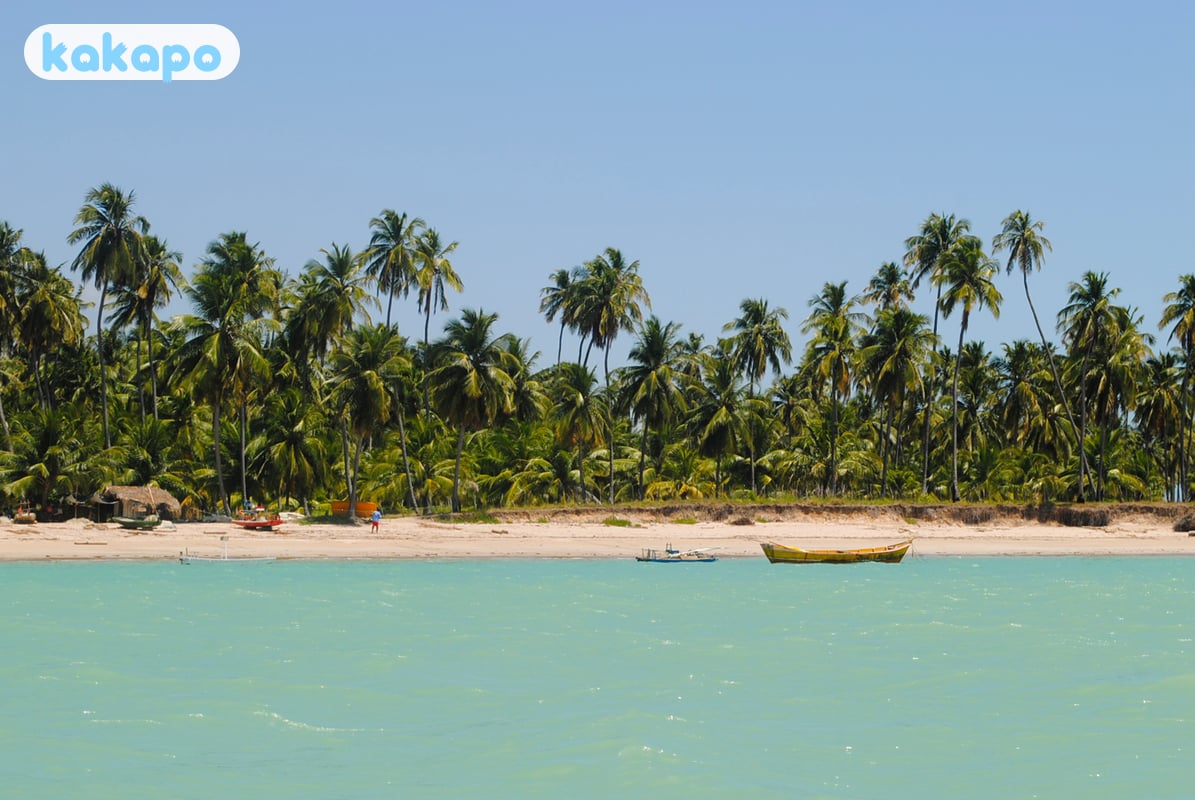
- Pajuçara natural pools: at low tide, a coral reef 2 km offshore creates clear pools. Jangada (sailing raft) takes you out. Iconic.
- Cost: R$50-90/person. Confirm price; some boats add hidden charges.
- Tide-dependent: only at low tide. Schedule varies daily — ask hotel.
- Reef-safe sunscreen: encouraged; don't touch coral.
- Boat overcrowding: avoid the 50-passenger budget boats; pick smaller catamarans.
- Don't snorkel beyond marked pools: currents.
Areas — Pajuçara, Ponta Verde, Jatiúca, French Quarter
Recommended for visitors: Pajuçara, Ponta Verde, Jatiúca, Cruz das Almas (the beach hotel corridor — tourist-policed). French Quarter (Bairro do Jaraguá) — gentrified historic.
Stay aware: parts of central Maceió + outer suburbs at night (Levada, Vergel do Lago, Benedito Bentes), Pratagy beach further north (less-policed). Don't walk to outer beaches alone.
Phone-snatching + property crime
- Standard Brazilian pattern: motorbike-based phone-snatching from people walking with phone in hand.
- Defence: don't walk with phone visible; use it inside shops/cafés.
- Beach-bag theft while swimming: take only essentials to beach.
- ATM: inside bank branches/malls only; daytime.
- Don't display: jewellery, watches, expensive cameras.
Maceió beaches — the natural-pool day trips
Maceió's signature draw is the offshore coral reef that creates shallow turquoise pools at low tide. The "piscinas naturais" boat trips are the half-day every visitor takes, but the city beaches themselves are also worth knowing.
- Pajuçara natural pools: 2 km offshore from Pajuçara beach. Jangadas (small wooden rafts) leave with the tide — schedules vary daily, but typically morning departures for the lowest tide. R$ 25-50 per person, ~2 hours round-trip + 30-60 min in the pools.
- Pajuçara, Ponta Verde, Jatiúca beaches: the central tourist strip. White sand, calm water inside the reef line, kiosks for caipirinhas + tapioca. Walking-distance hotels.
- Praia do Francês: 20 km south. Famous for the natural lagoons formed at low tide and the surf at the open end. Bus or taxi.
- Maragogi: 130 km north. The "Brazilian Caribbean" — even more vivid natural pools 6 km offshore. Day-trip workable but the round-trip drive is 5-6 hours; better as 1-2 night stay.
- Praia do Gunga: 30 km south. Cliff-backed beach with a lagoon meeting the sea. Day-trip combinable with Praia do Francês.
- Tide timing: check the tide table before booking a natural-pool trip — too high and the pools disappear; too low and the jangada can't navigate the reef gaps. Hotels keep current schedules.
- Sea urchins on the reef: real. Reef shoes for the natural pools.
Scams + the standard Brazilian-coastal awareness
- Zumbi dos Palmares Airport (MCZ) taxi: airport taxis use a fixed-rate counter; Uber and 99 both work and are usually cheaper. Decline anyone approaching arrivals offering rides.
- Beach-vendor "free" coconut / massage / temporary-tattoo: standard SE Asian / Latin American pattern. Polite "não, obrigado" repeated works; there's always a price after.
- Jangada-tour overcharging: official Pajuçara-pools rate is regulated by ABRAJAR (the jangadeiro association). Look for the licensed jangadas with painted numbers at the official launching points. Anyone quoting R$ 100+ per person is overcharging.
- Phone-snatch from passing motorbikes: real on Av. Doutor Antônio Gouveia + the corniche. Don't walk talking on a phone held in hand near the kerb.
- Card-skimming at outdoor ATMs: prefer bank-branch ATMs (Banco do Brasil, Itaú, Bradesco, Santander) during business hours.
- Card-terminal DCC: always pay in BRL, never "your home currency". DCC adds 4-7%.
- Smash-and-grab at red lights: real in some Maceió neighbourhoods. Lock doors, windows up, phones out of sight.
- Where to be careful: away from the tourist beach strip — outer neighbourhoods (Tabuleiro, Benedito Bentes) are residential with low tourist relevance and elevated crime. Stick to Pajuçara / Ponta Verde / Jatiúca for accommodation.
Transport — Uber + 99 + the airport
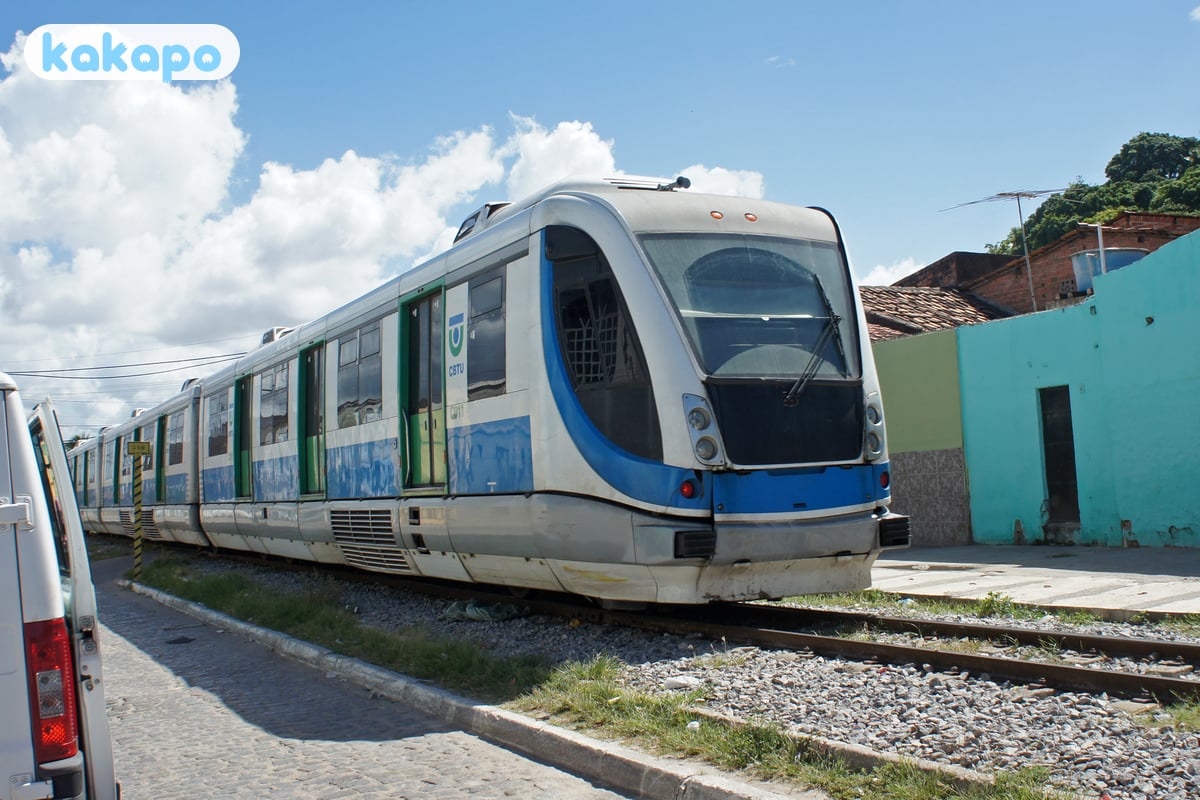
- Uber + 99: both work. Cheap.
- Don't take street taxis outside hotel zone.
- Zumbi dos Palmares Airport (MCZ): 25 km north. Pre-booked transfer R$150-220 ($30-45). Uber R$80-130.
- Buses: chaotic; not for casual tourists.
Weather + when to visit
- Year-round: 24-30°C. Tropical coastal.
- Wet season: April-July. Heavy rain; some cancelled boat days.
- Dry season: September-February. Best for natural pools.
- Best season: October-November + March (shoulder).
Money + the cost story
- Currency: Brazilian real (BRL).
- Cards: at hotels, restaurants; cash for beach.
- Tipping: 10% added as "serviço".
- Cost: significantly cheaper than Rio/SP. Beach hotel $80-200/night.
- Tap water: technically safe; bottled standard.
Practical info — emergency numbers
- Police: 190.
- Tourist Police (DEATUR): at Pajuçara.
- Ambulance: 192.
- Hospital Memorial Arthur Ramos: +55 82 2122-7000.
Bring: reef-safe sunscreen, sun protection, an anti-theft phone holder, a Brazilian eSIM, a contactless card, and travel insurance. Don't walk with phone in hand on streets; book reputable jangada operators via your hotel.
Frequently asked questions
Is Maceió, Brazil safe to visit in 2026?
Yes, with caveats — Maceió scores 70/100 here. Brazil sits at US State Department Level 2 and Alagoas state carries some of Brazil's highest reported violent-crime statistics by state. That said, the tourist beach corridor (Pajuçara, Ponta Verde, Jatiúca, Cruz das Almas) is meaningfully safer than the city-wide numbers and is actively tourist-policed; visitors who stay inside that corridor and use Uber/99 rather than street taxis have a manageable experience. The realistic risks are motorbike phone-snatching on Av. Doutor Antônio Gouveia, beach-bag theft while swimming, and avoiding the outer neighbourhoods (Levada, Vergel do Lago, Benedito Bentes) entirely.
Is Maceió safe at night?
In the recommended areas, yes. The beach corridor along Pajuçara and Ponta Verde is patrolled and busy until late; the French Quarter (Bairro do Jaraguá) has gentrified into a routine evening-walk neighbourhood. The honest after-dark caveats are real: don't walk to outer beaches alone, don't take street taxis outside the hotel zone (use Uber and 99 exclusively), and avoid Pratagy beach further north and the area around the bus station after dark. Smash-and-grab at red lights is real in some Maceió neighbourhoods — lock doors and keep phones out of sight if driving.
What's the biggest scam or risk in Maceió?
Motorbike phone-snatching from people walking with phone in hand — the standard Brazilian pattern, very common along the Av. Doutor Antônio Gouveia corniche. Use your phone inside shops and cafés, not on the kerb. The second is jangada-tour overcharging at the Pajuçara natural pools — the legitimate ABRAJAR-association rate is R$25-50 per person; anyone quoting R$100+ is overcharging. Also: card-skimming at outdoor ATMs (use bank-branch ATMs during business hours), DCC at card terminals (always pay in BRL never your home currency), and Zumbi dos Palmares Airport touts offering rides (use the fixed-rate counter, Uber or 99).
Can you drink tap water in Maceió?
Technically yes — Maceió's CASAL-supplied tap water is treated and meets Brazilian potability standards, but in practice nobody drinks it. Local Brazilians filter, boil or buy bottled because of the taste, the heavy chlorination, and the variable condition of distribution pipework in older neighbourhoods. Hotel rooms come with bottled or filtered water as standard; restaurants bring bottled by default. Ice in chain restaurants and resort bars is made from filtered water and is fine. Stick to bottled or filtered for drinking and you'll have no problems.
Is the Pajuçara natural pools day-trip worth doing and how do I do it safely?
Yes — the offshore reef pools 2 km out at low tide are genuinely one of Brazil's signature beach experiences, the turquoise-on-white postcard with the jangadas (small painted sailing rafts) lined up at the shore. The legitimate rate via licensed ABRAJAR jangadas is R$25-50 per person for ~2 hours round-trip plus 30-60 minutes in the pools; book through your hotel rather than walk-up if you want a smaller catamaran instead of a 50-person budget boat. Tide-dependent (low tide only — schedule varies daily), reef-safe sunscreen mandatory, don't touch coral, don't snorkel beyond the marked pools because the currents pick up fast. Sea urchins on the reef are real; reef shoes useful.
Sources
Run a business in Maceió?
Show visitors your Maceió business is a safe choice. The free Verified by Kakapo badge puts Maceió's live safety score on your website, links back to your verified page, and updates itself. No cost.
Get the free badge →