


Is Luxor, Egypt Safe? A 2026 Travel Safety Guide
The Valley of the Kings, aggressive Karnak touts, summer 45°C heat, the Nile cruise reality, conservative dress, and the realistic risks of ancient Thebes.

Luxor is moderately safe for tourists. Tourist police presence at major sites (Karnak, Valley of the Kings, Hatshepsut Temple) is heavy. The realistic risks are the aggressive tout-and-felucca-and-camel scam culture, the genuinely scorching summer heat (45°C+ at the Valley of the Kings), the Nile cruise operator quality variation, and conservative dress.
Egypt sits at Level 3 on the US State Department's advisory list. Luxor itself is at the lower end of advisory. UK FCDO is similar. The honest framing: Luxor is small (~500,000), built around the ancient sites on both banks of the Nile. Most visitors arrive via Nile cruise from Aswan (3-4 days) or fly into Luxor Airport. Karnak Temple, Luxor Temple, the Valley of the Kings, the Valley of the Queens, Hatshepsut Temple, and the Colossi of Memnon are the visitor anchors.
| Night safety | 55/100 |
|---|---|
| Scam / petty-crime risk | Medium |
| Violent crime (tourists) | Low |
| Most common scams | aggressive tout-and-felucca-and-camel scam culture; Karnak Temple vendor scams; photographer touts demanding money |
| Safer neighbourhoods | East Bank, Luxor Temple area, the Corniche |
| Data sources cited | 4 |
| Last verified |
What the score means — 70/100
Touts, scams, and the Karnak experience
- Standard pattern: "Hello! Free this!" "My friend has a shop!" "The temple is closed, follow me!"
- Felucca rides: agree price upfront in writing. Standard scam: $10 quoted, $50 demanded.
- Carriage rides (calèches): same pattern.
- Photographer touts: take photo, demand money.
- Authentic guides: Ministry-of-Tourism-licensed (badge). $25-50/day.
- Don't follow strangers claiming to know "secret" entrances or shortcuts.
- Vendors at temples: aggressive at Karnak gates especially.
Summer heat — the genuine deadly risk
- July-August: 40-45°C standard. Valley of the Kings is open desert.
- Plan: arrive at 6am open-time; leave by 10am. Or evening 4-6pm.
- Hydration: 3-4L water/person.
- Heat exhaustion: tourist deaths at Valley of the Kings have happened in summer.
- Best season: November-March.
Nile cruise reality
- Standard 3-4 day cruise: Luxor to Aswan (or reverse).
- Operator quality varies wildly: from $200/person budget cruises to $2000/person Sanctuary Retreats luxury.
- Reputable operators: Sanctuary Sun Boat IV, Oberoi Zahra, Movenpick.
- Cheap cruises: older boats, food hygiene variable, fewer English-speaking guides.
- Booking: through reputable agencies (Memphis Tours, Audley Travel) rather than airport touts.
- Don't book at the dock: pre-arrange.
Dress + conduct
- Modest dress: shoulders + knees covered; sun-protective long sleeves help.
- Tomb interiors: usually no flash; some require extra ticket for photography.
- Solo women: catcalling reported; modest dress + group helps.
- Don't photograph locals without permission.
- Tipping (baksheesh): standard throughout — porter LE10-20, guides 10-15%, drivers LE50-100/day.
Areas — East Bank, West Bank, the corniche

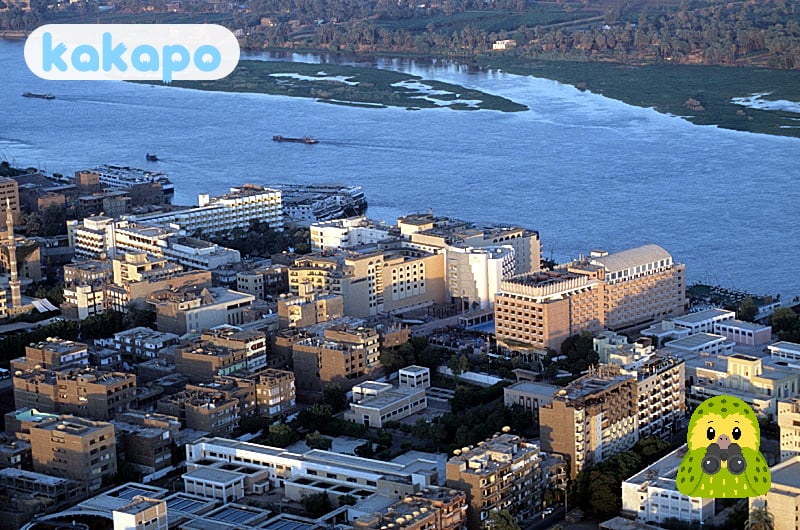
East Bank (where most hotels are): Luxor Temple, Karnak Temple, the Corniche al-Nil, the souks. Lit, populated, tourist-policed. Walking between Luxor Temple and the souk after dark is comfortable.
West Bank (where the tombs are): Valley of the Kings, Valley of the Queens, Hatshepsut Temple, Medinet Habu, the Ramesseum, the Colossi of Memnon. Mostly rural, low-rise, much quieter at night. Some boutique hotels here for "stay close to the tombs"; expect generator-only electricity at some properties.
Crossings: the Luxor Bridge (8 km south) carries cars; public ferries cross the Nile centrally for EGP 5-10. The crossing is the cheapest scenic ride in Egypt.
Avoid driving yourself: Egyptian road conditions, no-shoulder driving, and the security checkpoints around the tombs make a pre-booked driver the practical default. $40-80/day full-service.
Hot-air balloons — the safety record
Sunrise balloon flights over the West Bank are Luxor's signature bucket-list activity. The history is mixed: the 2013 Sky Cruise crash killed 19 (the deadliest balloon accident on record), which forced a serious overhaul of Egypt's balloon-tourism regulation. Operators now run under stricter weather rules and licence requirements.
- Reputable operators: Sindbad Balloons, Magic Horizon, Rossini Balloons. Pre-book through a major agent (Memphis Tours, Audley) rather than hotel-lobby touts.
- Price: $70-120/person for a 45-min sunrise flight including hotel pickup.
- Cancellations: winds above 10-15 km/h cancel flights. November-March has the most cancellations; April-October is more reliable but you trade for heat.
- Travel insurance: check that "ballooning" is covered — many basic policies exclude it.
- What you'll actually see: the Valley of the Kings from 600m, Hatshepsut Temple lit by sunrise, the Nile thin and silver. 30-45 min in the basket.
- If you have neck/back issues: the landing can be hard. Operators land with the basket on its side and you stay seated until it stops sliding.
Transport — taxis, Uber, the airport
- Uber + Careem: now operate in Luxor (limited driver pool); cheaper than negotiated taxis.
- Taxis: agree price first; standard tourist over-charge.
- Pre-booked tour driver: $40-80/day; the practical default.
- Luxor International Airport (LXR): 6 km east. Pre-booked transfer EGP 200-400 ($4-8). Don't take drivers approaching at arrivals.
- Train from Cairo: 10-hour overnight sleeper (Watania train); tourist option.
Money, food, the cost story
- Currency: Egyptian pound (EGP).
- USD widely accepted: at hotels.
- Tipping (baksheesh): small + frequent.
- Tap water: not safe.
- Cost: cheap. Mid-range Nile-view hotel $80-200/night.
Practical info — emergency numbers
- Police: 122.
- Tourist Police: 126.
- Ambulance: 123.
- Luxor International Hospital: +20 95 2374950.
Bring: modest sun-protective clothing, hat, water bottle, an Egyptian SIM, USD cash, and travel insurance. Hire an official licensed guide; book Nile cruises in advance; don't go to Valley of the Kings mid-day in summer.
Frequently asked questions
Is Luxor safe to visit in 2026?
Yes, with adjustments. US State Department lists Egypt at Level 3 ('reconsider travel' — citing terrorism risk) but Luxor itself sits at the lower end of the country advisory and tourist-police presence at Karnak, Valley of the Kings, and Hatshepsut Temple is heavy. UK FCDO has no advisory against travel to mainland Nile-valley tourist sites. Violent crime against tourists is rare; the realistic risks are aggressive tout-and-scam culture, the punishing summer heat at the desert tomb sites, Nile cruise operator variability, and conservative dress expectations. Tourist deaths in recent years at Luxor have predominantly been from heatstroke and pre-existing medical conditions, not crime.
Is Luxor safe at night?
The East Bank Corniche al-Nil, Luxor Temple area, and the souks around it are well-lit, tourist-policed, and comfortable to walk into the evening. The West Bank (where the tombs are) is rural and much quieter — boutique hotels there are safe but you're effectively in countryside after dark, with some properties on generator power. Avoid felucca rides after dark with operators you didn't pre-book through your hotel. Don't follow strangers offering 'after-hours' access to temple sites — they don't exist.
Is Luxor safe for solo female travellers?
Doable with practical adjustments. Catcalling and persistent shop-and-felucca approaches are routine in the souks and along the Corniche. Modest dress (covered shoulders and knees, sun-protective long sleeves) substantially reduces unwanted attention. Hiring a Ministry-of-Tourism-licensed guide (look for the metal badge) for the West Bank tomb day cuts off most approaches and is also the practical default given the heat and distances. Travel insurance and group tours with reputable operators (Memphis Tours, Audley Travel) make solo trips much easier than DIY here.
Can you drink tap water in Luxor?
No — stick firmly to bottled. Luxor's tap supply is treated but draws from the Nile and isn't reliable for visitors' digestion. Bottled water is very cheap (5-10 EGP for 1.5L) and ubiquitous. Avoid ice in non-tourist-grade venues, unpeeled raw vegetables outside reputable hotels, and street fresh juice. Hot-air balloon, cruise, and tour operators provide bottled water for their excursions.
What's the biggest scam to avoid in Luxor?
Pre-agreed-price-then-demand-more is the universal pattern. Felucca rides quoted at $10 turn into $50 demands; calèche (horse carriage) rides do the same; 'free photo' photographer touts demand 100+ EGP afterwards; and Karnak-gate vendors will insist 'the main entrance is closed, follow me' to commission shops. Always agree price in writing if possible, hire only Ministry-of-Tourism-licensed guides (metal badge with photo), and pre-book Nile cruises through reputable agencies (Memphis Tours, Audley) rather than hotel-lobby or dock touts. Don't pay for 'authentic' antiquities — exporting them is illegal and most are fakes anyway.
Are hot-air balloons in Luxor actually safe?
Yes, under modern regulation — but the history matters. The 2013 Sky Cruise crash killed 19 (the deadliest balloon accident on record) and forced a serious overhaul of Egypt's balloon-tourism rules. Operators now run under stricter weather thresholds (winds above 10-15 km/h cancel flights), licence requirements, and pilot certification. Use reputable companies (Sindbad Balloons, Magic Horizon, Rossini Balloons) booked through major tour agents rather than hotel-lobby touts. Check that your travel insurance explicitly covers ballooning — many basic policies exclude it. The 45-minute sunrise flight over the Valley of the Kings and Hatshepsut Temple is one of the best vistas in Egypt; budget $70-120 per person.
Sources
Run a business in Luxor?
Show visitors your Luxor business is a safe choice. The free Verified by Kakapo badge puts Luxor's live safety score on your website, links back to your verified page, and updates itself. No cost.
Get the free badge →